It begins not with a bang, but with a mood. A monochrome world rendered in gorgeous, deep shadows and stark light, courtesy of the legendary cinematographer Robby Müller. Down by Law (1986) doesn't grab you by the collar; it seeps into your consciousness, like the humid Louisiana air surrounding its characters. I recall finding this tape tucked away in the 'Independent' or 'Foreign' section of the local video store, a stark black-and-white spine amidst the colourful chaos of action heroes and screaming teens. It felt like discovering a secret language, a different rhythm of cinema.
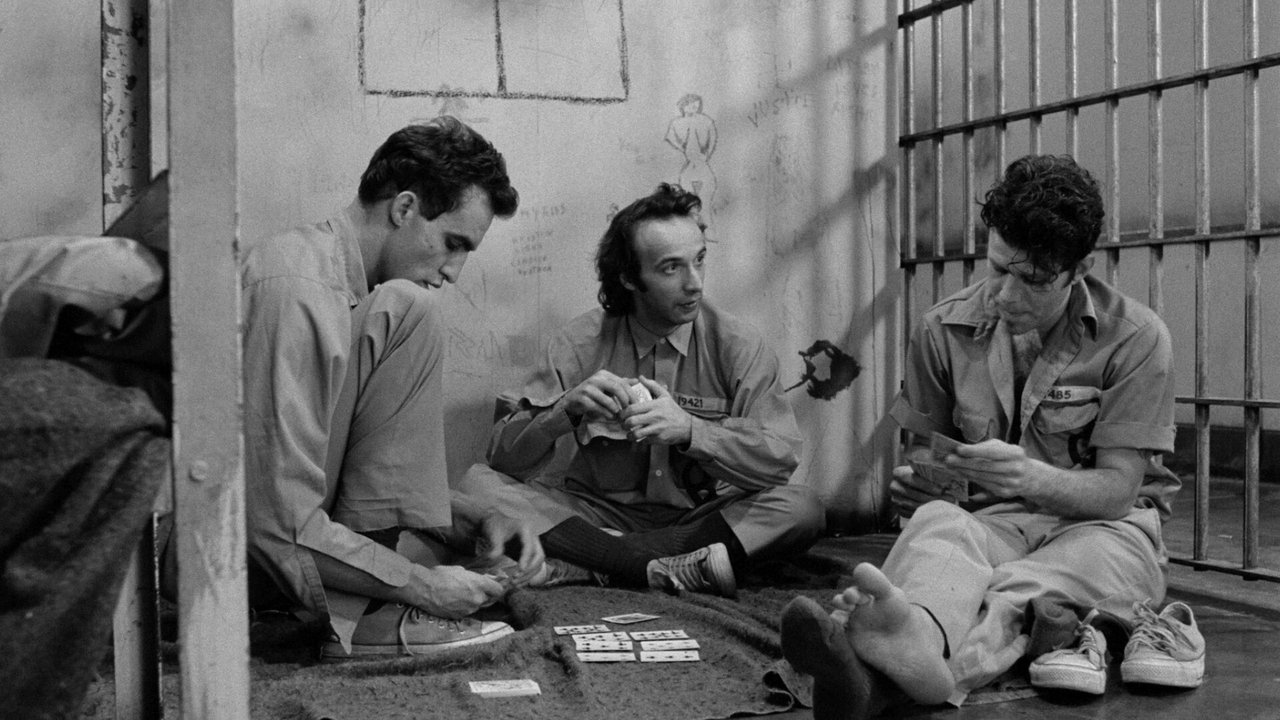
Three Strangers in a Strange Land
At its core, the premise is deceptively simple: two New Orleans low-lifes, Zack (a moody Tom Waits, already a musical icon bringing his inherent cool weariness to the role) and Jack (a cynical John Lurie, composer and leader of the avant-garde jazz group The Lounge Lizards, perfectly cast), find themselves framed and tossed into the same jail cell. Their initial interactions are pure Jarmusch – prickly, sparse, laden with unspoken history and mutual distrust. They exist in orbits of weary resignation, their world confined to drab prison walls. What could possibly fracture this bleak stalemate?
Enter Roberto. Played with an incandescent, almost bewildering energy by Roberto Benigni in his American film debut, this Italian tourist – whose grasp of English is enthusiastic but wildly incomplete – arrives like a force of nature. He’s the catalyst, the jolt of joyful absurdity needed to crack the shell of cynicism built up by Zack and Jack. His famous notebook, filled with odd English phrases, becomes a source of accidental poetry and profound misunderstanding. Watching these three disparate souls navigate their shared confinement is the film’s primary engine, driven less by plot mechanics and more by the sheer chemistry and friction between them.

The Jarmusch Touch
Director Jim Jarmusch, fresh off the critical success of Stranger Than Paradise (1984), wasn't interested in a conventional prison escape narrative. Instead, he crafted what he termed a "neo-beat-noir-comedy." It's a film built on atmosphere, on lingering takes that allow the environment – the swamps, the decaying urban landscapes, the stark prison cell – to become a character in itself. The pacing is deliberate, meditative almost. Some might call it slow, but it feels intentional, mirroring the characters' own sense of inertia and eventual, improbable momentum. Müller’s cinematography isn’t just beautiful; it’s essential, transforming the mundane into something mythic, isolating the characters within painterly frames.
From Notebooks to Nonsense
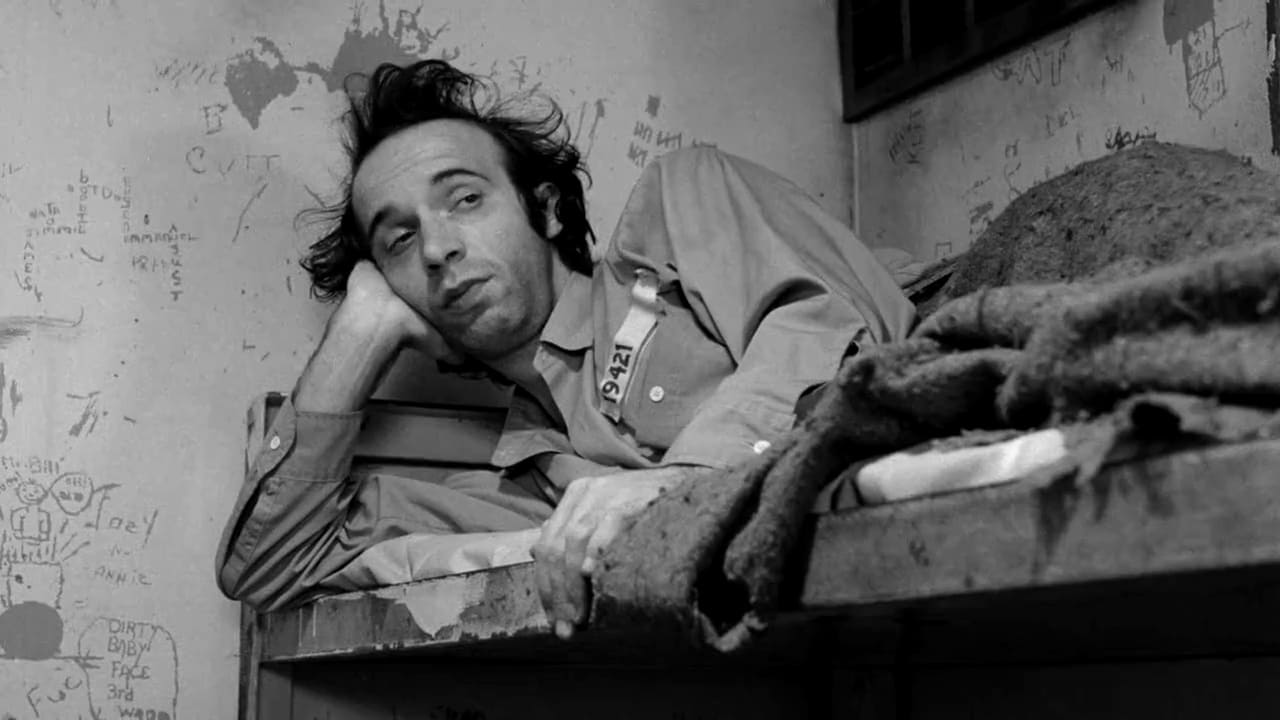
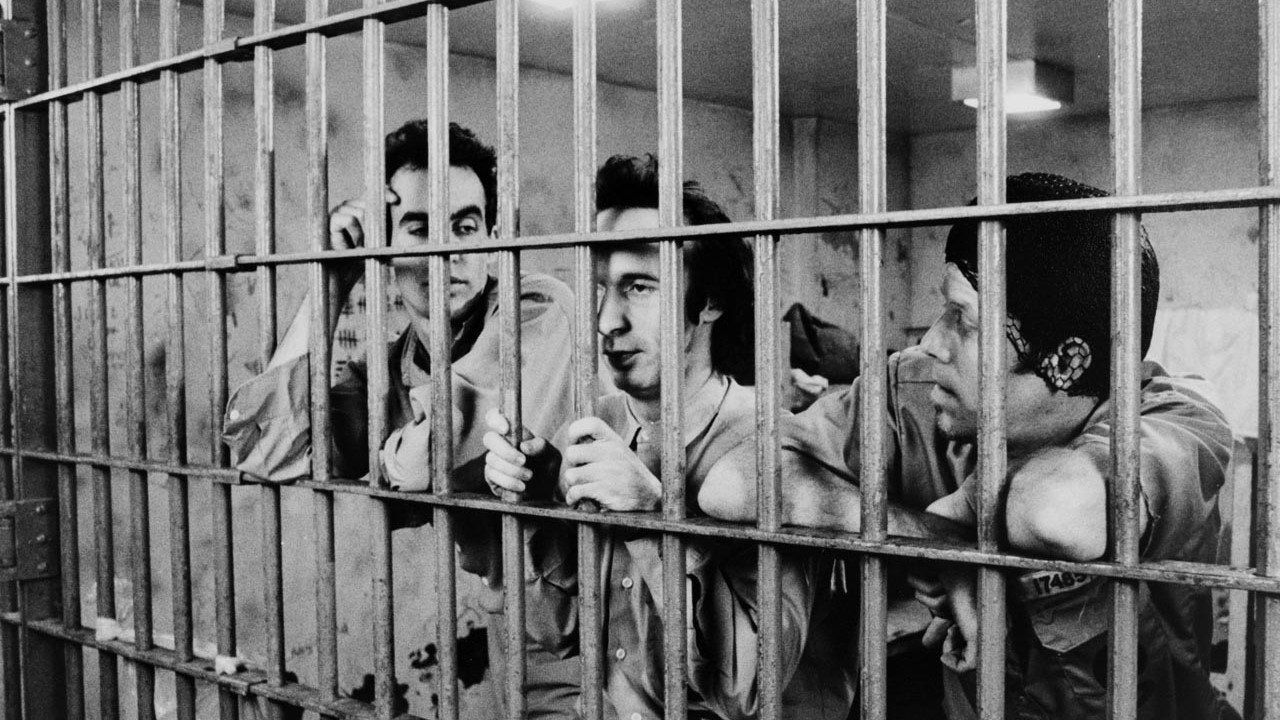
The dialogue is minimalist, often funny in its deadpan delivery or its sheer absurdity. Benigni’s character, initially conceived with minimal lines due to his limited English at the time, blossoms through improvisation and sheer performative charisma. The famous "I scream, you scream, we all scream for ice cream!" chant wasn't just a quirky moment; it reportedly became an on-set rallying cry amongst the cast and crew during the sometimes challenging Louisiana shoot. Jarmusch has mentioned writing the film for Waits, Lurie, and Benigni, tailoring parts to their personas, which lends an incredible authenticity to their interactions. It feels less like actors playing roles and more like we're eavesdropping on genuine, albeit heightened, human connection (and disconnection).
There’s a profound sense of melancholy underpinning the humor. These are lost souls, adrift in a world that seems indifferent to their plight. Zack’s failed DJ career, Jack’s pimp aspirations gone sour – they are men defined by their failures until Roberto’s naive optimism offers a glimmer of something else. Does his infectious energy actually change them, or merely provide a temporary distraction before fate inevitably reasserts itself? The film doesn't offer easy answers, leaving much to the viewer's interpretation.
Lasting Echoes in the Static
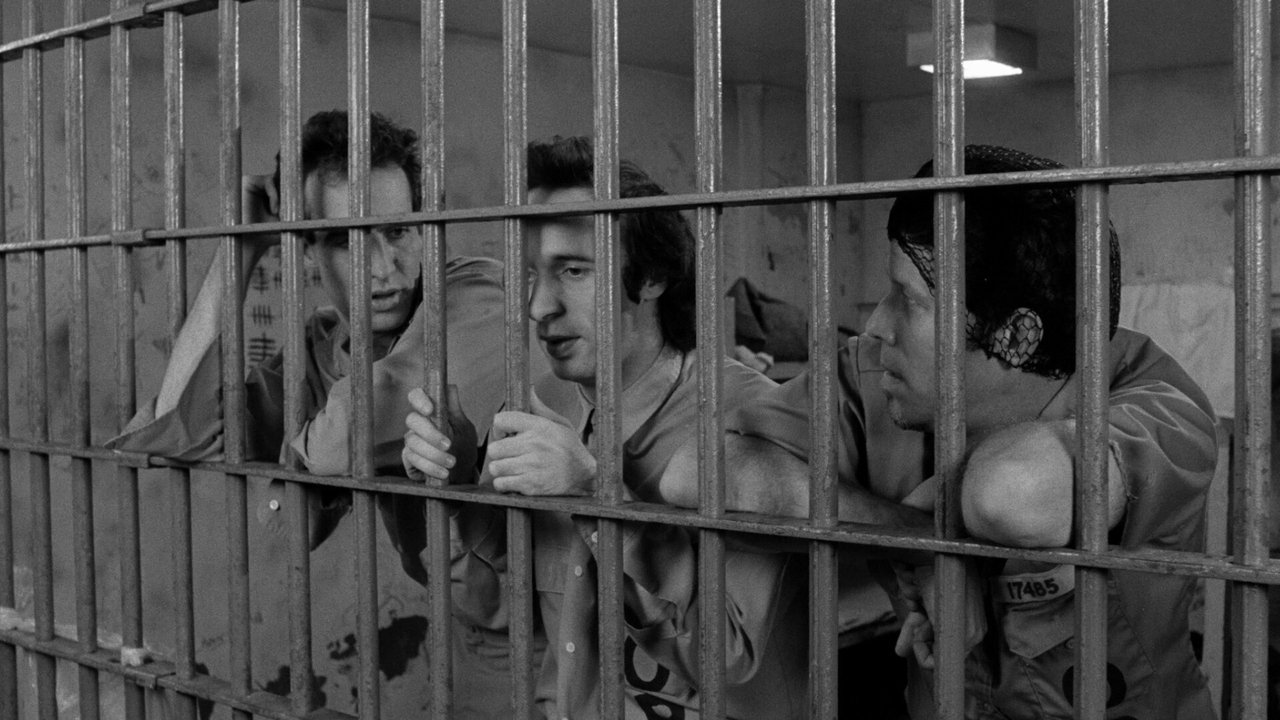
Watching Down by Law today, decades after pulling that VHS copy off the shelf, its magic remains undimmed. It’s a testament to the power of mood, performance, and singular artistic vision. It stands apart from the slicker, louder fare of the mid-80s, a quiet rebellion against narrative convention. It reminds us that sometimes the most compelling stories aren't about grand events, but about the small, strange ways people find connection in the most unlikely circumstances. It’s a film that rewards patience, inviting you to simply exist alongside its characters for a while.
Rating: 9/10
This score reflects the film's masterful execution of its unique artistic vision. The performances are unforgettable, particularly Benigni's star-making turn, and Müller's cinematography is simply iconic. While its deliberate pace might not connect with everyone, for those attuned to its wavelength, Down by Law is a deeply rewarding, funny, and melancholic slice of American independent cinema at its finest – a true gem from the VHS era that feels just as potent today. It leaves you pondering the strange detours life takes, and the unexpected companions we find along the way.