Here we go, pulling another tape from the dusty shelves of memory lane. This time, it’s 1991's Year of the Gun, a film that plunges us headfirst into the suffocating tension of Rome during one of its most volatile periods. It’s easy to forget now, perhaps, but 1978 Italy wasn't just picturesque piazzas and Vespas; it was the era of the "Years of Lead," marked by kidnappings, bombings, and the chilling reign of the Red Brigades. It's against this backdrop of palpable fear and paranoia that the film unfolds, asking unsettling questions about the responsibility of storytellers and the dangerous allure of chaos.

Into the Cauldron: Rome, 1978
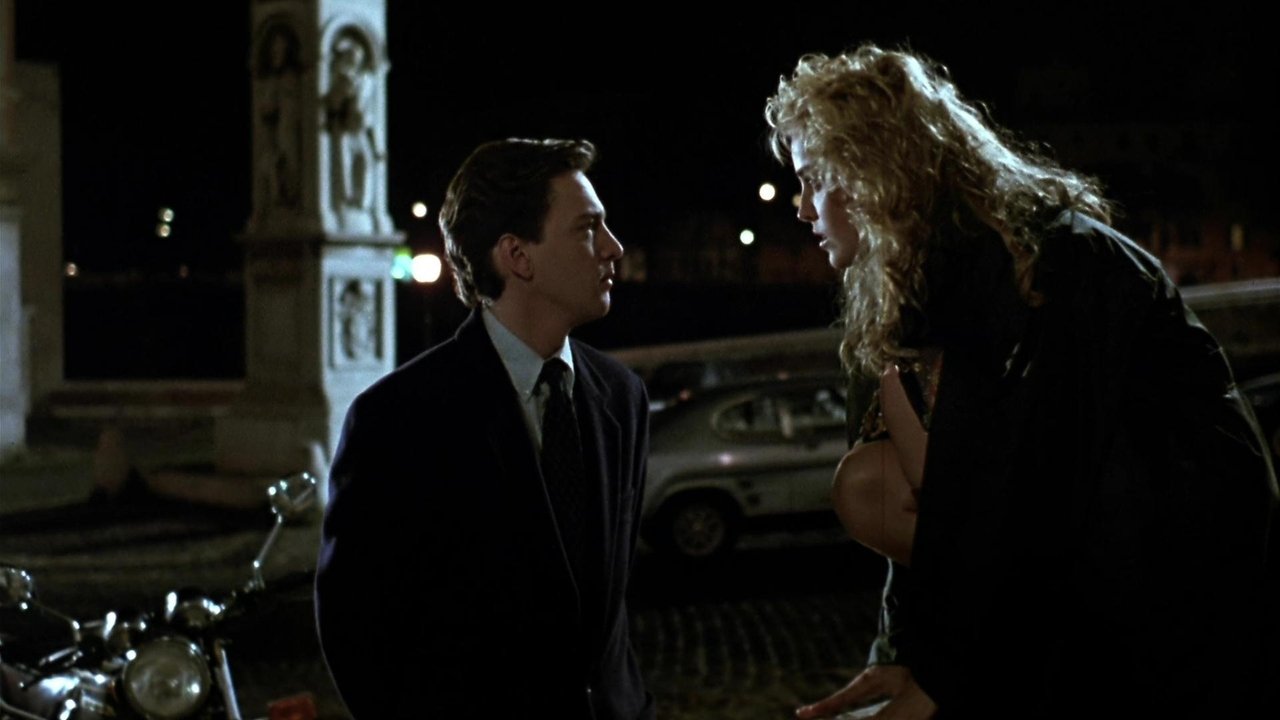
The premise itself carries a potent charge: David Raybourne (Andrew McCarthy), a young, somewhat naive American novelist living in Rome, is ostensibly writing a fluffy romance novel. Secretly, however, he’s crafting a thriller steeped in the terrifying reality of the Red Brigades, weaving in details gleaned from conversations and observations. The trouble begins, naturally, when his fictional plot starts to dangerously mirror actual planned events surrounding the imminent kidnapping of Aldo Moro, Italy's former Prime Minister. Suddenly, Raybourne isn't just an observer; he’s a target, hunted by revolutionaries who believe he knows too much, and distrusted by the authorities. It’s a classic thriller setup, but elevated by the very real, very grim historical context.
Frankenheimer's Steady Hand
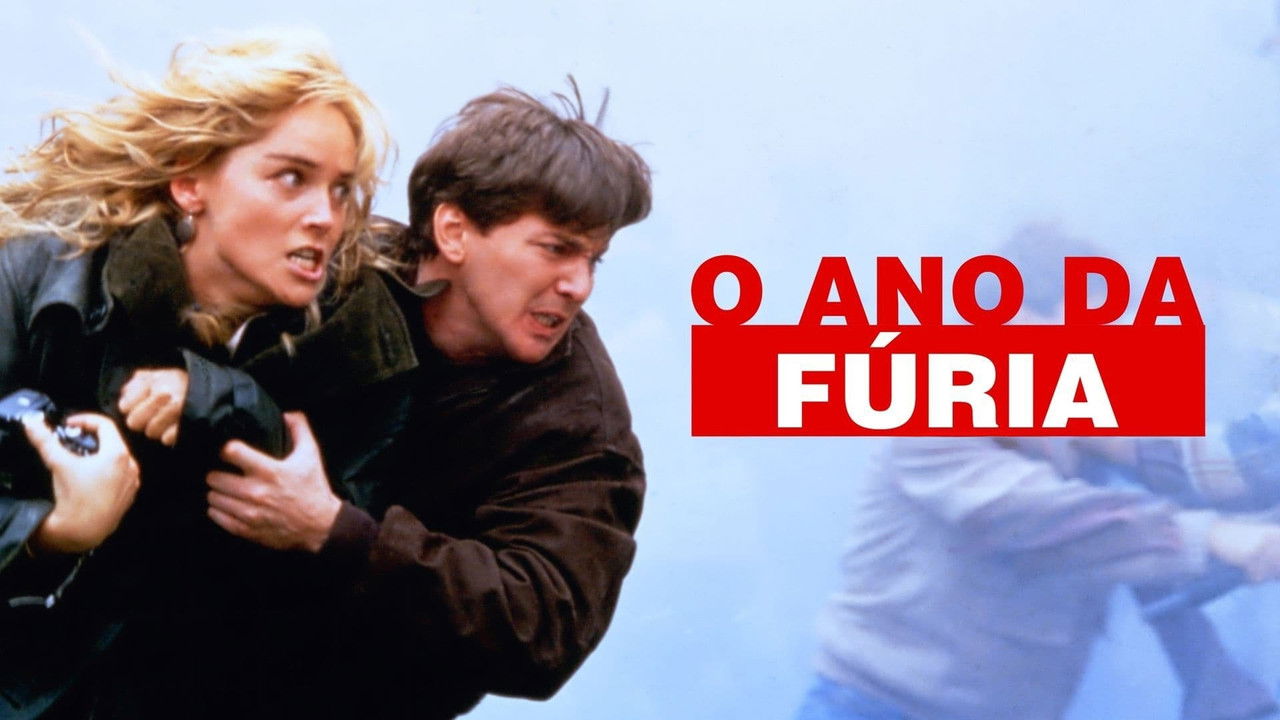
Directing duties fell to the legendary John Frankenheimer. While Year of the Gun might not be mentioned in the same breath as his masterpieces like The Manchurian Candidate (1962) or Seconds (1966), his signature style is undeniably present. There's a muscularity to the filmmaking, a grounded sense of place, and a palpable tension in the staging of key sequences. Frankenheimer knew how to build suspense through atmosphere and character interaction, not just sudden shocks. Filming on location in Rome adds an invaluable layer of authenticity; you feel the weight of history in the ancient streets, juxtaposed against the contemporary political terror. This wasn't a soundstage Italy; it felt lived-in, and consequently, more dangerous. One senses Frankenheimer, even in this later phase of his career before his late-90s resurgence with Ronin (1998), relishing the chance to craft a complex, adult thriller rooted in real-world anxieties.
Navigating the Danger Zone
The casting is interesting, particularly looking back from our vantage point. Andrew McCarthy, then primarily known for his heartthrob roles in films like Pretty in Pink (1986) and the goofy charm of Weekend at Bernie's (1989), steps into a more serious, reactive role. Does he completely shed his familiar persona? Perhaps not entirely, but he effectively conveys Raybourne's escalating panic and the dawning horror of his situation. He’s the slightly callow American abroad, forced to confront realities far harsher than he ever imagined.
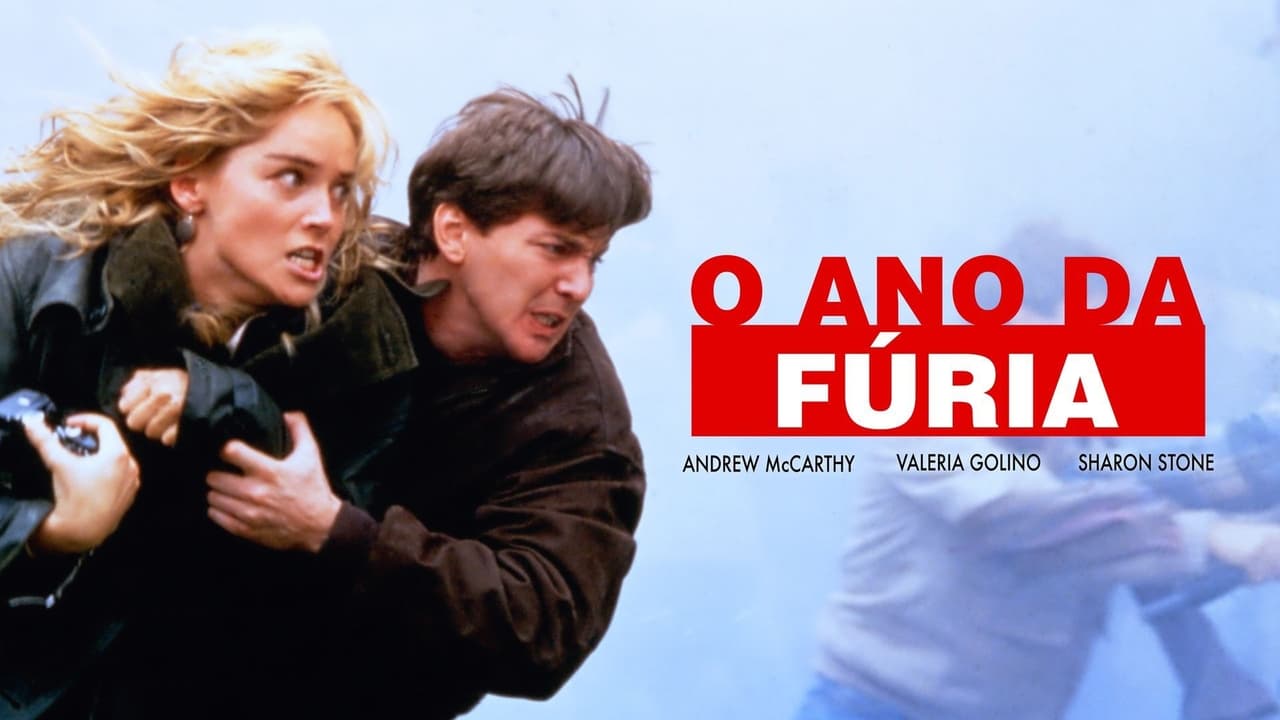
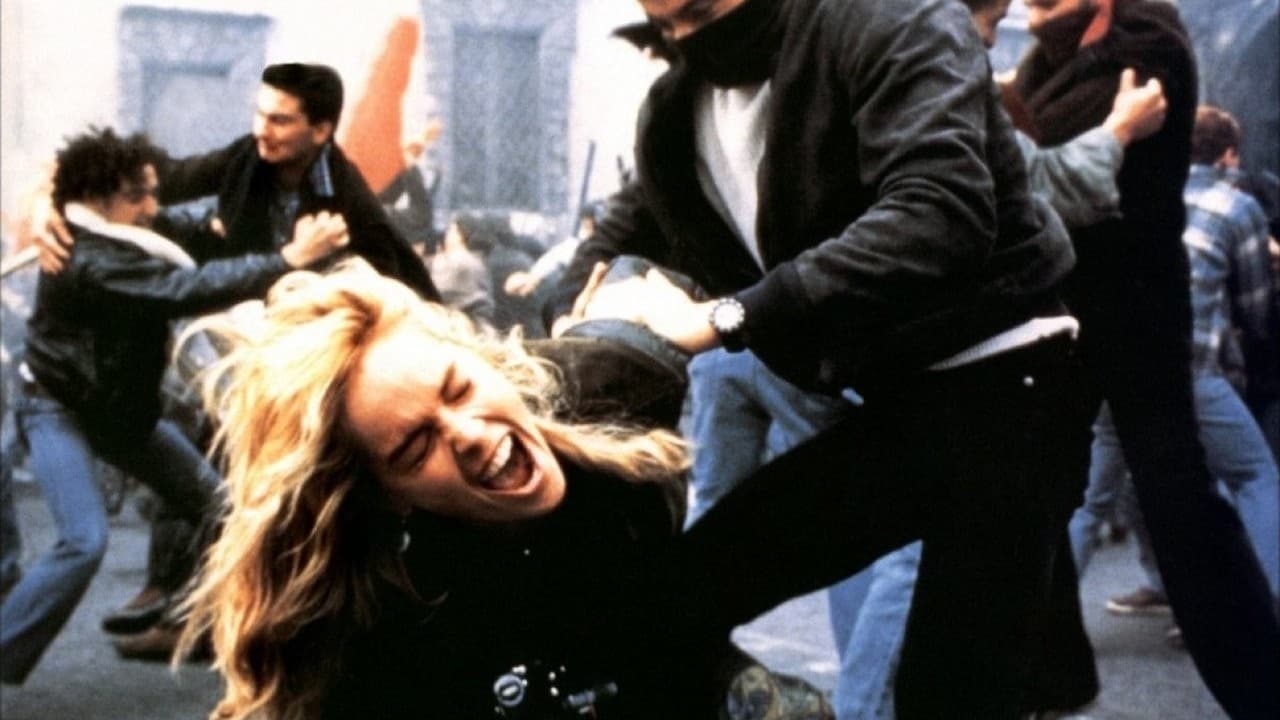
Playing opposite him are two compelling actresses. Valeria Golino (who many would remember from Rain Man (1988)) brings a wounded gravity to Lia, Raybourne’s estranged wife caught in the crossfire. It's Sharon Stone, however, who really commands attention as Alison King, a cynical photojournalist chasing the big story. This was just a year before Basic Instinct (1992) would catapult her to superstardom, but the seeds of that magnetic, intelligent, and slightly dangerous screen presence are already visible here. She embodies the hard-edged pragmatism needed to survive in such a treacherous environment, a stark contrast to McCarthy’s increasingly desperate writer.
Retro Fun Facts & Context
It’s fascinating that the film is based on the 1984 novel of the same name by Michael Mewshaw, who also co-wrote the screenplay. This direct involvement likely contributes to the story's grounding in the specific political climate of the time – Mewshaw wasn't just adapting, he was revisiting a world he clearly knew intimately. The film's commitment to depicting the atmosphere surrounding the Aldo Moro kidnapping, a defining trauma in modern Italian history, gives it a heft that many thrillers lack.
Despite its pedigree and tense subject matter, Year of the Gun unfortunately failed to connect with audiences at the time, grossing a mere $1.1 million domestically against a reported budget hovering somewhere between $15-20 million. Perhaps its grim tone and complex political backdrop were out of step with audience tastes in the early 90s, or maybe McCarthy's casting didn't quite convince viewers looking for a traditional action hero. Watching it now, it feels like a solid, well-crafted thriller that perhaps deserved a better fate – a common story for many films from the VHS era that found a second life on rental shelves.
More Than Just a Thriller
What lingers after the credits roll isn't just the suspense, but the unsettling themes. The film serves as a potent cautionary tale about the ethics of storytelling, especially when dealing with real-world violence and suffering. Raybourne's initial, almost academic interest in the Red Brigades transforms into raw terror when the lines blur. Can art truly be separated from the reality it depicts? The film also captures the suffocating paranoia of living under the shadow of terrorism, where every shadow might hold a threat and trust is a scarce commodity. It doesn't offer easy answers, leaving the viewer to ponder the human cost of political extremism and the often-unforeseen consequences of individual choices within history's sweep.
This wasn't the kind of flashy action flick that flew off the rental shelves based on cover art alone. It demanded a bit more patience, offering a slower burn, a more complex narrative, and a genuinely unsettling atmosphere. For those of us browsing the aisles back then, finding something like Year of the Gun felt like unearthing a hidden gem – a thriller with brains and a conscience.
Rating: 7/10
Year of the Gun stands as a well-crafted, intelligent political thriller anchored by John Frankenheimer's assured direction and a tense, authentic atmosphere. While perhaps not reaching the heights of the director's best work, and maybe slightly hampered by casting that felt slightly against type at the time, it effectively captures the paranoia of 1970s Italy and raises compelling questions. The performances, particularly from Sharon Stone on the cusp of stardom, are strong, and the integration of real historical events lends it significant weight. It’s a film that deserved more attention than it received upon release and remains a potent reminder of a specific, chilling moment in history, viewed through the lens of personal consequence.
It leaves you thinking not just about the plot mechanics, but about the chilling ease with which idealism can curdle into violence, and how quickly an outsider can become tragically entangled in conflicts they don't fully comprehend. A sobering, worthwhile watch from the shelves of VHS Heaven.