The Mexican sun beats down relentlessly in Tony Scott's Revenge, a heat that mirrors the simmering passions and brutal consequences at the heart of this 1990 neo-noir thriller. It's a film that doesn't flinch, presenting a world steeped in loyalty, betrayal, and the terrible, consuming nature of its title emotion. Watching it again now, decades after first sliding that tape into the VCR, its power hasn't faded, though perhaps the starkness of its vision feels even more pronounced. It wasn't the kind of film you watched casually; it demanded your attention and left you wrestling with its implications long after the credits rolled.
Sun, Sweat, and Secrets
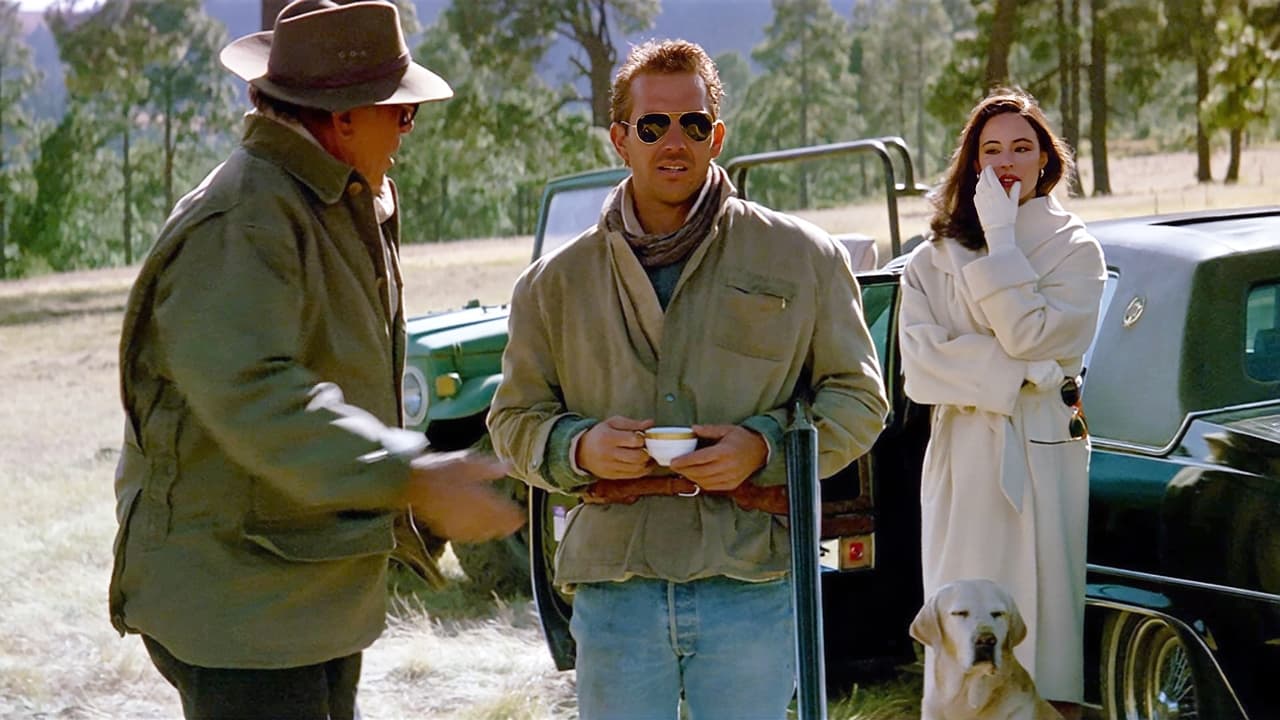
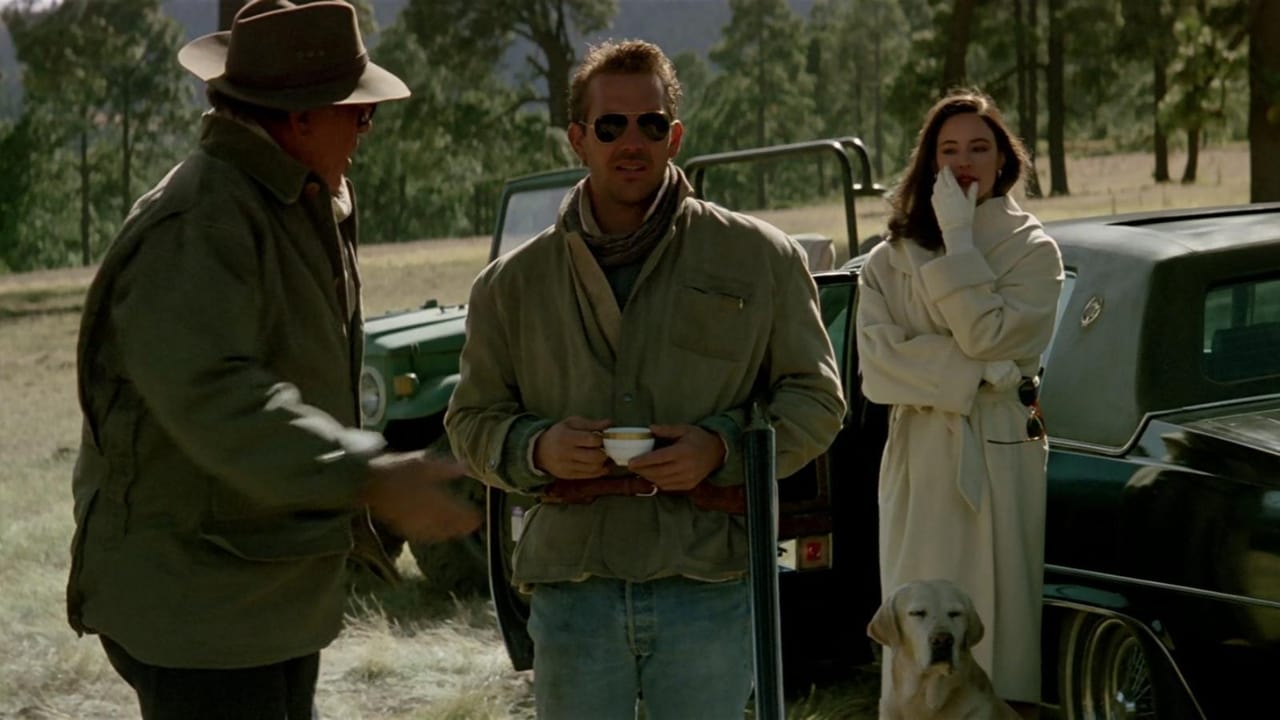
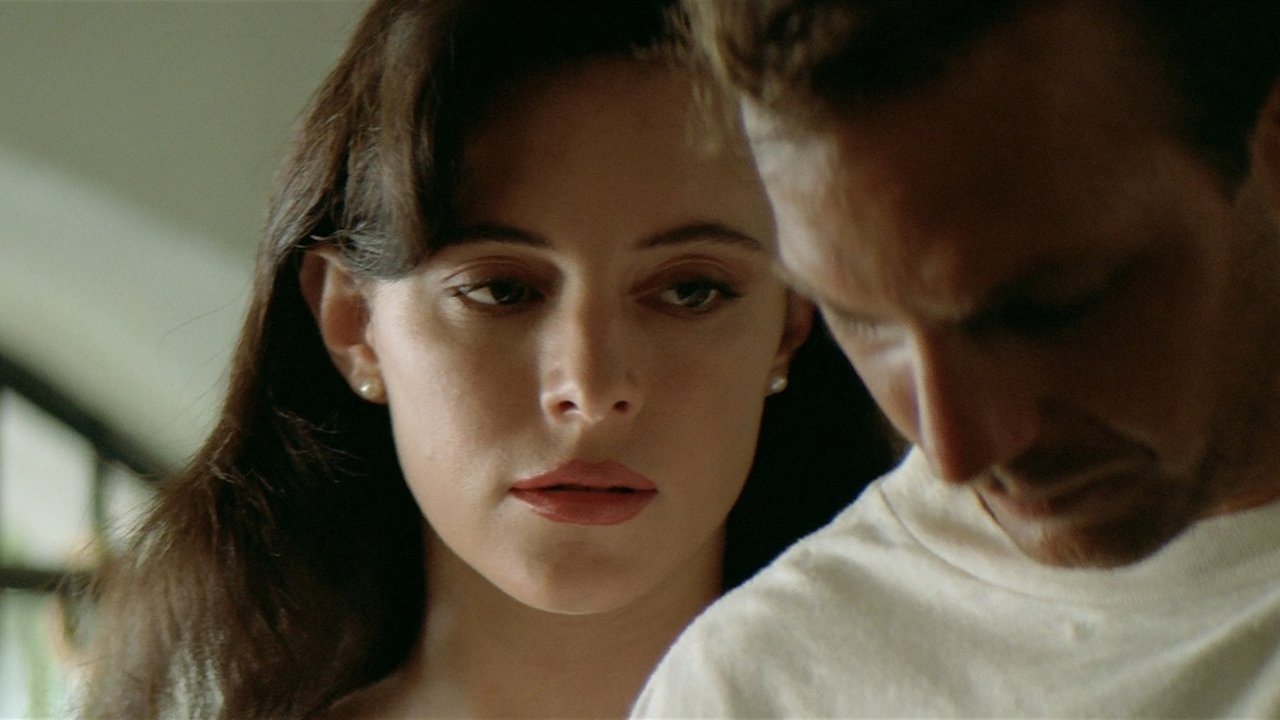
The setup is classic, almost archetypal. Jay Cochran (Kevin Costner), a recently retired Navy pilot, heads to Mexico to visit his wealthy, powerful, and dangerously charismatic old friend, Tiburon "Tibey" Mendez (Anthony Quinn). Tibey is a man who commands respect and fear in equal measure, living a life of opulent isolation with his beautiful, much younger wife, Miryea (Madeleine Stowe). The immediate, electric connection between Cochran and Miryea feels both inevitable and catastrophic. Their affair ignites under the oppressive sun, a secret transgression against a man who doesn't tolerate disrespect. When Tibey discovers the betrayal, his response is swift, merciless, and sets in motion Cochran's agonizing quest for vengeance.
A Triangle Forged in Fire
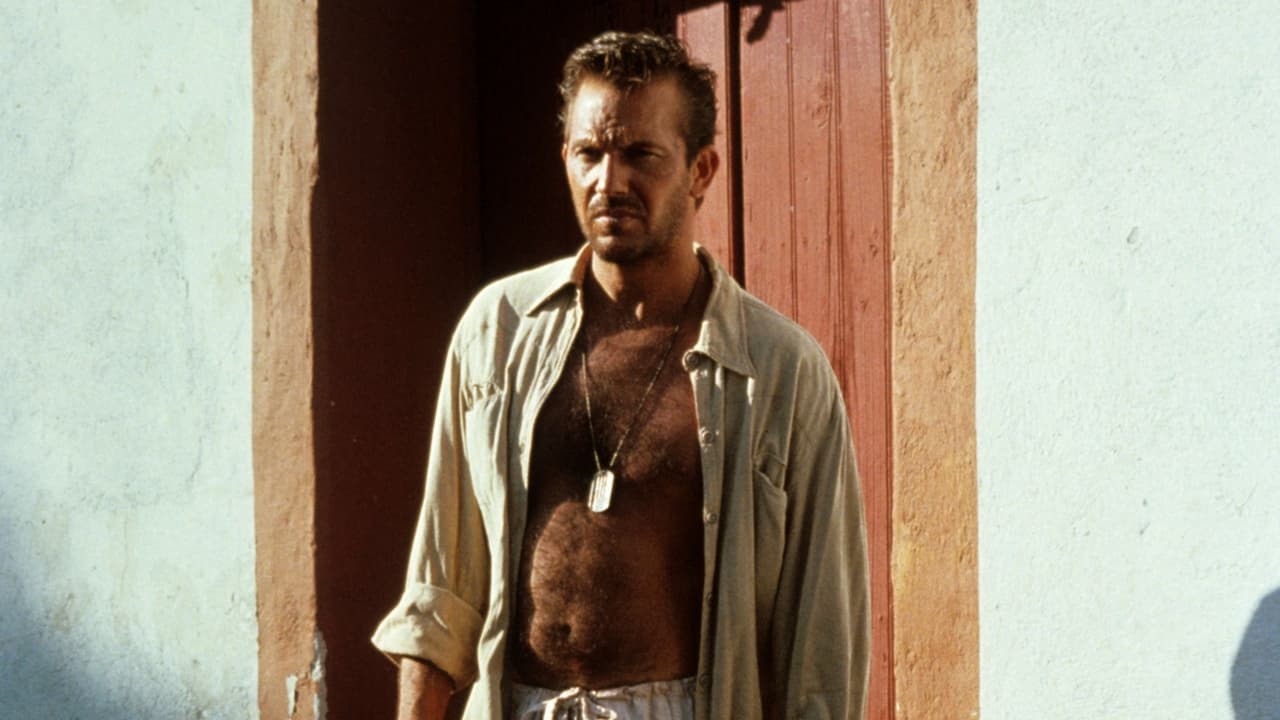
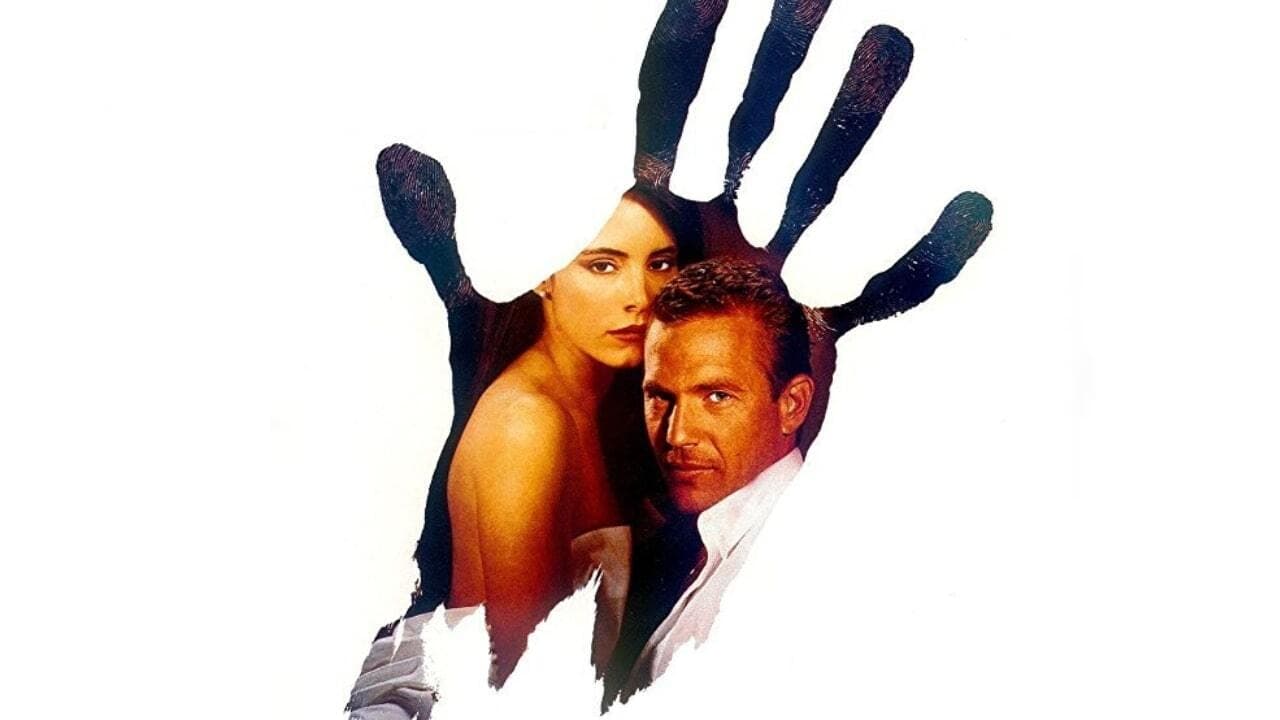
The performances are central to Revenge's impact. Kevin Costner, riding high between Field of Dreams (1989) and his looming triumph with Dances with Wolves (1990), brings a certain all-American decency to Cochran, which makes his descent into the murky depths of revenge all the more compelling. He’s initially out of his depth, a good man caught in a terrible situation, but the fire of vengeance transforms him. Yet, it's Anthony Quinn, the screen legend, who truly dominates. His Tibey isn't a simple villain; he's a complex figure operating under a warped code of honor, capable of both immense charm and terrifying cruelty. Quinn embodies this duality perfectly, his weathered face and commanding presence filling the screen. You understand his power, his possessiveness, and even, disturbingly, the twisted logic behind his actions. And Madeleine Stowe, as Miryea, is heartbreaking. She’s not merely a damsel or a femme fatale, but a trapped soul yearning for escape, whose desires lead to devastation. Her chemistry with Costner feels authentic, making the central betrayal deeply felt. The weight of her fate hangs heavy over the entire film.
Scott's Stylish Brutality
This was Tony Scott stepping away, somewhat, from the glossy high-octane thrills of Top Gun (1986) or Beverly Hills Cop II (1987). While his signature visual style is present – the saturated colours, the use of filters creating that perpetual golden hour glow even amidst the grit, the slow-motion emphasizing moments of impact – it serves a much darker master here. The beauty of the Mexican landscapes, gorgeously captured by cinematographer Jeffrey L. Kimball, acts as a stark counterpoint to the ugliness of human behavior. Scott doesn't shy away from the violence; it’s visceral and ugly, emphasizing the physical and emotional cost of Tibey's retribution and Cochran's subsequent quest. This wasn’t just stylized action; it felt grounded in painful reality. It's worth noting that many fans champion the longer, unrated director's cut (often found on later DVD/Blu-ray releases) which restores crucial character moments and context, arguably offering a more complete, albeit even more harrowing, experience than the R-rated version most rented back in the day.
Echoes of Harrison and Hard Choices
The film is based on a novella by the great Jim Harrison, an author known for his exploration of masculinity, nature, and primal urges. While Harrison reportedly wasn't entirely pleased with the adaptation, the film certainly retains a sense of that raw, elemental struggle. It asks difficult questions: What is honor? What are the limits of friendship? And ultimately, what does revenge achieve? Does Cochran’s pursuit bring any real solace, or just further destruction? There are no easy answers here, and the film leaves you contemplating the wreckage left behind. It’s a story less about the triumph of vengeance and more about its corrosive, hollowing effect.
Interestingly, despite the star power involved and Scott's proven box office draw, Revenge struggled to connect with wider audiences initially. It made back only about $15.6 million in the US on a reported $22 million budget. Perhaps its uncompromising bleakness and moral ambiguity were a tougher sell than expected. It has since found a solid following, a testament to its potent atmosphere and the strength of its central performances, particularly Quinn's towering presence. It feels like a film perfectly suited for that late-night video store discovery – something intense, adult, and unforgettable.
***
VHS Heaven Rating: 7/10
Revenge earns its rating through its palpable atmosphere, Tony Scott's distinctive visual flair applied to darker material, and powerhouse performances, especially from Anthony Quinn and Madeleine Stowe. It's a tough, often brutal film that doesn't offer easy resolutions, and while Kevin Costner embodies the central journey effectively, the pacing occasionally drags, and the sheer bleakness can be overwhelming. It's a potent, beautifully shot exploration of passion and violence that sticks with you, warts and all.
Final Thought: In the harsh light of the Mexican desert, Revenge reminds us that some fires, once lit, consume everything in their path, leaving only ashes and the ghosts of what might have been.