There's a certain kind of gloss that defined many late-80s thrillers, a sheen of wealth and sophistication overlaying something far darker beneath. Think expensive cars, sprawling estates, and beautiful people caught in webs of deceit. Few films captured this specific, seductive veneer quite like 1988's Masquerade. It wasn't just a title; it felt like a mission statement for a film where every smile might hide a motive, and every luxury serves as backdrop to potential betrayal. Sliding this tape into the VCR back then often felt like entering a world both alluring and dangerous, a perfect slice of Reagan-era suspense draped in summer whites.
Sun, Sails, and Suspicion
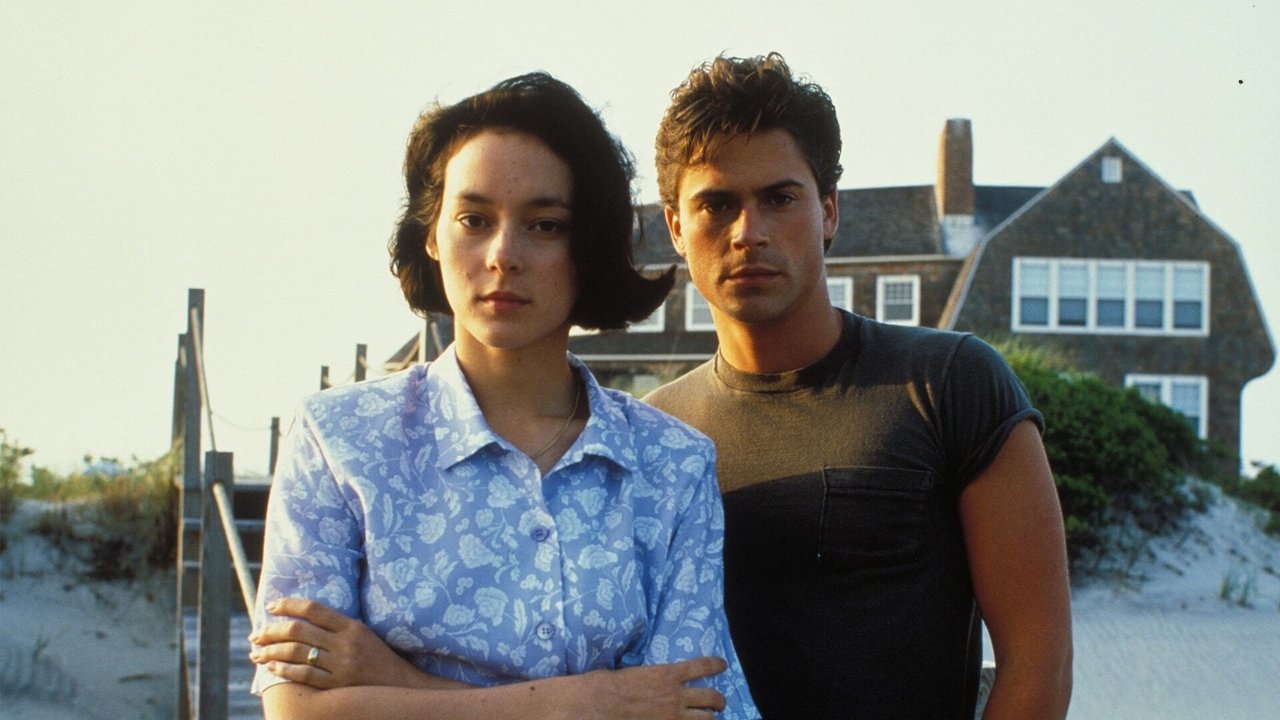
The setup is classic noir filtered through the privileged playground of the Hamptons. Olivia Lawrence (Meg Tilly) is a young, impossibly wealthy heiress, recently orphaned and navigating a world populated by potential predators. Enter Tim Whalan (Rob Lowe), a charismatic yacht-racing skipper whose charm is as potent as the summer sun. Their whirlwind romance seems like a fairy tale, but Olivia's brutish, alcoholic stepfather, Tony Gateworth (John Glover), and a suspicious local cop, Mike McGill (Doug Savant), sense something amiss beneath Tim's easy smile. Add Kim Cattrall as Brooke Morrison, Gateworth's calculating wife, and the stage is set for a slow-burn game of desire, deception, and murder.
Director Bob Swaim, who gave us the gritty French crime film La Balance (1982), brings a surprisingly measured, almost European sensibility to this American thriller. He lets the atmosphere of the Hamptons – the glistening water, the opulent homes, the inherent insularity of extreme wealth – do much of the heavy lifting. The camera lingers on stolen glances and quiet moments, building tension not through frantic action, but through accumulating doubt and the unsettling feeling that nothing is quite what it seems. It’s less a whodunit and more a 'what are they really up to?' which allows the characters room to breathe, and to deceive.
Faces Behind the Masks
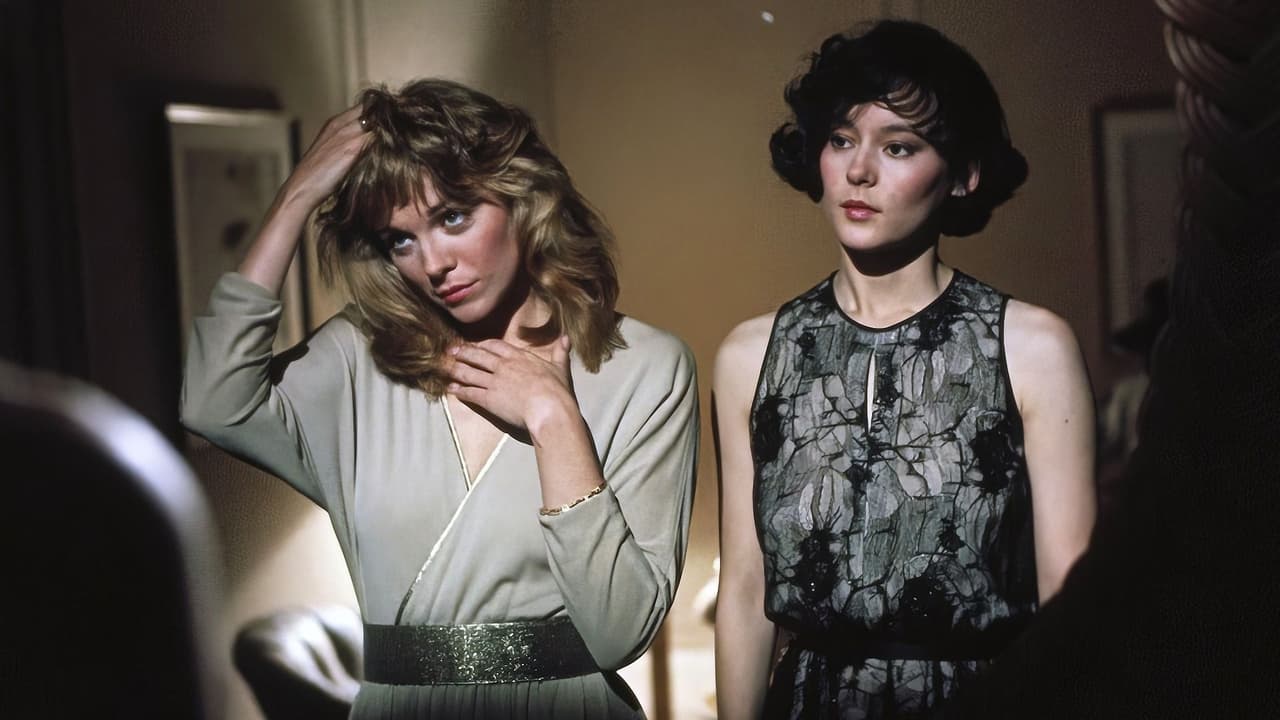
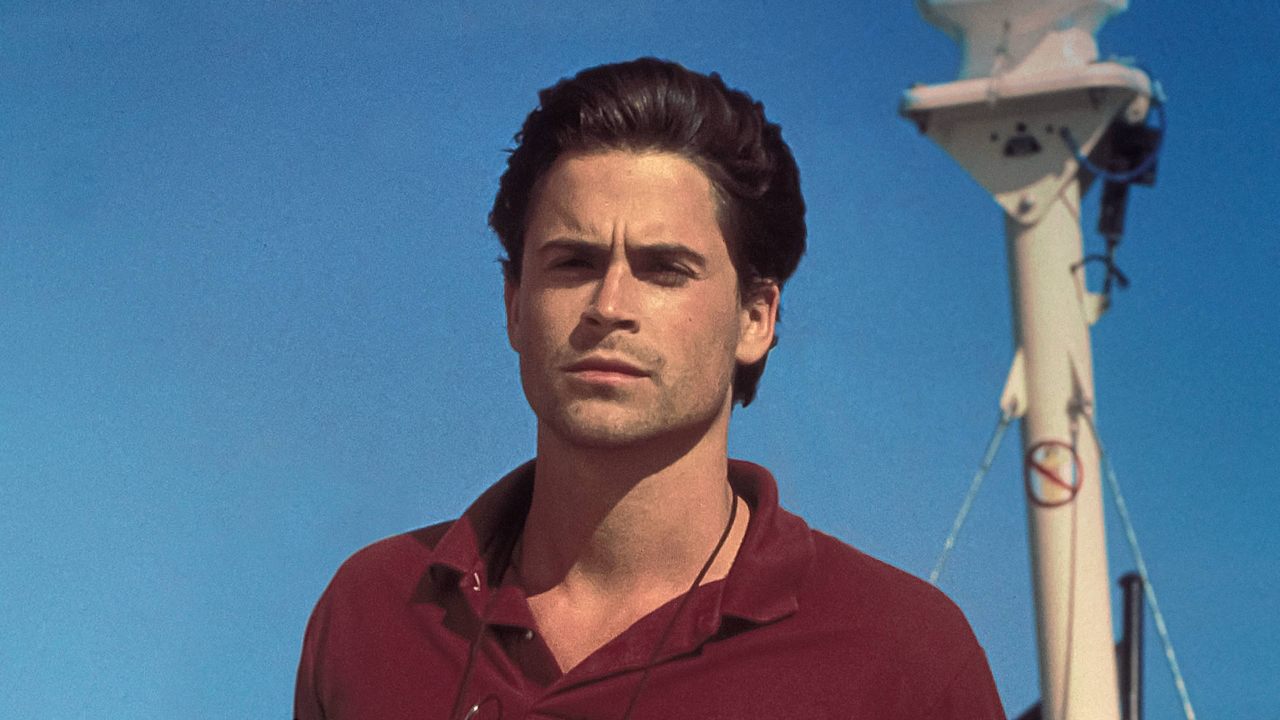
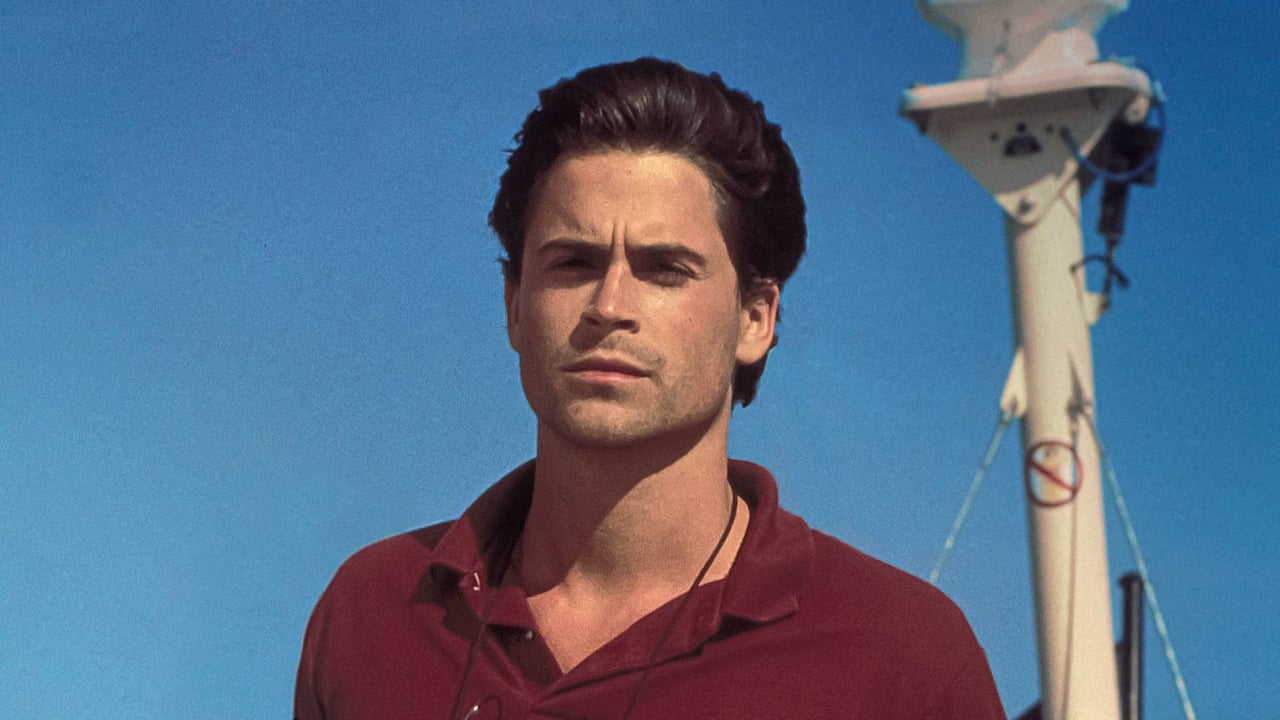
The performances are key to Masquerade's effectiveness. Rob Lowe, then at the zenith of his heartthrob status, is perfectly cast. He weaponizes his good looks and inherent likability, making Tim Whalan instantly appealing yet simultaneously raising red flags. Is he genuinely smitten, or is he the ultimate opportunist? Lowe navigates this ambiguity brilliantly, making his character the film's central enigma. You want to trust him, even as the evidence suggests you shouldn't.
Opposite him, Meg Tilly embodies Olivia's vulnerability with a quiet grace that feels utterly authentic. She isn't just a damsel in distress; there's a core of awareness beneath her fragility, a young woman burdened by wealth and wary of the motives of those around her. Her chemistry with Lowe feels tentative and real, adding weight to the central relationship. John Glover is reliably unnerving as the boorish stepfather, a figure of blunt menace, while Kim Cattrall, pre-Sex and the City, delivers a sharp, memorable turn as a woman who clearly knows how to play the game.
Unmasking the Production
It's fascinating to note that the screenplay bears the name of Dick Wolf, years before he would become synonymous with the Law & Order empire. You can perhaps see the nascent interest in procedural elements and character motivations here, even within this more glamorous framework. Co-written with Larry Brody, the script carefully lays out its pieces, relying more on character interaction and atmospheric tension than shocking twists, though the inevitable reversals do arrive.
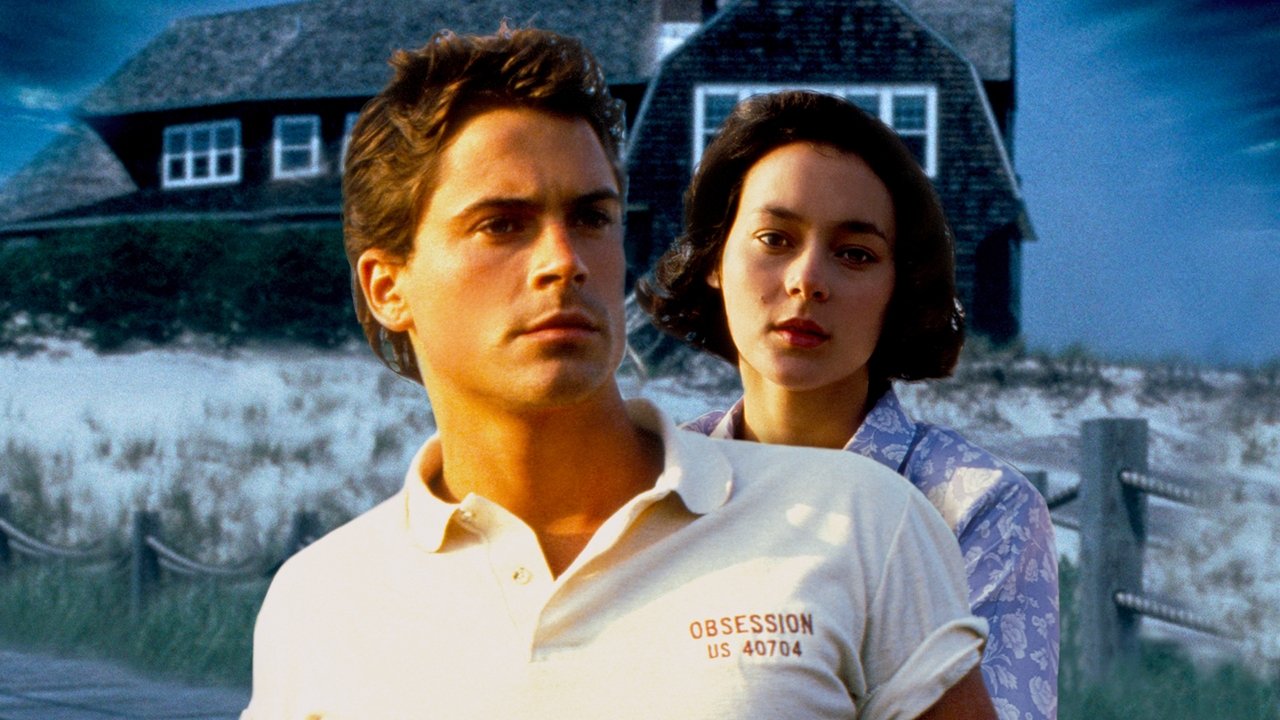
Filmed largely on location in the Hamptons (East Hampton, Sagaponack, Southampton), the film leverages its setting beautifully. The visuals, captured by veteran cinematographer David Watkin (Out of Africa, Chariots of Fire), possess a sun-drenched quality that contrasts effectively with the darkening plot. And who better to score this blend of romance and suspense than the legendary John Barry? His score is typically lush and evocative, adding another layer of sophisticated unease. While Masquerade performed modestly at the box office (around $15.8 million), it found a solid life on home video, becoming one of those reliable weekend rentals for thriller fans – the kind of tape whose slightly worn cover promised intrigue and style. Remember that tagline? "Deception. Desire. Murder. Everyone wears a disguise." It perfectly summed up the appeal.
Beneath the Surface
What lingers after watching Masquerade today? Beyond the nostalgic pull of its specific late-80s aesthetic, it’s the film’s thoughtful exploration of trust and the corrupting nature of immense wealth. Olivia is trapped by her inheritance as much as she benefits from it, making her inherently suspicious of affection. Can genuine connection blossom in an environment so defined by acquisition and status? The film doesn't offer easy answers, letting the ambiguity hang in the salt-laced air. It plays its cards deliberately, building to a climax that feels earned, if perhaps not entirely surprising to seasoned genre watchers. Does the allure of wealth inevitably invite deception, or does it merely reveal the masks people were already wearing?
Compared to the more visceral thrillers of the era like Fatal Attraction (1987), Masquerade feels almost stately, favoring psychological tension over jump scares. It’s a confident, well-crafted piece that relies on mood, performance, and its compelling central question: who can you truly trust when everyone seems to be playing a part?
Rating: 7/10
Masquerade earns its score through its potent atmosphere, strong performances (especially from Lowe and Tilly), stylish direction, and effective use of its Hamptons setting. While the plot mechanics might feel somewhat familiar four decades later, the execution remains slick and engaging. It perfectly embodies the glossy, character-driven thrillers of its time, offering suspense wrapped in sophistication.
It’s a film that reminds us that sometimes the most dangerous currents lie just beneath the most beautiful surfaces, a truth as relevant on the shores of the Hamptons then as it is anywhere today.