It’s a particular kind of quiet that settles over you after watching a film like Tony Luraschi’s The Outsider. Not the satisfied silence of a neatly resolved plot, but the heavy quiet of contemplation, the kind that follows a stark encounter with uncomfortable truths. Released in 1983 but set firmly in the harrowing landscape of 1973 Belfast during The Troubles, this isn't your typical VHS-era fare. It doesn't offer easy answers or cathartic release; instead, it drops you headfirst into the murky waters of idealism poisoned by reality, a theme that feels chillingly relevant even decades later.
An American Idealist in a Tangled Web
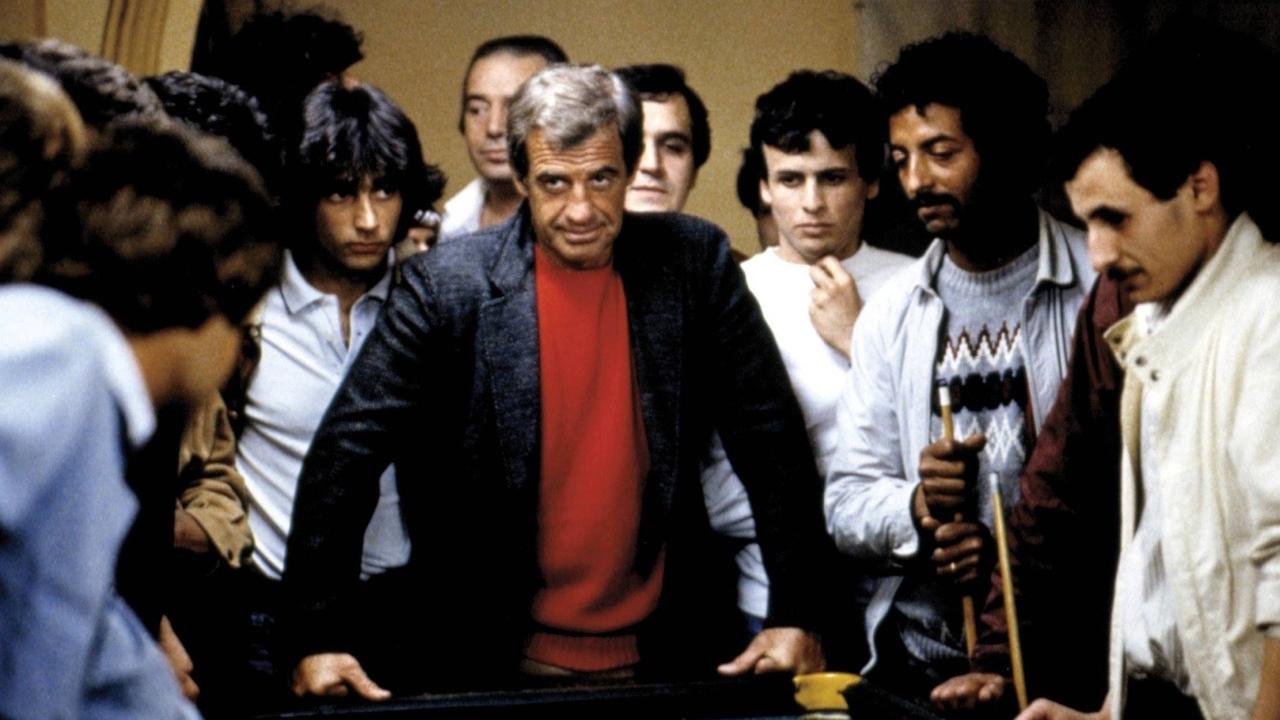
The film follows Michael Flaherty, played with a potent mix of naivete and simmering anger by Craig Wasson (whom many might remember from Brian De Palma's Body Double around the same time). A disillusioned Vietnam vet, Flaherty journeys to Ireland seeking connection with his ancestral roots, carrying romantic notions about the "cause" and eager to lend his military skills to the Provisional IRA. He arrives believing he understands the fight, only to find himself a pawn in a brutal, complex conflict far removed from the clear-cut narratives he imagined. What unfolds is a grim education in the human cost of political violence, stripped bare of heroic gloss.
No Romance in This Rebellion
What makes The Outsider stand out, especially looking back from our vantage point, is its refusal to romanticize the IRA or the conflict. Based on the novel by co-writer Colin Leinster, the film presents a bleak, street-level view of The Troubles. Director Tony Luraschi crafts an atmosphere thick with paranoia and sudden violence. There are no thrilling action sequences here, only clumsy, desperate acts often resulting in civilian casualties. Flaherty’s initial zeal quickly sours as he witnesses the internal politics, the casual brutality, and the devastating impact on ordinary lives. The film dares to suggest that motivations, even those born from perceived injustice, can become corrupted, and that violence begets only more violence. It’s a perspective that was undoubtedly controversial upon its release and likely contributed to its relative obscurity compared to more escapist 80s cinema.
A Legend's Farewell
The performances are central to the film's power. Craig Wasson effectively conveys Flaherty's gradual disillusionment, his eyes reflecting the dawning horror of his situation. But it's Sterling Hayden, in his final screen role, who anchors the film with immense gravitas. Playing Flaherty’s grandfather, Seamus, a former IRA man himself, Hayden embodies weary wisdom born from bitter experience. His towering presence and world-weary delivery provide a crucial counterpoint to Michael’s misguided fervor. Knowing this was Hayden’s last cinematic contribution – a man whose screen presence defined films like The Killing and Dr. Strangelove – lends his performance an extra layer of poignant finality. His scenes with Wasson are filled with unspoken history and regret, a quiet lament for lost generations caught in cycles of conflict.

Grit Over Glamour: Production Notes
Filmed largely on location in Dublin and County Wicklow, standing in for the more dangerous Belfast of the era, The Outsider achieves a remarkable sense of authenticity. The filmmakers effectively recreate the drab, tense atmosphere of a city under siege. There’s a deliberate lack of polish; the cinematography feels grounded, observational, capturing the grim realities without flinching. This wasn't a big-budget Hollywood production; its independent spirit allows for a more critical, less compromised viewpoint. Reportedly facing difficulties due to its sensitive subject matter, its journey to the screen was not straightforward, mirroring the complexities it depicts. This commitment to realism, even under challenging circumstances, is palpable and contributes significantly to the film's lasting impact.
Why It Lingers
The Outsider doesn't offer the escapism often sought in trips down VHS memory lane. It’s a demanding watch, forcing viewers to confront the messy, often ugly realities behind political slogans and romantic notions of rebellion. What does it mean to be an outsider intervening in a conflict you don't fully grasp? How easily can idealism curdle into extremism? These aren't comfortable questions, but the film poses them with sincerity and a refusal of easy moralizing. It’s a stark reminder that the human cost of conflict is rarely confined to the battlefield and that disillusionment can be the harshest lesson of all. It's the kind of film that might have sat quietly on the shelf at the video store, easily overlooked next to the flashy blockbusters, but contained a power that belied its unassuming cover box.
Rating: 7/10
The Outsider earns a solid 7 out of 10. It's a powerful, well-acted, and unflinchingly grim portrayal of a specific, brutal historical moment, anchored by Craig Wasson's central performance and the legendary Sterling Hayden's final, memorable turn. Its challenging themes and bleak realism might make it a difficult watch for some, and its pacing occasionally reflects its deliberate, non-sensationalist approach. However, its refusal to simplify or romanticize the conflict gives it enduring weight.
This is a film that stays with you, a stark piece of 80s political filmmaking that deserves to be pulled from the dusty shelves of memory and reconsidered for its courage and its cautionary tale. It’s a potent reminder that sometimes, the most profound stories are the ones that leave us quiet and thoughtful long after the tape stops rolling.