Ah, the early 90s. A time when suburban bliss often came with a healthy dose of chaos, perfectly encapsulated on fuzzy VHS tapes watched on Saturday afternoons. And few films captured that specific brand of family-friendly pandemonium quite like 1992’s Beethoven. It wasn't just the sheer size of the titular St. Bernard that filled the screen; it was the surprising creative force behind the story – none other than John Hughes, the maestro of teen angst (The Breakfast Club, Ferris Bueller's Day Off), writing under the rather literary pseudonym Edmond Dantès (yes, the Count of Monte Cristo!). Partnered with Amy Holden Jones (Mystic Pizza), they crafted a canine caper that burrowed its way into the hearts of families everywhere, one giant paw print at a time.

### When a Furry Titan Invades Suburbia
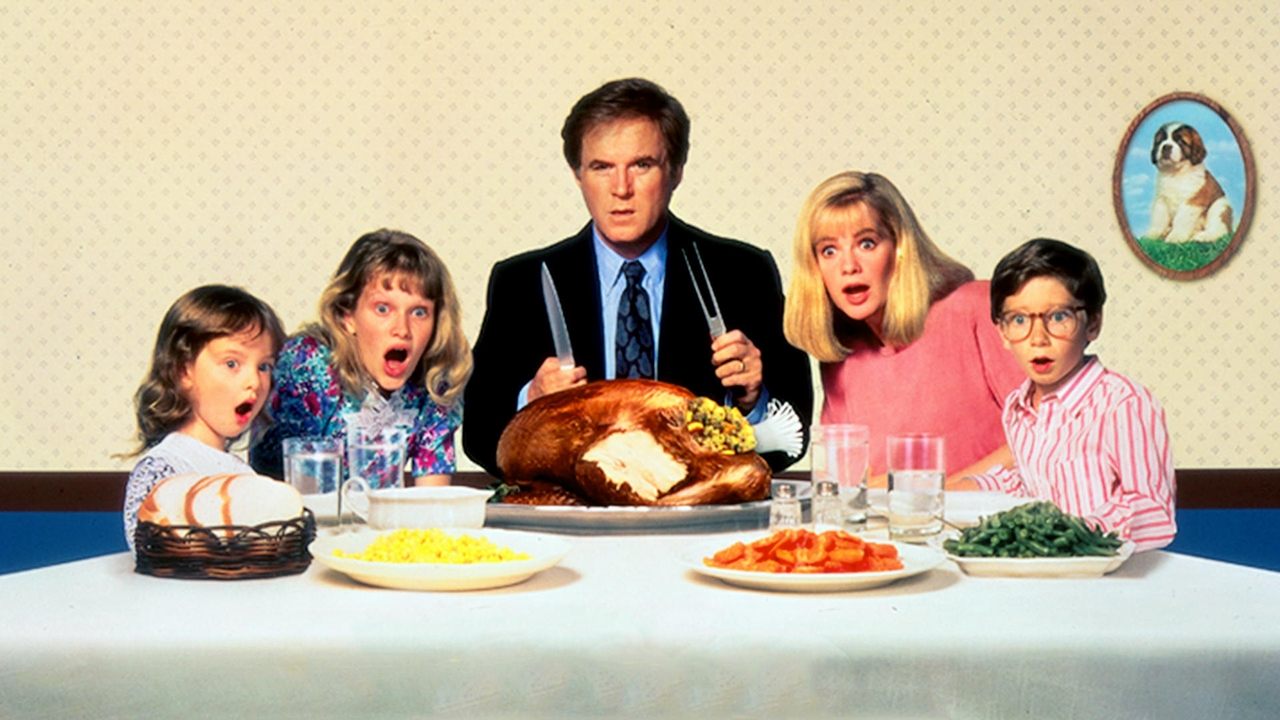
The setup is classic Americana: the idyllic Newton family, living the suburban dream. There’s Alice (Bonnie Hunt, radiating warmth and patience), the loving matriarch; kids Ryce, Ted, and Emily, each navigating their own childhood dramas; and then there's George. Oh, George Newton. Played to perfection by the master of comedic exasperation, Charles Grodin, George is the quintessential uptight dad, obsessed with order, cleanliness, and his successful air freshener business. His meticulously controlled world is irrevocably shattered when a fluffy, adorable St. Bernard puppy wanders into their lives and, despite George's vehement protests, quickly grows into a 185-pound engine of slobbery destruction and unconditional love.
Grodin’s performance is truly the anchor of the film. His mounting frustration, his muttered complaints, his desperate attempts to maintain control in the face of overwhelming canine enthusiasm – it’s a masterclass in relatable parental angst. We see the film largely through his increasingly frazzled eyes, making his eventual, inevitable bonding with Beethoven all the more satisfying. Bonnie Hunt provides the perfect counterbalance, grounding the family with her gentle understanding and quiet amusement at her husband's predicament.
### More Than Just Drool and Destruction
While much of the comedy comes from Beethoven’s sheer size leading to predictable (but still funny!) slapstick – the muddy paw prints on the pristine white carpet, the disastrous dinner party infiltration, the sheer volume of drool – there's a slightly darker undercurrent thanks to the film's villain. Enter Dr. Herman Varnick, played with delightfully sinister glee by Disney legend Dean Jones. Known for his wholesome roles in films like The Love Bug (1968), seeing Jones as a cruel veterinarian running unethical animal experiments was genuinely jarring back then. His scheme to acquire Beethoven for a deadly ammunition test provides the film's central conflict, turning the lighthearted family comedy into a surprisingly tense rescue mission in its final act. It’s a simple good vs. evil plot, but Jones’ performance elevates Varnick beyond mere caricature into someone you genuinely love to hate.
### Retro Fun Facts: Unleashing the Beast

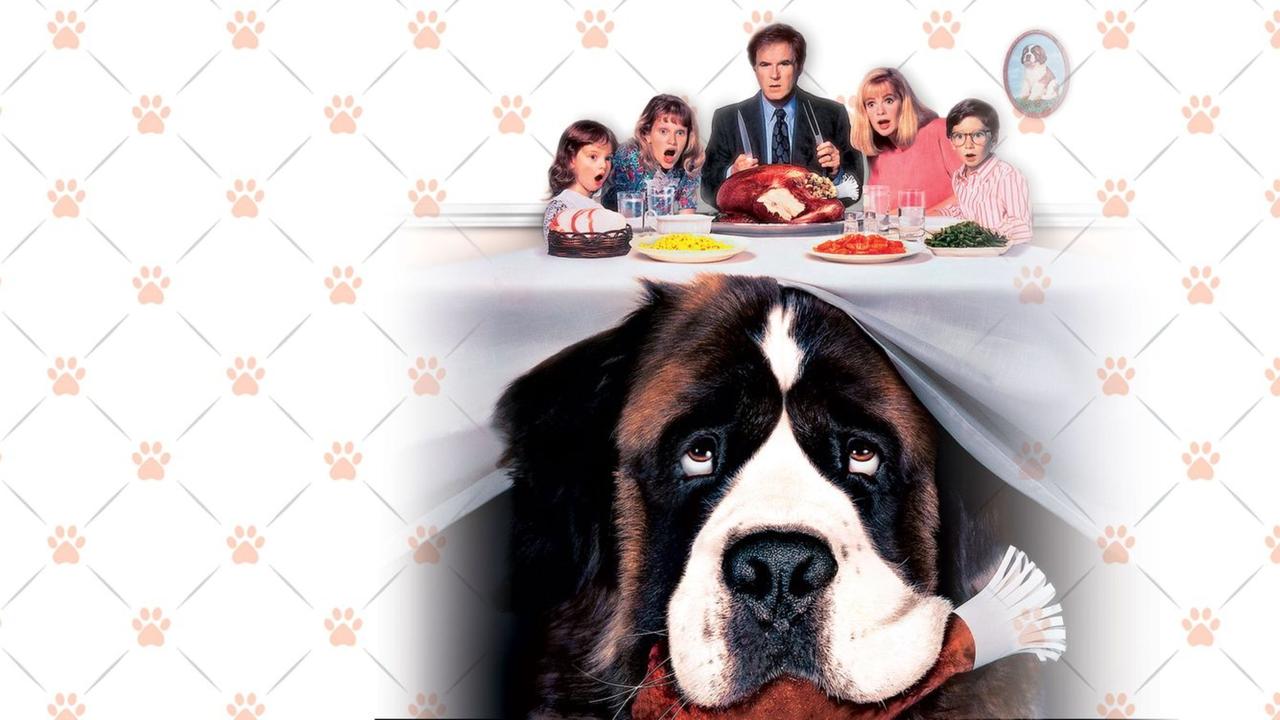
Behind the camera, director Brian Levant, who would go on to helm other family-friendly fare like The Flintstones (1994), keeps things moving at a brisk, cheerful pace. The film knows exactly what it is: a feel-good family adventure. Its production wasn't without its challenges, primarily centering around working with its canine star(s). The main dog actor was reportedly a St. Bernard named Chris, though like most animal roles, several doubles were likely used for different actions and stunts. Imagine the continuity juggling!
John Hughes’ involvement under the Dantès pseudonym was apparently due to contractual obligations elsewhere, but his fingerprints are subtly present in the witty dialogue and the underlying themes of family connection. The film was a surprise hit, slobbering its way to a hefty $147.2 million worldwide gross against a modest $18 million budget (that's nearly $320 million today!), proving audiences had a huge appetite for heartwarming chaos. Its success inevitably led to a slew of direct-to-video sequels, cementing Beethoven as a furry franchise fixture of the 90s video store landscape. I distinctly remember seeing that chunky Beethoven VHS tape practically glued into our family VCR for a solid month after we first rented it.
### A Timeless Tale of Tail Wags and Togetherness
Does Beethoven hold up? Absolutely, if viewed through the lens of nostalgic affection. It’s predictable, sure. The plot beats are familiar, the villain is broadly drawn, and the sentimentality is laid on thick. Yet, there's an undeniable charm to its simplicity. It captures that specific early 90s aesthetic and family dynamic with warmth and humor. The practical effects – mostly involving a very large, very real dog causing very real messes – feel refreshingly tangible compared to today's CGI creations. Remember how impressive just seeing that giant dog navigate a normal house felt back then?
Beyond the laughs and the slobber, Beethoven taps into universal themes: the unconditional love of a pet, the importance of family unity, standing up for the voiceless, and learning to let go of rigid expectations to embrace life's wonderful, messy surprises. Grodin’s journey from dog-hater to dog-defender remains genuinely touching.
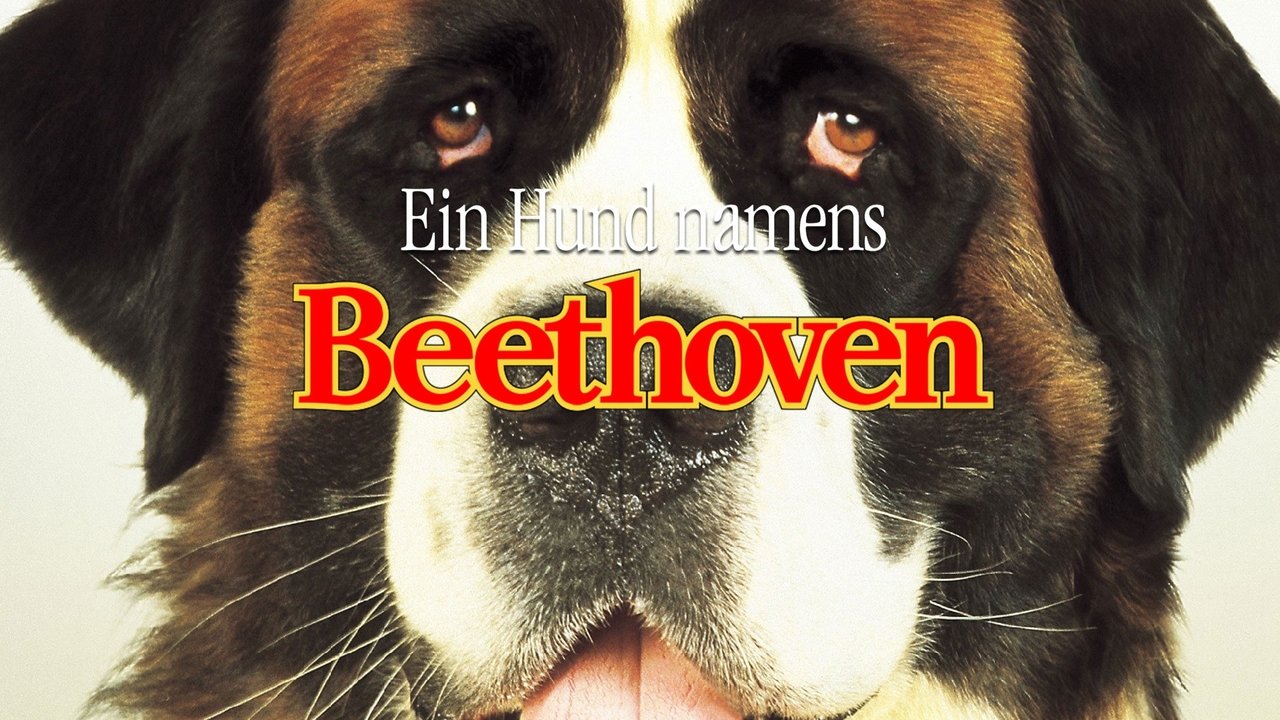
VHS Heaven Rating: 7/10
Beethoven earns a solid 7 for delivering exactly what it promises: a funny, heartwarming family film powered by a legendary comedic performance from Charles Grodin and the irresistible charm of a giant, drooling dog. While perhaps not high art, it’s expertly crafted comfort food cinema. Its blend of slapstick, genuine heart, and a dash of villainous intrigue made it a smash hit, and its success speaks volumes about its simple, effective formula. It might be predictable, but its warmth and Grodin's pitch-perfect exasperation make it endlessly rewatchable.
For many of us, Beethoven wasn't just a movie; it was a cherished piece of 90s childhood, a reminder that sometimes the biggest messes bring the biggest joys. Now, who wants to clean up this drool?