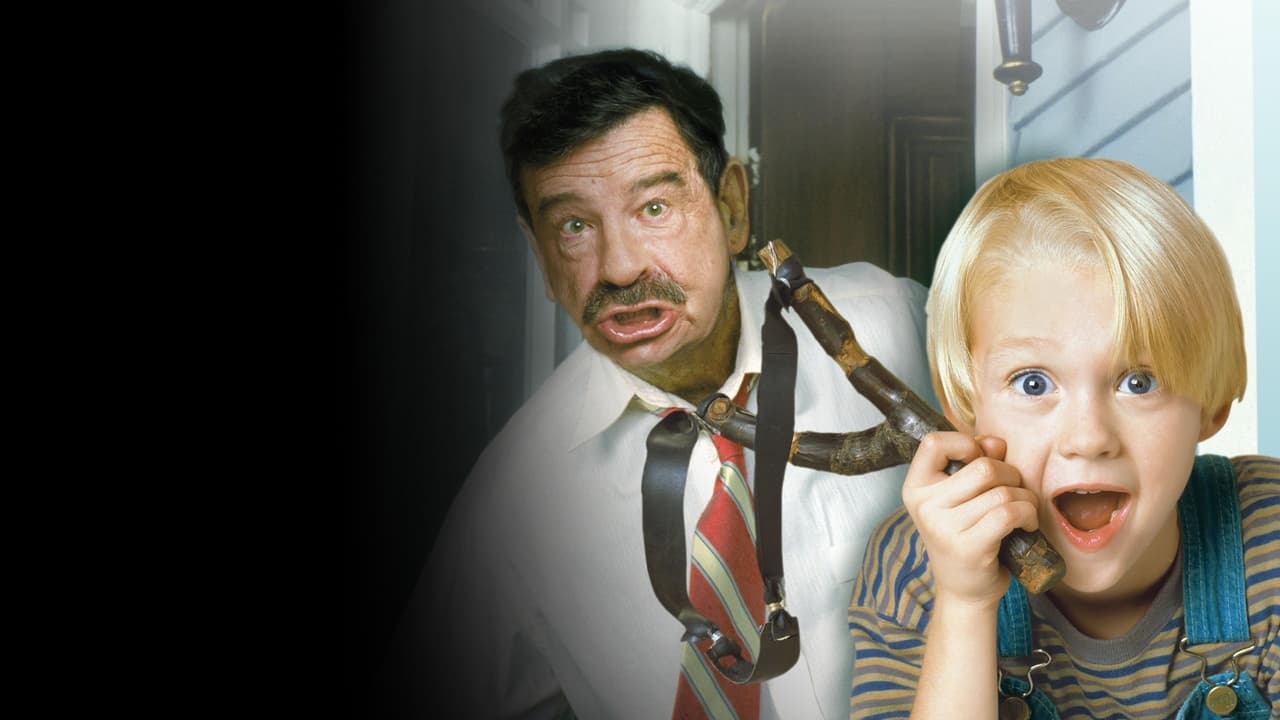
Okay, fellow tape rewinders, let's talk about a certain blonde-haired whirlwind who terrorized exactly one suburban neighbour with the destructive force of a small, well-meaning hurricane. Slide that worn copy of Dennis the Menace (1993) into the VCR slot – you can almost hear the whir and click, can't you? This wasn't just another kid's movie; it felt like a comic strip panel blown up large on our fuzzy CRT screens, brought to life with a surprising amount of heart, thanks largely to two key figures: the legendary John Hughes behind the script and the inimitable Walter Matthau grumbling his way into cinematic history as Mr. Wilson.
### More Than Just Slingshots and Spilled Paint
While John Hughes might be forever linked to teen angst anthems like The Breakfast Club (1985) and Ferris Bueller's Day Off (1986), his affinity for childhood chaos and suburban landscapes, based on Hank Ketcham's beloved long-running comic strip, shines through here. Hughes, reportedly a huge fan of the original strip since his own childhood, penned this adaptation, bringing his signature blend of slapstick and surprising warmth. It lacks the sharper edges of his earlier work, settling into a more comfortable, family-friendly groove, but his fingerprints are all over it – the idyllic neighbourhood setting, the slightly clueless but loving parents (Lea Thompson and Robert Stanton doing their best), and the central conflict between youthful exuberance and adult exasperation. You can almost picture Hughes chuckling as he dreamed up new ways for Dennis to inadvertently dismantle Mr. Wilson's carefully ordered life. Filming predominantly in Evanston, Illinois – a quintessential Hughes backdrop – certainly helped cement that familiar feeling, even if the perfect houses were mostly facades built for the movie.
### Matthau IS Mr. Wilson
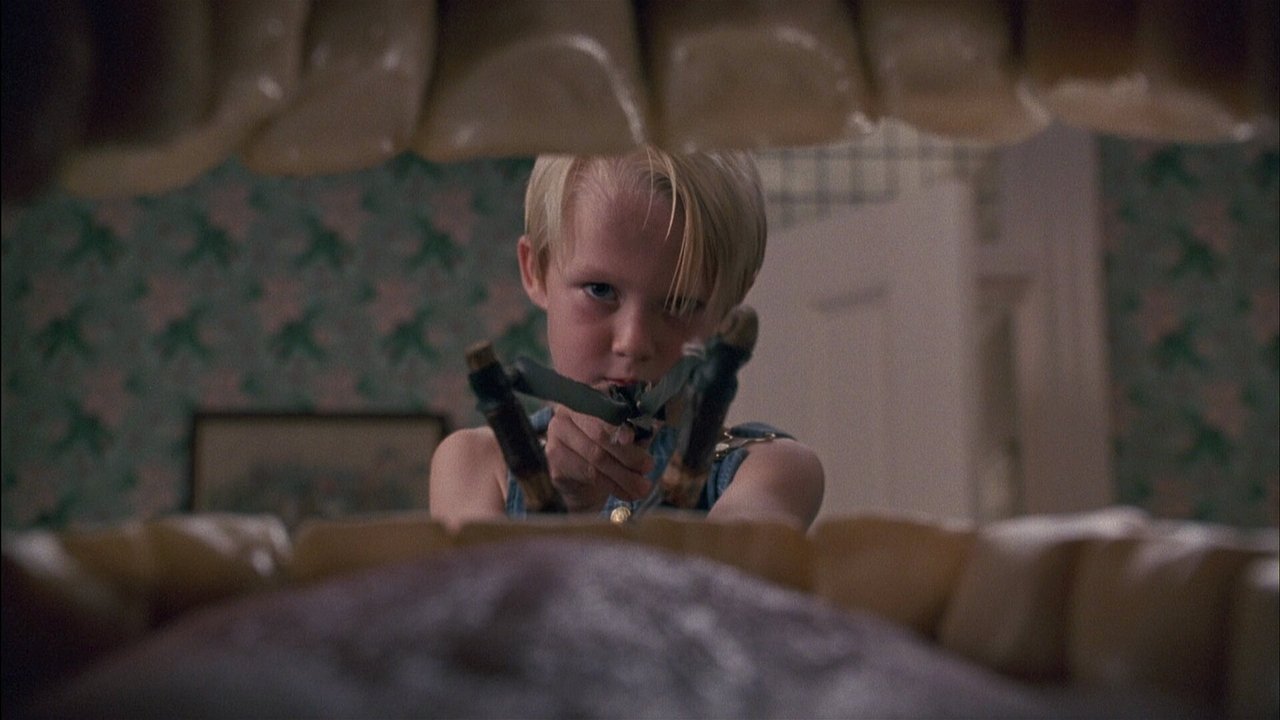
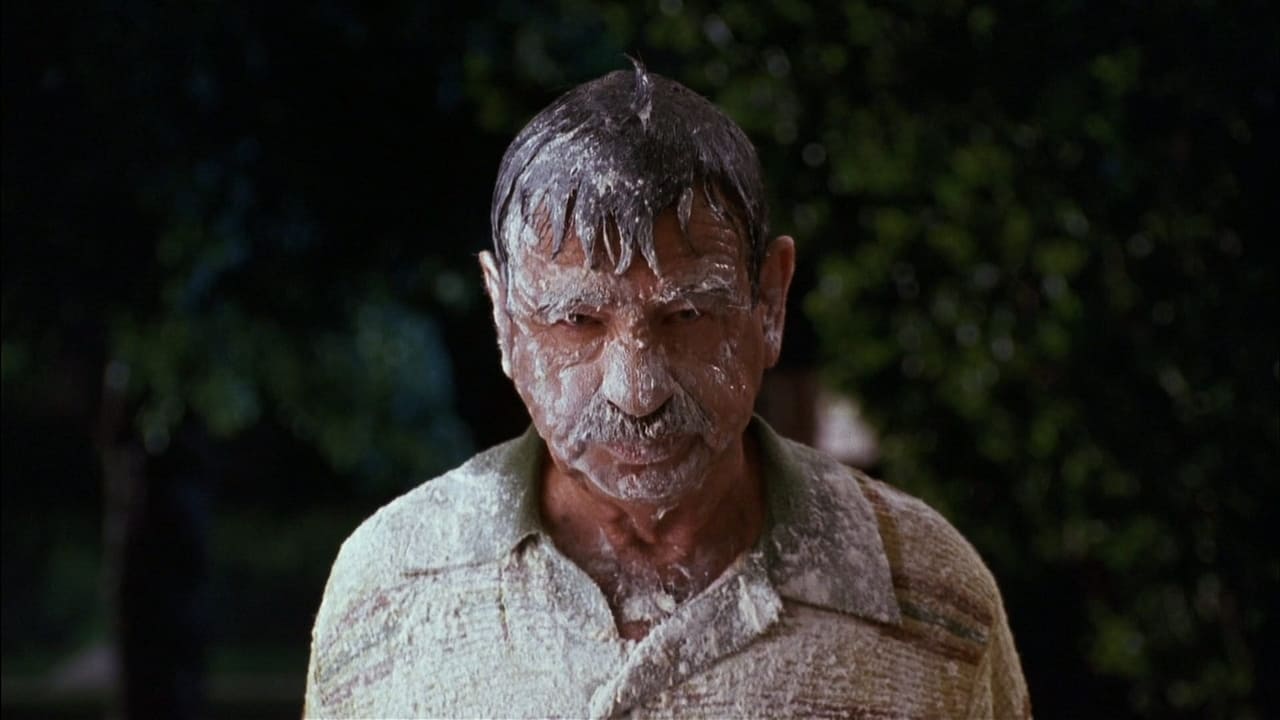
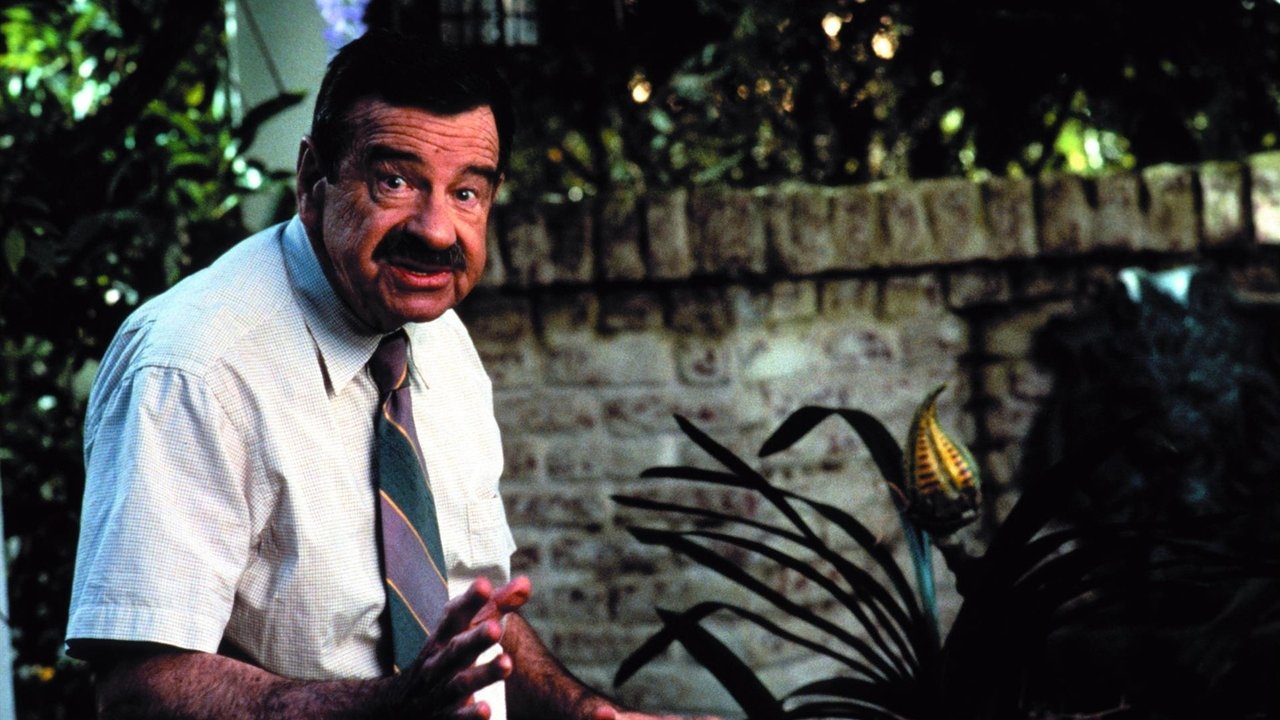
Let's be honest, the absolute masterstroke of this film is casting Walter Matthau as George Wilson. Has there ever been a more perfect embodiment of curmudgeonly suffering? Matthau, already a screen legend known for his impeccable comedic timing in films like The Odd Couple (1968), doesn't just play Mr. Wilson; he inhabits him. Every sigh, every muttered curse under his breath, every vein threatening to pop in his temple feels hilariously, painfully real. He elevates the simple premise, making George not just a victim of Dennis's antics, but a genuinely sympathetic character whose desire for peace and quiet is constantly, comically thwarted. His interactions with young Mason Gamble (more on him in a moment) are the core of the film, a masterclass in exasperated reactions. Reportedly, Matthau wasn't initially thrilled about working so closely with a child actor for such long stretches, but eyewitness accounts suggest a grudging fondness developed, mirroring the on-screen dynamic rather sweetly.
### Capturing the Menace
Finding the right Dennis was crucial, and after a search that apparently saw producers looking at around 20,000 hopefuls, they landed on newcomer Mason Gamble. And you know what? He nails it. He captures that wide-eyed innocence masking a Tigger-like bounce of pure, unintentional destruction. He’s not malicious, just perpetually operating on a different, much faster, and infinitely more chaotic frequency than everyone else. Gamble holds his own remarkably well against a veteran like Matthau, delivering his lines with guileless sincerity even as he's about to trigger another household catastrophe. It’s a performance that feels authentic to the spirit of Ketcham's creation – a kid who means well but leaves a trail of broken flowerpots and accidental mayhem in his wake.
### Slapstick, Suburbia, and Switchblade Sam
Director Nick Castle, interestingly the man who embodied Michael Myers behind the mask in much of John Carpenter's Halloween (1978), handles the proceedings with a bright, almost storybook aesthetic. The neighbourhood looks impossibly perfect, the colours pop, and the slapstick, while sometimes bordering on cartoonish (think projectile aspirin, collapsing trees), feels refreshingly physical. Remember those scenes? The overflowing paint, the flooded basement – these were practical gags, relying on timing and clever set-ups rather than digital trickery. It gives the comedy a tangible quality that feels very much of its time.
Then there's Christopher Lloyd, popping up as the grimy, menacing (but ultimately inept) drifter, Switchblade Sam. Fresh off his iconic run as Doc Brown in the Back to the Future trilogy, Lloyd brings his signature intensity, dialed down to a more grubby, opportunistic level. He adds a necessary touch of actual peril to the third act, even if his character feels like a slightly more dangerous version of the bumbling burglars from another Hughes-penned hit, Home Alone (1990). His interactions with Dennis provide some of the film's biggest laughs, contrasting Sam's intended menace with Dennis's oblivious innocence. And let’s not forget the ever-wonderful Joan Plowright as Martha Wilson, the patient, understanding counterpoint to George's perpetual grumbling. Her gentle warmth provides a crucial balance.
### A Box Office Neighbor
Upon release, Dennis the Menace wasn't exactly a critical darling – some reviewers found the constant torment of Mr. Wilson a bit mean-spirited for a family film. But audiences didn't seem to mind. Pulling in over $117 million worldwide against a $35 million budget, it was a bona fide hit, proving the timeless appeal of the character and the reliable draw of a John Hughes family comedy script paired with a beloved star like Matthau. For many of us, the VHS tape became a fixture, a reliable go-to for a dose of 90s nostalgia and laughs, especially watching Matthau's slow burns. It might not have spawned a long-running theatrical franchise (though a direct-to-video sequel followed years later), but its place in the pantheon of 90s family staples is secure.
Rating: 7/10
Justification: While the plot is fairly predictable and the humour relies heavily on slapstick aimed squarely at Mr. Wilson's misfortune, the film succeeds brilliantly thanks to Walter Matthau's legendary performance, pitch-perfect casting for Dennis, and the undeniable charm of John Hughes's suburban vision. It perfectly captures the look and feel of the comic strip with a warmth that elevates it beyond mere gags.
Final Take: Dennis the Menace is pure, unadulterated 90s family comfort food. It’s a time capsule of practical comedy, pre-digital suburban dreams, and the unmatched joy of watching Walter Matthau react to chaos – a reminder that sometimes, the most memorable special effect is just a perfectly timed exasperated sigh. Still a fun watch when you need a dose of harmless G-rated havoc.