Remember the first time you saw animation truly move? Not just character motion, but the camera itself swooping and diving with breathtaking freedom? For many of us plugging tapes into the VCR around 1990, The Rescuers Down Under offered exactly that jolt. It felt different, slicker, more dynamic than almost anything that had come before it from Disney's animation studios, kicking off the decade with a vibrant, sun-drenched adventure that still feels exhilarating today.

### A Familiar Duo Takes Flight Again
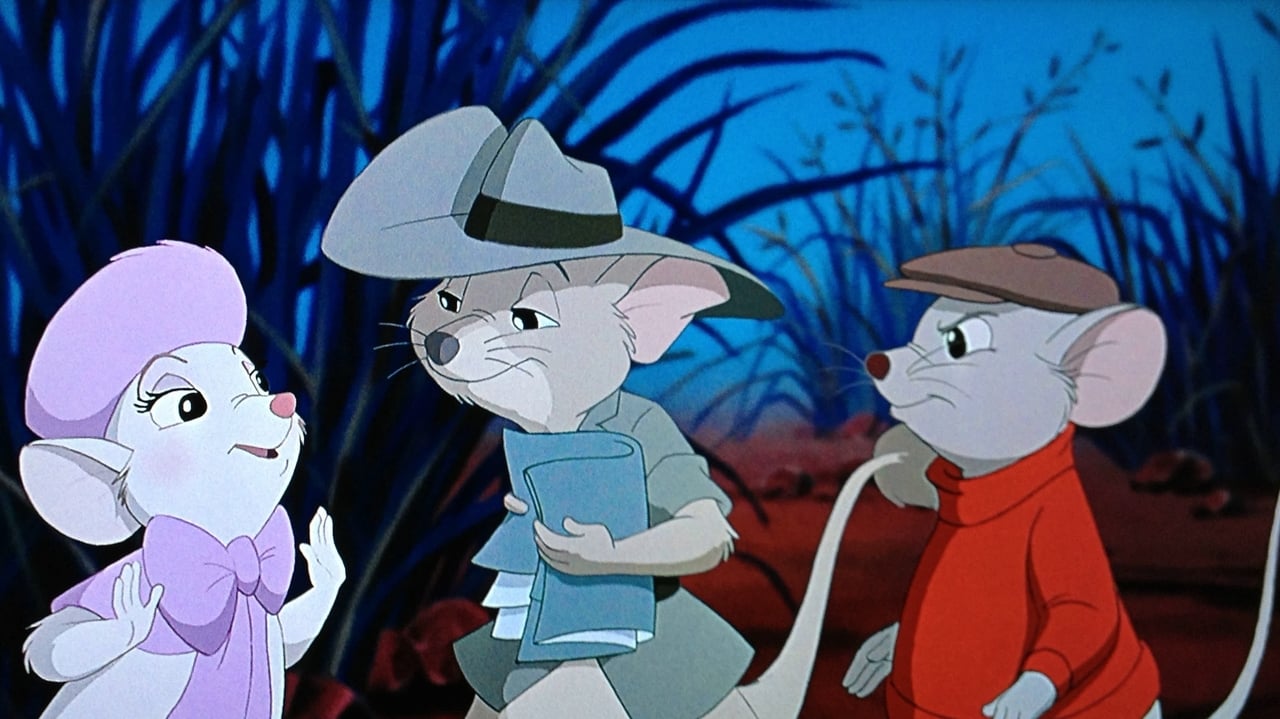
Thirteen years after their charming debut in The Rescuers (1977), the Rescue Aid Society’s bravest mice, Bernard and Miss Bianca, were back. And thankfully, so were the inimitable voices of Bob Newhart and Eva Gabor. Hearing Newhart’s perfectly timed stammers as the cautious-but-courageous Bernard, paired with Gabor’s elegant, sophisticated Miss Bianca (in what would sadly be her final film role), is like welcoming back old friends. Their chemistry remains effortlessly delightful, the heart of the film even amidst the grand spectacle. This time, their mission takes them far from the gloomy Devil’s Bayou to the vast, sunburnt landscapes of the Australian Outback, summoned to rescue a young boy named Cody who's been snatched by a ruthless poacher.
### Welcome to the Outback, Mate!
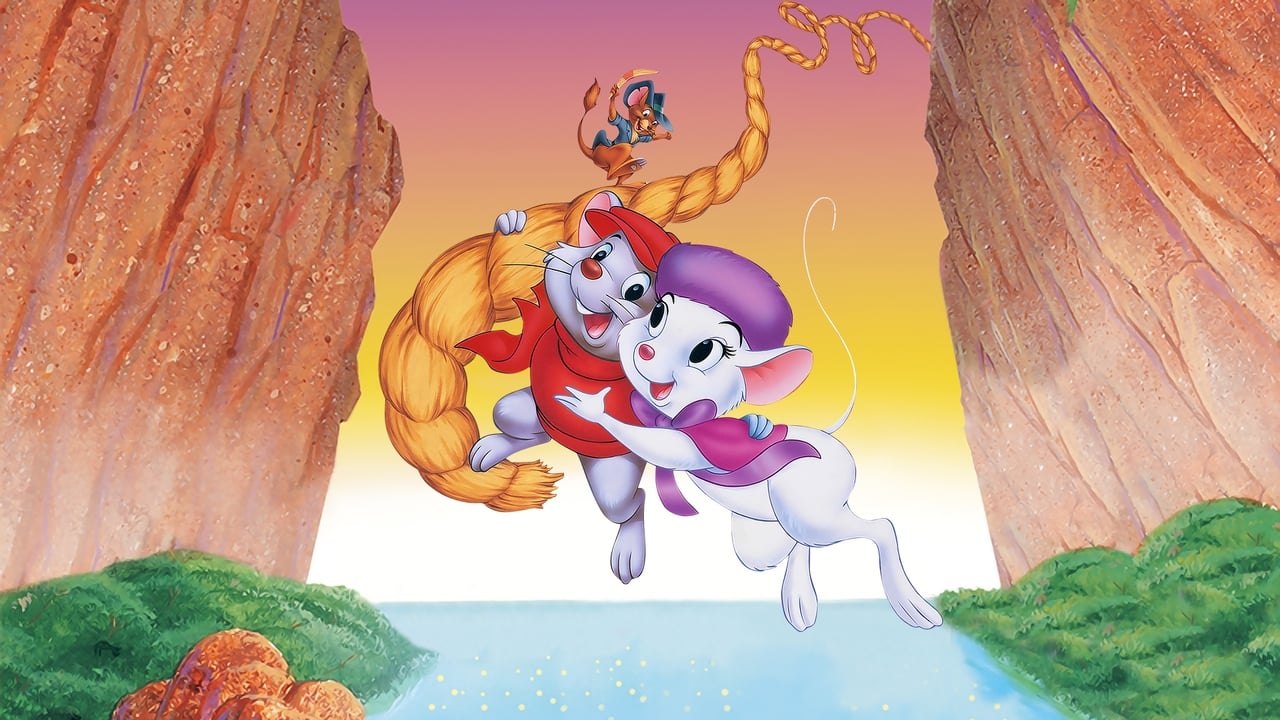
The change of scenery is immediately invigorating. Australia provides a stunning backdrop, rendered with a richness and detail that felt revolutionary at the time. We meet a cast of colourful local characters, most notably Jake, a dashingly confident kangaroo rat voiced with swagger by Tristan Rogers. Jake adds a fun dynamic, a rival adventurer of sorts who contrasts hilariously with Bernard's perpetual anxiety. But the real scene-stealer among the new faces? That has to be Wilbur, the albatross who provides the mice their trans-pacific transport. Voiced by the legendary John Candy, Wilbur is a whirlwind of comedic energy, taking over piloting duties from his brother Orville (from the first film) with significantly more complaining, slapstick, and sheer panic. Candy is simply magnificent, delivering lines about his "structural problems" and navigating treacherous landings with a frantic hilarity that makes every scene he’s in pure gold. Watching him try to straighten out his back after the long flight is a moment of physical comedy genius, even in animated form.
### A Villain Worth Fearing
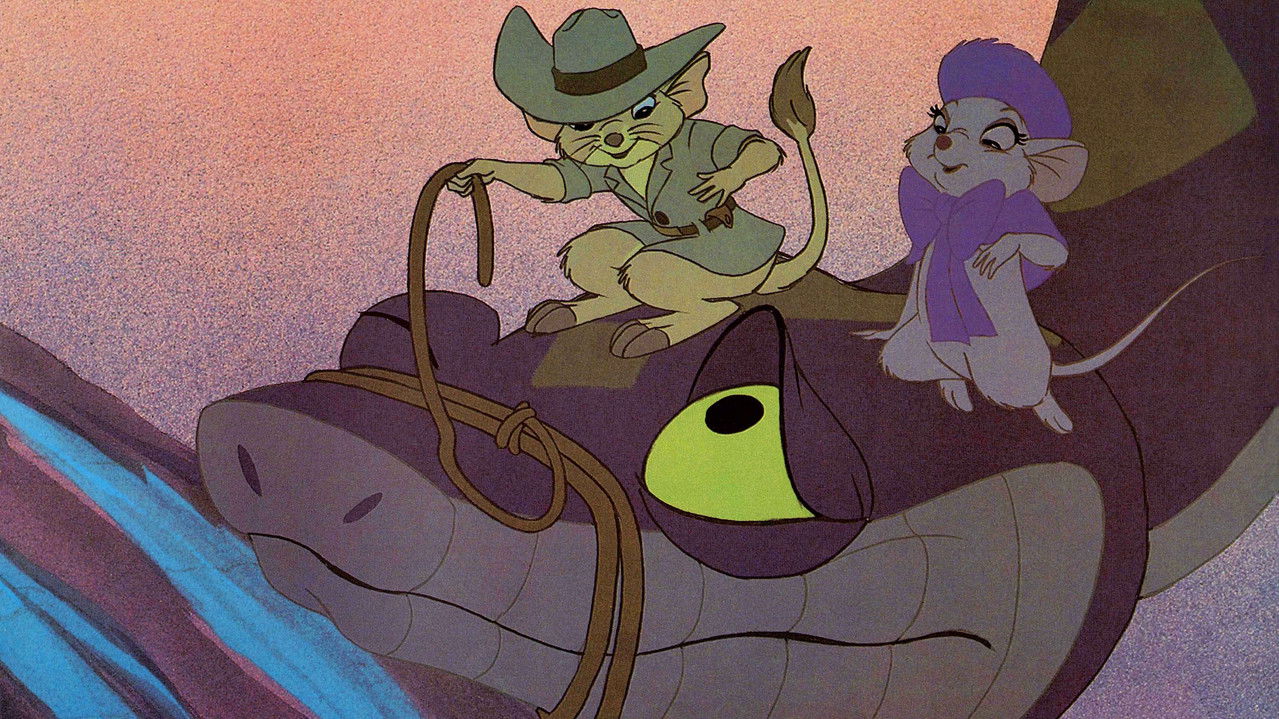
Every great adventure needs a great villain, and The Rescuers Down Under delivers one of Disney's most underrated baddies: Percival C. McLeach. Voiced with gravelly menace by the incredible George C. Scott, McLeach isn't a magical sorcerer or a power-hungry royal; he's a greedy, cruel poacher obsessed with capturing the magnificent golden eagle, Marahute. Scott brings a grounded, terrifying intensity to the role. McLeach feels genuinely dangerous, a callous force of destruction against the natural beauty of the Outback. And let's not forget his slithery sidekick, Joanna the Goanna, who provides plenty of reptilian comic relief while remaining fiercely loyal to her vile master. Their dynamic adds another layer of threat and dark humor to the proceedings.
### Animation Takes a Quantum Leap: Those Retro Fun Facts
Okay, let's talk about what made this movie look so different. The Rescuers Down Under was a landmark film for Walt Disney Feature Animation as the first major animated feature created entirely using the groundbreaking CAPS (Computer Animation Production System). Developed with Pixar (yes, that Pixar, years before Toy Story!), CAPS digitized the traditional ink-and-paint process, allowing for incredible advancements. Suddenly, animators could achieve seamless integration of computer-generated elements (like McLeach's massive truck), create incredibly complex multiplane shots with unprecedented depth, and utilize a vastly expanded color palette with sophisticated shading and blending.
Remember that jaw-dropping opening sequence following Marahute soaring through canyons and clouds? That was CAPS flexing its muscles, allowing the "camera" to swoop and dive in ways previously impossible in traditional animation. Directed by Hendel Butoy and Mike Gabriel, the film leverages this tech for maximum spectacle. The sense of scale, the speed, the sheer beauty of the flight sequences – it felt like animation had just levelled up. While the budget isn't officially confirmed, estimates often place it around $30-40 million, a significant investment reflecting the new technology being employed. Animators reportedly embraced the system, which streamlined many laborious processes, even though it brought its own set of digital challenges. The script itself, penned by a team including Jim Cox, Karey Kirkpatrick, Byron Simpson, and the late, great Joe Ranft (a key figure at Pixar later on), leans into this visual potential, crafting a story full of thrilling chases and expansive vistas perfect for the new toolkit.
### Overshadowed Gem, Enduring Adventure
Despite the technological leaps and positive critical notices (Siskel and Ebert famously gave it "Two Thumbs Up"), The Rescuers Down Under faced an unexpected foe upon its November 1990 release: Home Alone. The family audience flocked to Macaulay Culkin's antics, and Disney's animated epic sadly underperformed at the box office, pulling in around $27.9 million domestically ($47.4 million worldwide). This disappointment reportedly led Disney to adjust its marketing strategy, pouring more resources into promoting subsequent animated features like Beauty and the Beast. Yet, like so many films from the VHS era, it found a devoted audience on home video. Kids and families discovered its charms tucked away in those chunky plastic cases, mesmerized by the adventure, the humor, and those stunning visuals. Bruce Broughton's soaring, adventurous score certainly helped cement the film's epic feel, perfectly capturing both the danger and the wonder.
The Rescuers Down Under might not possess the complex emotional depth or iconic songbook of some other Disney Renaissance titles, but it absolutely excels as a pure, unadulterated animated adventure. It’s a visual feast, a technical milestone, and a genuinely exciting ride from start to finish, carried by a wonderful voice cast and a palpable sense of discovery.
VHS Heaven Rating: 8/10
Justification: The 8 rating reflects the film's groundbreaking animation techniques for its time, the thrilling action sequences, excellent voice work (especially Candy and Scott), and its status as a highly enjoyable, albeit somewhat overlooked, adventure classic. While perhaps lighter on emotional resonance compared to its Renaissance peers, its visual spectacle and pure entertainment value are undeniable and hold up remarkably well.
Final Thought: A high-flying adventure that proved animation could be as thrilling as any live-action blockbuster, The Rescuers Down Under is a dazzling slice of early 90s Disney that absolutely deserves to be rescued from the shadows of its more famous siblings. Go on, give that tape (or digital stream) a whirl – the Outback awaits!