Okay, let’s dim the lights, maybe pour a glass of something thoughtful, and settle in. Some films lodge themselves in your memory not just for their story, but for the sheer force of will they depict. George Miller’s Lorenzo's Oil (1992) is one such film. It arrives not with the roar of a V8 engine, like his iconic Mad Max films, but with the quiet, desperate intensity of parents battling the inevitable. It’s a film that asks profound questions about hope, expertise, and the lengths love will drive us to.

### A Diagnosis, A Death Sentence, A Declaration of War
The premise is agonizingly direct: Augusto and Michaela Odone (Nick Nolte and Susan Sarandon) are living a comfortable life until their bright young son, Lorenzo, begins exhibiting disturbing symptoms. The diagnosis comes like a hammer blow: Adrenoleukodystrophy (ALD), a rare, inherited metabolic disorder that relentlessly destroys the nervous system, usually leading to death within a few years. The medical establishment offers sympathy, support groups, palliative care... but no cure, no real hope. What follows isn't just a search for treatment; it's the Odones declaring war on the disease, on medical dogma, and on time itself.
I remember renting this on VHS, probably nestled between a glossy thriller and a sci-fi flick. It stood out even then, heavier, more demanding. It wasn’t escapism; it was an immersion into a specific kind of crucible. The film pulls no punches depicting the devastating progression of ALD, making the Odones' subsequent actions feel not just understandable, but utterly necessary from their perspective.
### Forging Hope in the Crucible of Despair
This is where Lorenzo's Oil truly finds its power. We witness Augusto and Michaela, armed with little more than ferocious love and formidable intelligence, transforming their lives into a relentless research project. Their home becomes a library, a laboratory, a war room. They devour medical texts, challenge researchers, organize symposiums, and ultimately, piece together a potential therapy – an oil derived from olive and rapeseed oils – born from their own desperate logic when established science offered nothing.
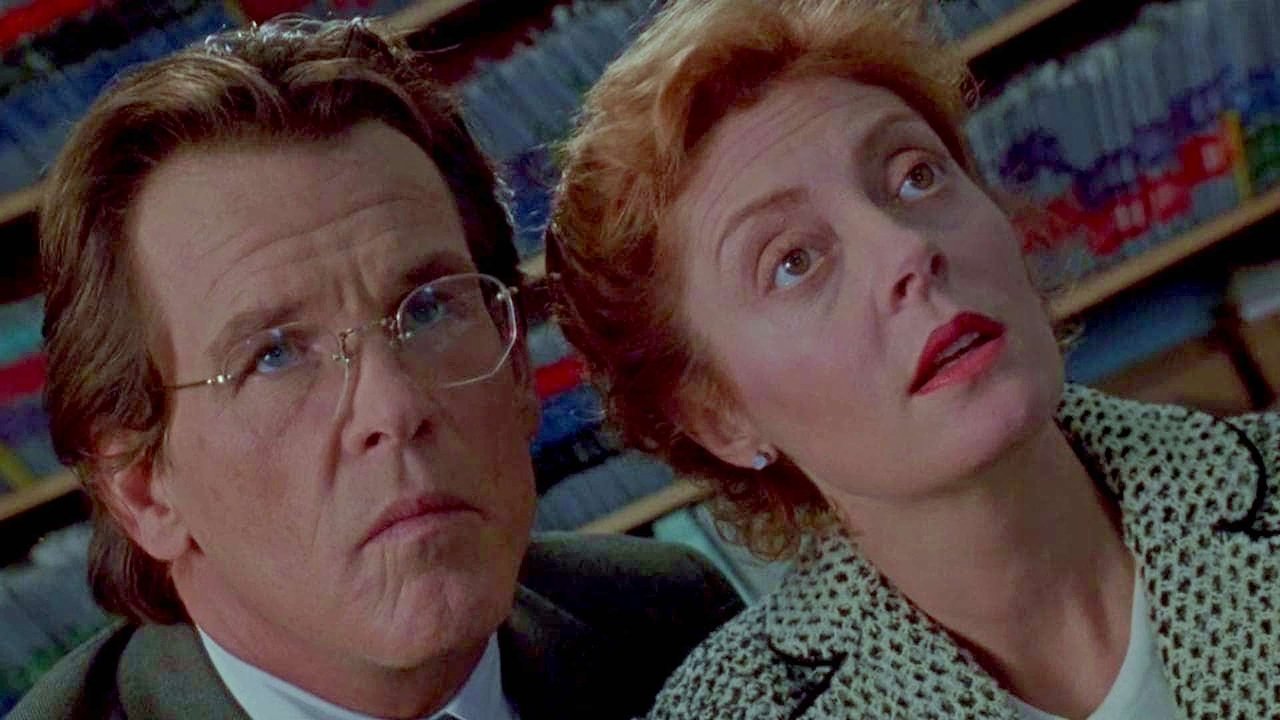
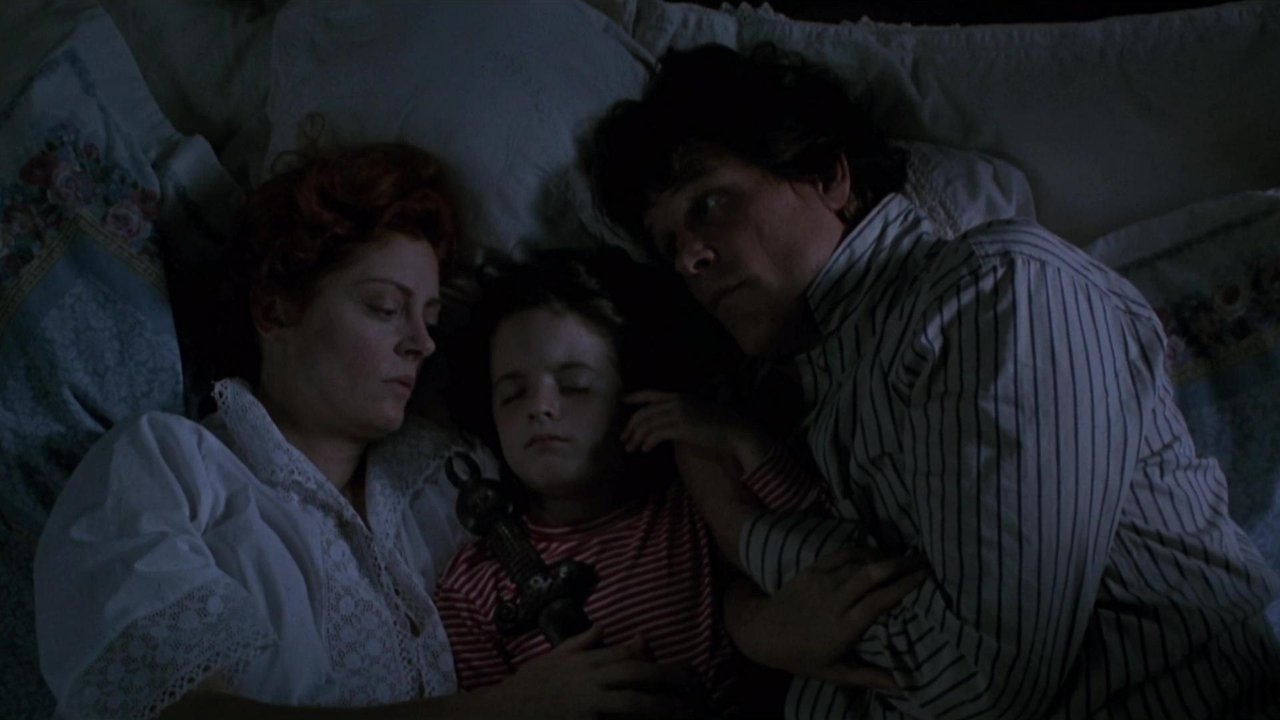
Nick Nolte, often known for his gruff exterior, brings a profound depth to Augusto. You see the banker's analytical mind grappling with complex biochemistry, fueled by an almost primal paternal drive. His frustration with the slow pace of research is palpable, his moments of breakthrough electrifying. But it’s Susan Sarandon, in an Oscar-nominated performance that feels utterly lived-in, who anchors the film's emotional core. Her Michaela is fierce, unwavering, sometimes difficult, but her determination is the film's unwavering heartbeat. She refuses to let Lorenzo become just another statistic, her gaze often burning with an intensity that could melt steel. Their chemistry is less romantic, more akin to two soldiers bonded in the trenches, facing an overwhelming enemy together. It’s a raw, unvarnished portrayal of partnership under extreme duress.

Interestingly, the real Odones were actively involved consultants on the film, ensuring a degree of authenticity. George Miller, drawing perhaps on his own background as a qualified medical doctor before his filmmaking career took off, navigates the complex science with remarkable clarity, making the Odones' intellectual journey accessible without sacrificing its weight. He presents the medical community not as villains, but often as cautious, constrained by procedure and liability – a frustrating reality the Odones simply refuse to accept. Peter Ustinov offers a memorable turn as Professor Nikolais, representing a more open-minded, albeit initially skeptical, segment of the scientific world.
### The Unseen Costs and Miller's Restraint
What elevates Lorenzo's Oil beyond a simple 'triumph-over-adversity' narrative is its willingness to hint at the costs. The Odones' single-minded focus isolates them, strains their relationships, and pushes them to the brink. Miller doesn't shy away from showing their obsessive nature, their moments of near-collapse. It’s a testament to his directorial control – so different from the kinetic energy of Mad Max or The Road Warrior (1981) – that he allows these difficult emotional beats to land with quiet power. The film uses close-ups effectively, trapping us within the Odones' intense world, sharing their frustration and fleeting moments of hope.
Filmed largely in Pittsburgh, the production faced the challenge of translating complex scientific concepts into compelling drama. It’s a testament to the script, co-written by Miller and Nick Enright (also Oscar-nominated), that it succeeds so well. Despite its critical acclaim, the film wasn't a box office success, grossing just over $7 million in the US against a reported $30 million budget. Perhaps its demanding subject matter was a tough sell amidst the usual early 90s fare. Yet, its impact went far beyond ticket sales, significantly raising awareness of ALD and contributing to the momentum for further research – research spurred, in no small part, by the real Odones' relentless efforts.
### The Enduring Echo of Defiance
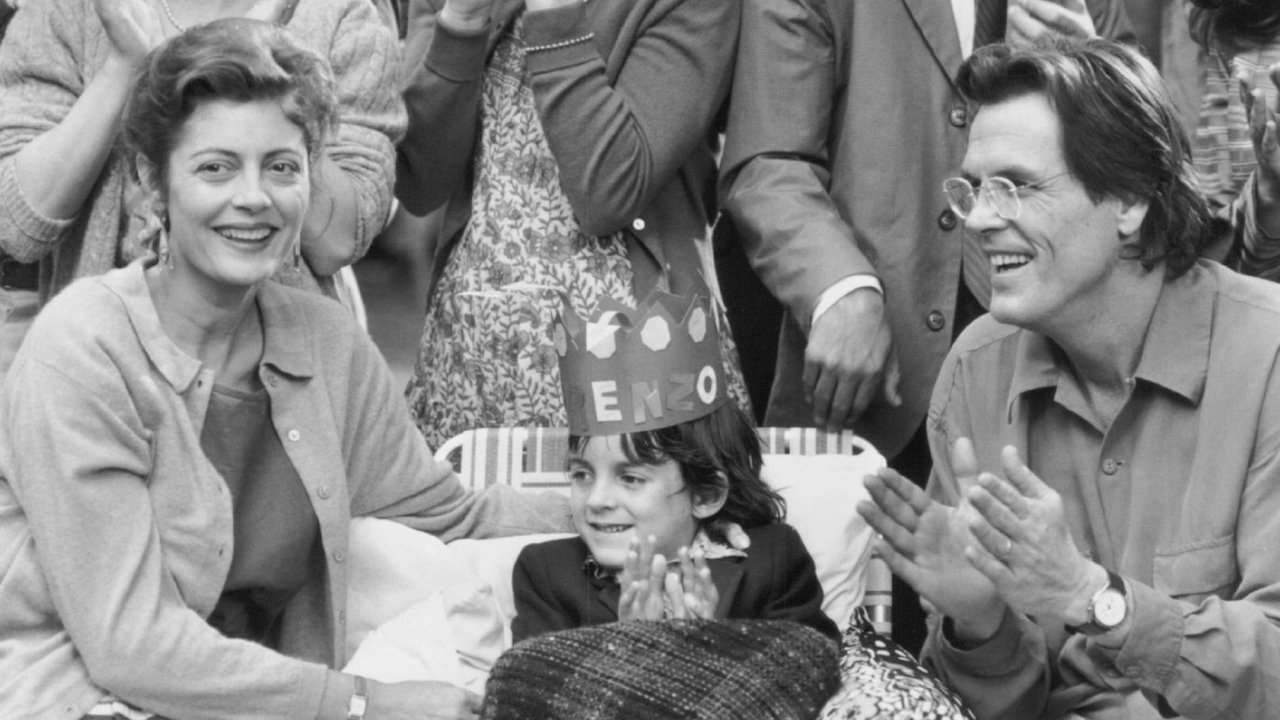
Lorenzo's Oil is not an easy watch. It’s emotionally taxing, intellectually demanding, and forces us to confront the terrifying randomness of disease and the limits of established knowledge. But it's also profoundly moving and ultimately inspiring. It celebrates the power of individual persistence, the refusal to surrender hope even when faced with impossible odds. It reminds us that sometimes, breakthroughs come not from established institutions, but from the desperate, focused energy of those with everything to lose. The fact that the real Lorenzo Odone lived to the age of 30, far exceeding his doctors' initial prognosis, adds a poignant layer to the film's legacy.
Rating: 9/10
This score reflects the film's exceptional performances, its intelligent and moving script, and George Miller's masterful, restrained direction. It tackles a difficult subject with grace and power, avoiding easy sentimentality while delivering a profound emotional impact. It’s a demanding film, yes, but one whose depiction of parental love as an elemental force stays with you long after the VCR whirs to a stop. What endures most is the fierce, unwavering light of the Odones' commitment, a testament to the extraordinary things ordinary people can achieve when fueled by love and desperation.