What does it truly mean to conquer when the world seems determined to grind you into the dirt? This question hangs heavy in the stark, windswept air of Bille August's 1987 masterpiece, Pelle the Conqueror (Pelle Erobreren). This isn't a tale of swords and sorcery, despite its epic title. Instead, it's a sprawling, deeply moving account of survival, dignity, and the flickering embers of hope in the face of crushing poverty and exploitation, a film that felt substantial even in its weighty double-VHS case back in the day.
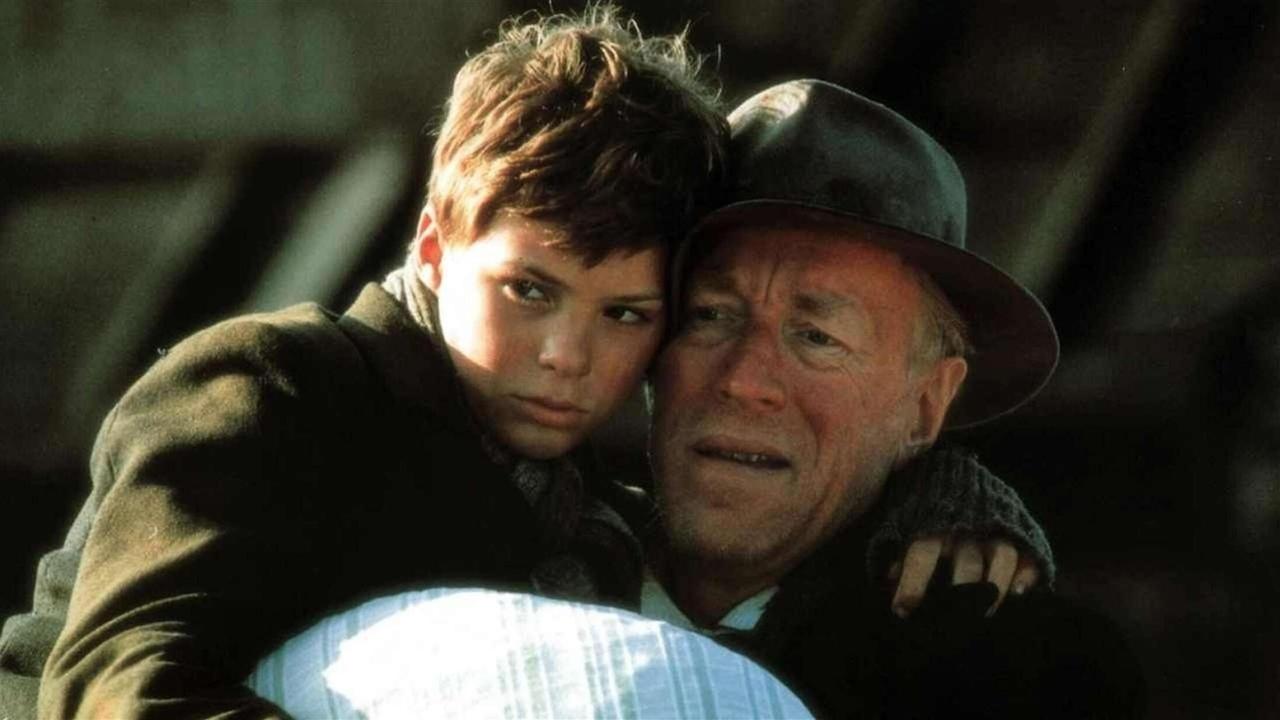
Based on the first part of the classic Danish novel by Martin Andersen Nexø, the film follows the arduous journey of Lasse Karlsson and his young son, Pelle, Swedish immigrants seeking a better life in Denmark in the late 19th century. They arrive on the island of Bornholm, lured by promises of prosperity, only to find themselves little more than indentured servants on the bleak and unforgiving Stone Farm. The promised land turns out to be just another place where the poor are worked to the bone for meager sustenance and less respect.
A Father's Fading Strength
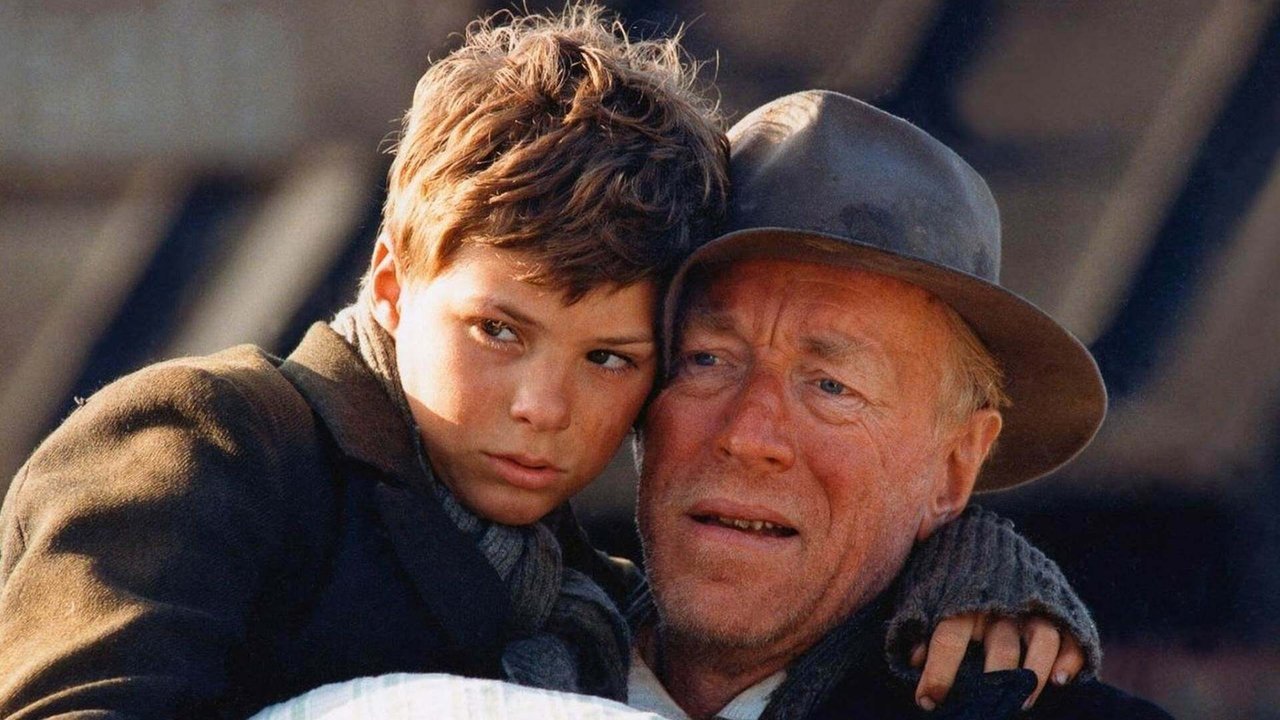
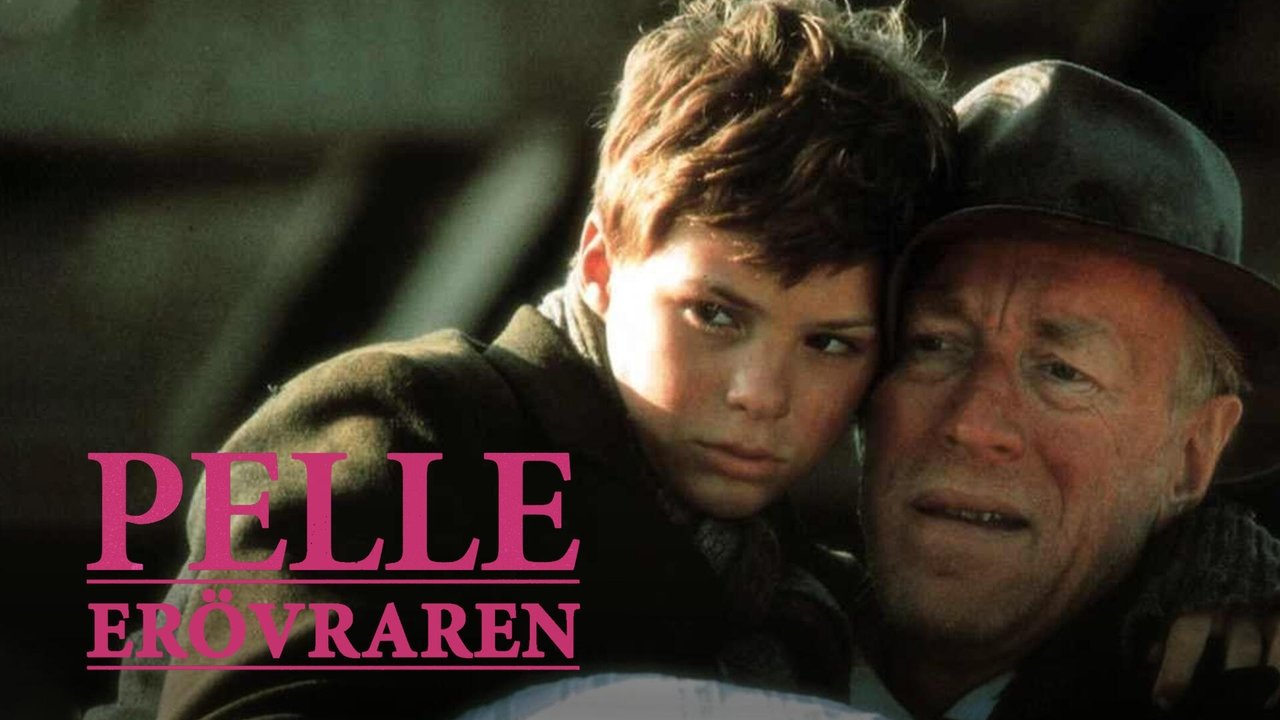
At the heart of the film lies the relationship between father and son, anchored by an unforgettable, Oscar-nominated performance from the legendary Max von Sydow as Lassefar. Von Sydow, an actor capable of immense power (The Exorcist) and quiet introspection (The Seventh Seal), embodies the weary dignity of a man whose physical strength and dreams are fading. Lasse is full of grand pronouncements and boasts of the life they will build, promises whispered to keep his son's spirits up, and perhaps his own. Yet, reality constantly undercuts him. He's aging, often drunk, and powerless against the casual cruelty and systematic oppression of the farm's overseers and owner. Von Sydow portrays this internal conflict with heartbreaking subtlety. We see the shame flicker in his eyes when he fails Pelle, the desperate attempts to maintain authority, and the profound love that persists despite his failings. It's a performance devoid of vanity, deeply rooted in the harsh truths of a life lived on the margins. Reportedly, securing von Sydow was key to the film's international financing and appeal, and his presence lends the film an undeniable gravitas.
A Boy's Eyes Opening
Counterbalancing von Sydow's weary experience is the remarkable debut of Pelle Hvenegaard as young Pelle. Chosen from apparently over 3,000 hopefuls, Hvenegaard delivers a performance of astonishing naturalism and resilience. We see the world through his initially hopeful, then increasingly disillusioned eyes. He absorbs the harsh lessons of the farm – the hierarchies, the brutality, the fleeting moments of kindness, the stark realities of sex and death. Unlike his father, who seems resigned to their lot, Pelle retains a spark, a quiet determination to observe, learn, and ultimately, transcend his circumstances. He navigates the complex social landscape of the farm, forming tentative bonds with fellow workers like the friendly Erik (Erik Paaske) and witnessing the tragic fates of others. His journey isn't about grand heroic acts, but about the slow, steady accumulation of knowledge and the burgeoning awareness that his life must be different from his father's. Does his quiet observation, his refusal to have his spirit entirely broken, represent the true 'conquest' of the title?
The Unforgiving Beauty of Bornholm
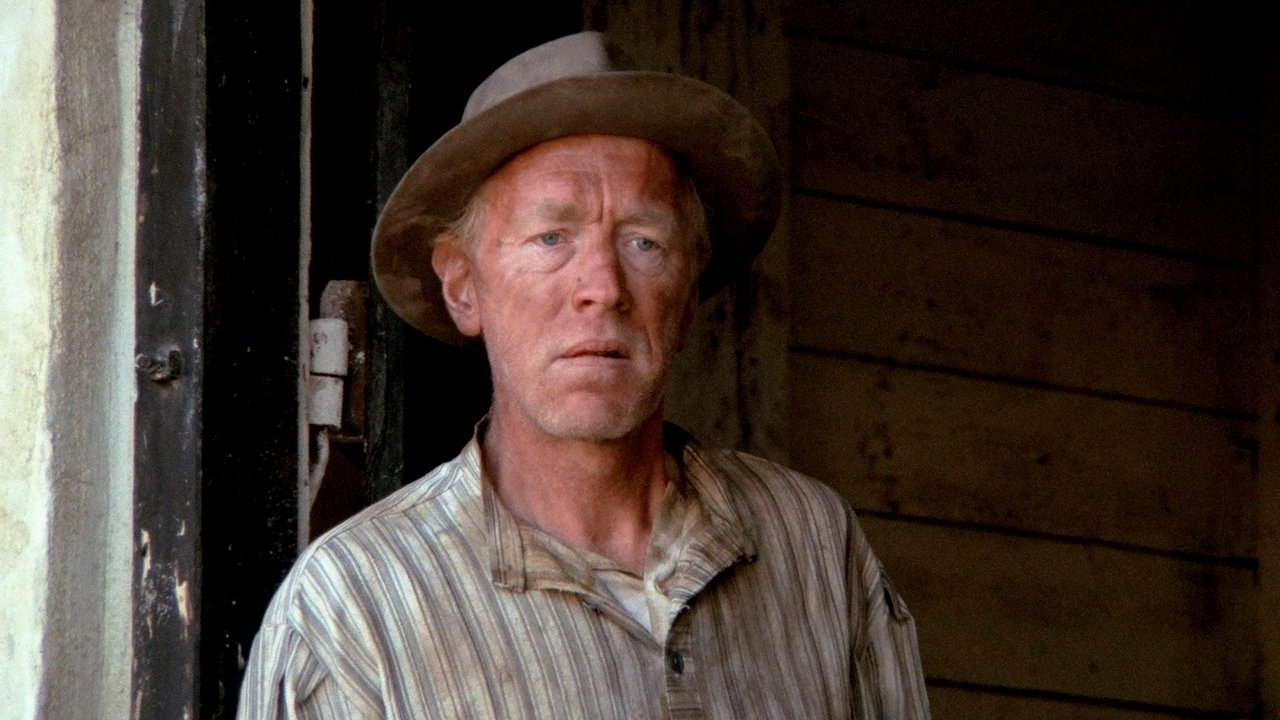
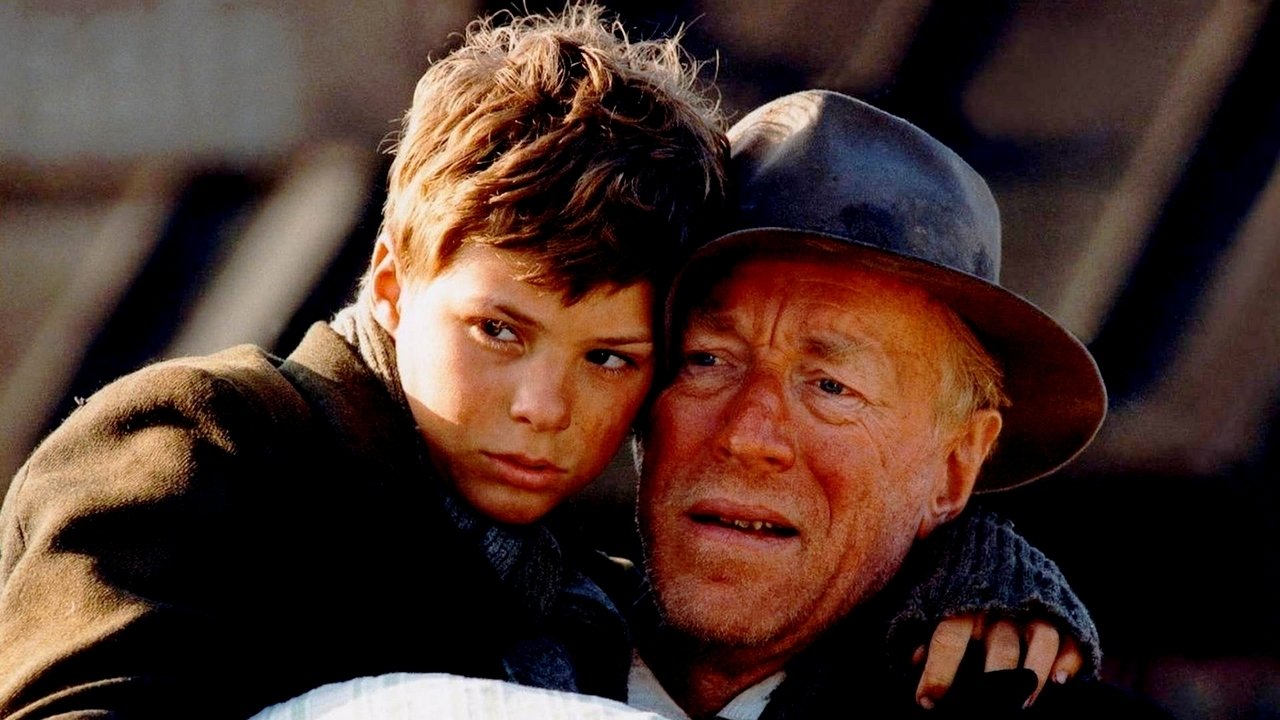
Bille August, who also co-wrote the screenplay, directs with a patient, observant eye. He masterfully utilizes the stunning yet harsh landscapes of Bornholm and Skåne, captured beautifully by cinematographer Jörgen Persson (My Life as a Dog). The wind-battered fields, the icy shores, the rough-hewn stone buildings – they aren't just backdrops; they are characters in themselves, reflecting the unforgiving nature of the life Pelle and Lasse endure. There's a painterly quality to the visuals, reminiscent of the works of Hammershøi or Millet, finding a stark beauty even in the bleakness. The film's pacing is deliberate, mirroring the slow rhythm of agricultural life and allowing the weight of the characters' experiences to settle. At nearly three hours (a commitment on VHS!), it demands patience, but rewards it with profound emotional depth. It never shies away from the brutality – physical, emotional, and systemic – but crucially, it also finds moments of grace, connection, and resilience.
Echoes of a Wider World
The source material by Martin Andersen Nexø is a cornerstone of Danish literature, known for its powerful social realism, and August honours that legacy. Pelle the Conqueror is unflinching in its depiction of class struggle, the exploitation of immigrant labour (a theme sadly still relevant), and the rigid social structures that trap the characters. Yet, it avoids becoming mere socialist propaganda. It’s a deeply human story, focused on the intimate struggles of its characters. The film’s success was monumental, winning the Palme d'Or at the 1988 Cannes Film Festival and the Academy Award for Best Foreign Language Film, bringing widespread attention to Danish cinema. It wasn't just an awards contender; it was a genuine event, a film spoken of with reverence even as it circulated on those well-worn rental tapes.
Enduring Power
Pelle the Conqueror is not an easy watch. It’s a film that confronts suffering head-on, demanding empathy and reflection. But it is also luminous, carried by two central performances of extraordinary power and authenticity, particularly von Sydow's career-highlight turn. It explores the complex, sometimes painful love between a father and son, the loss of innocence, and the enduring human capacity for hope, even when facing seemingly insurmountable odds. It earns its emotional weight through honesty and restraint, never resorting to cheap sentimentality. This is masterful, essential filmmaking that stays with you long after the screen fades to black.
Rating: 9.5/10
This rating reflects the film's towering performances, its stunning craft, and its profound thematic depth. It’s a near-perfect realization of its ambitions, only perhaps held back for some by its demanding length and unrelentingly harsh subject matter. Yet, its power is undeniable. Pelle the Conqueror remains a towering achievement, a reminder from the VHS era that epics don't always need spectacle, sometimes the vastness of the human heart facing adversity is spectacle enough. What endures most is the quiet strength glimpsed in Pelle's eyes – the seed of a future he intends to build, brick by painful brick.