What does it mean to inherit a life you never chose? Not just the colour of your eyes or a predisposition for melancholy, but a fugitive existence, a past shrouded in secrets, and a future perpetually deferred. This is the heavy air breathed by the Pope family in Sidney Lumet's deeply affecting 1988 drama, Running on Empty. Watching it again, decades after first discovering it tucked away on a video store shelf – a quiet anomaly amidst the louder action and comedy tapes of the era – its power feels undiminished, perhaps even sharpened by time. It’s a film that doesn’t shout its themes; it lets them seep into you, lodging themselves somewhere deep and resonant.

### The Constant Motion of Secrets
The premise is deceptively simple, yet rich with complexity. Arthur (Judd Hirsch) and Annie Pope (Christine Lahti) are former 60s radicals living underground, on the run from the FBI for bombing a napalm lab years prior – an act of protest that inadvertently blinded and paralyzed a janitor. They move constantly, changing identities, jobs, towns, dragging their two sons, Danny (River Phoenix) and Harry (Jonas Abry), along with them. The film picks up as teenage Danny reaches a critical juncture. He’s a gifted pianist, talented enough to potentially attend Juilliard, but pursuing this dream means exposing his family and shattering the precarious life they’ve built. It’s a classic coming-of-age story twisted into a harrowing ethical knot.
What Naomi Foner’s Oscar-nominated screenplay (reportedly drawing inspiration from real accounts of radicals living underground) does so brilliantly is refuse easy answers or judgments. Arthur and Annie aren't demonized, nor are their past actions purely romanticized. We see the unwavering conviction, the lingering idealism, but also the immense, perhaps unbearable, cost paid not just by them, but by their children. Their love for their sons is palpable, yet their choices have woven a cage around Danny's future. Can idealism justify crippling the potential of the next generation? The film doesn't offer a verdict, leaving the viewer to wrestle with the implications.

### Performances That Ache with Truth
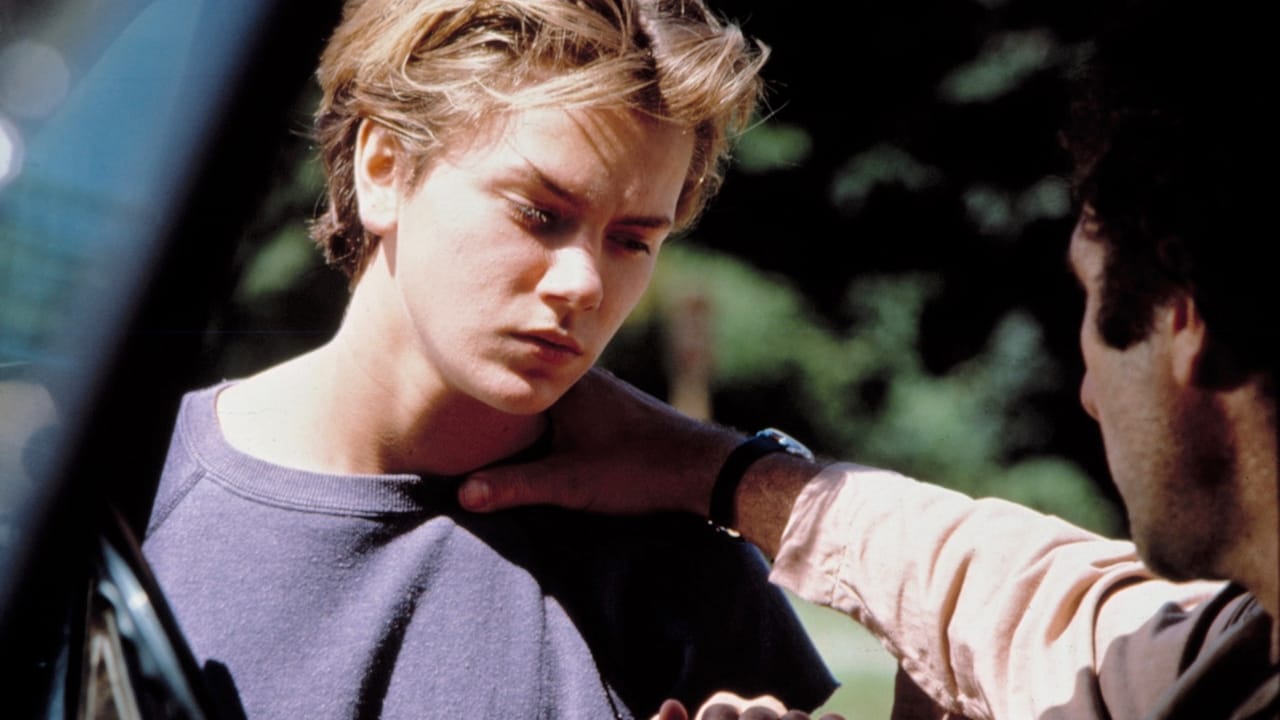
Running on Empty rests significantly on the shoulders of its cast, and they deliver performances of astonishing depth and authenticity. River Phoenix, in a role that rightfully earned him an Academy Award nomination at just 18, is simply extraordinary as Danny. He captures the character's simmering frustration, his quiet intelligence, his desperate yearning for normalcy, and the profound love he holds for his parents, even as their choices suffocate him. There’s a scene where Danny plays piano – Phoenix reportedly learned the fingering for the pieces to make it look utterly convincing – and the music becomes an outlet for everything he cannot say. It’s a moment of pure, unadulterated expression in a life defined by concealment.
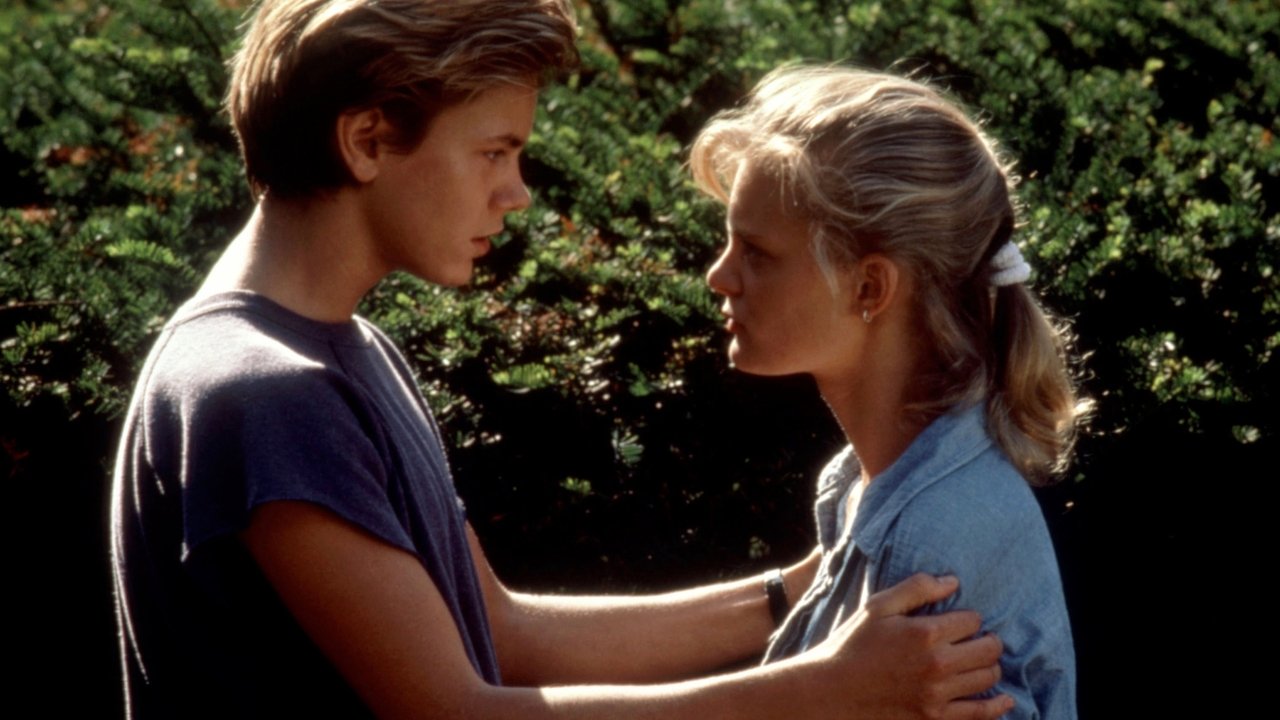
Equally powerful is Christine Lahti, also Oscar-nominated, as Annie. She embodies the conflict of a mother torn between protecting her son and upholding the principles she and her husband built their lives (and subsequently, their fugitive status) upon. Her final scenes, grappling with an impossible decision, are heartbreaking precisely because of their understated realism. Judd Hirsch, often known for more outwardly expressive roles like Alex Rieger in Taxi, brings a potent blend of fierce ideology and paternal warmth to Arthur. He's the true believer, the one less willing to compromise, yet Hirsch ensures we see the man beneath the dogma. Adding another layer of poignant authenticity is Martha Plimpton as Lorna, Danny’s love interest and connection to a stable world. Her chemistry with Phoenix (they were dating in real life during filming) feels effortlessly genuine, making Danny's dilemma even more acute.
### Lumet's Quiet Intensity
This isn't the gritty, street-level energy of Sidney Lumet's Serpico (1973) or Dog Day Afternoon (1975). Here, the legendary director opts for a more intimate, observational style. He uses tight framing and focuses intently on his actors' faces, letting subtle shifts in expression convey oceans of emotion. The tension isn't built through chase scenes or overt threats (though the possibility always lingers), but through loaded silences, unspoken fears, and the constant, gnawing anxiety of discovery. Lumet understands that the most profound dramas often unfold not in grand gestures, but in quiet conversations and agonizing internal struggles. Shot largely on location in New Jersey and surrounding areas, the film possesses a grounded, lived-in feel that enhances its realism.
Interestingly, despite the critical acclaim and award recognition, Running on Empty wasn't a box office smash. Made for a relatively modest $7 million (around $18 million today), it grossed just under $3 million domestically. Perhaps its quiet maturity and refusal of easy catharsis made it a tougher sell in the late 80s marketplace. But like so many gems discovered through the patient browsing of video store aisles, its legacy endures precisely because it offers something deeper, something that stays with you long after the VCR has whirred to a stop.
### The Unshakeable Resonance
What lingers most about Running on Empty is its profound empathy. It explores the devastating consequences of choices made decades earlier, the burden of secrets, and the agonizing pull between familial loyalty and individual aspiration. It asks us to consider what we owe our parents, what we owe ourselves, and whether it's possible to forge an identity separate from the legacy we inherit. These aren't questions with simple answers, and the film honors that complexity.

Rating: 9/10
This score reflects the film's exceptional performances, particularly from Phoenix and Lahti, its intelligent and deeply humane script, and Lumet's masterful, restrained direction. It avoids melodrama, achieving its powerful emotional impact through nuance and truthfulness. While perhaps lacking the immediate commercial hooks of its contemporaries, its thematic depth and aching sincerity make it a standout drama of the era.
Running on Empty remains a quietly devastating portrait of a family caught between conviction and consequence, a film that reminds us that sometimes the heaviest burdens are the ones carried in silence.