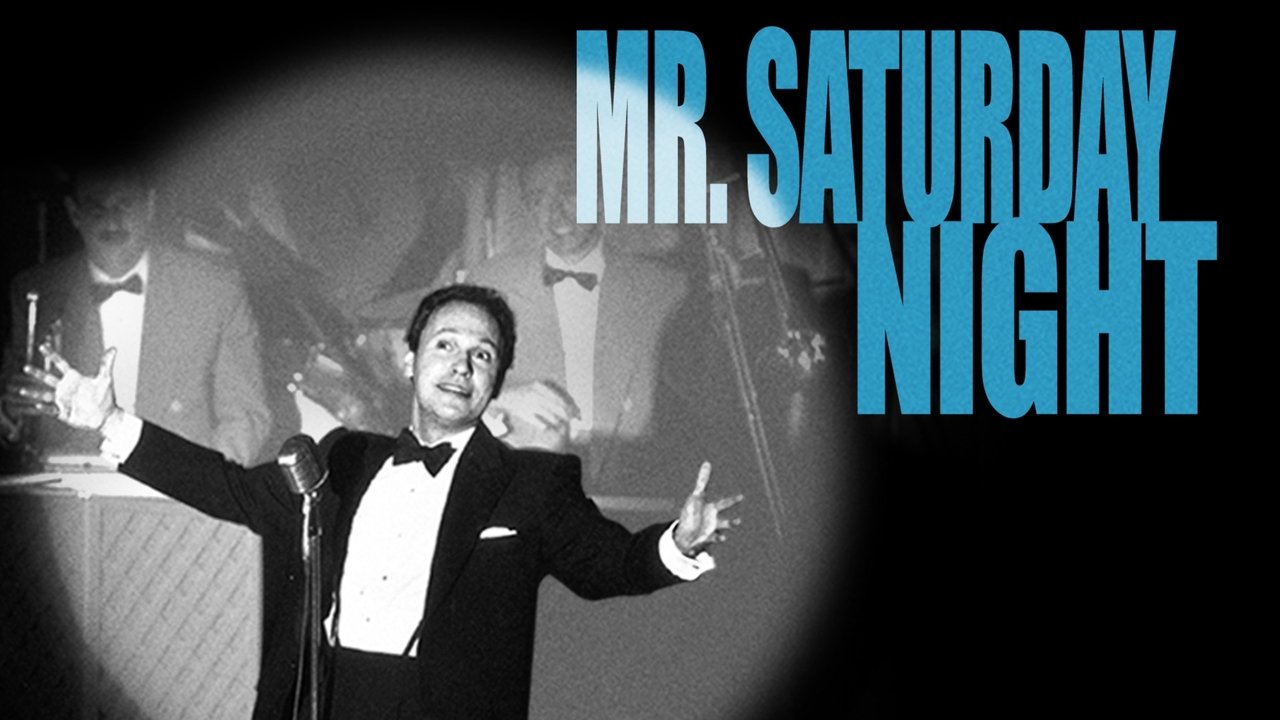
Okay, pull up a chair, maybe grab a slightly flat soda like you used to get from the rental place back in the day. Let's talk about a film that, for me, always felt a bit like finding a serious drama tucked inside a comedy box on the shelf: Billy Crystal's ambitious 1992 directorial debut, Mr. Saturday Night. It wasn't the laugh riot some might have expected from the man who charmed us hosting the Oscars or yelling "I'll have what she's having!" in When Harry Met Sally... (1989). Instead, it offered something more complex, sometimes uncomfortable, and surprisingly poignant.
### The Ghost of Laughs Past
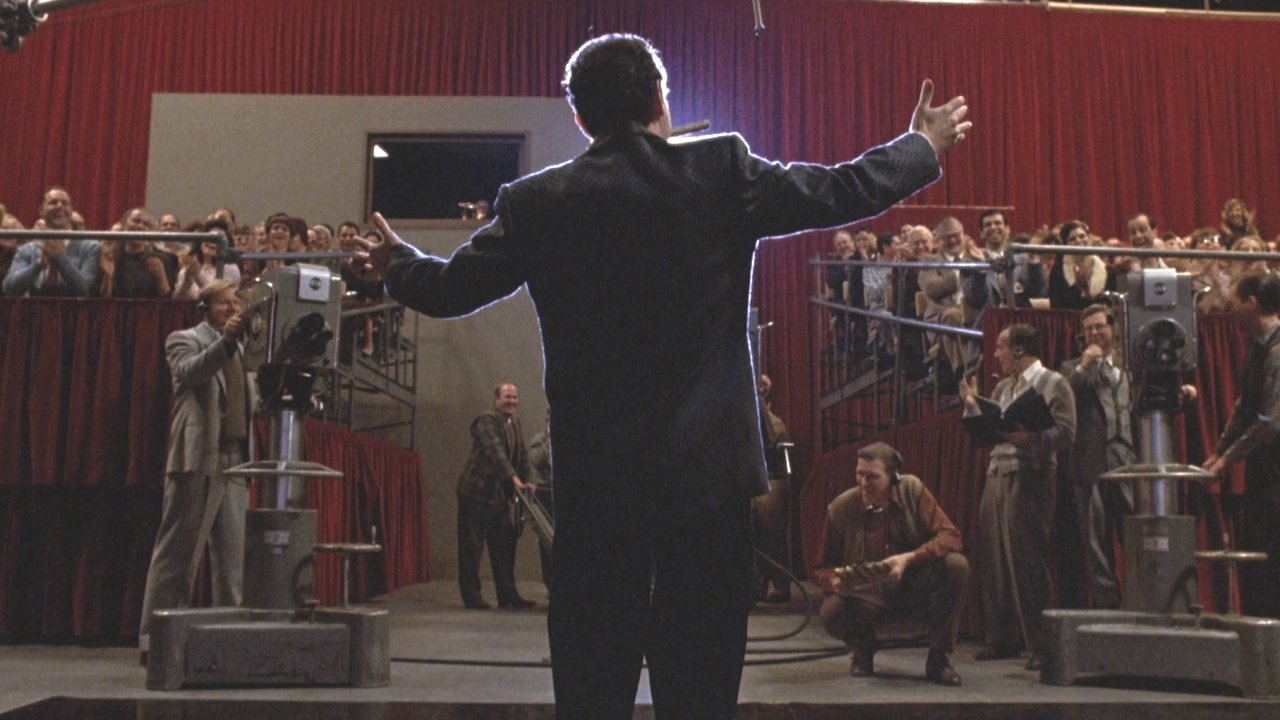
What haunts you more: the jokes you bombed or the relationships you ruined chasing the spotlight? That question seems to echo through every frame centered on Buddy Young Jr., Crystal's creation. We meet him as an aging, bitter comedian, clinging to fading relevance, his glory days performing in the smoky clubs of the Catskills long behind him. The film then spools back, tracing his rise and, more pointedly, his self-inflicted stumbles, primarily through the strained relationship with his long-suffering brother and manager, Stan, played in a career-defining turn by David Paymer. It's a narrative that jumps decades, demanding a hefty commitment not just from the actors, but from the makeup department – and boy, did they deliver.
### More Than Just a Funny Face
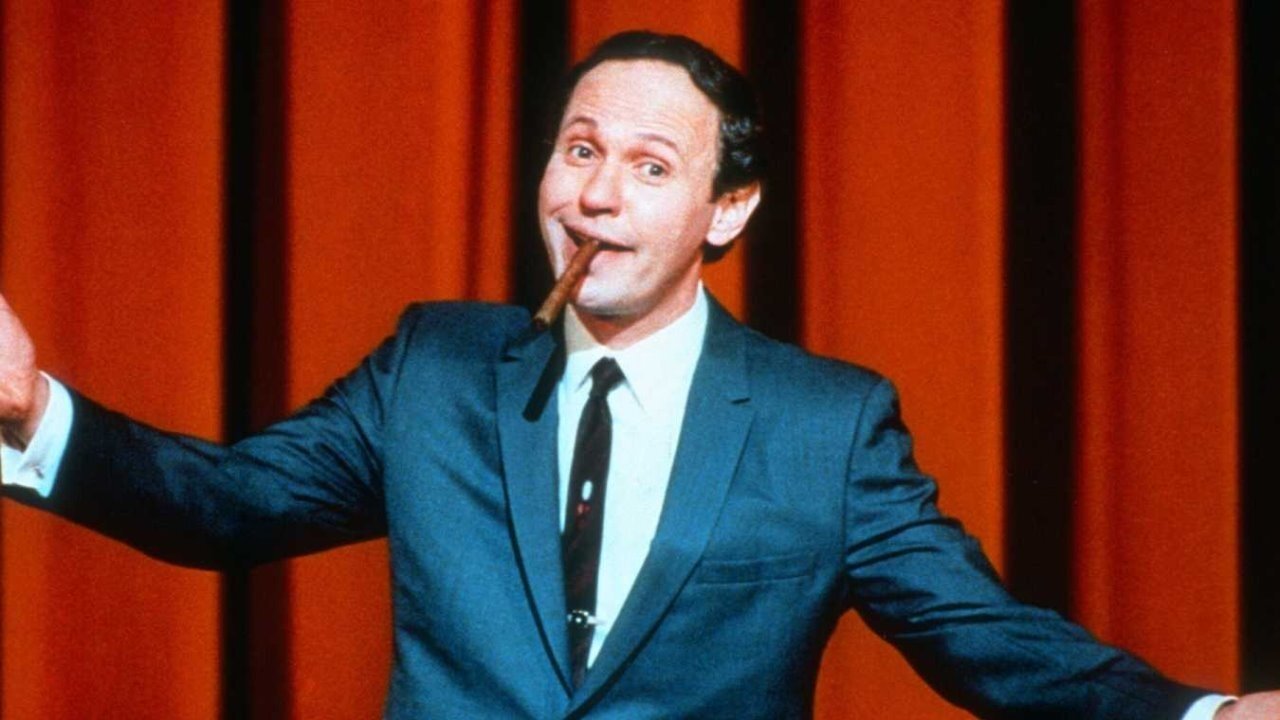
Let's be honest, the first thing many of us remember about Mr. Saturday Night is the makeup. Billy Crystal, buried under layers of latex expertly applied by the legendary Greg Cannom (who'd later win Oscars for transforming actors in Mrs. Doubtfire and The Curious Case of Benjamin Button), convincingly ages decades before our eyes. It reportedly took over four hours each day, a testament to Crystal’s dedication to embodying Buddy from youth to old age. But the real magic is that the performance shines through the prosthetics. Crystal doesn't just mimic old age; he channels the weariness, the ingrained cynicism, and the flashes of vulnerability of a man who prioritized the laugh track over his loved ones. It’s a brave performance, asking us to invest in someone often deeply unlikeable. Buddy could be cruel, selfish, and monumentally insecure – a far cry from Crystal's typically amiable screen persona. The character actually originated years earlier, popping up in Crystal's stand-up routines and HBO specials, evolving over time before getting this full, somewhat bruising cinematic portrait.
### The Heartbreak Kid Brother
While Crystal carried the film's ambition (he also co-wrote with comedy veterans Lowell Ganz and Babaloo Mandel, known for hits like Splash and Parenthood), the emotional core arguably belongs to David Paymer. His portrayal of Stan, the steady, loyal brother perpetually eclipsed and often wounded by Buddy's ego, earned him a well-deserved Academy Award nomination for Best Supporting Actor. Paymer’s performance is a masterclass in quiet reaction; you see the decades of swallowed pride, frustration, and enduring affection in his eyes. Their scenes together crackle with the uncomfortable authenticity of deeply intertwined, deeply damaged family history. Does Stan enable Buddy's worst instincts, or is he simply trapped by brotherly love? The film leaves that open, letting Paymer convey the complex weight of that bond. Julie Warner as Buddy's wife, Elaine, also provides crucial grounding, representing the domestic life Buddy often neglects in his relentless pursuit of stardom.
### Crafting a Comic Tragedy
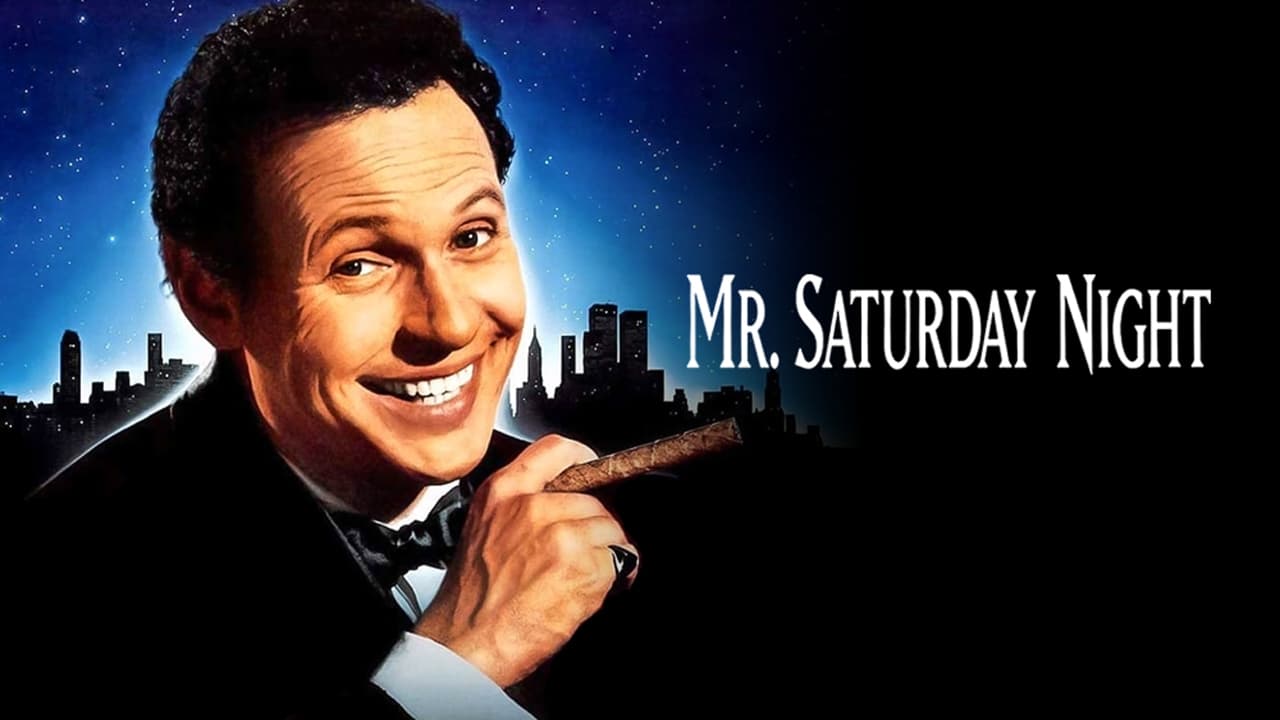
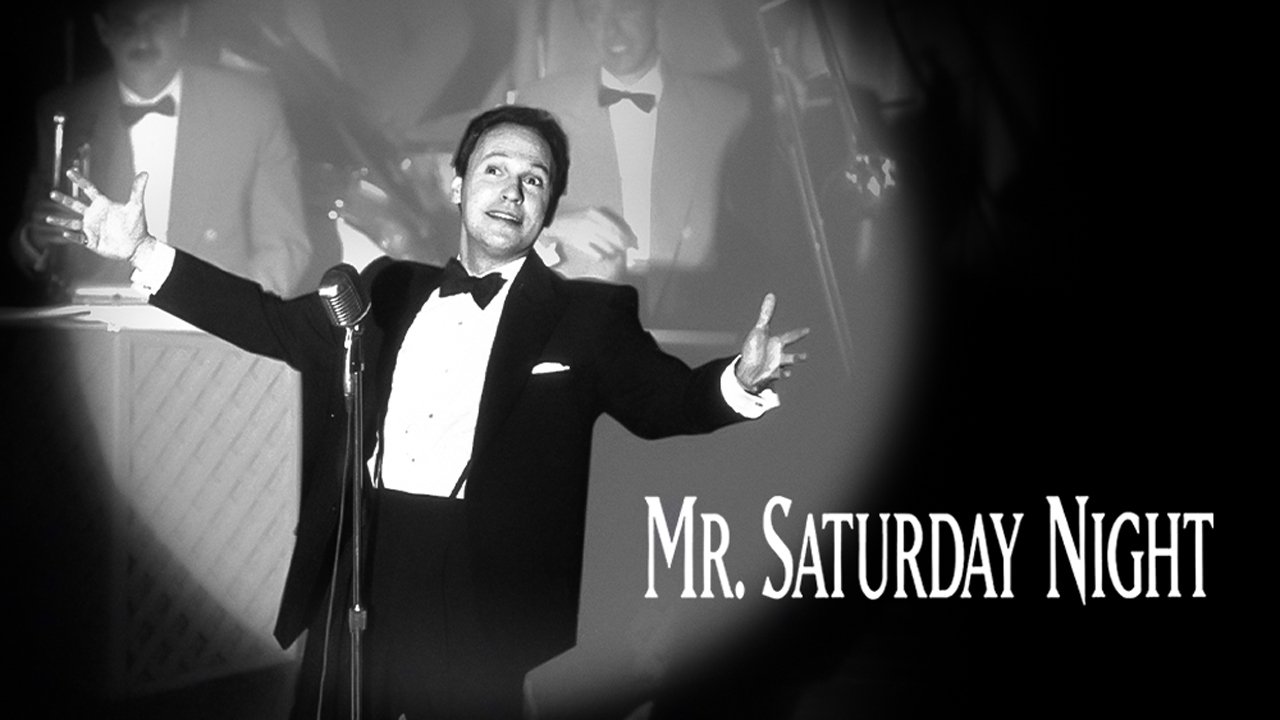
As a director, Crystal shows a steady hand, particularly in capturing the specific atmosphere of the mid-century entertainment world – the bustling energy of live television's early days, the Borscht Belt rhythm, the slightly desperate sheen of Vegas lounges. He clearly has deep affection for this era of comedy, but he doesn't romanticize it. The film acknowledges the grind, the compromises, and the collateral damage. Collaborating with Ganz and Mandel lent the script a professional sheen, though the story's blend of sharp comedic observation and downbeat dramatic reflection proved a tricky balancing act. It wasn’t a runaway hit at the box office, pulling in just over $13 million against a budget reported to be north of $40 million – perhaps audiences weren't quite ready for this darker shade of Crystal. Calculating for inflation, that's roughly a $28 million gross against an $87 million budget today; a tough pill to swallow for the studio.
### Echoes in the Static
Watching Mr. Saturday Night again on a fuzzy tape, or even a crisp digital copy now, feels different. Perhaps with age, the film's themes of regret, the passage of time, and the price of ambition land with more resonance. It’s not always an easy watch; Buddy Young Jr. isn't designed for easy sympathy. But there's an honesty there, a willingness to explore the shadows behind the spotlight. It makes you think about the performers we love – what sacrifices underpin their success? What private struggles fuel the public persona? Interestingly, Crystal revisited Buddy Young Jr. decades later, bringing Mr. Saturday Night to Broadway as a musical in 2022, suggesting the character and his complicated story still held a powerful grip on his creator.
Rating: 7/10
Justification: Mr. Saturday Night earns its points for sheer ambition, Crystal's transformative and brave lead performance, David Paymer's exceptional, Oscar-nominated supporting turn, and the impressive technical achievement of the aging makeup. The script skillfully blends humor and pathos, capturing a specific slice of entertainment history. It loses a few points because the central character's abrasiveness can be alienating, and the tonal shifts between comedy and drama occasionally feel uneven, contributing perhaps to its initial struggle to find a wider audience.
Final Thought: More than just a comedian's vanity project, Mr. Saturday Night remains a complex, bittersweet portrait of a life spent chasing laughter, sometimes at the expense of everything else. It's a film that lingers, asking uncomfortable questions long after the final joke has faded.