Okay, pull up a chair, maybe grab that dusty copy off the shelf if you still have it. Let’s talk about a film that feels less like a movie and more like stumbling into a dream someone left running at Cinecittà studios after hours. I’m talking about Federico Fellini’s Intervista (1987), a picture that arrived relatively late in the Maestro’s career, perhaps overshadowed by the monumental works that came before, but carrying a unique, poignant magic all its own. Finding this on VHS back in the day felt like uncovering a secret handshake amongst Fellini aficionados – a quieter, more intimate conversation compared to the grand operas of La Dolce Vita (1960) or 8½ (1963).

### The Ghosts of Cinecittà
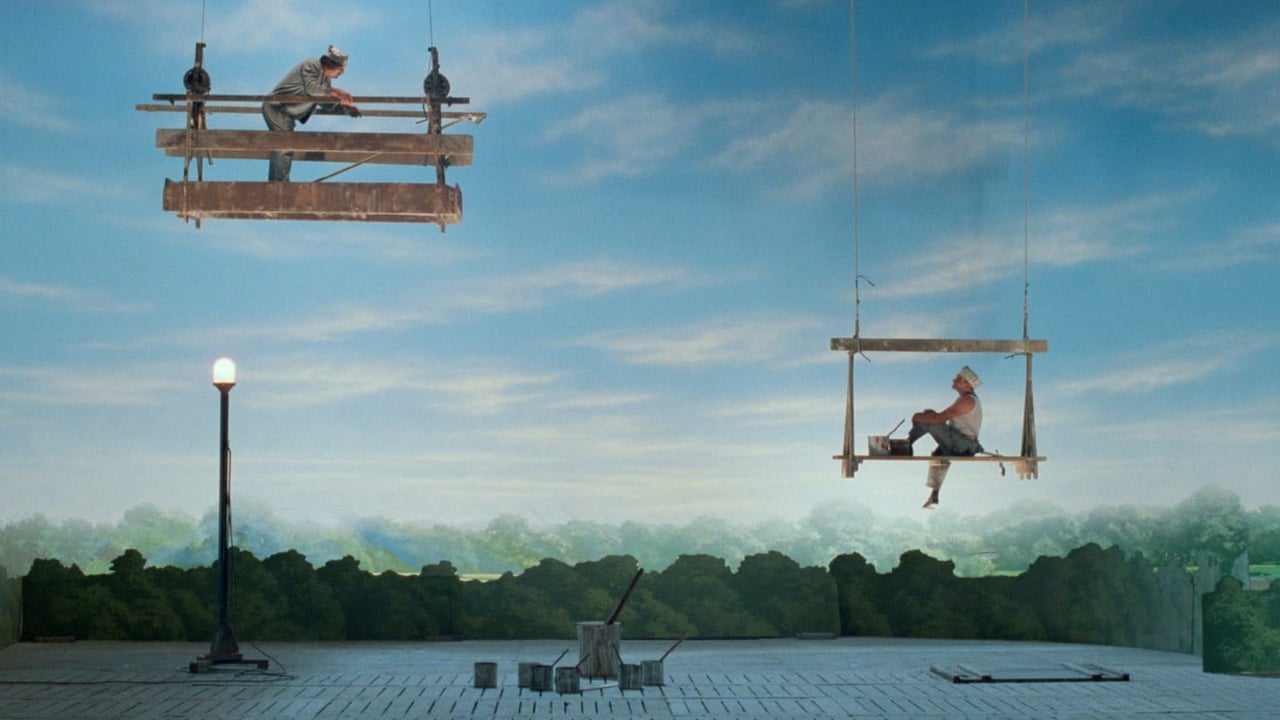
What strikes you immediately about Intervista isn't a conventional plot, but an atmosphere thick with memory and the very process of filmmaking. Fellini, playing himself, ostensibly grants an interview to a Japanese television crew, intending to document his work on a new film adaptation of Kafka's "Amerika". But this premise quickly dissolves, becoming a typically Felliniesque swirl of reality, fantasy, memory, and self-reflection. The interview framework feels less like a documentary conceit and more like an excuse for Fellini to wander through the playground of his past: the legendary Cinecittà studios in Rome.
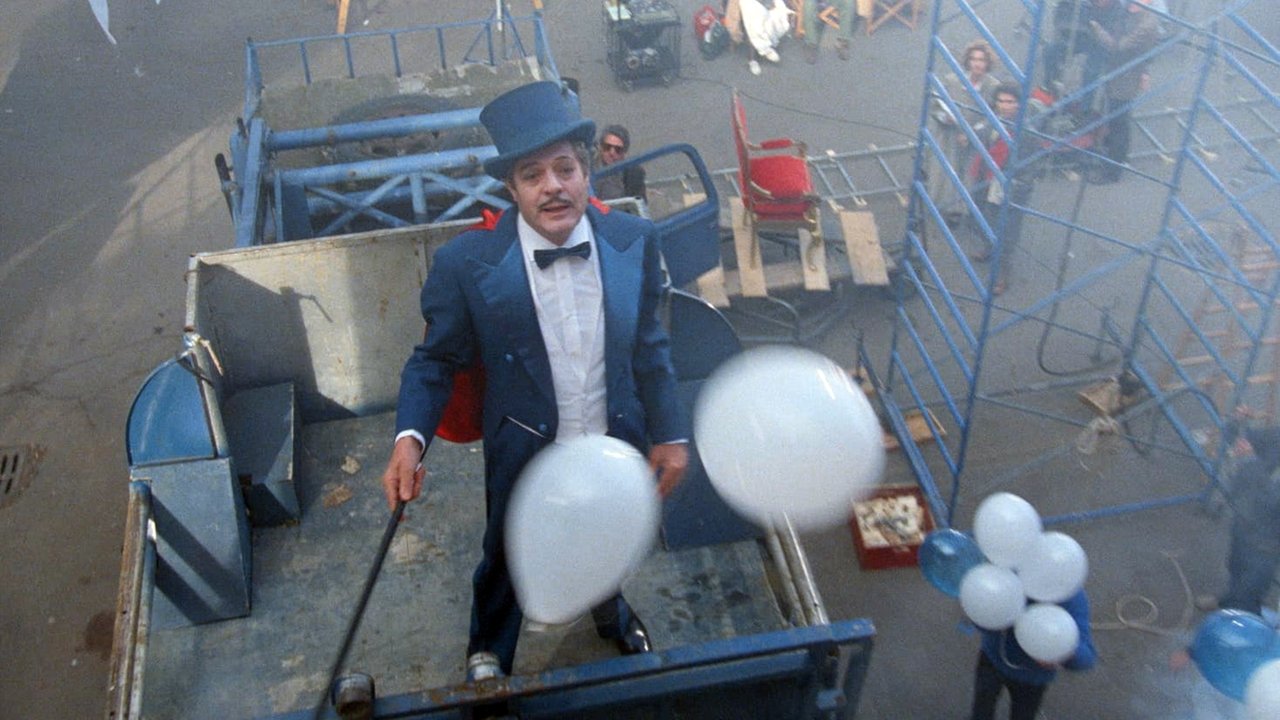
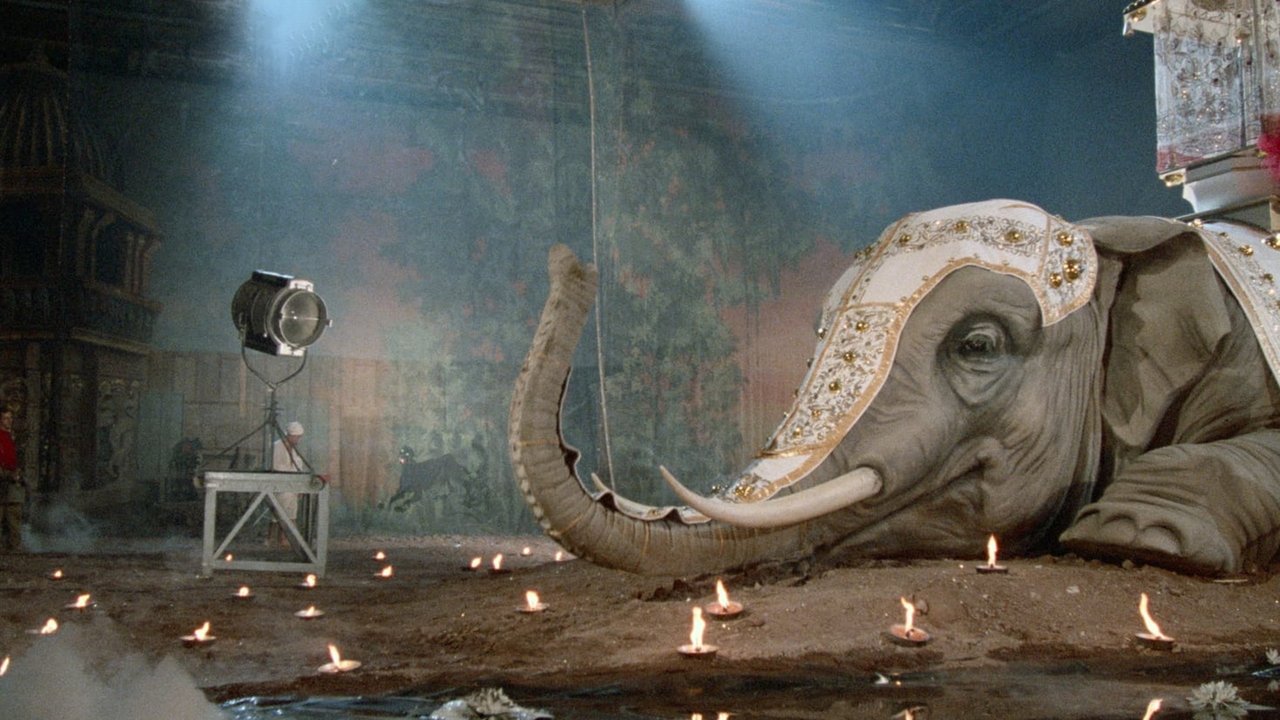
Cinecittà itself becomes a central character here. It's not just a backdrop; it’s presented as a living, breathing entity, populated by the echoes of past productions, aspiring actors dressed as historical figures or fantastical creatures, and the organised chaos that seems perpetually synonymous with a Fellini set. He guides the Japanese crew (and us) through this labyrinth, encountering fragments of his own history and the history of cinema itself. There’s a palpable sense of the studio as a dream factory, but one where the machinery is getting older, perhaps a little rusty, reflecting the director’s own stage in life and career.
### A Master Holds the Mirror
Watching Fellini navigate this space is fascinating. He’s not just the ringmaster, as in 8½; here, he seems more vulnerable, more introspective. The film constantly plays with layers of reality – are we watching Fellini direct a film? Are we watching a documentary about him directing? Or are we watching a fictional film about Fellini being documented while directing? The answer, of course, is all of the above, blended into a seamless, often surreal, whole. It’s a testament to his genius that this never feels confusing, merely hypnotic.
This self-reflexivity feels less like intellectual showing off and more like an honest exploration. What does it mean to be Federico Fellini in the late 1980s, with the golden age of Italian cinema receding in the rearview mirror? How does the weight of past triumphs, like the iconic La Dolce Vita, sit with the present? The film doesn't offer easy answers, but revels in the questions. One delightful sequence involves a sudden, staged Indian attack on the set – a burst of pure cinematic fantasy interrupting the faux-documentary feel, reminding us that even in reflection, Fellini can't resist the spectacular.
### The Weight of Memory, The Grace of Time
The undeniable heart of Intervista, the moment that likely lodges itself in the memory of anyone who’s seen it, is the reunion between Marcello Mastroianni (also playing a version of himself, naturally) and Anita Ekberg. Fellini orchestrates a visit to Ekberg’s home, where the three watch footage of the Trevi Fountain scene from La Dolce Vita projected onto a screen. The silence, the shared glances between Mastroianni and Ekberg – now older, undeniably changed, yet still possessing that indelible star quality – it’s breathtaking.
There's no dialogue needed to convey the passage of time, the bittersweet nature of fame, and the enduring power of cinematic moments. Ekberg, watching her younger self embody a near-mythical ideal of sensuality, carries herself with a quiet dignity that is deeply moving. Mastroianni, ever the suave collaborator, shares in this moment of reflection. It’s not played for cheap sentimentality; it feels earned, authentic, and incredibly poignant. This scene alone justifies the film's existence, a moment where the magic of cinema and the reality of human aging intersect beautifully. Reportedly, the reunion was genuine, adding another layer to its emotional resonance.
### More Than Just Trivia
While Intervista is steeped in Fellini's world, it offers glimpses into the craft. We see the casting process, the construction of sets, the director wrestling with inspiration (or lack thereof). Interestingly, the film itself was produced to celebrate Cinecittà's 50th anniversary, making its focus on the studio's history and atmosphere even more fitting. It ended up winning the prestigious 40th Anniversary Prize when it premiered at the 1987 Cannes Film Festival, a nod to its unique place in Fellini's oeuvre and cinematic history. The budget was modest compared to his epics, yet the visual richness, thanks in part to cinematographer Tonino Delli Colli (a frequent Fellini collaborator), feels expansive. Nicola Piovani's score, blending playful circus motifs with more melancholic themes, perfectly captures the film's dual nature.
### Final Reel
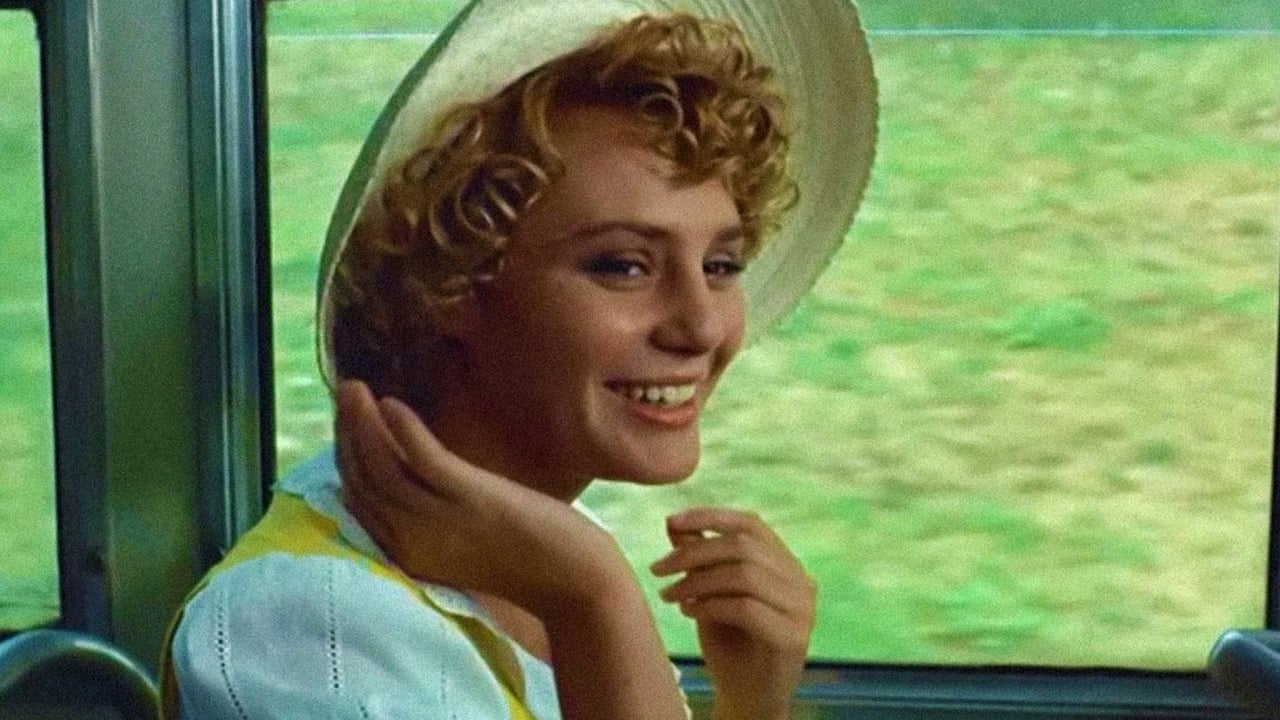
Intervista might not be the first Federico Fellini film someone reaches for, lacking the narrative drive or iconic set pieces of his most famous works. But for those of us who appreciate the man behind the curtain, who find beauty in introspection and the ghosts of cinema past, it's a deeply rewarding experience. It’s a film about film, made with a love that radiates from every frame, even amidst the melancholy. It feels like a personal letter from Fellini, not just to his audience, but perhaps to himself and his collaborators.
Rating: 8/10 - This score reflects Intervista's unique power as a deeply personal, self-reflective piece from a master filmmaker. It doesn't aim for conventional storytelling, which might frustrate some, but its emotional resonance (especially the Mastroianni/Ekberg reunion), its loving portrait of Cinecittà, and its hypnotic blend of reality and fantasy make it a captivating and essential work for Fellini enthusiasts. It perfectly earns its place as a thoughtful, late-career gem.
It leaves you pondering the illusions we chase, both on screen and off, and the bittersweet beauty found in looking back. What lingers isn't a plot point, but the feeling of having spent time with a legend as he navigated the dreamscapes of his own creation one last time.