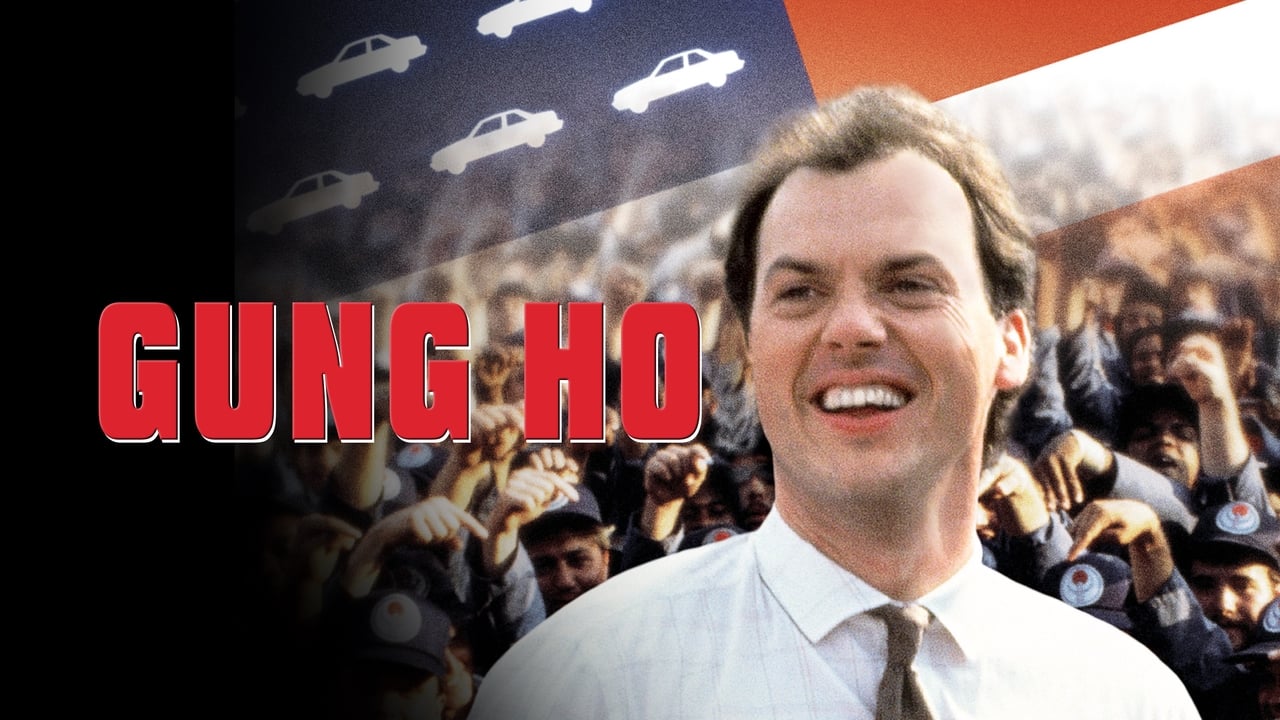
Alright fellow tapeheads, let’s rewind to a time when Japanese cars were flooding the market, American industry felt shaky, and Ron Howard was solidifying his directorial chops after melting hearts with Splash (1984) and warming souls with Cocoon (1985). Slide that well-worn copy of Gung Ho (1986) into the VCR, adjust the tracking just so, and prepare for a culture clash comedy that feels distinctly, sometimes awkwardly, but often amusingly, eighties. This wasn't just another flick on the rental shelf; it tapped directly into the water cooler talk of the era – anxieties about jobs, foreign competition, and whether we could all just get along... preferably before the next shift started.
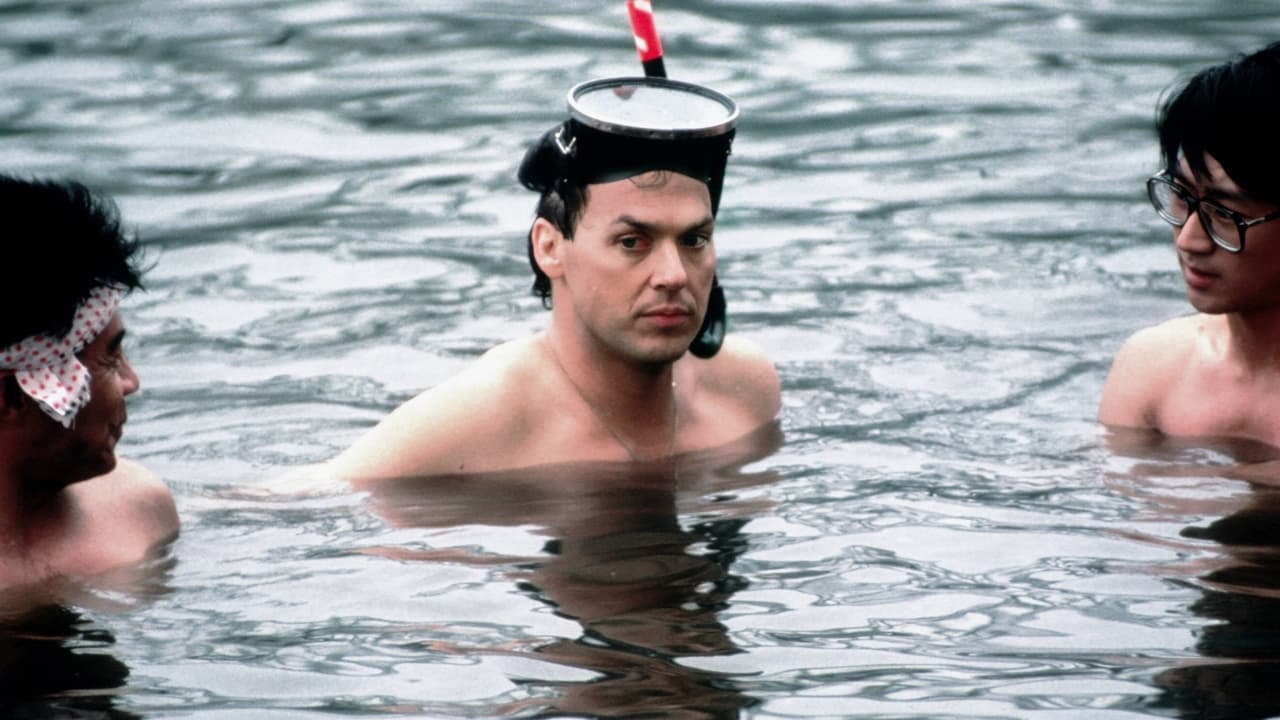
East Meets West (Pennsylvania)
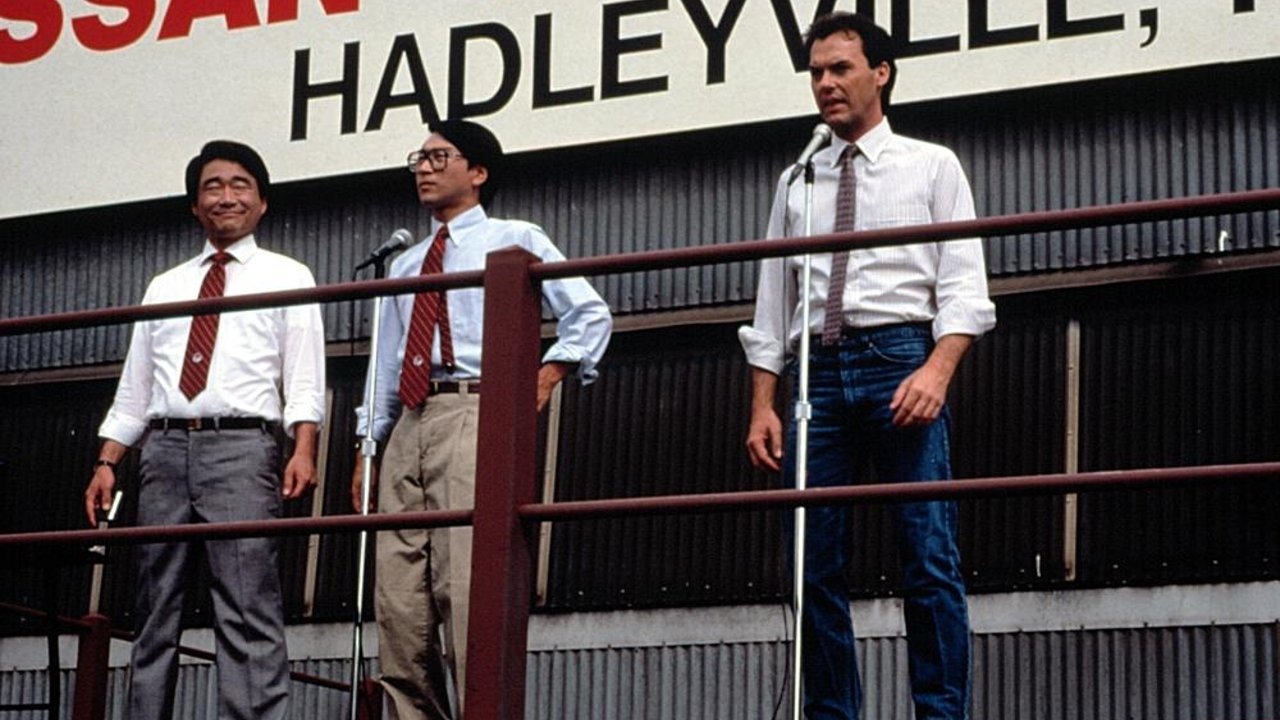
The setup is pure 80s Main Street anxiety: the auto plant in Hadleyville, PA, is dead. Kaput. Until smooth-talking former foreman Hunt Stevenson, played with manic, mile-a-minute energy by Michael Keaton, convinces Japanese conglomerate Assan Motors to swoop in and save the day. What follows is the cinematic equivalent of trying to mix oil and water, or perhaps more accurately, sushi and cheap American beer. Keaton, who apparently shadowed Chrysler execs to prep for the role, is the perfect harried middleman, caught between the rigid, work-obsessed Japanese management led by the equally stressed Kazihiro (Gedde Watanabe) and his former blue-collar buddies (including a perfectly cast George Wendt, taking a break from the Cheers barstool) who are… let’s just say, less enthusiastic about early morning calisthenics and impossible production quotas.
The script, penned by the legendary comedy duo Lowell Ganz and Babaloo Mandel (who also gave us Splash and Parenthood (1989)), mines this cultural friction for all its worth. You get the expected gags: Americans baffled by Japanese business practices, Japanese managers horrified by American laziness, misunderstandings about everything from baseball to break times. Watching it now, some of the humor definitely relies on stereotypes that feel broad, maybe even a little uncomfortable. But back in '86, found nestled between other mainstream comedies on the New Releases wall, it felt topical and, thanks to the cast's commitment, genuinely funny in stretches. It wasn't trying to be subtle; it was aiming for laughs grounded in a recognizable (if exaggerated) reality of the time.
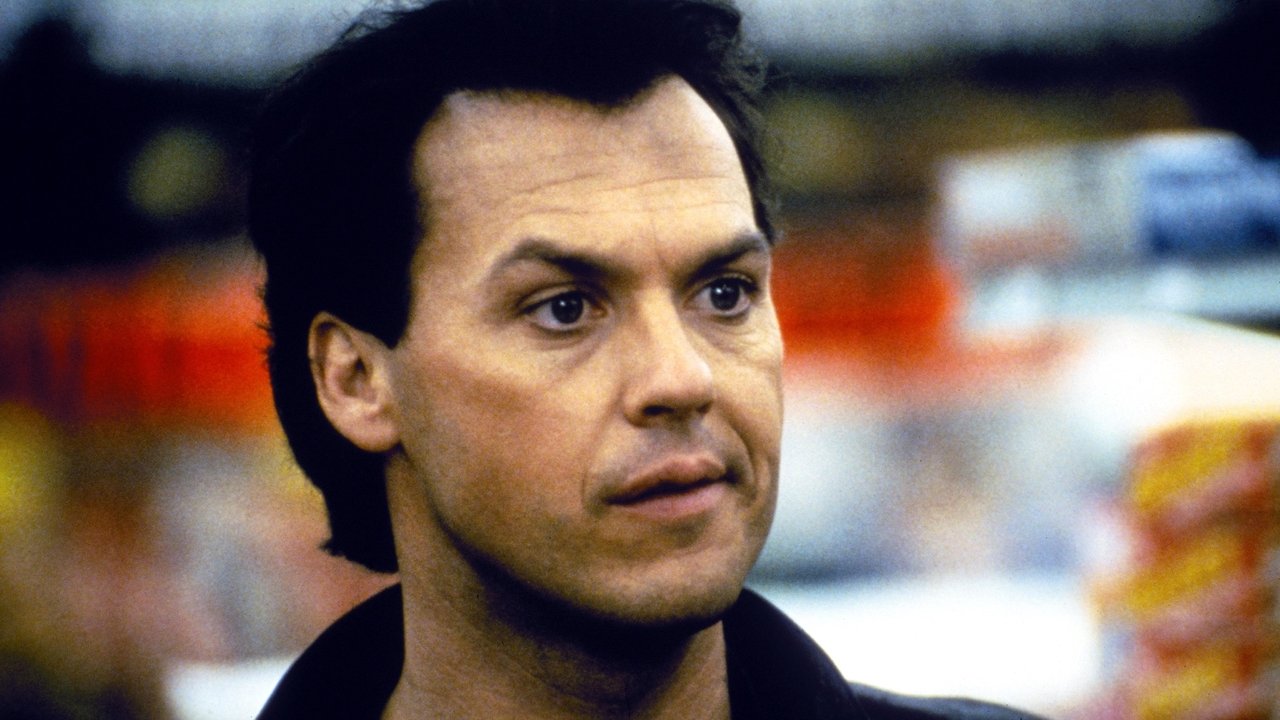
Keaton Unleashed
Let's talk Michael Keaton. This was before Beetlejuice (1988) or the Bat-cowl, but you can see that live-wire charisma crackling. Hunt Stevenson is a fast-talker, a bullsh*tter, constantly scrambling, lying, and improvising to keep both sides from imploding. It’s a performance fueled by nervous energy and flop sweat, and Keaton absolutely nails it. He makes Hunt likable even when he’s being completely opportunistic. It’s hard to imagine anyone else in the role, though reportedly Eddie Murphy was considered early on – think about that alternate timeline VHS! Keaton carries the comedic weight, making the sometimes-predictable scenarios feel fresh through sheer force of personality.
Factory Floor Fun and 80s Feel
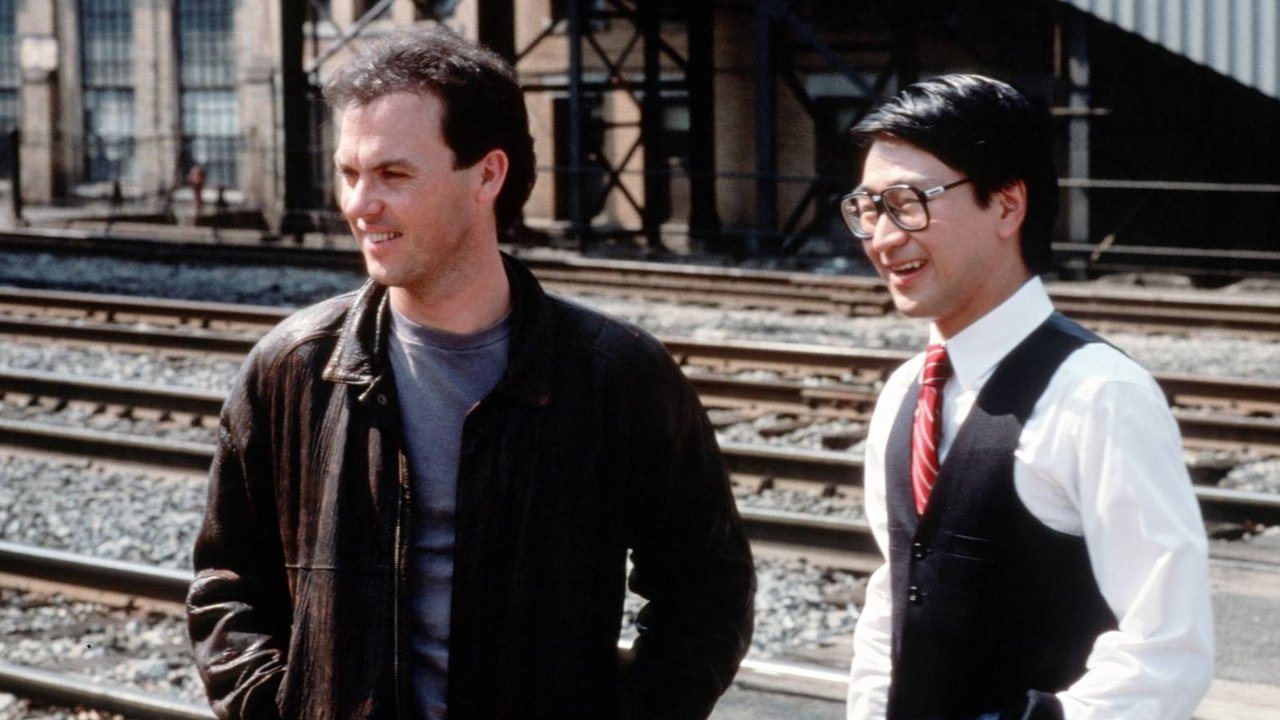
Ron Howard directs with a steady hand, keeping the focus on the characters even amidst the culture-clash chaos. He knows how to make fundamentally decent people trying their best engaging, even when they’re screwing up royally. Remember that frantic final sequence where they try to build those last few cars? There’s a tangible, almost frantic energy to it – real people, real machinery (filmed largely on location in Pennsylvania and Ohio towns that lent an air of authenticity), a sense of physical effort that feels very grounded compared to today's slicker productions. That sequence reportedly presented some real logistical headaches for the filmmakers, trying to coordinate the assembly line action for the camera.
The whole film looks like 1986. The slightly gritty factory setting, the glimpses of small-town life, the hairstyles and clothes – it’s a time capsule pressed onto magnetic tape. The stakes feel relatable for the era: keeping the local plant open wasn't just a plot device, it was a real-world concern playing out across the Rust Belt. The film resonated enough to earn a respectable $36 million (on a budget around $15-18 million) and even spawned a short-lived TV sitcom spin-off, though without Keaton's star power, it quickly faded.
More Than Just a Punchline?
On the other side of the cultural divide, Gedde Watanabe as Kazihiro gets more substantial screen time than his more famous comedic turn in Sixteen Candles (1984). Kazihiro isn't just a stereotype; he's a man under immense pressure from his bosses, facing potential disgrace if he fails. Watanabe brings a necessary humanity to the role, showing the personal cost of the relentless Japanese work ethic that the film contrasts with American slacking. While the portrayal still leans into established tropes, there's an attempt to give him depth, making the eventual (predictable, but welcome) bridging of the gap between him and Hunt feel somewhat earned.
Hitting Eject
So, is Gung Ho still worth popping in the VCR (or, you know, streaming)? As a pure comedy artifact of the 80s, absolutely. It’s got Michael Keaton firing on all cylinders, a relatable premise for anyone who remembers the economic anxieties of the decade, and that unmistakable feel of Reagan-era mainstream filmmaking. Some jokes haven't aged gracefully, relying on cultural caricatures that land differently today. But the core story about disparate groups finding common ground (or at least, learning to tolerate each other for the sake of the job) still has a certain charm. It captures a specific moment in time with humor and a surprising amount of heart, thanks largely to Howard's direction and Keaton's whirlwind performance.
VHS Heaven Rating: 7/10
Why 7? It scores points for Michael Keaton's fantastic comedic performance, its timely (for the 80s) premise, Ron Howard's solid direction, and that authentic retro feel. It loses a few points for the reliance on cultural stereotypes that feel broad by today's standards and a somewhat predictable plot trajectory. However, it remains an enjoyable and interesting snapshot of its era.
Final Take: Grab this one if you want a dose of prime 80s Keaton and a funny, if occasionally unsubtle, look back at when "Made in Japan" felt like both a promise and a threat – a reminder that sometimes, bridging the gap just requires everyone to work together... or at least, pretend to until the whistle blows.