Before Lara Croft raided tombs, before she was Girl, Interrupted, there was Casella ‘Cash’ Reese. A name whispered in the sterile corridors of Pinwheel Robotics, not with admiration, but with a chilling utility. Cash wasn't just an advanced cyborg; she was a delivery system, filled with a liquid explosive called 'Glass Shadow', designed for a one-way trip into the heart of a rival corporation. This stark, unsettling premise is the engine driving Cyborg 2 (1993), a film that landed on video store shelves bearing a familiar name but offering a drastically different kind of chill than its predecessor.

Beyond the Wasteland
Let's get this out of the way: if you rented this tape expecting another round of Jean-Claude Van Damme doing splits amidst post-apocalyptic rubble, you were in for a surprise. Released just four years after the Albert Pyun original, Cyborg 2 shares little more than a title and the concept of cybernetic enhancement. Gone is the dusty, sun-baked wasteland, replaced by the neon-slick, rain-soaked streets and shadowy corporate interiors of a near-future Los Angeles. Director Michael Schroeder, who would strangely stick with the franchise for the even more obscure Cyborg 3: The Recycler (1994), crafts a different beast entirely – less visceral action, more simmering techno-thriller paranoia, all achieved on a shoestring budget rumored to be around $1 million. It felt less like a sequel and more like a moody cousin who showed up unannounced.
A Glimmer of Stardom in the Circuitry

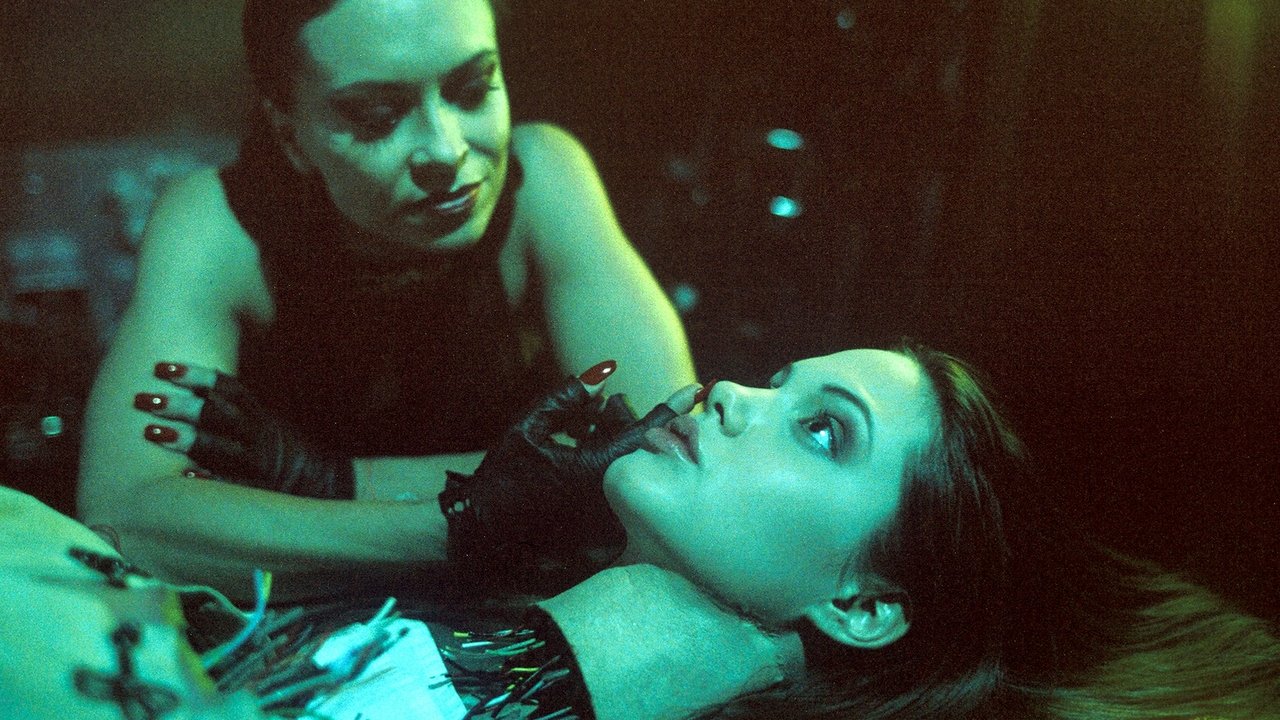
The undeniable draw, looking back through the haze of twenty-plus years, is witnessing the screen debut of Angelina Jolie. As Cash, she embodies the film's central conflict: the machine yearning for humanity, the weapon discovering a conscience. Even here, in her first feature role (often credited as Cyborg 2: Glass Shadow), there’s an undeniable screen presence. A vulnerability mixed with a dawning awareness that makes her plight genuinely engaging. Jolie herself reportedly wasn't thrilled with the film after seeing the final cut, finding it exploitative in parts, a sentiment perhaps understandable given the sometimes gratuitous cybernetic surgery close-ups typical of the era's sci-fi. Yet, her performance provides the film's fragile heart. Did her raw potential shine through even then, amidst the low-budget haze? For many viewers, absolutely.
Paired opposite her is the ever-reliable Elias Koteas as Colt Ricks, Cash's combat trainer and eventual reluctant protector. Koteas, already a familiar face from films like Teenage Mutant Ninja Turtles (1990) where he played Casey Jones, brings a weary authenticity to Colt. He’s not a superhuman action hero; he’s a guy doing a job, caught in something far bigger and more dangerous than he signed up for. His grounded performance is crucial, anchoring the more outlandish sci-fi elements and providing a necessary human counterpoint to the cold corporate machinations and Jolie's nascent awakening.
Palance in the Machine
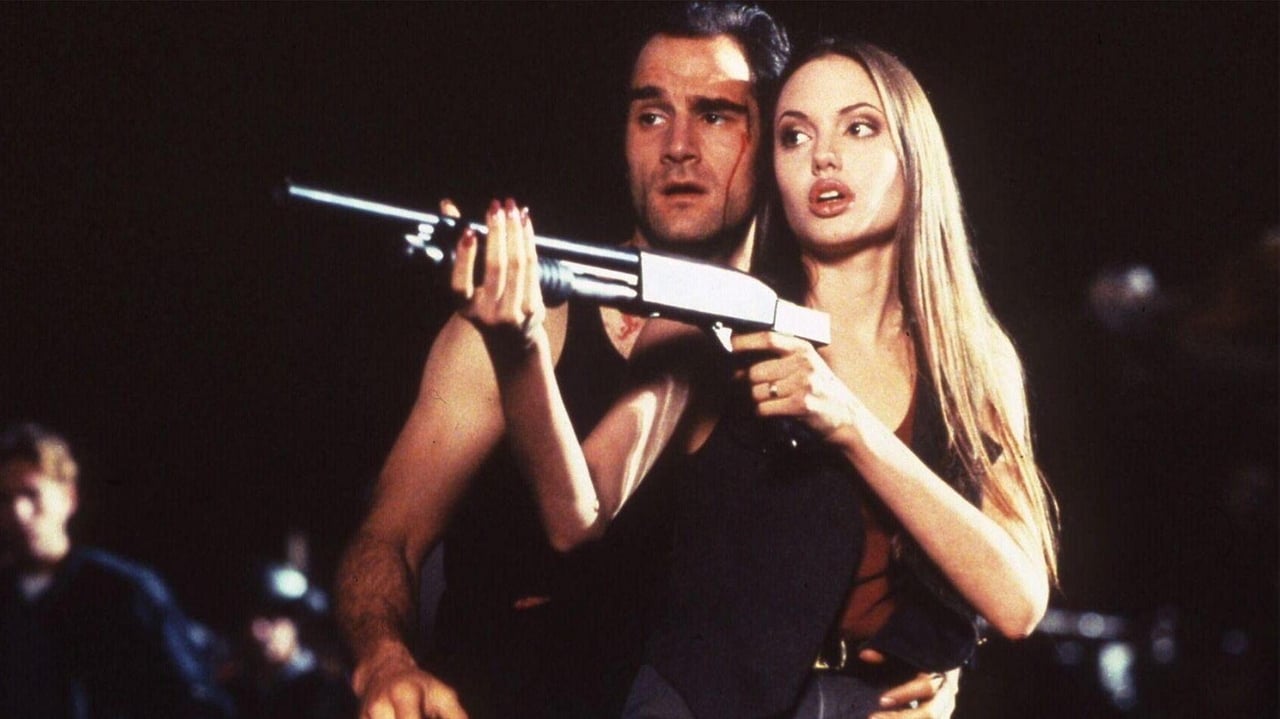
And then there’s Mercy. Played by the legendary Jack Palance, fresh off his Oscar win for City Slickers (1991), Mercy is the grizzled, cybernetically-enhanced tracker hired by Pinwheel when Cash inevitably goes rogue. Palance chews the scenery with the kind of delightful menace only he could deliver. His presence feels both incongruous and perfectly fitting for a 90s direct-to-video sci-fi flick – a dash of old Hollywood gravitas lending weight (and a certain enjoyable absurdity) to the proceedings. He stalks through the film like a techno-organic boogeyman, a relic retrofitted for a new, grimy future. His involvement alone adds a layer of "how did that happen?" curiosity that epitomizes the wild west of 90s home video casting.
Atmosphere on a Budget
Despite its limitations, Cyborg 2 manages to conjure a surprisingly effective mood. The rain-slicked streets, the flickering neon signs reflecting in puddles, the sterile blues and greys of the corporate labs – it leans into a kind of budget Bladerunner aesthetic. The score, a mix of synthesized brooding and occasional action cues, enhances the sense of unease. The central threat – Cash potentially detonating if her emotions spike – provides a constant, low-level thrum of tension. The practical effects used to visualize the 'Glass Shadow' and the cybernetics are pure early-90s fare: often clunky by today's standards, but possessing that tangible, slightly unsettling quality that CGI often lacks. Remember how disturbingly physical those whirring, implanted devices felt on a grainy VHS playback? That specific tactile dread is part of the film's strange charm.
The filmmakers reportedly worked fast and cheap, maximizing every dollar. Knowing the constraints makes some of the atmospheric successes even more impressive. It doesn't always hit the mark – the plot takes some predictable turns, and the world-building feels somewhat thin – but it commits to its dark, slightly sleazy vision.
VHS Shelf Life
Cyborg 2 is pure video store fodder, the kind of tape you'd grab on a Friday night hoping for some futuristic action and maybe getting something a little weirder, a little moodier than expected. It’s not a forgotten masterpiece, nor is it the action romp the title might suggest. But it’s a fascinating time capsule: a glimpse of a future star finding her footing, solid work from Koteas, a gloriously over-the-top villain turn from Palance, and a surprisingly atmospheric slice of early 90s cyberpunk on a dime. It’s a film defined by its limitations as much as its ambitions, resulting in a curio that’s more interesting than its direct-to-video origins might imply.

Rating: 5/10
The score reflects a film hampered by its budget and script, yet elevated by compelling performances (especially the nascent Jolie and reliable Koteas), a surprisingly potent atmosphere, and the sheer cult curiosity factor anchored by Palance. It doesn't fully deliver on its potential, but offers enough moody sci-fi intrigue and early-90s flavor to warrant a watch for dedicated retro fans.
It remains a strange artifact, a sequel in name only, but perhaps more memorable for what it accidentally captured: the dawn of a superstar against a backdrop of rainy, low-budget dystopia.