"Get the data out of my head!" The scream echoes not just through the rain-slicked, neon-drenched streets of a future Newark, but through the very circuits of mid-90s techno-anxiety. Johnny Mnemonic (1995) wasn't just a movie; it felt like a frantic warning signal beamed directly onto our flickering CRT screens, a garbled transmission from a future already breathing down our necks. Based on a story by the godfather of cyberpunk himself, William Gibson, and directed by visual artist Robert Longo, it crash-landed into multiplexes and video stores promising a glimpse into the digital abyss. What we got was... complicated.

### Data Overload Blues
The premise is pure cyberpunk pulp: Keanu Reeves, fresh off the bus-bound intensity of Speed (1994) but before he truly learned kung fu, plays Johnny. He's a mnemonic courier, sacrificing his childhood memories to turn his brain into a high-capacity, highly illegal hard drive for sensitive corporate data. The problem? His latest payload – 320 gigabytes of stolen pharma secrets – is double his capacity and leaking. If he doesn't download it fast, it'll kill him. Oh, and the Yakuza, led by a chillingly calm Takeshi Kitano (a major international star even then, known for his stoic roles and directing work like Sonatine), want the data back, preferably along with Johnny's head. It's a race against time, synaptic meltdown, and corporate assassins through a grimy, desperate future. Gibson himself adapted his short story, initially envisioning a much smaller, art-house affair. The journey to a $26 million studio picture was fraught, and whispers persist that Gibson wasn't thrilled with the action-heavy result, a sentiment perhaps echoed in the existence of a longer, Japanese cut often considered closer to the original vision.
### Glitchy Futurescape
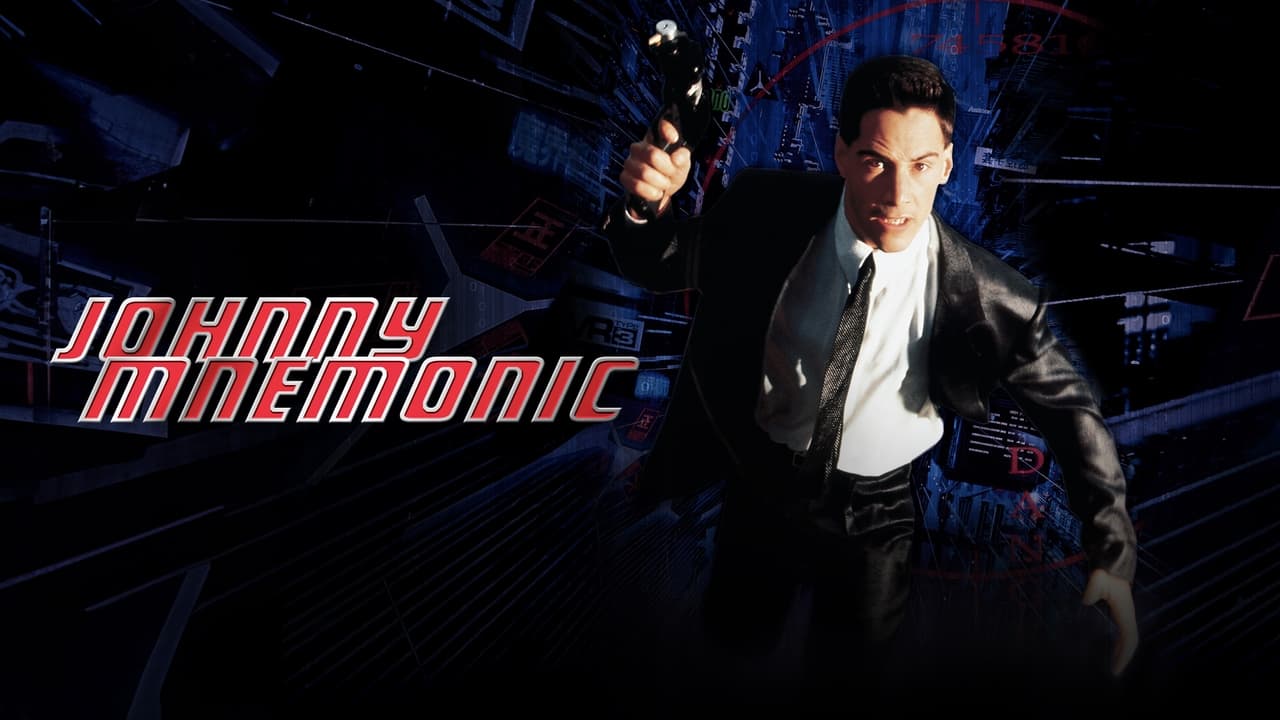
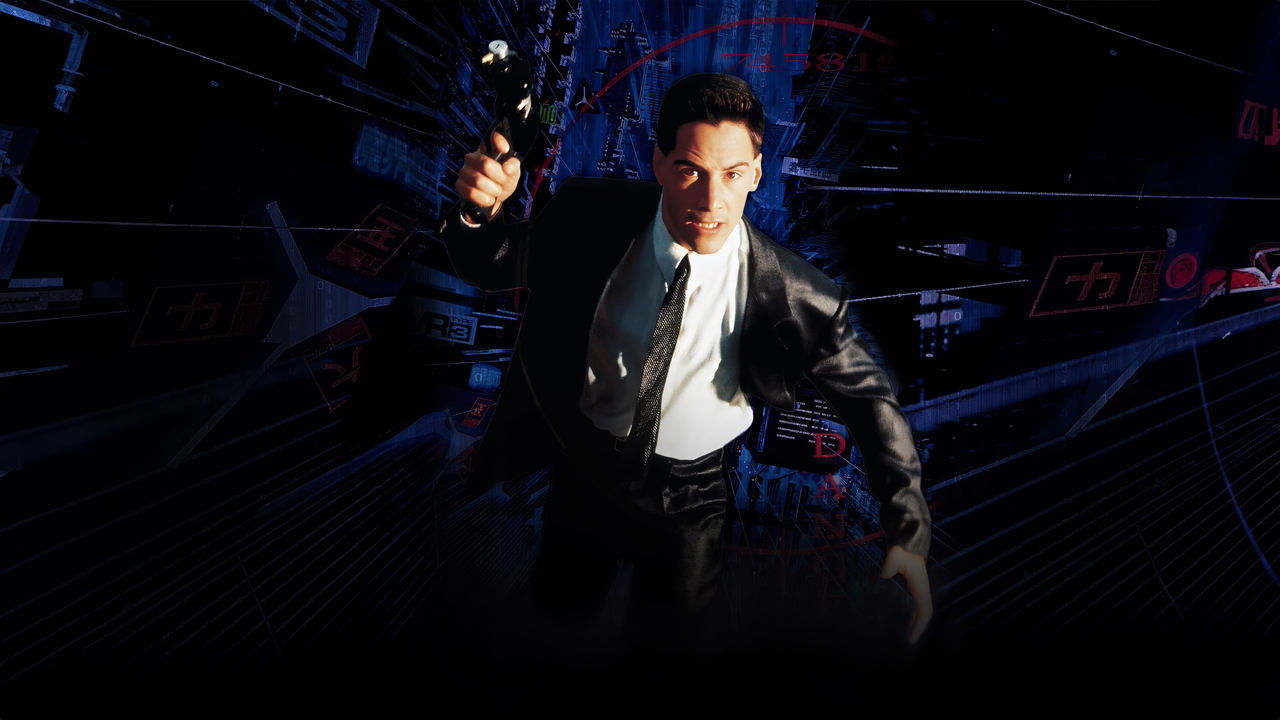
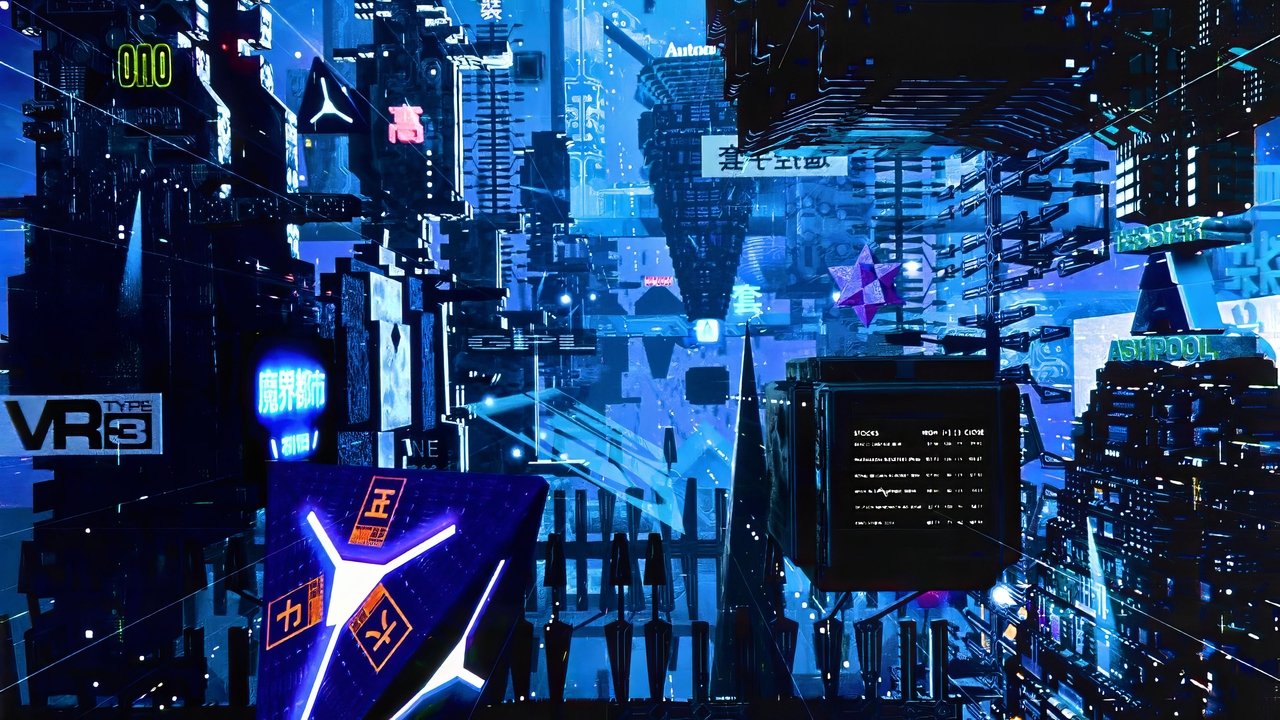
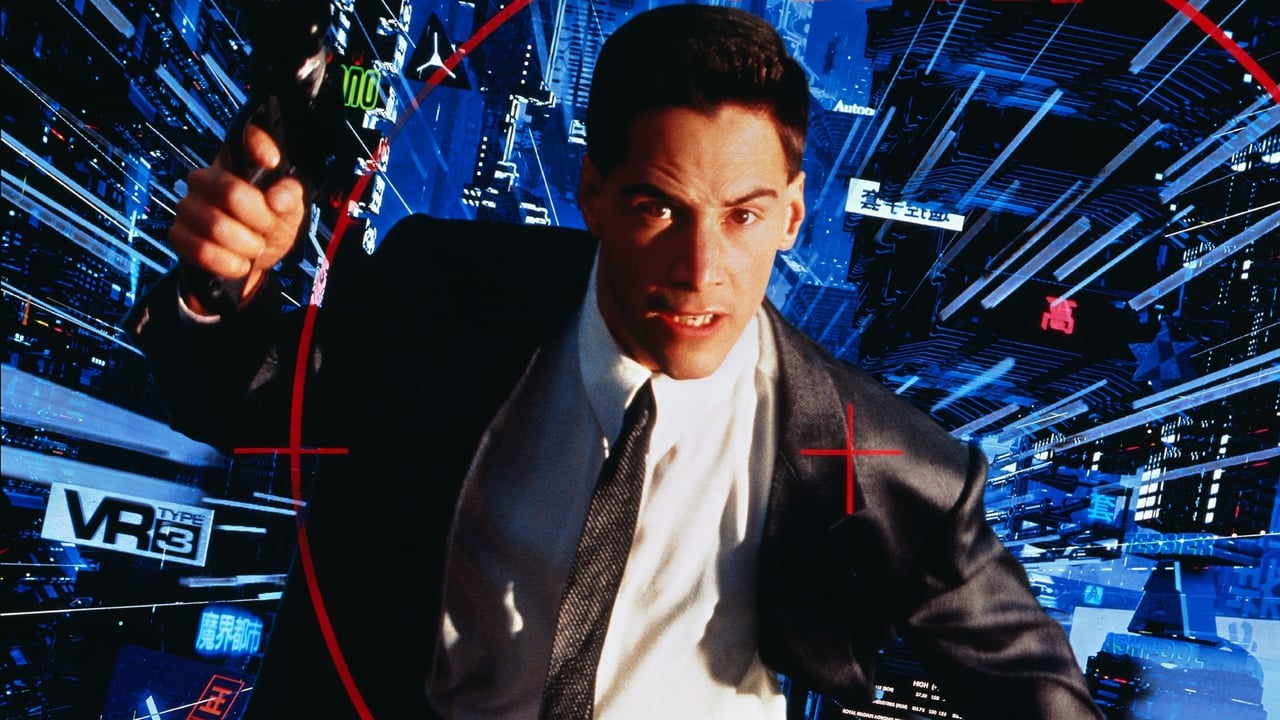
Visually, Johnny Mnemonic is a fascinating time capsule. Longo, primarily known for his striking large-scale drawings and sculpture, brings a distinct, if sometimes inconsistent, aesthetic. The world is perpetually dark, wet, and cluttered with outdated tech retrofitted for sinister purposes. There’s a tangible grit to the physical sets and locations (often Toronto standing in for Newark and Beijing) that feels authentically cyberpunk – the 'low life' aspect feels more convincing than the 'high tech'. The attempts at depicting cyberspace, however, are pure 90s digital artifact – blocky, rudimentary, almost charmingly naive compared to what awaited us just a few years later with The Matrix (1999), which would, ironically, also star Reeves. Still, there’s an unsettling quality to the body horror elements: the implanted jacks, the twitching cybernetics, the constant threat of technological violation. Remember Jones, the code-cracking cyber-dolphin? A truly bizarre creation realized through animatronics that, while perhaps clunky now, added to the film's unique, off-kilter atmosphere. Achieving those dolphin scenes reportedly involved complex puppetry and underwater filming challenges, pushing the boundaries of practical effects at the time.
### Memorable Peripheral Code
While Reeves carries the film with a certain bewildered intensity (culminating in that infamous rooftop monologue demanding room service – a scene often mocked, but undeniably memorable in its sheer desperation), the supporting cast injects much of the film's weirder energy. Dina Meyer makes a strong impression as Jane, the cybernetically enhanced bodyguard fighting her own demons (specifically, the "black shakes"). Ice-T brings effortless cool as J-Bone, leader of the anti-establishment Lo-Teks. And then there's Dolph Lundgren. Fresh off more conventional action roles, his appearance as the cyber-crucifix-wielding Street Preacher is utterly unhinged and unforgettable, a slice of pure B-movie delirium amidst the corporate espionage plot. Udo Kier also appears, bringing his signature unsettling presence as Johnny's handler. These characters feel ripped from the pages of a worn paperback novel found in a dusty corner of the sci-fi section, adding flavour to the sometimes-clunky main narrative. The casting itself holds intrigue; apparently, Val Kilmer was considered for Johnny before Reeves landed the role that would inadvertently serve as a dry run for Neo.
### Legacy on a Scratched Disc
Watching Johnny Mnemonic today is a strange experience. The dialogue can be clunky, the plot occasionally nonsensical, and the tech feels laughably dated ('doubling RAM' with a physical cartridge!). Yet, beneath the surface-level flaws, there's a palpable sense of dread about information overload, corporate power, and the very nature of memory in a digital age – themes Gibson pioneered and which feel more relevant than ever. It captures that specific mid-90s moment when the internet was this vast, unknown, slightly terrifying frontier. My own well-worn VHS copy, rented countless times from the local Video Zone, seemed to hum with that same nervous energy. Did it fully realize Gibson’s vision? Probably not. The studio likely pushed for more action, sanding down some of the philosophical edges, leading to a film that feels caught between thoughtful sci-fi and explosive blockbuster. It underperformed significantly at the US box office, pulling in just over $19 million against its $26 million budget (roughly $36m vs $49m today), solidifying its "cult favourite" status rather than mainstream hit.
Despite its shortcomings, there's an earnestness, a raw creative spark within Johnny Mnemonic that keeps it compelling. It’s a messy, ambitious, sometimes ridiculous piece of cyberpunk history that tried to grapple with big ideas even if it occasionally tripped over its own ethernet cables. Doesn't that messy ambition feel quintessentially 90s?
---
Rating: 6/10
Justification: Johnny Mnemonic gets points for its ambitious cyberpunk vision, William Gibson's source material and involvement, its ahead-of-its-time themes, and some genuinely striking visuals and memorable character moments (Lundgren!). It captures a specific 90s techno-fear perfectly. However, it loses points for clunky execution in parts, dated special effects (especially the cyberspace sequences), sometimes awkward dialogue, and a feeling that the studio compromised the original, possibly darker, artistic intent. It’s a fascinating failure/flawed gem rather than a polished masterpiece.
Final Thought: It may not be the slickest ride into the future, but Johnny Mnemonic remains a vital, glitchy artifact of 90s cyberpunk – a film whose warnings about data overload feel eerily prescient, even if delivered via cyber-dolphin and a famously overwrought Keanu Reeves. A must-watch for genre fans, if only to see where we thought the future was heading back when 320GB seemed like an impossible amount of data to fit in your head.