Alright fellow tape travelers, let's rewind to 1993. Picture this: wandering the aisles of Blockbuster (or your local mom-and-pop video haven), scanning those clamshell cases, and landing on a familiar, friendly face – Michael J. Fox. The movie? For Love or Money. Maybe you grabbed it because you loved him in Back to the Future or Family Ties, or perhaps the promise of a glossy New York City romantic comedy just hit the spot for a Friday night viewing on the trusty CRT. Whatever the reason, popping this tape in felt like settling in for something comfortable, charming, and distinctly early 90s.
### The Ultimate Service Industry Fantasy
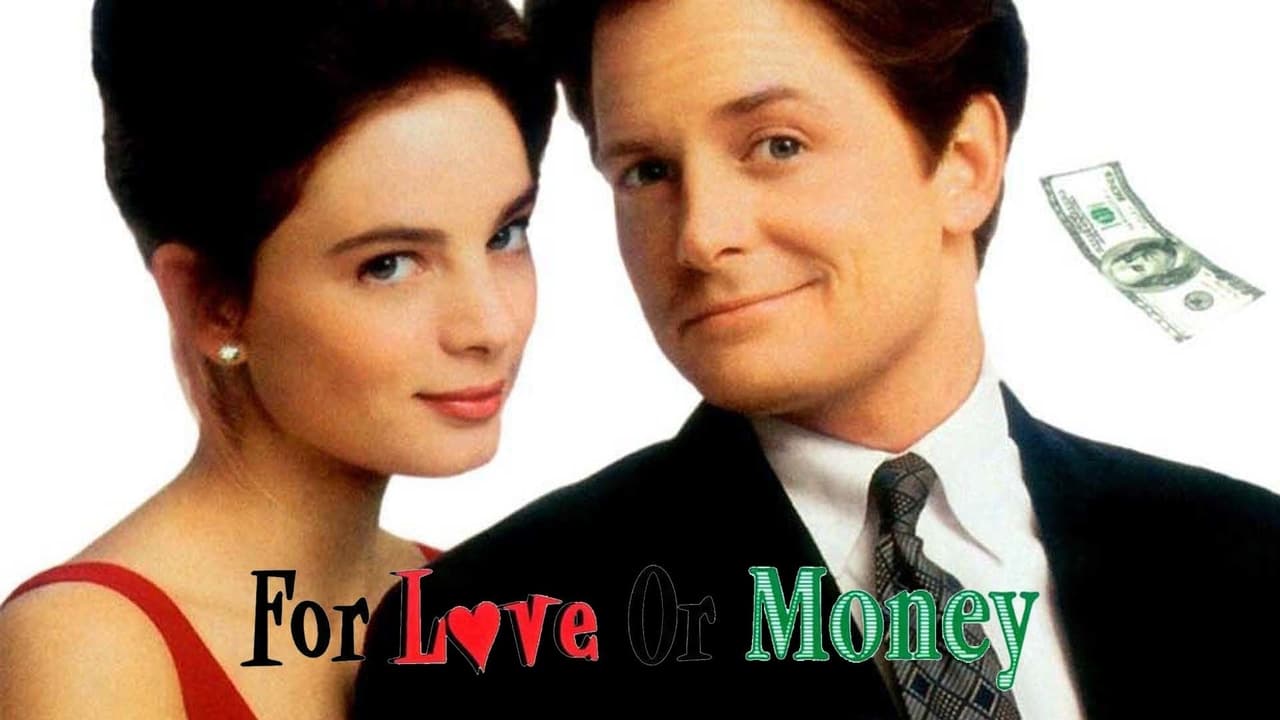
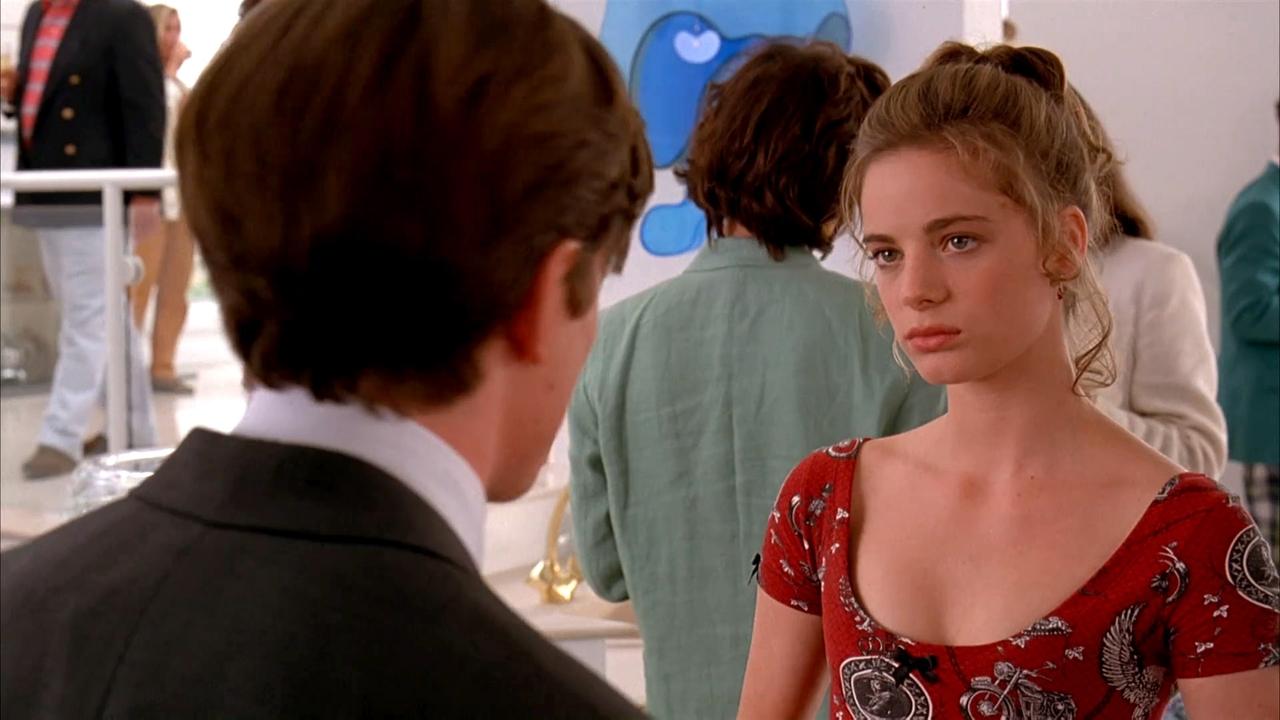
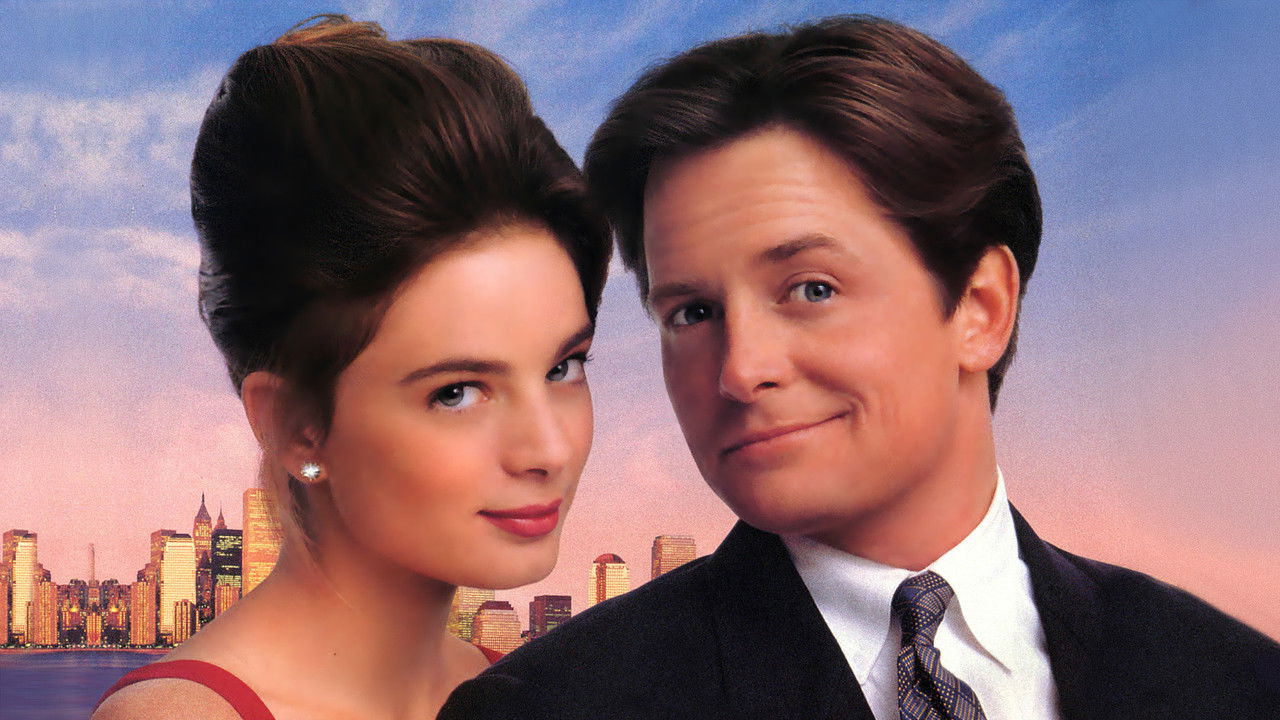
For Love or Money (originally, and perhaps more aptly, titled The Concierge) taps into a very specific kind of urban fantasy. Michael J. Fox plays Doug Ireland, the hyper-competent, endlessly resourceful concierge at the luxurious Bradbury Hotel in Manhattan. Doug isn't just getting theatre tickets or dinner reservations; he's a fixer, a confidante, a miracle worker fueled by charm, connections, and the discreet exchange of crisp bills. His real dream, however, is to open his own luxury hotel on Roosevelt Island, a dream hinging entirely on securing funding from the wealthy, and slightly shady, Christian Hanover (Anthony Higgins). The complication? Doug is hopelessly smitten with Andy Hart (Gabrielle Anwar), a perfume counter girl/aspiring singer... who also happens to be Hanover's mistress. Cue the romantic entanglements and ethical tightrope walking!
This isn't an action movie, obviously, but Doug's constant hustle feels like its own kind of high-stakes game. Remember how Fox could convey frantic energy while still seeming effortlessly cool? He's doing that constantly here, juggling demanding guests, placating his boss (Bob Balaban in a perfectly fussy role), scheming for his hotel, and trying desperately not to reveal his feelings for Andy. It's a performance that relies entirely on charisma and timing, the kind of star power that could carry a film back when CGI wasn't there to paper over cracks. Fox, near the peak of his movie stardom but before his later health challenges became widely known, is the engine that makes this whole thing run.
### Sonnenfeld's New York Story
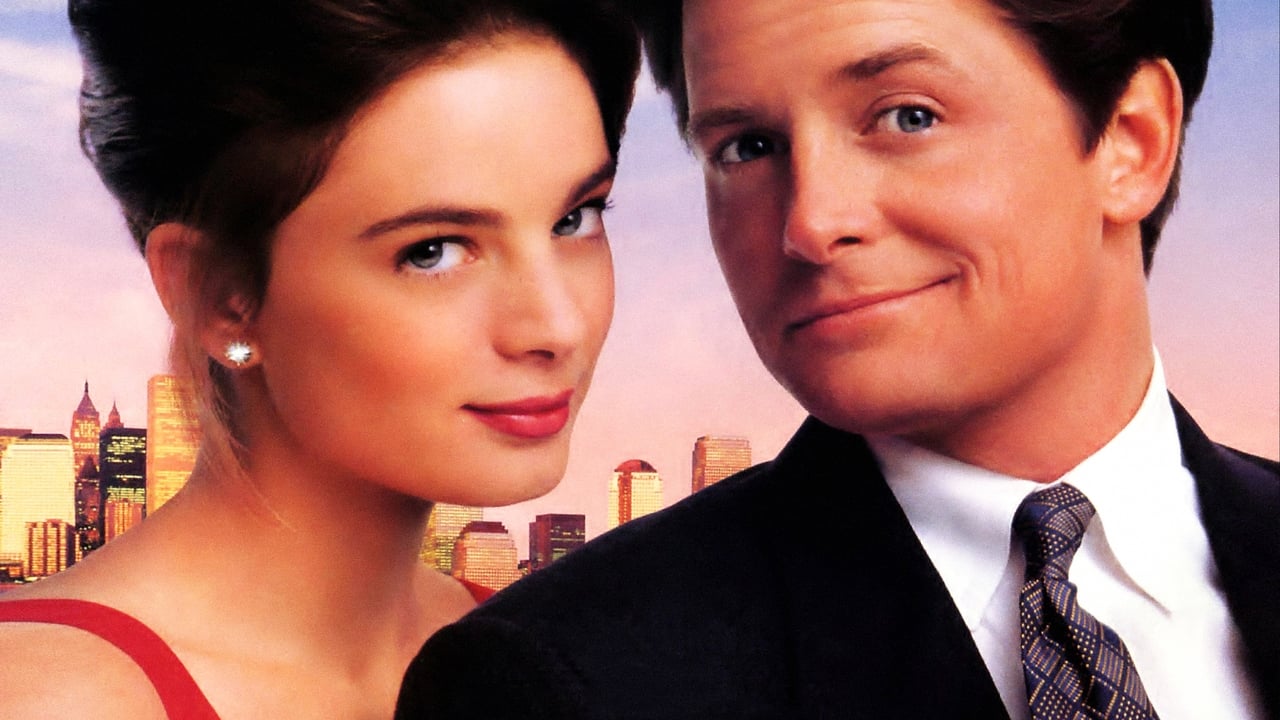
Stepping behind the camera was Barry Sonnenfeld, who was riding high off the gothic whimsy and visual flair of The Addams Family (1991). You can see some of that stylistic confidence here, though applied to a much more grounded (if still idealized) Manhattan. Sonnenfeld, a former cinematographer himself (working memorably with the Coen Brothers on films like Raising Arizona), gives the city a polished, inviting look. It’s the kind of clean, aspirational New York often seen in movies of this era – bustling but not too gritty, expensive but oh-so-desirable. The film reportedly used the iconic Pierre Hotel as a stand-in for the fictional Bradbury, lending it that authentic old-money Manhattan atmosphere. It's a vision of the city tailor-made for a cozy night in with a VHS tape.
The supporting cast adds flavor. Gabrielle Anwar, fresh off her memorable tango in Scent of a Woman (1992), is luminous as Andy, embodying the kind of gentle sweetness that makes Doug's infatuation believable, even if her character feels a tad underdeveloped. Anthony Higgins chews the scenery just enough as the requisite smooth-talking, vaguely European antagonist, a familiar trope executed effectively. And keep an eye out for familiar faces like Udo Kier and the delightful Fyvush Finkel.
### Retro Fun Facts & 90s Charm
Watching it now, For Love or Money is undeniably a product of its time. The technology (beepers!), the fashion, the specific type of romantic comedy beats – it all screams early 90s. The script, penned by Mark Rosenthal and Lawrence Konner (who also wrote The Jewel of the Nile), hits predictable notes, but does so with a certain earnestness. It doesn't reinvent the wheel, but it doesn't really try to. It aims for charm, and mostly achieves it, largely thanks to Fox.
Interestingly, despite the star power and Sonnenfeld's recent success, the film didn't exactly set the box office on fire. Made for a respectable $30 million, it only pulled in around $11.5 million domestically. Critics at the time were generally lukewarm, often finding it pleasant but slight and predictable. It wasn't a disaster, but it quickly faded, becoming one of those titles you'd reliably find lingering on rental shelves for years – a familiar comfort watch rather than a must-see event.
### Does the Service Still Satisfy?
So, how does For Love or Money hold up after hitting eject on the VCR of time? It’s definitely lightweight, and the plot mechanics creak a bit louder now. The central romance relies more on Fox's yearning looks than deep character connection. But there’s an undeniable sweetness and sincerity to it. It captures a specific, almost quaint, pre-internet vision of ambition and romance in the big city. Fox is immensely watchable, the visuals are pleasing, and it delivers exactly the kind of gentle, low-stakes romantic comedy comfort food it promises. There's no gritty realism or complex deconstruction here; it's pure, polished, early 90s studio fare.
VHS Heaven Rating: 6.5/10
Justification: The score reflects the film's undeniable charm, primarily carried by Michael J. Fox's winning performance and Barry Sonnenfeld's slick direction capturing a romanticized NYC. It’s a pleasant, well-made piece of 90s comfort cinema. However, it loses points for its predictable plot, somewhat thin characterization (especially for Andy), and overall lack of lasting impact or originality. It was a box office disappointment for a reason, feeling pleasant but ultimately forgettable for many. Still, for fans of Fox or cozy 90s rom-coms, it delivers a warm dose of nostalgia.
Final Thought: For Love or Money is like finding a slightly worn but comfortable armchair in the back room of a vintage shop – it might not be high art, but settling into its familiar, charmingly dated embrace feels surprisingly good, especially if you remember when concierges seemed like Manhattan wizards.