The flickering glow of the CRT, the hum of the VCR… some nights, you slid in a tape knowing you weren’t settling in for comfort. You were chasing a different kind of buzz: the knot in your stomach, the cold sweat prickle, the kind of tension that makes the shadows in your own room seem deeper. Some films just felt dangerous, even through the screen. Judgment Night was one of those tapes. It starts innocently enough – a guys' night out, a borrowed RV, a shortcut to avoid traffic – but it spirals, fast and hard, into a primal urban nightmare that feels chillingly plausible even decades later.

Wrong Turn, Worse Night
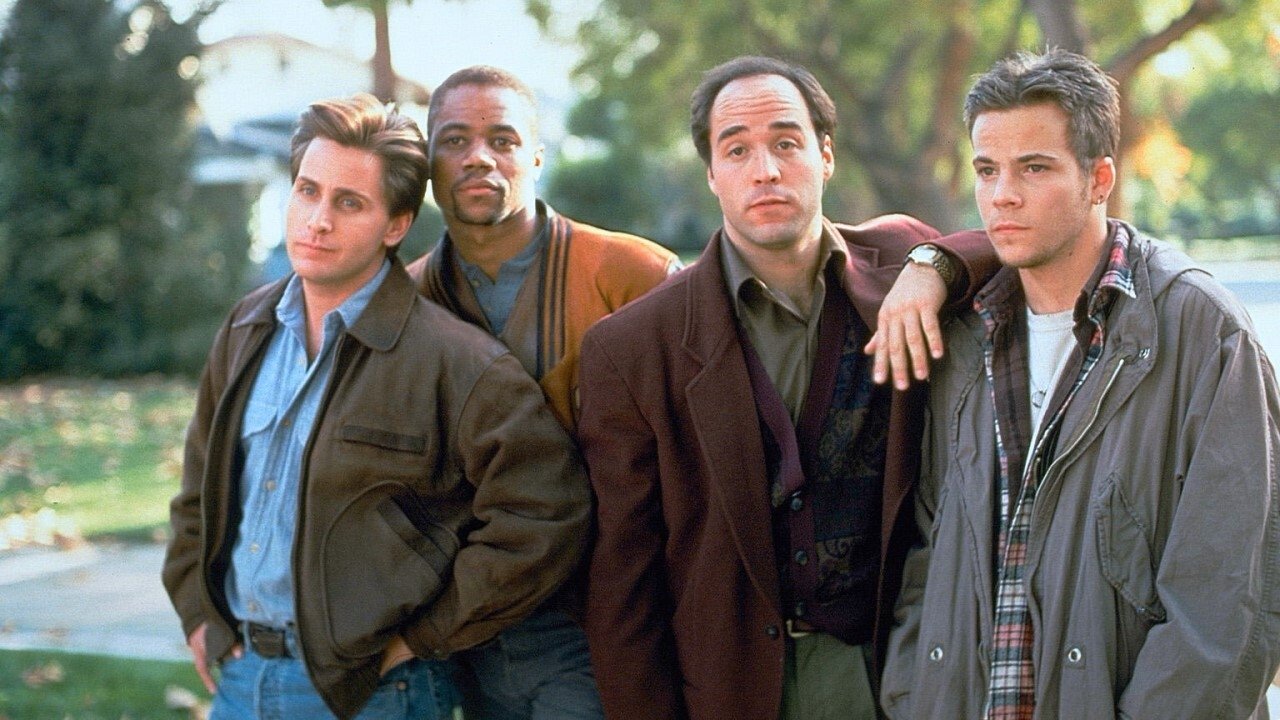
The premise is agonizingly simple, tapping into that universal fear of being lost and vulnerable where you absolutely don't belong. Frank Wyatt (Emilio Estevez, bringing that everyman anxiety he honed in films like Stakeout), his cautious brother John (Stephen Dorff), the cocky Mike Peterson (Cuba Gooding Jr., fresh off his powerful role in Boyz n the Hood), and the obnoxious Ray Cochran (Jeremy Piven) are heading to a boxing match in a luxury RV. Trying to bypass a freeway jam, they take an exit ramp into the decaying, gang-ruled streets of inner-city Chicago (mostly filmed on convincing LA sets, though some key Chicago landmarks ground the location). It’s a decision born of impatience, one that irrevocably shatters their suburban bubble when they witness a murder. Suddenly, they aren't spectators; they're prey.
The Devil Wears Flannel
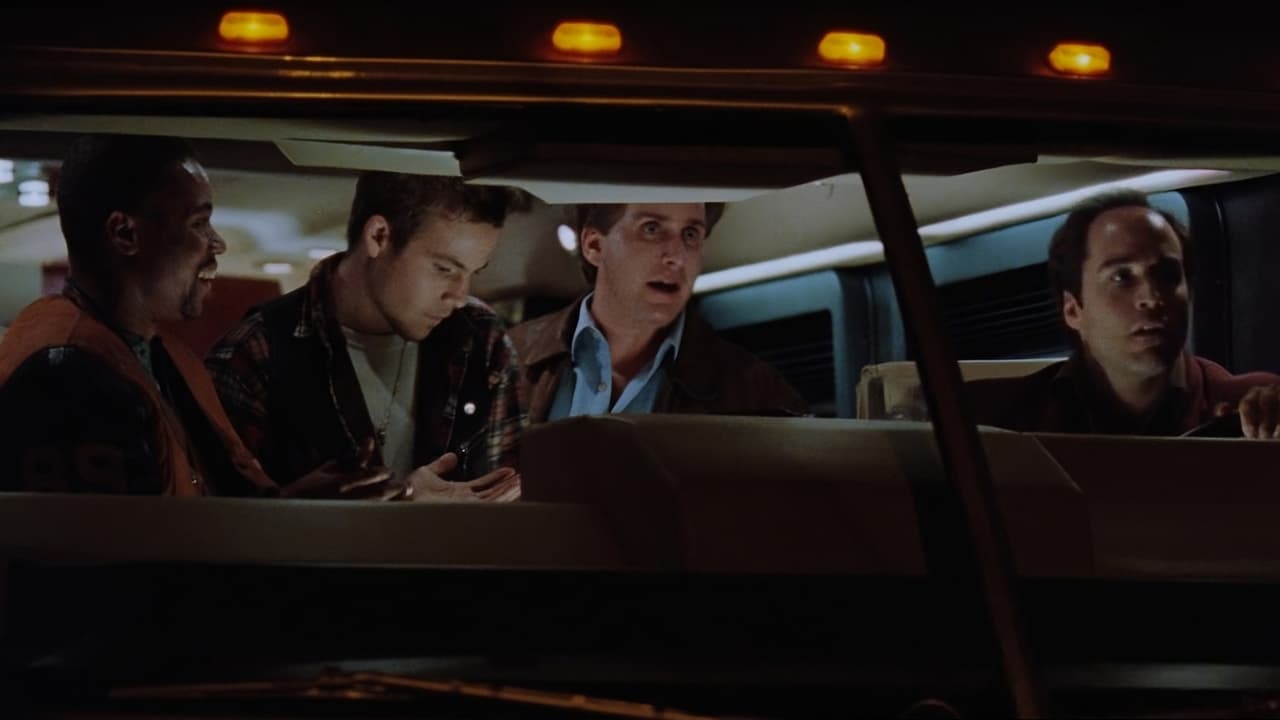
Enter Fallon, played with razor-sharp, terrifying conviction by Denis Leary. This wasn't the fast-talking comedian many knew from MTV spots or his stand-up specials like No Cure for Cancer; this was Leary weaponizing that same manic energy into pure, calculating menace. Fallon isn't some raving lunatic; he's intelligent, controlled, and utterly ruthless. He doesn’t just want the witnesses dead; he seems to relish the hunt, the power dynamic flipped as these comfortable middle-class men are reduced to scrambling rats in his labyrinth. Rumor has it Leary heavily improvised, bringing his signature acerbic bite to the role, making Fallon feel unnervingly real. His chilling calm as he orchestrates the pursuit across rooftops, through sewers, and within abandoned tenements is the engine driving the film's relentless dread. Doesn't that performance just crawl under your skin?
Concrete Jungle Nightmare
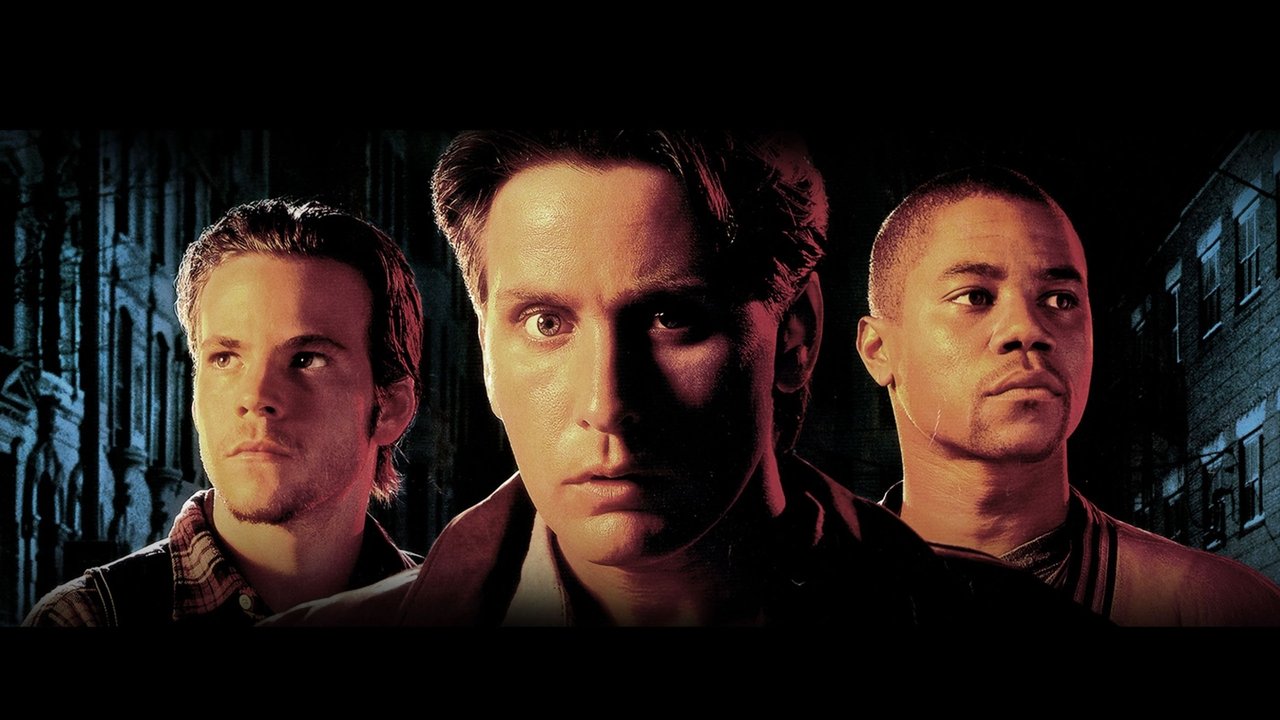
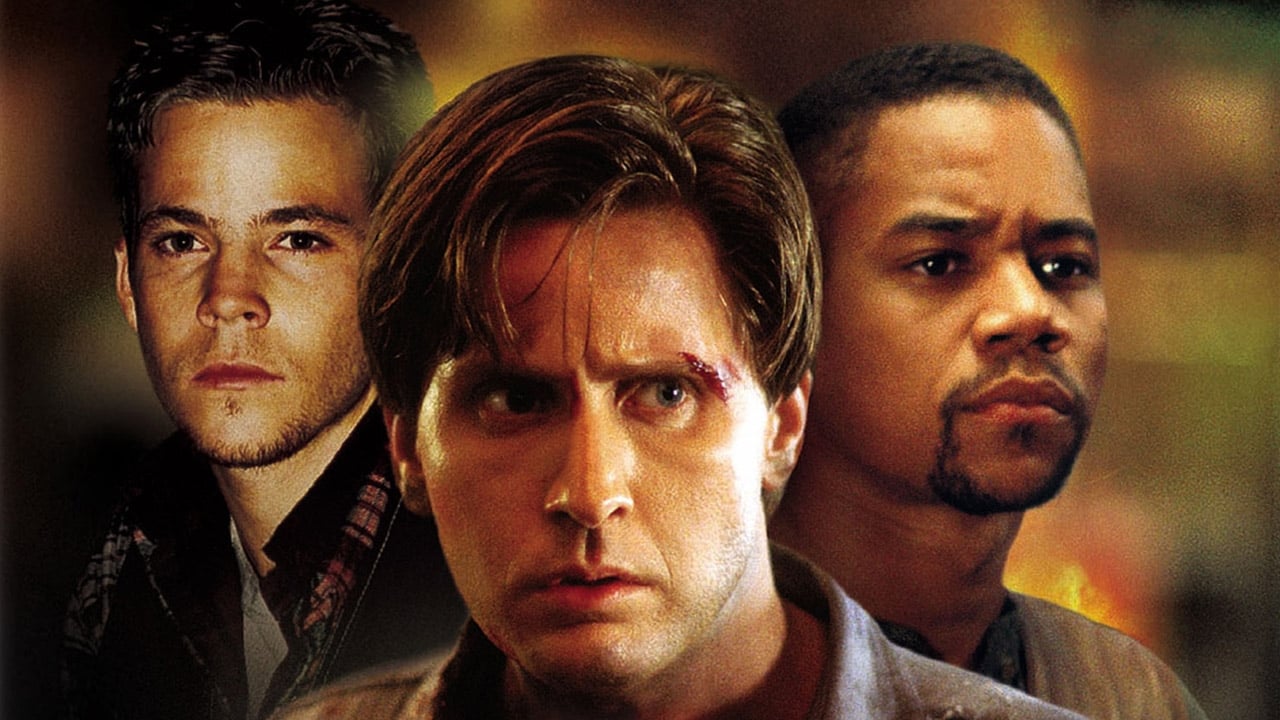
Director Stephen Hopkins, who already proved his knack for gritty, atmospheric action with Predator 2, masterfully transforms the urban landscape into a character itself. The cinematography is dark, drenched in rain and neon decay, emphasizing the claustrophobia of narrow alleys and the terrifying exposure of open, derelict spaces. The production design feels grimly authentic – peeling paint, shattered glass, the detritus of neglect forming the backdrop for a desperate fight for survival. Hopkins keeps the pace brutally efficient. There’s little respite; each temporary sanctuary inevitably becomes another trap. This isn't stylized action; it's frantic, ugly, and grounded in the terrifying reality of the characters' plight. They aren't action heroes; they're just ordinary guys pushed far beyond their limits, making mistakes fueled by panic.
The Sound of Tension
You can't talk about Judgment Night without mentioning its groundbreaking soundtrack. While Alan Silvestri (Back to the Future, Predator) provides the effective, traditional orchestral score that underscores the suspense, the real sonic signature came from the compilation album. Pairing established rock acts with hip-hop giants (think Pearl Jam & Cypress Hill, Sonic Youth & Cypress Hill, Faith No More & Boo-Yaa T.R.I.B.E.), it was a revolutionary concept at the time. The album was arguably more successful and culturally impactful than the film itself, perfectly capturing the raw, aggressive energy of the streets depicted on screen. Hearing those tracks again instantly transports you back – it was the sound of 1993, edgy and confrontational, and it meshed perfectly with the film's dark tone. My friends and I practically wore that cassette out.
Running on Empty
The central quartet performs admirably in conveying escalating terror. Estevez is the reluctant anchor, trying to keep logic alive amidst chaos. Gooding Jr. shifts believably from bravado to desperation. Dorff provides the moral counterpoint, and Piven, well, he perfectly nails the kind of guy whose panic makes everything worse – you almost root for Fallon to catch him first. The film faced challenges beyond its gritty subject matter; reportedly budgeted around $21 million, it unfortunately stumbled at the box office, pulling in only about $12 million domestically. Perhaps its bleakness, its refusal to offer easy catharsis, was a tough sell against more conventional 90s fare. It wasn't a critical darling either upon release, often dismissed as a standard thriller, but time and the enduring power of that VHS tape have been kind to it.
The Verdict
Judgment Night isn't high art, and yes, if you squint, you can see the plot mechanics working – the convenient obstacles, the near misses. But what elevates it beyond a simple chase movie is its suffocating atmosphere, Hopkins' lean direction, and Denis Leary's unforgettable turn as one of the decade's most underrated screen villains. It taps into a primal fear with brutal efficiency, leaving you feeling wrung out and glancing nervously at your own locked doors. It’s a film that reminds you how thin the veneer of civilization can be, and how quickly a wrong turn can lead to the end of the line. Watching it again now, that same late-night dread feels remarkably potent.
Rating: 7/10
Justification: The score reflects the film's undeniable strengths in generating tension, its stellar villain performance, and its atmospheric direction, plus the iconic soundtrack's contribution. It loses points for some plot contrivances and characters occasionally making frustratingly poor decisions (though arguably realistic under duress). It's a rock-solid, genuinely unnerving thriller that might not have set the box office alight but carved out a well-deserved spot on the shelf in VHS Heaven.
Final Thought: For a generation raised on renting tapes, Judgment Night remains a potent reminder of how effective a simple premise, executed with gritty intensity and a truly chilling antagonist, could be. It’s a cautionary tale wrapped in a pressure cooker, and Fallon’s cold eyes still linger long after the credits roll.