There's a certain kind of grime that clings to the celluloid of early 80s New York City-set thrillers. It’s not just dirt; it’s a pervasive sense of decay, of systems failing, and of patience wearing thin. William Lustig’s Vigilante (1982) plunges you headfirst into that cesspool, leaving you with the distinct feeling that the flickering neon signs are the only things holding back an encroaching, suffocating darkness. Forget the polished action flicks that came later; this is street-level rage, raw and unfiltered.
When the System Fails
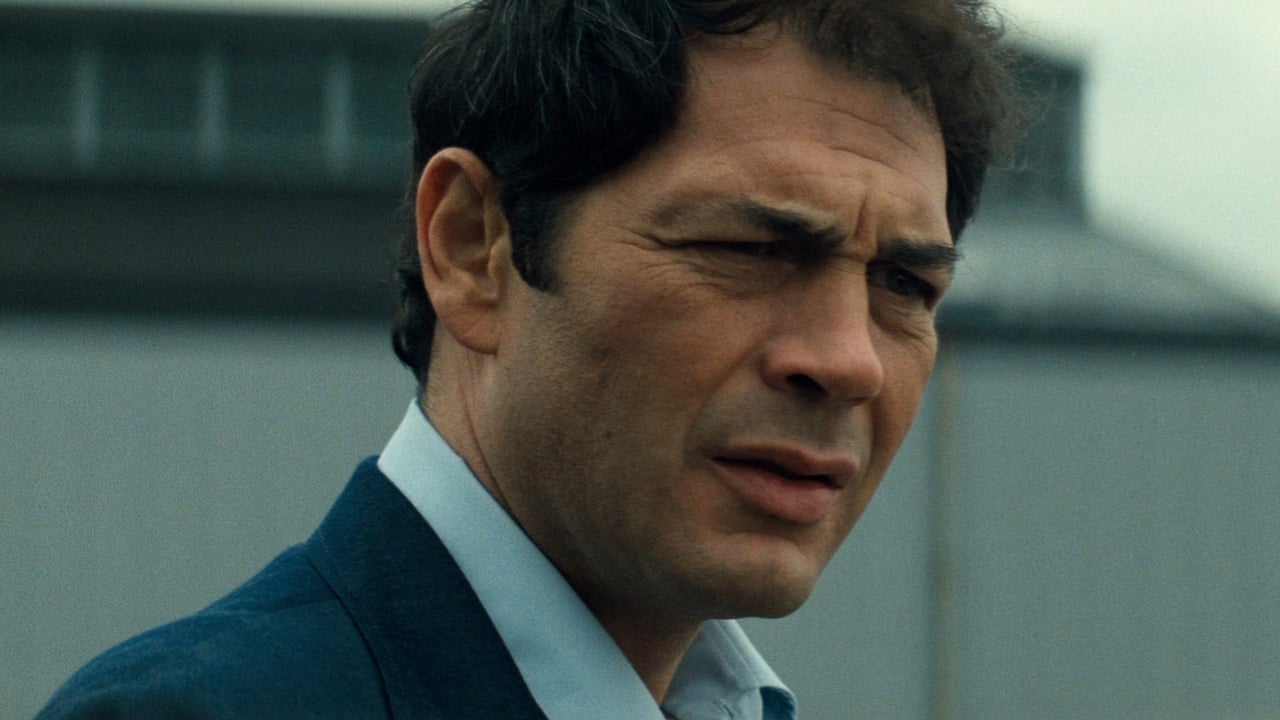
The premise is brutally simple, tapping into a very real anxiety of the era. Eddie Marino (Robert Forster) is just a regular guy, a factory worker trying to provide for his wife Vicki (Rutanya Alda) and young son. He believes in the system, in playing by the rules. His buddies, led by the impossibly cool Nick (Fred Williamson), have already given up on that. They’re part of a clandestine vigilante group, dishing out their own brand of justice when the courts inevitably fail. Eddie wants no part of it… until the unthinkable happens. His family becomes a target, victims of senseless violence perpetrated by a local gang leader Frederico (Willie Colón), and the subsequent legal proceedings become a sickening farce thanks to a corrupt judge and slick lawyer. The transformation in Forster’s eyes, from weary hope to hollowed-out fury, is the chilling heart of the film.
Lustig's Concrete Jungle
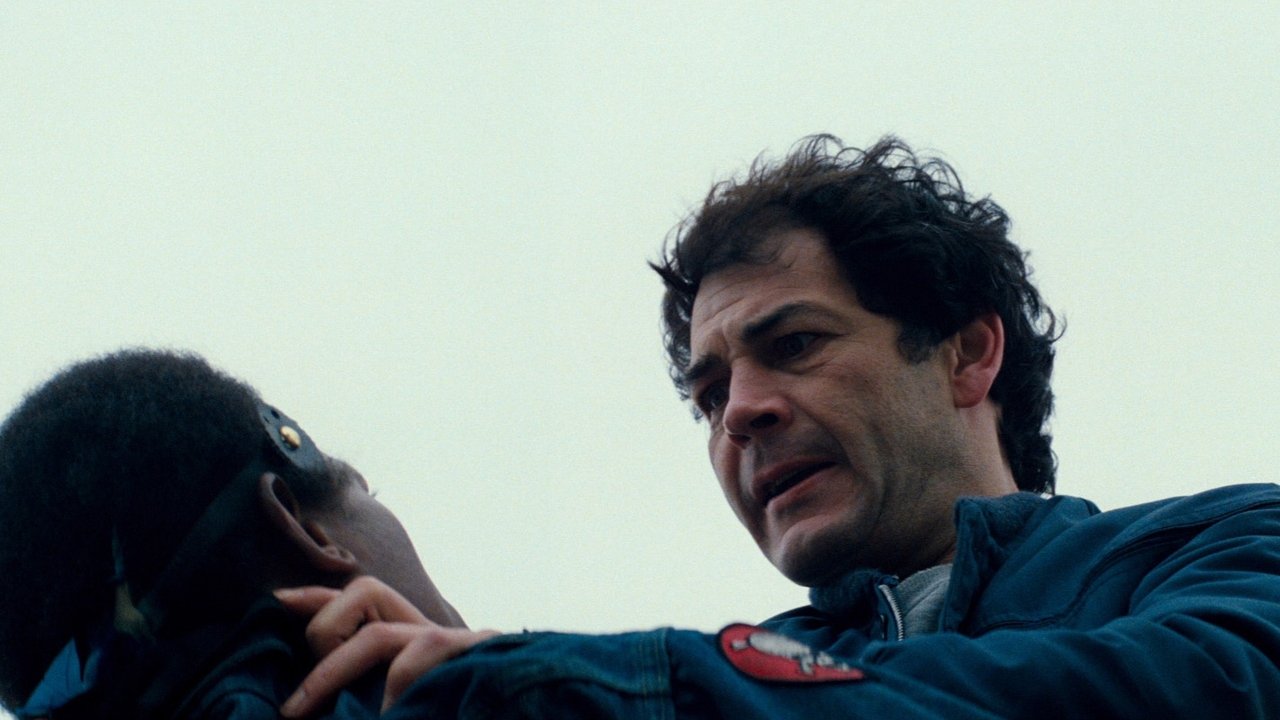
Fresh off the deeply unsettling Maniac (1980), William Lustig brought a similar guerrilla filmmaking energy to Vigilante. Shot on location in the grittier corners of New York, the city itself becomes a character – menacing, indifferent, broken. You can almost smell the stale alleyways and feel the grit under your fingernails. Lustig, operating on a relatively modest budget (around $1.5 million), knew how to stretch a dollar for maximum impact. There’s a lean, mean efficiency to the direction; no fat, just muscle and bone. The action sequences, particularly the car chases and brutal takedowns, feel dangerously real, choreographed with a visceral intensity that often leaves you breathless. Remember that rooftop chase? Reportedly, some of those stunts pushed the limits of safety, capturing a kind of unscripted peril that CGI just can't replicate. The practical effects, while perhaps showing their age slightly, retain a blunt-force trauma quality.
Faces in the Shadows
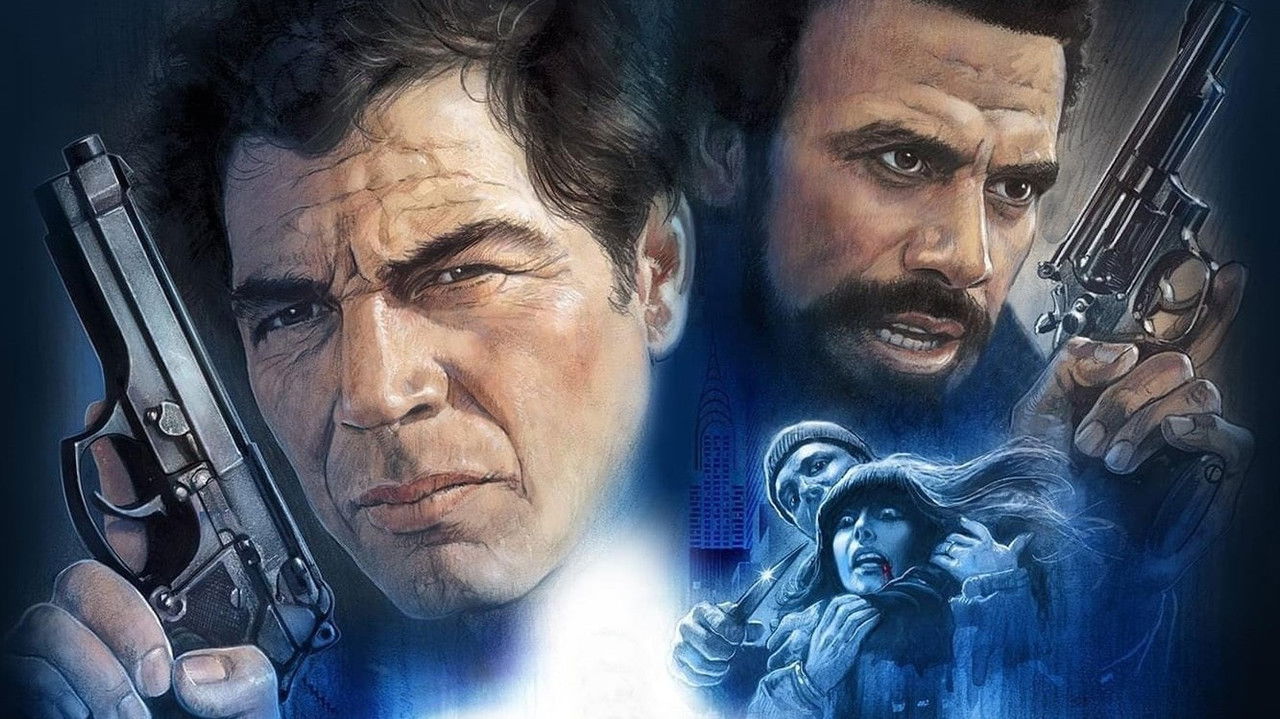
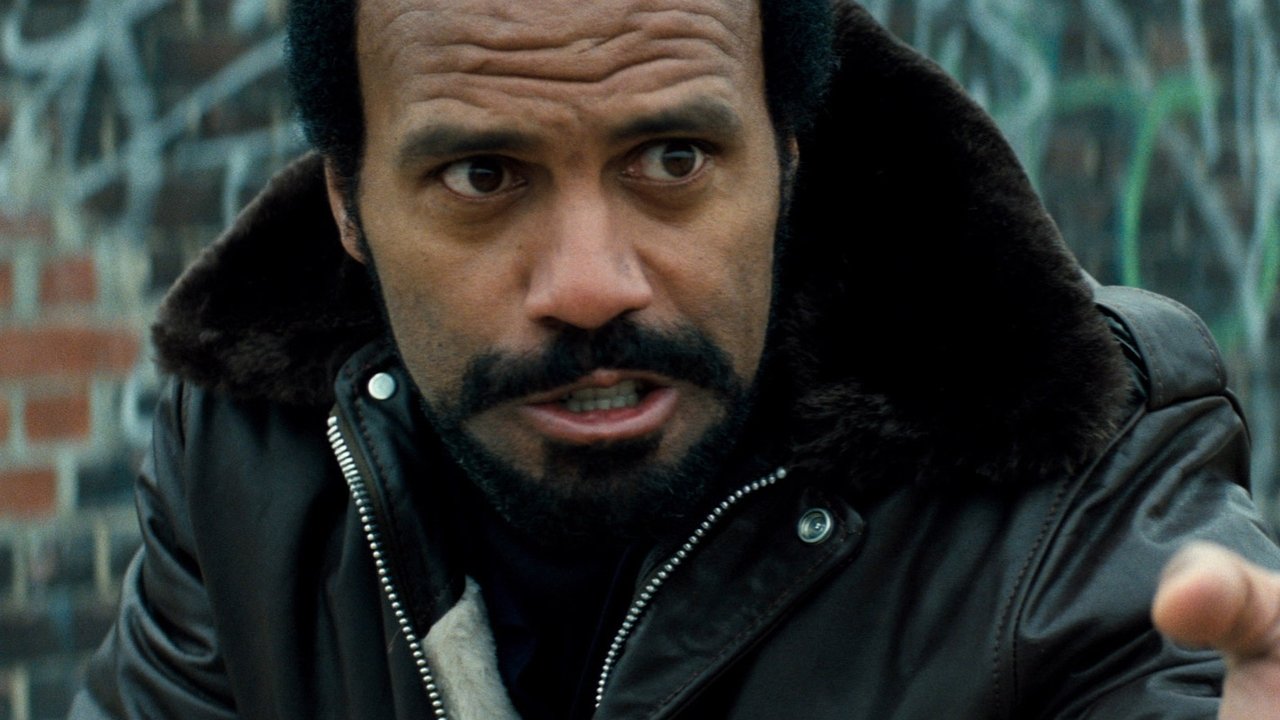
Robert Forster, always an actor of quiet magnetism (later nominated for an Oscar for Jackie Brown), is phenomenal here. He makes Eddie's descent utterly believable, portraying the simmering rage of an ordinary man pushed beyond his breaking point. He’s the reluctant center, the guy you root for even as he steps across a terrifying line. Contrasting him perfectly is Fred Williamson, "The Hammer" himself, exuding effortless cool and righteous certainty as Nick. Williamson, a former NFL star turned action hero (Black Caesar, From Dusk Till Dawn), basically defines swagger. He is the guy who decides the law isn't working anymore and picks up the baseball bat. Supporting players like the great Richard Bright (instantly recognizable as Al Neri from The Godfather films) add another layer of authentic sleaze to the proceedings. And let’s not forget the unsettling score by Jay Chattaway (who would later score numerous Star Trek series), which pulses with urban dread and electronic tension, perfectly complementing the decaying visuals.
Retro Fun Facts: The Grindhouse Grit
- Vigilante faced predictable trouble with the MPAA, initially slapped with an X rating for its violence before Lustig made necessary cuts to secure an R. That original uncut intensity is part of its grim legend.
- The casting of Salsa musician Willie Colón as the vicious gang leader Frederico was a bold move, adding a layer of unsettling charisma to the villain.
- Lustig has spoken about the challenges of shooting on location, sometimes navigating deals with actual neighborhood toughs to ensure filming could proceed without "interruption." It adds a layer of meta-reality to the film's gritty authenticity.
- Despite its controversial subject matter, Vigilante was a moderate success, tapping into the public's frustration with rising crime rates and becoming a staple on grindhouse screens and, later, VHS rental shelves. My own tape got worn pretty thin back in the day.
Beyond Revenge
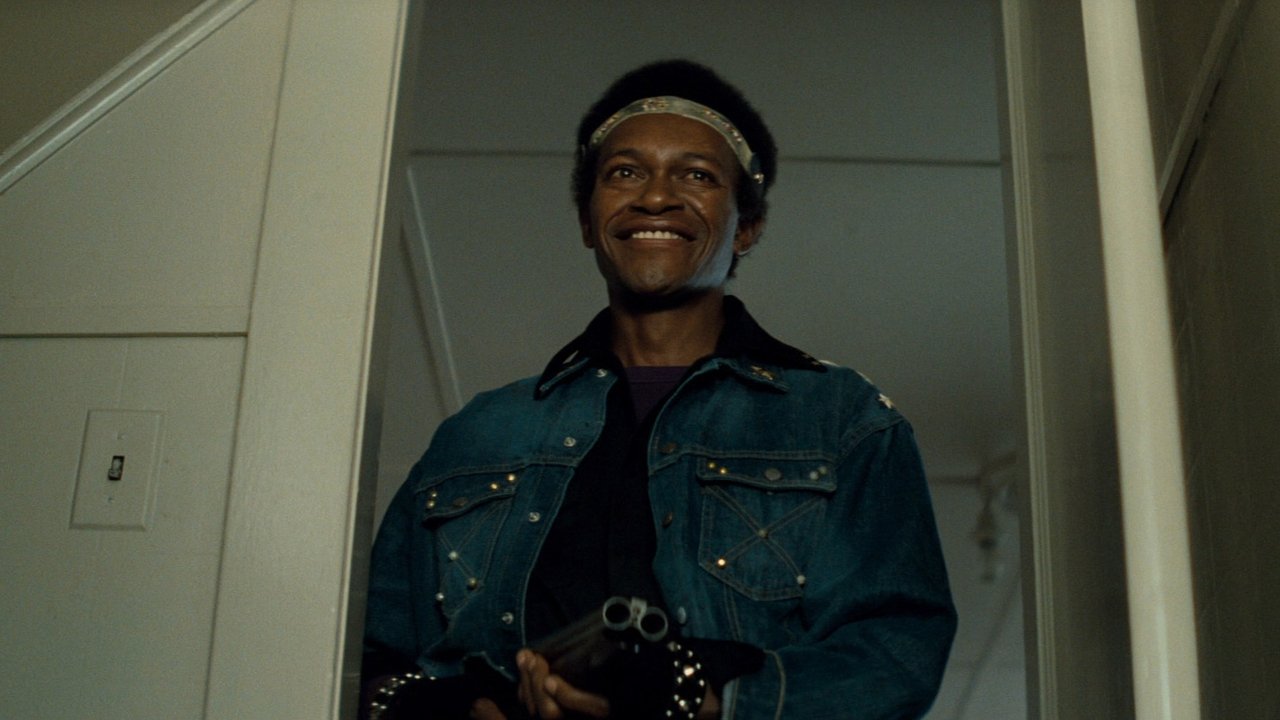
Is Vigilante just another revenge flick? Yes and no. It certainly delivers the cathartic, if morally dubious, thrill of seeing bad guys get their comeuppance. But there’s a bleakness here, an undercurrent of despair that elevates it beyond simple exploitation. It doesn’t shy away from the ugliness of violence, whether it’s perpetrated by criminals or those seeking retribution. It asks uncomfortable questions without offering easy answers. Doesn't that final, cold shot linger long after the credits roll? It captures a specific moment in time, a feeling of societal breakdown that felt terrifyingly real on a grainy CRT screen late at night.
Rating: 8/10
Vigilante earns its score through its potent atmosphere, Robert Forster's gripping central performance, William Lustig's lean and effective direction, and its unflinching portrayal of urban decay and desperation. It perfectly captures the raw, angry energy of early 80s exploitation cinema. While some elements feel undeniably of their time, the core themes of frustration and the seductive danger of taking the law into your own hands remain disturbingly relevant. It’s a nasty piece of work, in the best possible way, and a standout entry in the vigilante subgenre that still packs a punch. A must-watch for anyone who remembers when action movies felt genuinely dangerous.