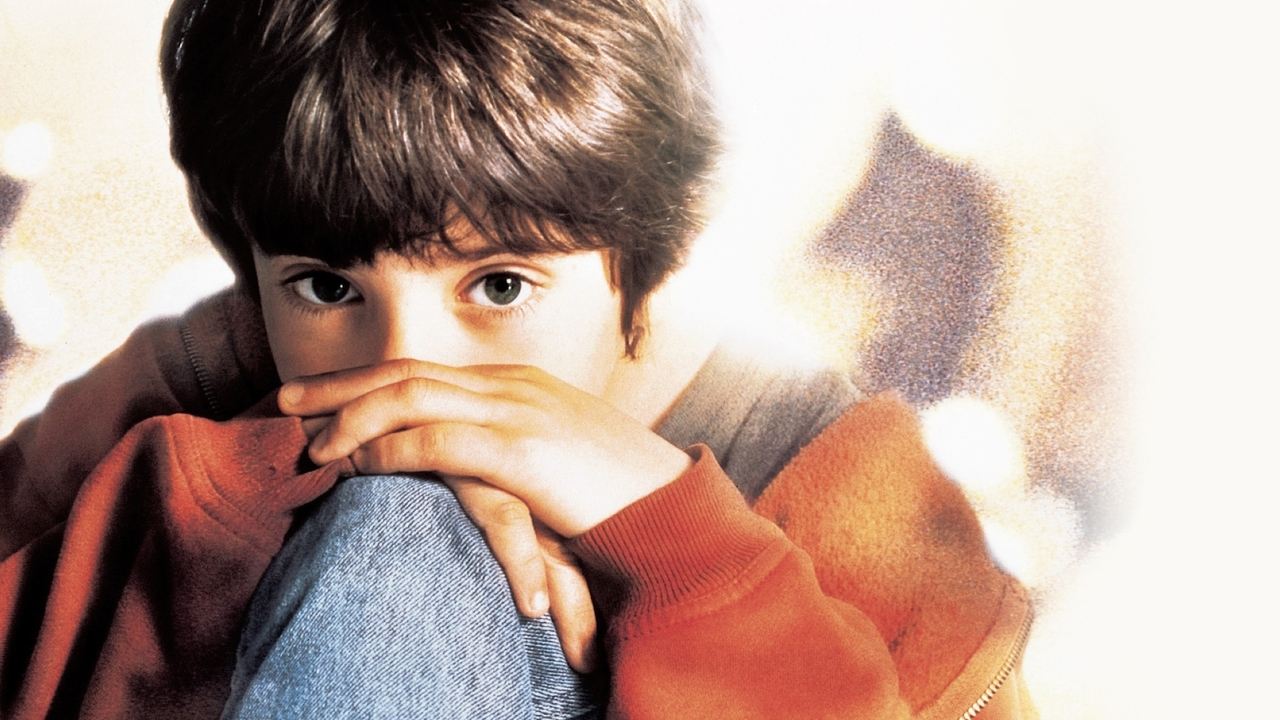
Okay, settle in, maybe pour yourself something comfortable. Let's talk about a film that landed on video store shelves in 1993 and felt… different. It wasn't explosions or jump scares, but something quieter, more resonant. I'm talking about Searching for Bobby Fischer, a movie ostensibly about chess, but one that uses the checkered board as a map to explore the complex territory of childhood, potential, and the weight of expectation. What does it truly mean to nurture a gift, and at what point does that nurturing risk crushing the very spirit it seeks to elevate?
### The Burden of Genius
The film introduces us to young Josh Waitzkin, played with astonishing naturalism by Max Pomeranc. Josh isn't just good at chess; he possesses an intuitive, almost magical grasp of the game, discovered amidst the whirlwind energy of Washington Square Park's hustlers. His father, Fred (Joe Mantegna), a sports writer, quickly sees the potential for greatness, perhaps even the second coming of the enigmatic and reclusive Bobby Fischer. This discovery sets the stage for a poignant struggle – not just across the chessboard, but within Josh's own life and his family. Can raw talent be honed without losing its soul?
What makes Searching for Bobby Fischer so compelling is its refusal to offer easy answers. We see Josh pulled between two mentors, representing opposing philosophies. There's Vinnie (Laurence Fishburne, radiating effortless cool just a couple of years after his powerful turn in Boyz n the Hood), the streetwise park player who encourages instinct, speed, and a love for the game's inherent beauty. Then there's Bruce Pandolfini (Ben Kingsley, bringing his signature gravitas), the formal, disciplined coach who emphasizes strategy, rigor, and the ruthless pursuit of victory, echoing the Fischeresque obsession with dominance. The film doesn't demonize either approach entirely, instead exploring the merits and dangers of both through Josh's sensitive eyes.
### Performances That Resonate Truth
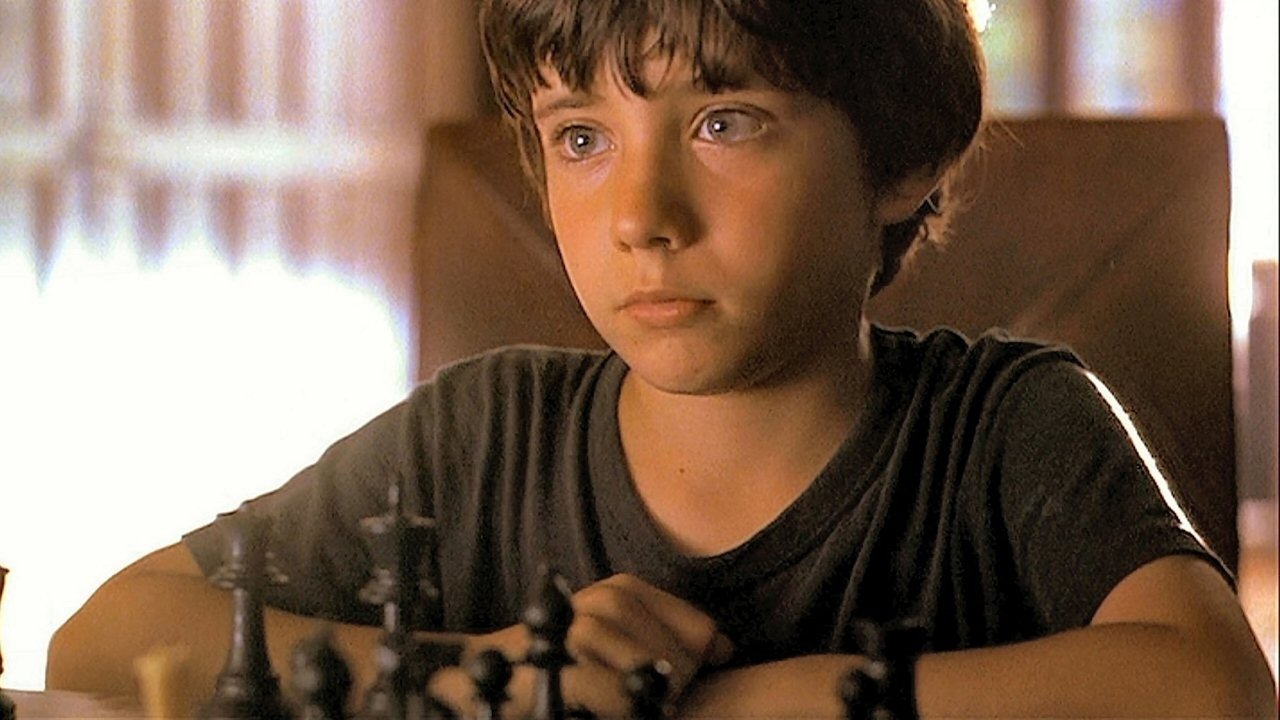
The casting here feels like lightning in a bottle. Max Pomeranc, himself a highly-rated chess player for his age at the time (ranked in the top 100 nationally for under-nines!), doesn't feel like he's acting. He simply is Josh, conveying the joy, confusion, and pressure with understated authenticity. You believe his connection to the game because, on some level, it was real. This authenticity is vital; it grounds the film and makes the central conflict deeply felt. I remember renting this tape, probably nestled between action flicks, and being struck by how real this kid felt on screen.
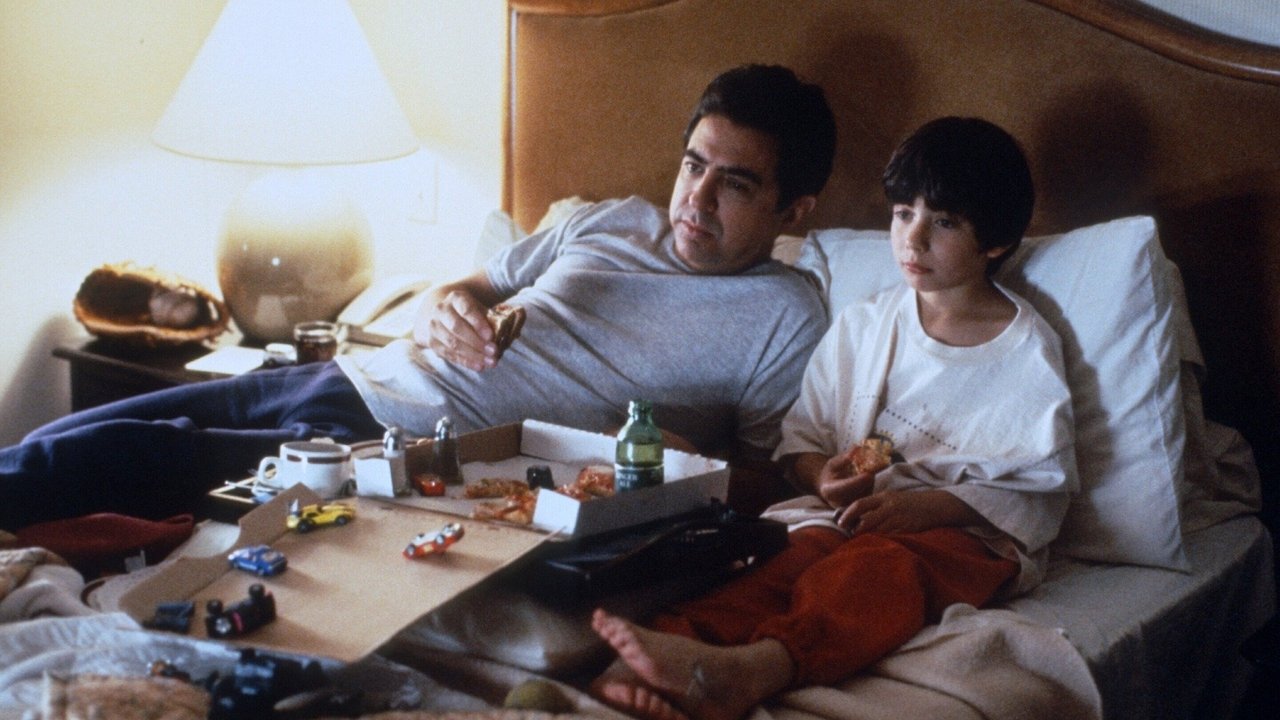
Joe Mantegna delivers a nuanced portrayal of a father caught between overwhelming pride and creeping fear. His ambition for Josh is palpable, but so is his dawning realization of the potential cost. It’s a performance many parents might recognize – that desire for your child to succeed, warring with the instinct to protect their happiness. Joan Allen as Bonnie Waitzkin provides the essential counterbalance, fiercely protective of Josh's childhood and emotional well-being. Her quiet strength and questioning gaze often anchor the film's moral center. And Kingsley and Fishburne are superb as the embodiment of conflicting ideals, both charismatic and utterly convincing in their respective corners.
### Crafting Intimacy from Intensity
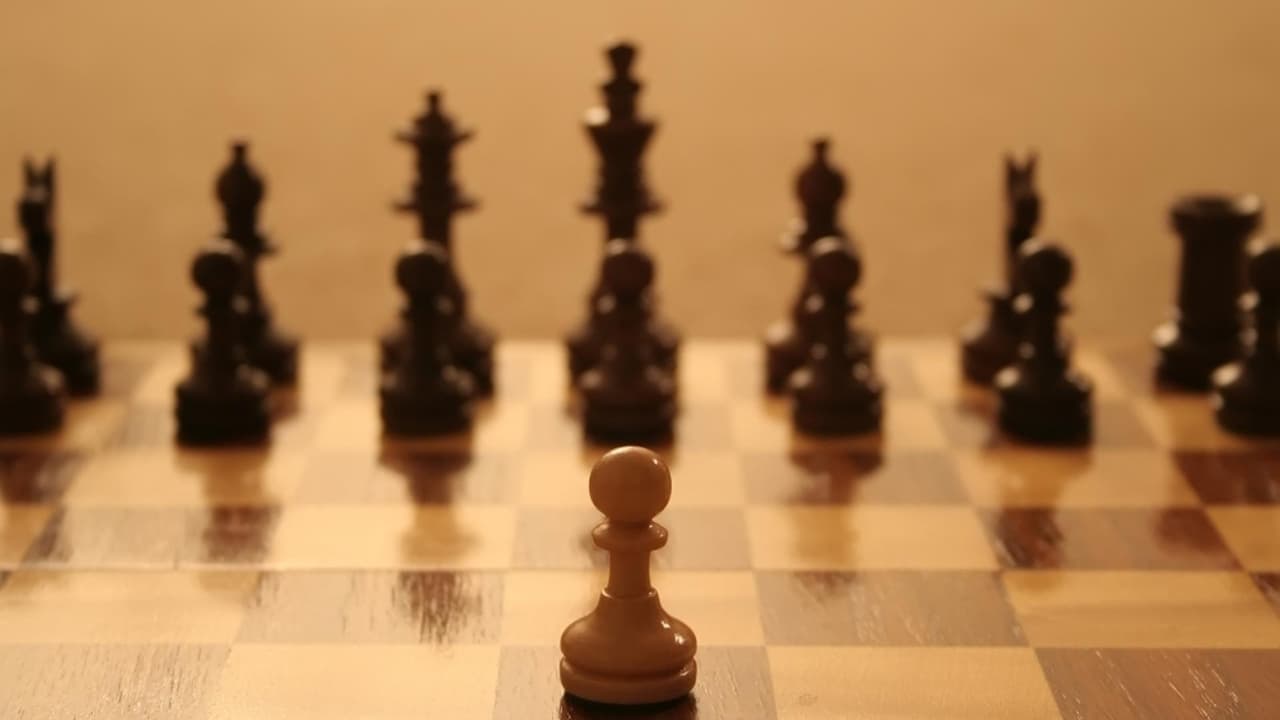
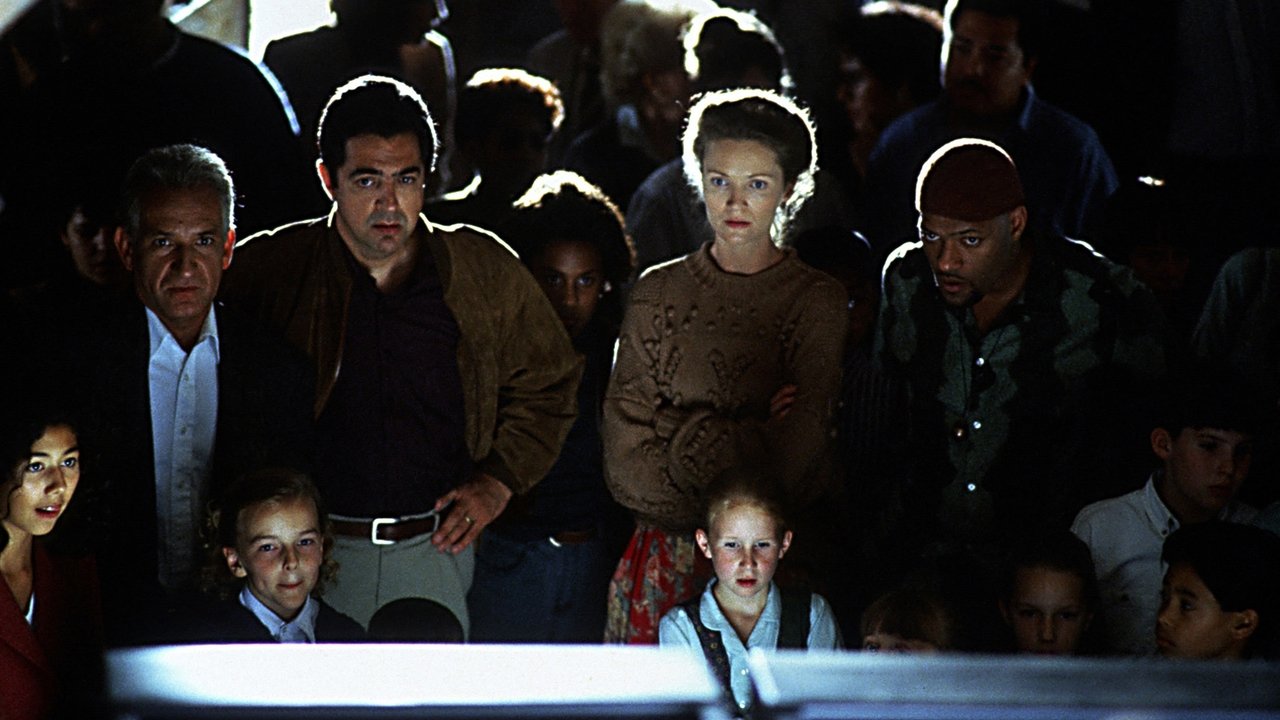
This was the directorial debut for Steven Zaillian, already an acclaimed screenwriter (Awakenings). He brings a writer's sensibility to the direction, focusing on character and emotional subtlety. He, along with legendary cinematographer Conrad L. Hall (who earned a deserved Oscar nomination for his work here), faced the challenge of making chess visually compelling. They succeeded not through flashy tricks, but by focusing on the faces, the intense concentration, the subtle shifts in posture, and the intimate framing of the board as a world unto itself. The hushed intensity of the tournament halls feels almost sacred, contrasting beautifully with the vibrant chaos of the park. It's a masterclass in making the internal external.
Let's not forget the score by the late, great James Horner. It perfectly captures the film's blend of childlike wonder and mounting pressure, soaring in moments of discovery and becoming tense during crucial matches, without ever feeling manipulative.
### Behind the Black and White Squares
It’s fascinating to remember this film is based on the real Josh Waitzkin and his father Fred's memoir. Josh Waitzkin went on to become an International Master in chess before shifting his focus to martial arts, becoming a Tai Chi Push Hands World Champion – a life path suggesting he ultimately found his own definition of mastery, perhaps influenced by the very conflicts explored in the film.
Interestingly, the real Bobby Fischer, whose spectral presence looms over the narrative, reportedly disliked both the book and the movie, viewing them as exploitative. It adds a layer of irony to the film's exploration of legacy and public perception. While the film didn't set the box office ablaze (grossing around $7 million domestically on a $12 million budget), its critical acclaim and enduring life on VHS and cable cemented its status as a thoughtful gem of the early 90s – a time often dominated by louder, less introspective fare. It found its audience, perhaps precisely because it offered something deeper.
### Finding Your Own Game
Searching for Bobby Fischer isn't really about becoming the next Bobby Fischer. It's about allowing a child to become the best version of themselves. It asks profound questions about talent, pressure, and the true meaning of success. Does winning require sacrificing kindness or the sheer joy of the pursuit? How do we guide potential without dictating the path? These questions linger long after the credits roll, echoing beyond the rarefied world of competitive chess into the everyday challenges of parenting, mentorship, and personal growth. It’s a film with a quiet power, one that rewards thoughtful viewing and reminds us that the most important moves aren't always made on the board.
Rating: 9/10
This score reflects the film's exceptional performances, particularly Pomeranc's naturalism, Zaillian's sensitive direction, Hall's beautiful cinematography, and its intelligent, deeply humane exploration of complex themes. It transcends the "sports movie" genre to become a moving character study. A near-perfect execution of its premise.
Final Thought: In an era often remembered for its cinematic bombast, Searching for Bobby Fischer remains a cherished VHS memory precisely because it dared to be quiet, thoughtful, and profoundly human. It reminds us that true victory sometimes lies not in checkmate, but in preserving the love of the game itself.