## Not Much Happens in Endora, But Everything Changes
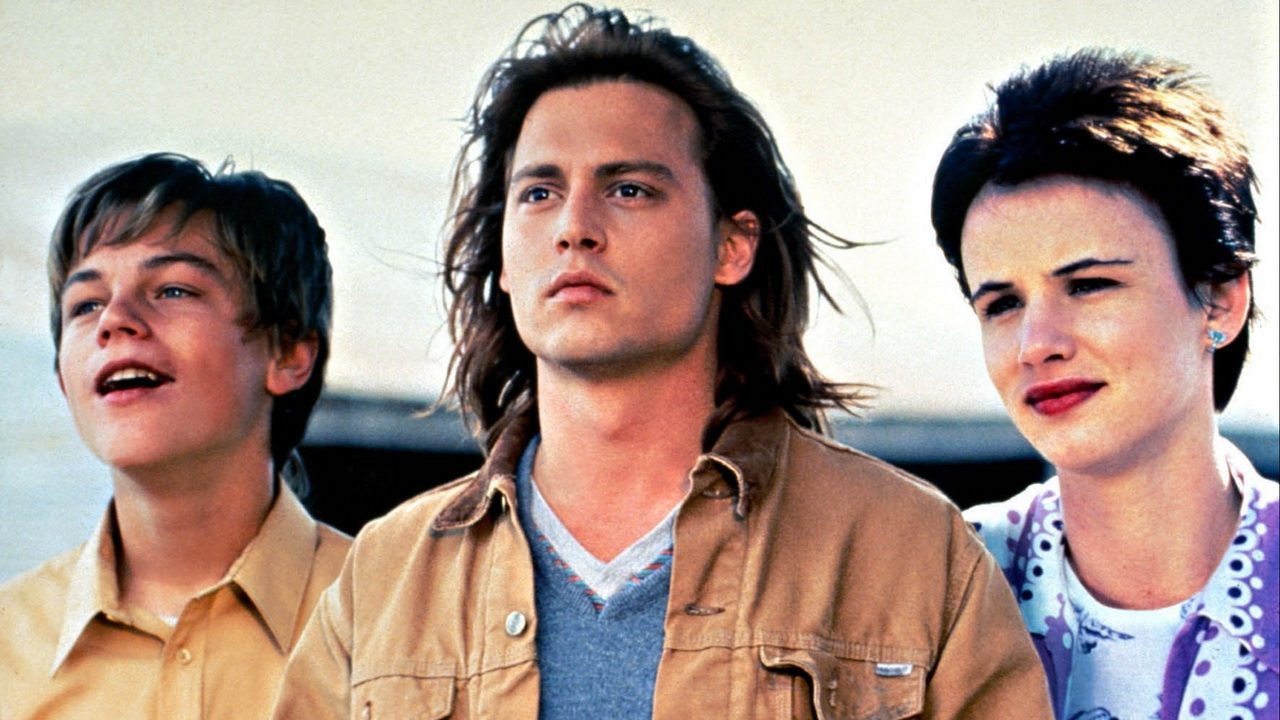
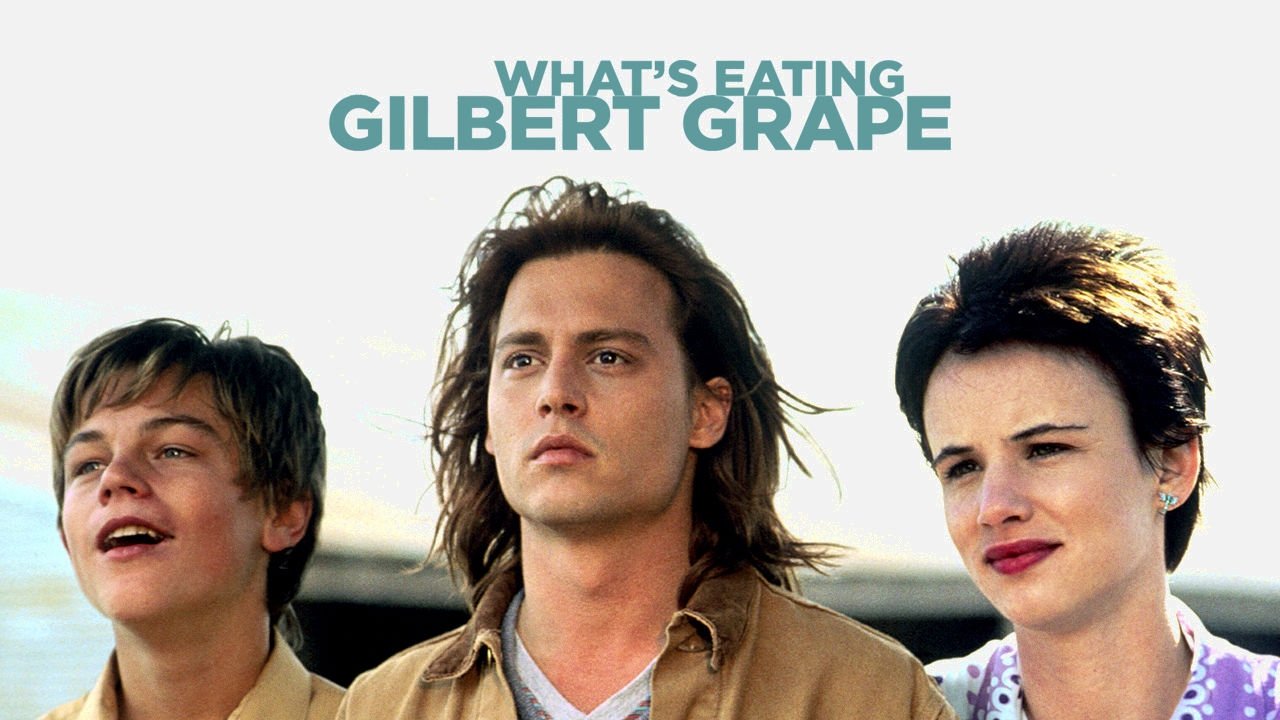
There’s a certain kind of quiet that settles over small towns, a stillness that can feel like peace to some and a slow suffocation to others. Watching What's Eating Gilbert Grape again, decades after its 1993 release, plunges you right back into that specific quietude. It’s the sound of Endora, Iowa – a place where, as Gilbert himself observes, life is "like dancing without music." This film, directed with extraordinary sensitivity by Lasse Hallström (who had already demonstrated his knack for poignant human stories with My Life as a Dog), isn’t about explosive events; it’s about the seismic shifts that happen deep within ordinary people facing extraordinary circumstances. Pulling this faded gem from its cardboard sleeve, I remember the weight it carried, not just physically, but emotionally.
The Weight on Gilbert's Shoulders
At the heart of it all is Gilbert Grape, played by Johnny Depp in one of his most restrained and affecting performances. He’s the reluctant anchor of his family: caring for his morbidly obese, housebound mother, Bonnie (Darlene Cates), and constantly watching over his younger brother, Arnie (Leonardo DiCaprio), who has a severe developmental disability. Gilbert stocks shelves at the local grocery store, carries on a listless affair with a married woman (Mary Steenburgen), and dreams vaguely of escaping Endora, a town bypassed by the new highway and seemingly by life itself. Depp internalizes Gilbert’s burden beautifully. You see the exhaustion in his eyes, the flicker of resentment quickly masked by duty, the longing for something more that feels perpetually out of reach. It's a performance built on nuance, on the things left unsaid that echo louder than any shout. Reportedly, Depp himself was going through a challenging personal time during the shoot, and one wonders if that real-life turmoil lent an extra layer of authenticity to Gilbert’s quiet desperation.

A Star is Born in Arnie
And then there’s Arnie. It’s almost impossible to discuss What's Eating Gilbert Grape without focusing on Leonardo DiCaprio’s astonishing portrayal. Just seventeen at the time, DiCaprio delivers a performance of such raw, unvarnished truthfulness that it transcends acting; it feels like watching a documentary unfolding. He famously spent several days at a home for developmentally disabled teens to understand the physical and verbal tics, but what he captures goes far beyond mimicry. It’s the unpredictable joy, the sudden flashes of frustration, the unwavering love for his family, especially Gilbert. His repeated cry of "Where's Gilbert?" becomes a resonant motif throughout the film, a reminder of the constant vigilance his condition demands. The Academy rightly recognized this incredible work with a Best Supporting Actor nomination, announcing the arrival of a major talent. There's a fragile energy to Arnie, a constant potential for things to go wrong (like his compulsive climbing of the town's water tower), that keeps both Gilbert and the audience perpetually on edge.
Momma and the Gravity of Home
Equally unforgettable is Darlene Cates as Momma. Her casting itself is a piece of fascinating trivia: screenwriter and novelist Peter Hedges (who adapted his own book) saw Cates discussing her struggles with obesity on a daytime talk show (Sally Jessy Raphael) and knew instantly she was the right person. A non-professional actress, Cates brings a profound dignity and vulnerability to a role that could easily have become caricature. Momma is trapped not just by her physical size, but by grief, shame, and the inertia of her life since her husband's death. The film treats her with immense respect, allowing us to see the loving mother beneath the societal judgment. A scene where she finally gathers the courage to leave the house is both agonizing and incredibly moving. The sheer logistics of filming her scenes, often confined to the meticulously crafted Grape house set (built on location in Manor, Texas), must have presented unique challenges, yet Hallström handles them with grace.
A Breath of Fresh Air
Endora's stifling atmosphere is briefly punctured by the arrival of Becky (Juliette Lewis), a free-spirited young woman passing through town with her grandmother when their truck breaks down. Becky sees Gilbert not just as Arnie's keeper or Momma's son, but as a person with his own desires and potential. Lewis, fresh off her own Oscar nomination for Cape Fear, brings a luminous, unaffected quality to the role. She represents possibility, a glimpse of a world outside Endora's confines. Her interactions with Gilbert are tentative, gentle, offering him a space to finally breathe. The supporting cast, including a young John C. Reilly as Gilbert’s friend, adds texture to the small-town tapestry.
The Quiet Power of Observation
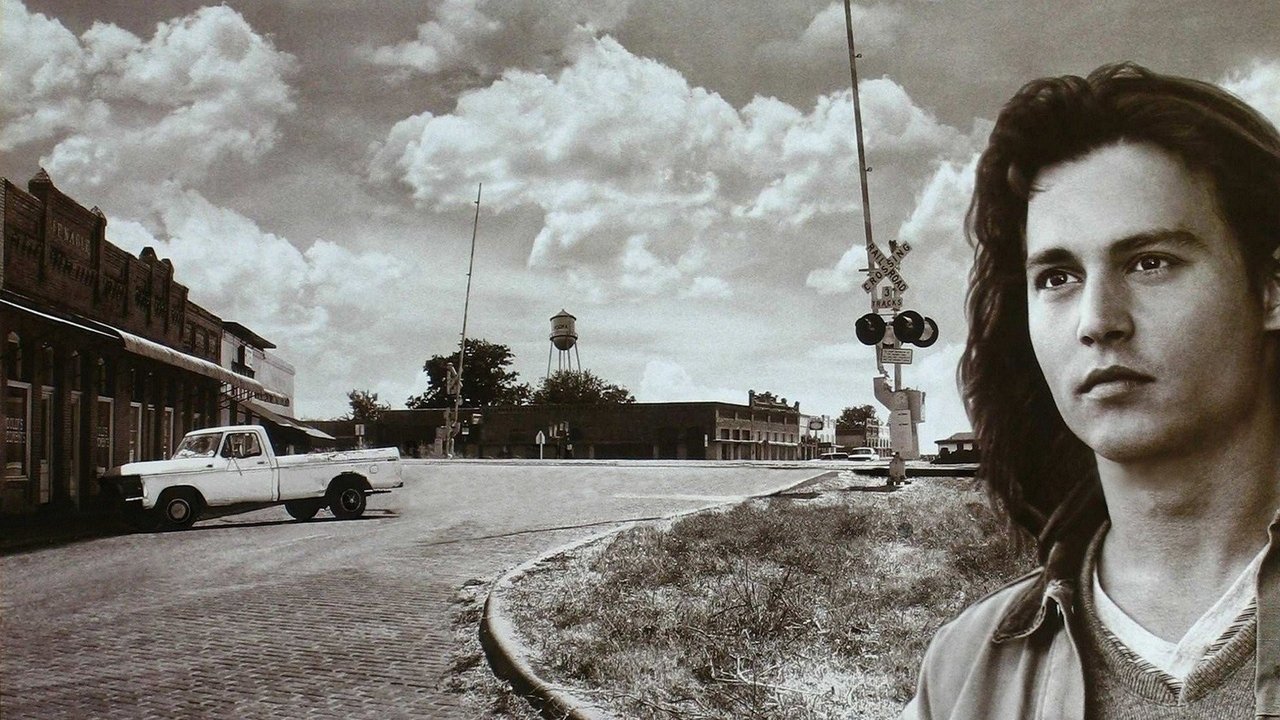
Hallström’s direction favors quiet observation over dramatic flourishes. He lets moments unfold naturally, trusting his actors and the inherent emotional weight of the story. The cinematography captures the dusty, sun-bleached feel of a town time forgot, contrasting the confinement of the Grape house with the wide-open spaces Becky represents. The film cost around $11 million to make, a modest sum even then, and while not a massive box office smash initially (grossing around $10 million domestically), its critical acclaim and DiCaprio's nomination secured its place as an enduring piece of 90s cinema. It’s a film that understands that sometimes the biggest struggles are the internal ones, the daily battles fought behind closed doors.
Why It Still Resonates
What's Eating Gilbert Grape lingers long after the credits roll. It asks profound questions about duty, love, and the courage it takes to break free from circumstances that seem predetermined. What do we owe our families? When does responsibility become a cage? Can we find happiness even in imperfect situations? The film doesn't offer easy answers, but it explores these themes with honesty and compassion. Watching it now, perhaps on a format far removed from the chunky VHS tapes of yesteryear, its power remains undimmed. It’s a reminder of the beauty that can be found in quiet lives and the extraordinary strength of the human spirit.

Rating: 9/10
This near-perfect score is earned through the film's exceptional, career-defining performances (DiCaprio and Cates especially, alongside a deeply affecting Depp), Hallström's masterful, sensitive direction, and its unflinching yet compassionate exploration of complex family dynamics and the weight of responsibility. It avoids melodrama, finding profound truth in the quiet moments and achieving a rare emotional honesty.
Final Thought: What's Eating Gilbert Grape is more than just a 90s drama; it's a timeless, deeply human story that reminds us that even in the most seemingly stagnant lives, the potential for change, acceptance, and love endures. It’s a film that truly stays with you.