Okay, settle in, pour yourself something thoughtful, and let's talk about a piece of cinema that burrowed under my skin the first time I saw it on a slightly fuzzy tape, and still resonates profoundly today: Krzysztof Kieślowski's Decalogue IV (1989). This isn't your typical Friday night rental fare from the era, no explosions or synth-pop anthems here. Instead, it's one of those quieter discoveries, part of the monumental Polish television series based loosely on the Ten Commandments, that reminds you just how powerful stripped-down human drama can be. Finding the Decalogue series back then felt like uncovering a hidden treasure, a stark contrast to the louder narratives dominating the video store shelves.
### The Unopened Letter
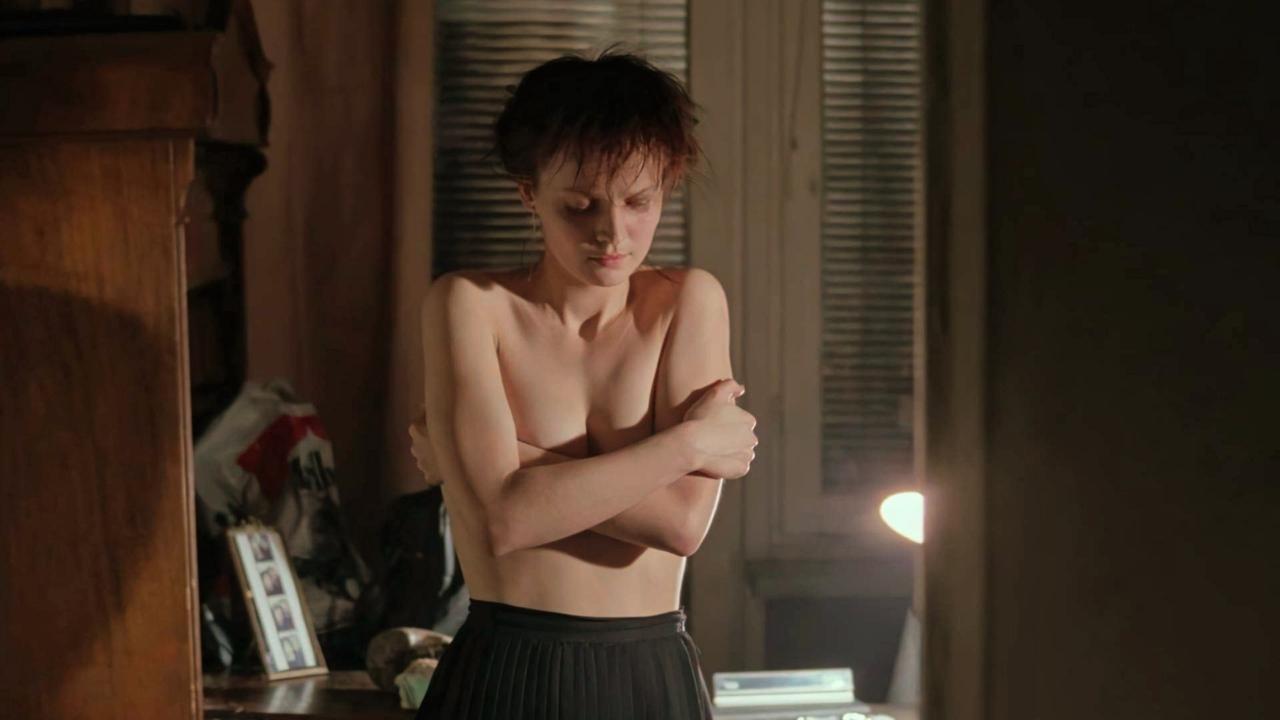
What haunts you most, perhaps, is the film's central image: an unopened letter. Anka (Adrianna Biedrzyńska), a young drama student, lives with Michał (Janusz Gajos), the man she has always known as her father. While he is away, she discovers an envelope from her deceased mother, inscribed "To be opened after my death." Inside, possibly, is another letter addressed to Michał, hinting he may not be her biological father. This premise, tied to the Fourth Commandment ("Honour thy father and thy mother"), doesn't spiral into melodrama. Instead, Kieślowski, working with his brilliant co-writer Krzysztof Piesiewicz (the partnership that would later give us the Three Colors trilogy), uses it as a scalpel to dissect the complex, fragile, and sometimes terrifyingly ambiguous nature of familial love and identity.
### A Masterclass in Confined Emotion
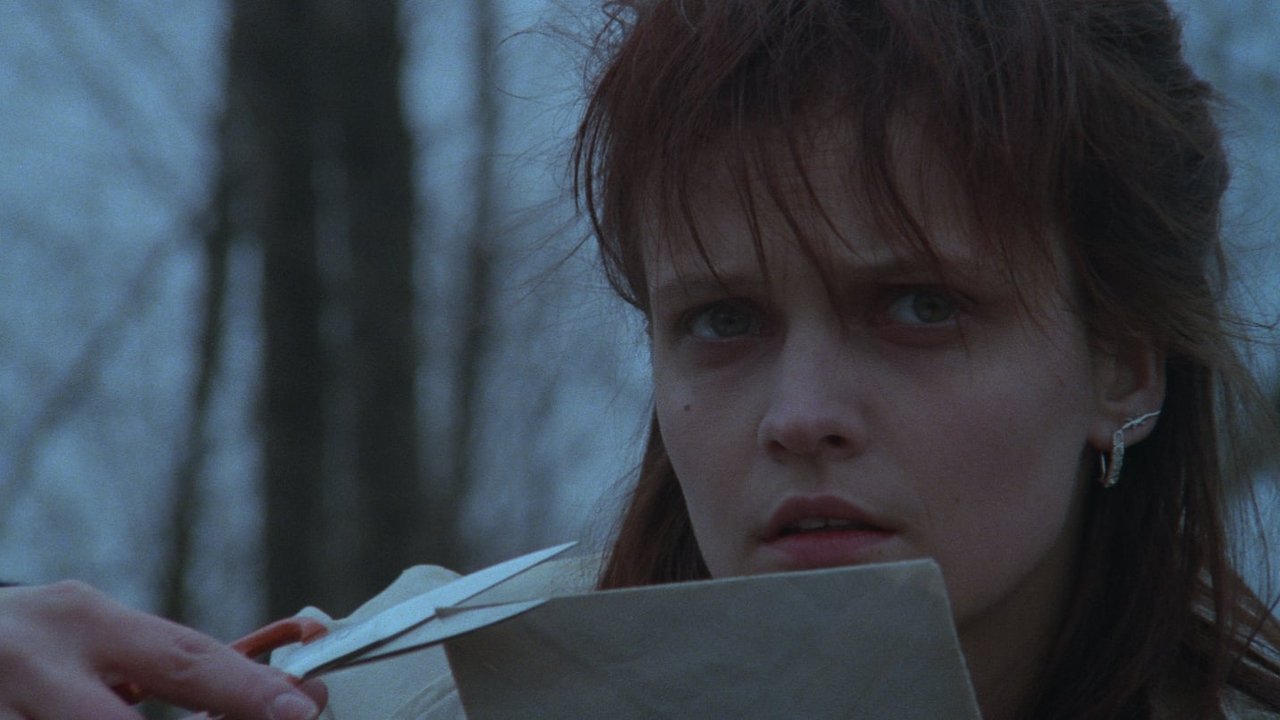
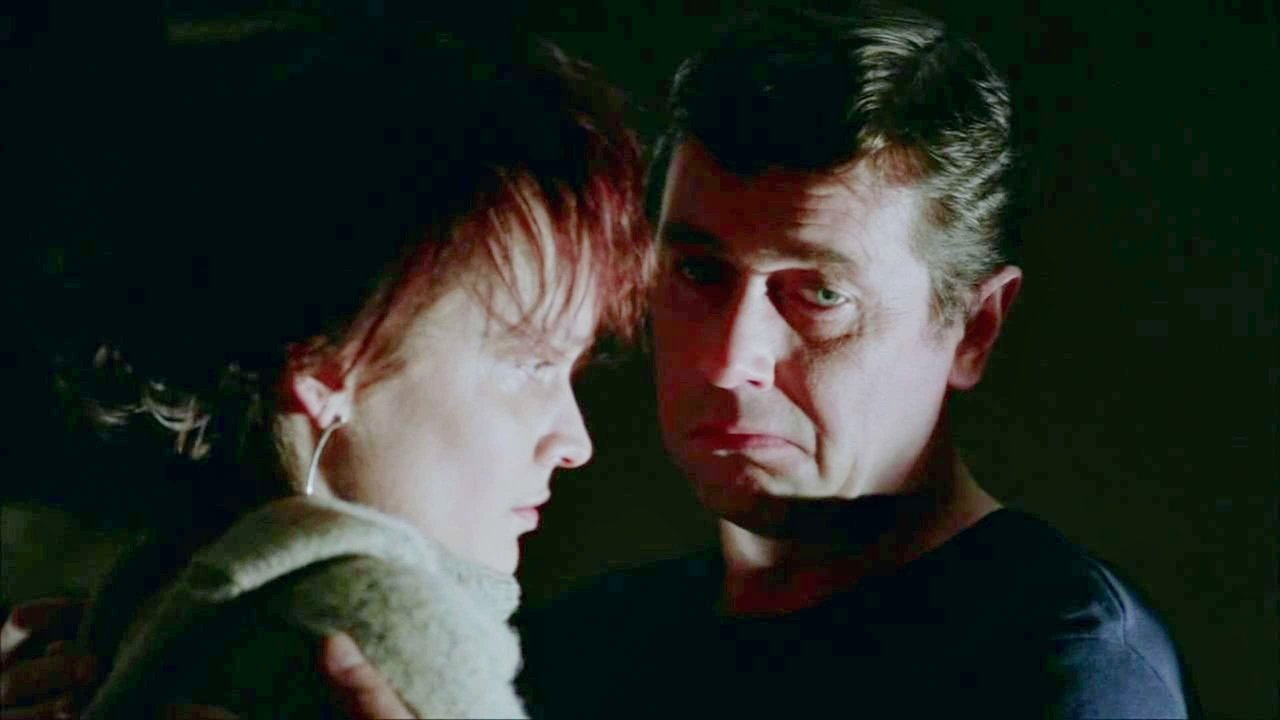
Almost the entire film unfolds within the confines of their modest Warsaw apartment, amplifying the emotional pressure cooker. Kieślowski’s direction is masterful in its restraint. The camera often lingers on faces, capturing the micro-expressions, the hesitant glances, the subtle shifts in body language that betray torrents of inner turmoil. There’s an intimacy here that feels almost voyeuristic, yet deeply empathetic. You feel trapped with Anka and Michał as they navigate this sudden, seismic shift in their reality. The atmosphere isn't one of overt conflict, but of simmering tension, unspoken desires, and the terrifying freedom that comes when established boundaries blur. What happens when the roles of 'father' and 'daughter' are suddenly thrown into question?
The genius of Decalogue IV lies in its refusal to provide easy answers. The authenticity of the letter, its actual contents – these almost become secondary. The possibility is enough. It forces Anka and Michał to confront the foundations of their relationship, the nature of their bond built over years. Is fatherhood defined by biology, or by love, care, and shared history? The film dares to ask these questions, pushing into uncomfortable territory as their interactions take on new, complicated dimensions.
### Performances That Ache with Truth
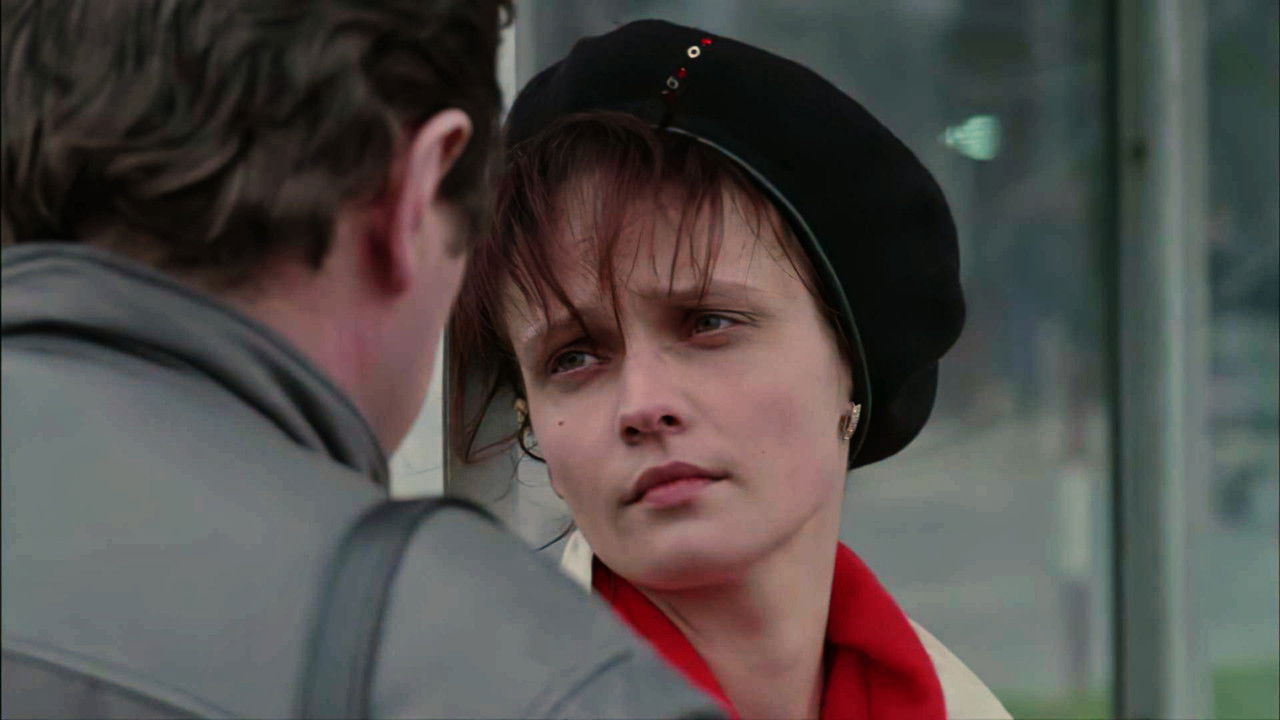
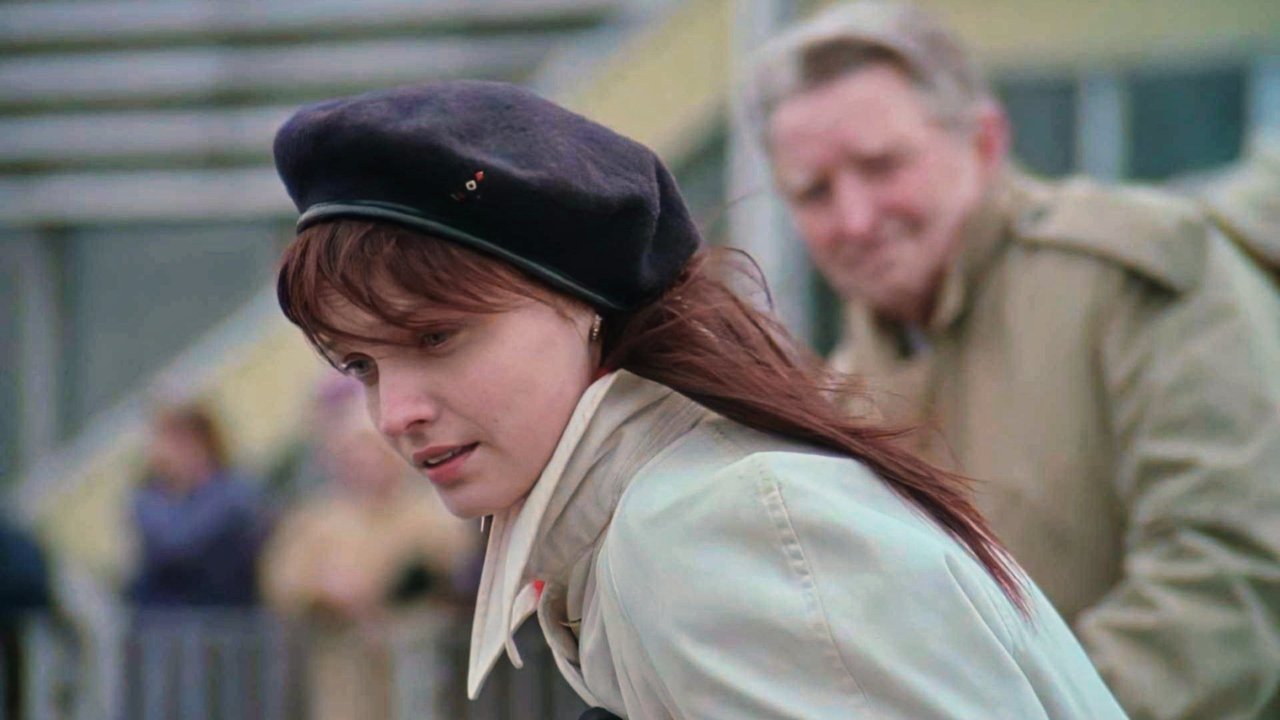
And the performances… oh, the performances. Janusz Gajos, already a giant of Polish stage and screen, is simply extraordinary as Michał. He conveys a lifetime of paternal affection suddenly destabilized, grappling with potential deceit, jealousy, and a complex love for Anka that now feels unmoored. There’s a weariness in his eyes, a vulnerability beneath his attempts at composure, that is utterly captivating. Watch how he reacts when Anka playfully, dangerously, tests the limits of their new dynamic; it’s acting of the highest order.
Matching him stride for stride is Adrianna Biedrzyńska as Anka. She portrays the confusion, curiosity, and perhaps even a flicker of liberation that comes with this revelation. Her Anka is intelligent, impulsive, and emotionally raw. The chemistry between Biedrzyńska and Gajos is electric, shifting seamlessly between familiar affection and a charged, uncertain intimacy. Their scenes together are a masterclass in psychological realism, charged with unspoken thoughts and feelings.
### Behind the Warsaw Curtain
Producing the Decalogue series was a monumental undertaking for Polish Television in the late 1980s, especially given the political and economic climate just before the fall of Communism. Kieślowski and his team worked under tight constraints, filming all ten hour-long episodes relatively quickly, often using the same bleak Warsaw apartment complex locations, which lends the series a distinct, unified atmosphere. Despite the limited resources, the artistic ambition was immense. Decalogue premiered at the Venice Film Festival in 1989 (where it won the FIPRESCI Prize), stunning international critics and audiences who were largely unfamiliar with Kieślowski's earlier work. For many Western viewers encountering these films on VHS or through arthouse screenings, it was an introduction to a powerful cinematic voice grappling with universal moral and existential questions in a very specific, grounded Polish reality. It wasn't unusual for Kieślowski to allow his actors considerable input, fostering the kind of deep character exploration that makes performances like those in Decalogue IV feel so lived-in and authentic.
### What Defines Family?
Decalogue IV doesn't offer neat resolutions. It leaves you pondering the nature of truth – is it always best revealed? Can a lie, or an omission, sometimes be a foundation for stability or even love? The film explores the profound irony that the potential shattering of a biological tie forces Anka and Michał to confront the depth and complexity of their emotional connection, perhaps more honestly than ever before. It challenges our assumptions about family, suggesting that the bonds we choose and nurture might ultimately be as powerful, if not more so, than those dictated by blood. It's a testament to the film's power that these questions linger long after the credits roll. Watching it again recently, that unsettling intimacy felt just as potent as it did peering at it on a CRT screen years ago.
Rating: 9/10
This is demanding, deeply intelligent filmmaking. The performances are flawless, the direction is precise and evocative, and the script delves into profound questions about human relationships with unflinching honesty. It earns its high score through sheer emotional and intellectual depth, executed with masterful restraint. It might lack the immediate genre hooks of other VHS staples, but its quiet power is unforgettable.
Final Thought: Decalogue IV reminds us that the most seismic shifts in our lives often happen not with a bang, but with the quiet tearing open of an envelope, revealing questions we never thought to ask.