There's a certain weight some films carry, a palpable sense of ambition that spills from the screen even before the story fully unfolds. Bille August's 1993 adaptation of Isabel Allende's celebrated novel, The House of the Spirits, is undeniably one such film. I remember seeing that VHS box on the rental shelf – the star-studded cast gazing out, promising an epic, a saga spanning generations. It felt like the kind of serious, significant viewing experience that demanded attention, a far cry from the usual action or horror fare that often dominated my VCR nights. Watching it again now, that feeling of grand ambition remains, tangled inextricably with the inherent challenge of capturing lightning – or perhaps, spirits – in a bottle.
A Tapestry of Lives and Turmoil
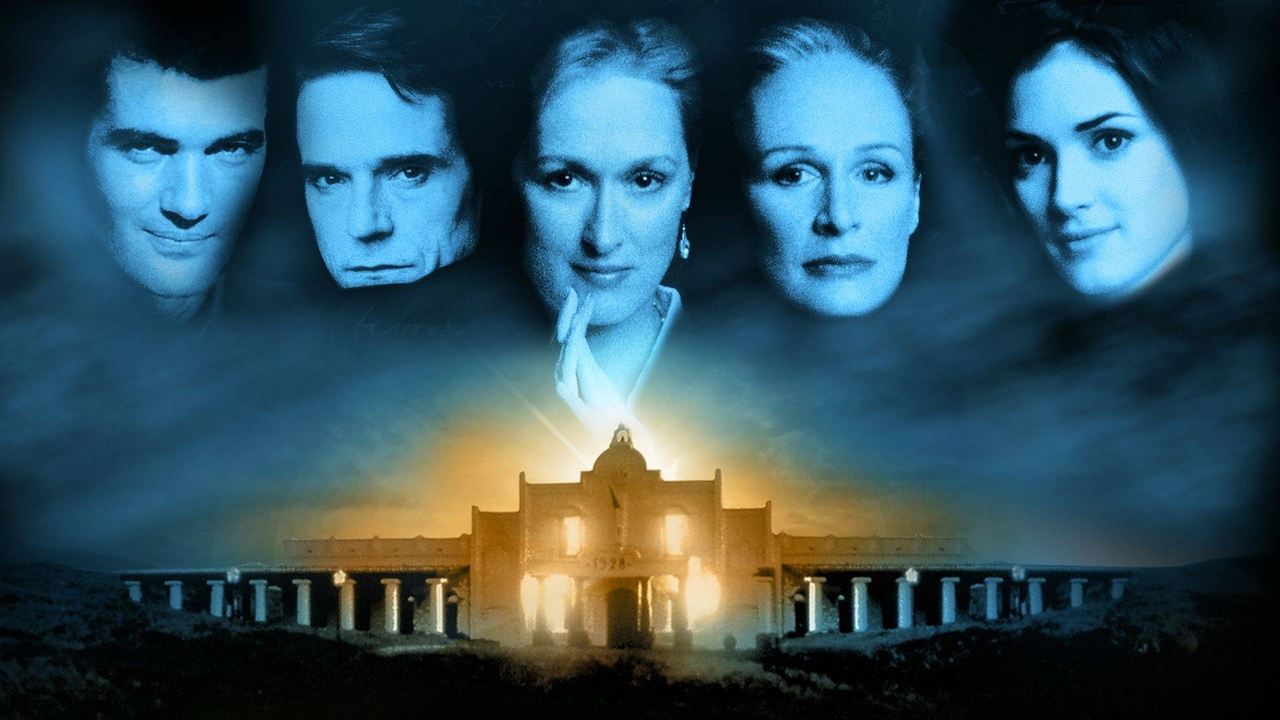
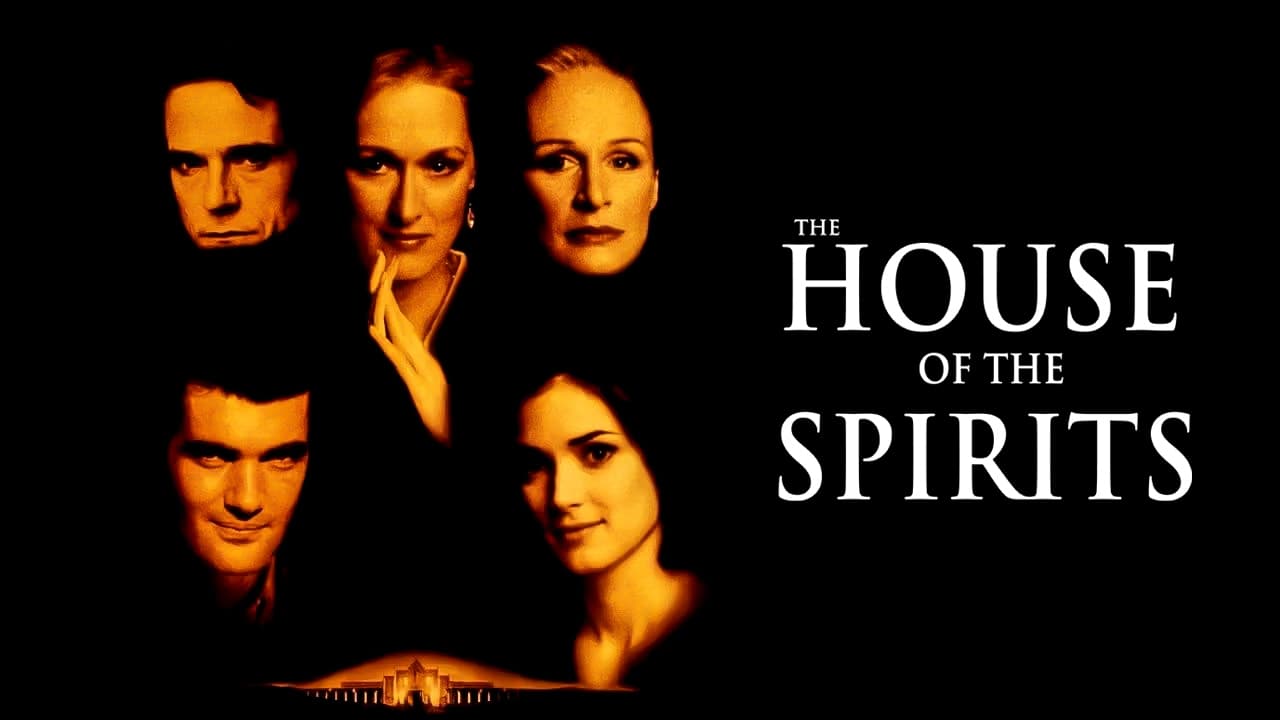
At its core, The House of the Spirits attempts to weave a multi-generational narrative tapestry set against the backdrop of dramatic social and political upheaval in an unnamed South American country (clearly inspired by Chile). We follow the Trueba family, dominated by the volatile, conservative patriarch Esteban (Jeremy Irons), whose life becomes intertwined with the del Valle sisters – most notably Clara (Meryl Streep), a woman gifted (or burdened) with clairvoyance and a quiet, otherworldly strength. Their turbulent relationship, the lives of their children, particularly their daughter Blanca (Winona Ryder) and her forbidden love for the revolutionary Pedro Tercero García (Antonio Banderas), form the heart of a story encompassing love, betrayal, class conflict, and the inexorable march of history towards violent revolution and dictatorship.
The Weight of Expectation
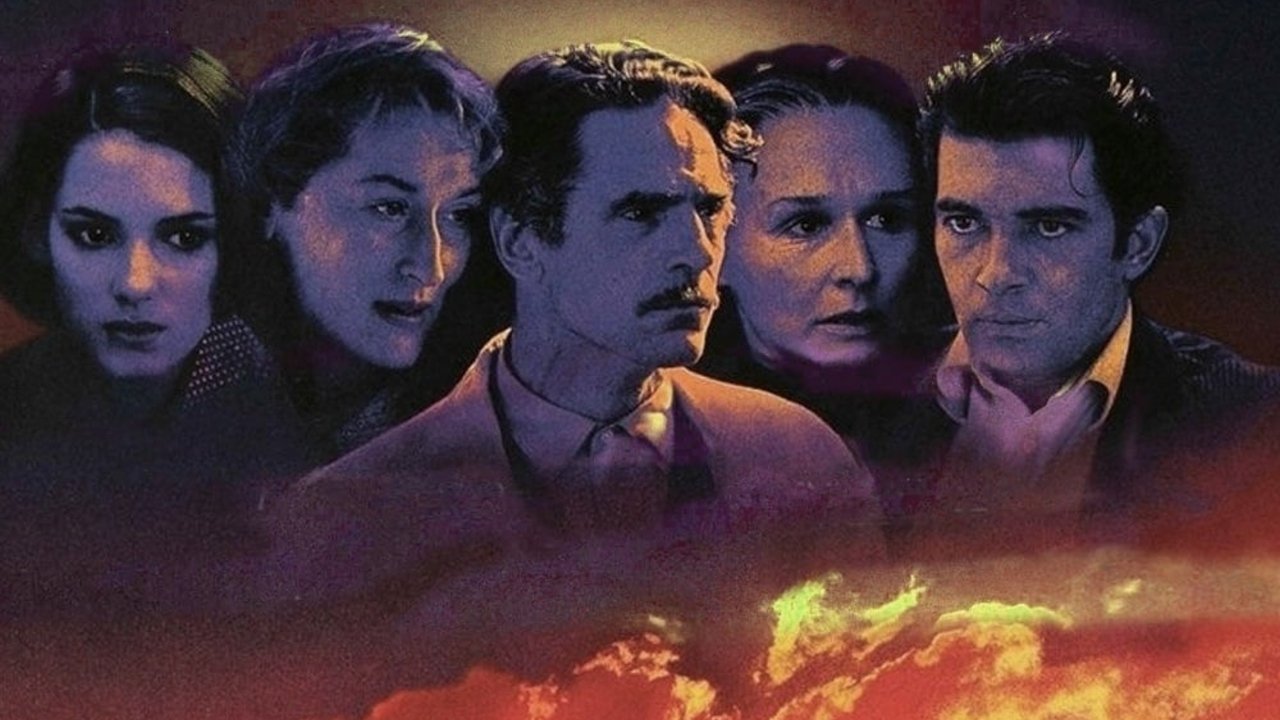
Adapting a novel as dense, beloved, and tinged with magical realism as Allende’s was always going to be a monumental task. Bille August, fresh off the international success of Pelle the Conqueror (1987), certainly didn't shy away from the scale. This was a major international co-production, filmed across Portugal and Denmark with a hefty budget (around $27 million back then, close to $60 million today) signaling its prestige aspirations. Yet, condensing decades of intricate plotting, multiple points of view, and subtle magical elements into a two-and-a-half-hour film inevitably leads to simplification. Does the film fully capture the lyrical, spiritual essence of the book? Perhaps not entirely. Some of the magic feels muted, the political context sketched rather than deeply explored. It sometimes feels like we're glancing at beautifully rendered portraits of moments rather than living fully within the continuous flow of time the novel evokes.
A Constellation of Stars
Where the film undeniably shines, however, is in its extraordinary cast. Jeremy Irons delivers a powerhouse performance as Esteban Trueba, embodying the character's journey from ambitious youth to hardened landowner and, finally, a man reckoning with the devastating consequences of his own actions and ideology. It’s a complex, often unlikeable role, and Irons navigates it with fierce commitment. Opposite him, Meryl Streep is luminous as Clara. She brings a serene, ethereal quality, grounding the film's more spiritual elements. Her quiet resilience in the face of Esteban's tyranny is captivating. It’s worth noting Streep and Irons had crackled with a different kind of tension over a decade earlier in The French Lieutenant's Woman (1981), and their shared screen history adds another layer here.
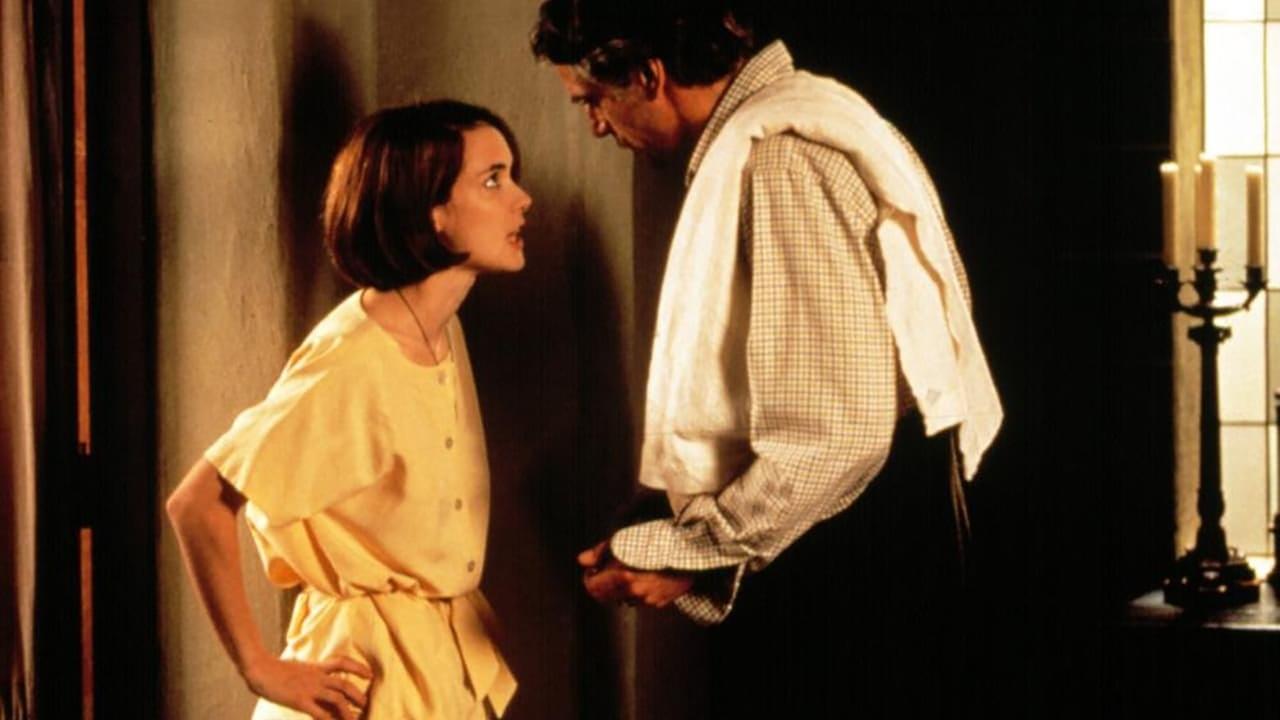
But for many, the film belongs to Glenn Close as Férula, Esteban’s fiercely devoted, deeply repressed sister. It's a performance simmering with unspoken longing and resentment, culminating in moments of startling intensity. Close reportedly fought for the role, recognizing its tragic power, and she makes every second count, often stealing scenes with just a look. Supporting players like Winona Ryder and Antonio Banderas provide youthful energy and represent the generation caught in the crossfire of ideological battles, while Vanessa Redgrave lends her distinctive voice and presence, albeit briefly. It's a cast that elevates the material, bringing emotional weight even when the narrative feels compressed.
Crafting the Saga
Visually, August and cinematographer Jörgen Persson create some striking images, capturing both the sprawling beauty of the hacienda and the grim realities of poverty and political violence. Hans Zimmer provides a rich, evocative score that underscores the dramatic sweep. The challenge lies in balancing the personal drama with the historical context. The film touches upon the rise of socialism, the ensuing military coup, and the subsequent reign of terror, but these elements sometimes feel like backdrop rather than the driving force they are in the novel. The depiction of violence, while impactful, feels somewhat restrained, perhaps aiming for broader accessibility.
Lingering Spirits
Watching The House of the Spirits today evokes a complex nostalgia. It represents a type of ambitious, star-driven, literary adaptation that feels less common now. It aimed high, even if it didn't quite reach every peak scaled by its source material. The casting choices, primarily Anglo-American actors in Latin American roles, might raise more eyebrows today than in 1993, but the performances themselves remain compelling.
What lingers most? For me, it’s the exploration of memory, legacy, and the enduring strength found in familial bonds, particularly among the women. Clara's ability to see beyond the present, Férula's fierce loyalty, Blanca's determined love – these threads resonate. The film asks us to consider how personal histories intertwine with national ones, how choices made in passion or anger ripple through generations. Doesn't the struggle between entrenched power and calls for change feel perpetually relevant?
Rating: 7/10
The House of the Spirits is a film of considerable craft and powerful performances, particularly from Irons and Close. Its ambition to translate a sprawling, beloved novel to the screen is commendable, even if the result feels somewhat condensed and occasionally simplifies its source's complexities and magical realism. It doesn't fully capture the novel's soul, but the acting brilliance and the sheer scope of the tragedy it portrays make it a compelling, often moving watch, especially for fans of grand, character-driven drama from the era.
It remains a significant, if imperfect, piece of 90s cinema – a film that wrestled with big themes and deep emotions, leaving you with the haunting sense that the spirits of the past are never truly silent.