It arrives not with a thunderclap or a chilling whisper, but with the casual, almost innocent curiosity of a tourist. Death, that is. In Martin Brest’s ambitious, sprawling 1998 drama Meet Joe Black, the ultimate existential dread strolls into the opulent world of media mogul William Parrish disguised in the impossibly handsome form of Brad Pitt. Watching it again after all these years, maybe pulling out that hefty double-VHS set some of us still treasure, the film feels like a curious artifact itself – a grand, unhurried meditation on life and love, crafted with a kind of earnestness and scale rarely afforded to such intimate themes today.
A Gilded Bargain
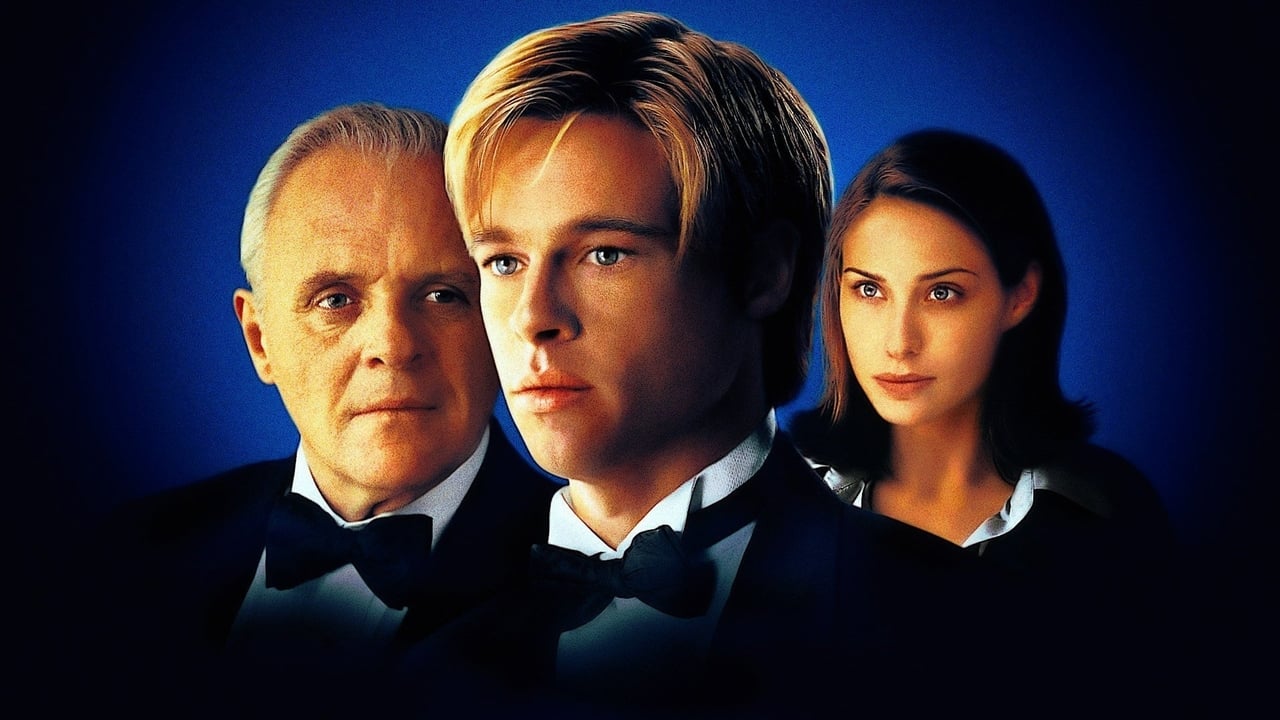
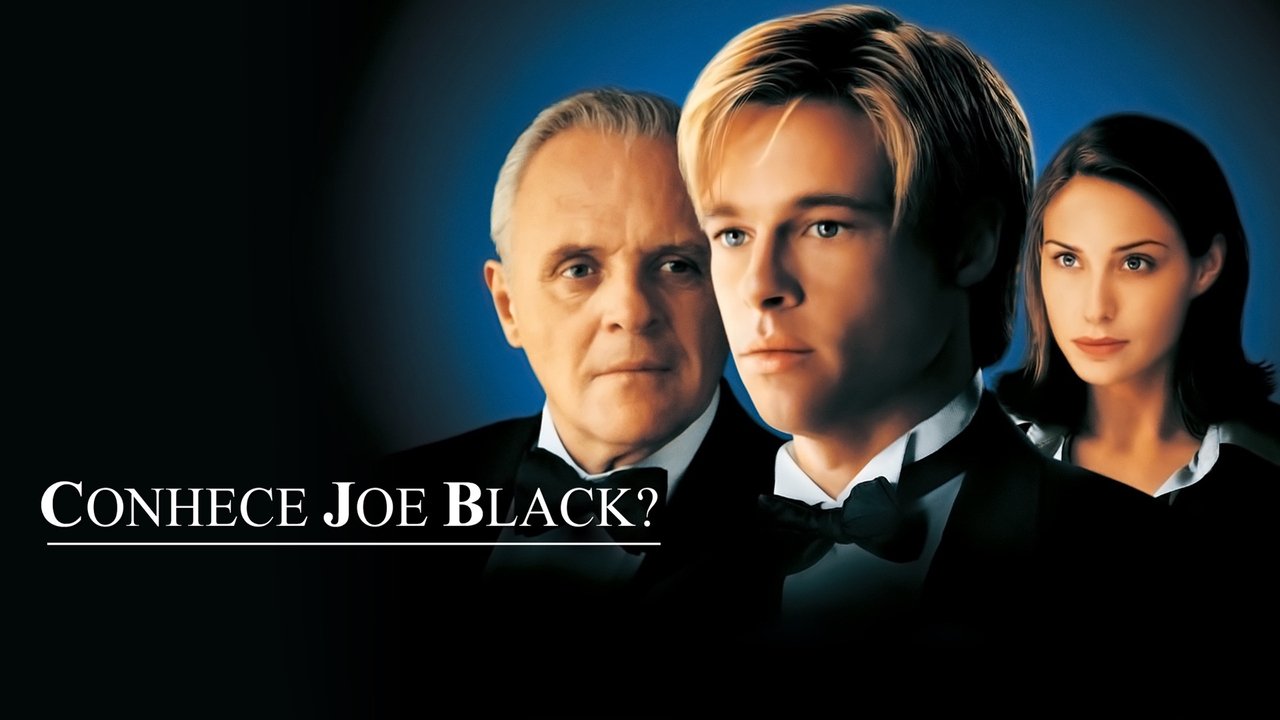
The premise, elegantly borrowed from the 1934 classic Death Takes a Holiday, is instantly captivating. William "Bill" Parrish (Anthony Hopkins, radiating weary authority and quiet dignity) is a man who seemingly has it all: immense wealth, a loving family, and the respect of his peers. But as his 65th birthday approaches, he starts hearing voices. Soon, the source reveals itself: Death has come for him, but with an unusual proposition. Intrigued by humanity, Death wants a guide, a tour of earthly existence before taking Bill. In return, Bill gets a little more time. The vessel Death chooses? The body of a charismatic young man (Pitt) who had a fleeting, charming encounter with Bill’s younger daughter, Susan (Claire Forlani), just hours before a shockingly abrupt – and frankly, still rather infamous – traffic accident.
This setup plunges us into a world of breathtaking luxury. The Parrish estate, filmed largely at the stunning Aldrich Mansion in Rhode Island, isn't just a backdrop; it's practically a character. Its vast, polished halls and immaculate grounds underscore the scale of Bill's life, but also create a kind of gilded cage, a beautiful prison where profound human dramas play out under the shadow of mortality. The film looks expensive, a deliberate choice by Brest, who was coming off the Oscar-winning Scent of a Woman (1992) and known for his meticulous, sometimes time-consuming, approach. With a reported budget of $90 million (around $170 million today!), every frame feels carefully composed, aiming for a timeless, painterly quality.
An Innocent Abroad, A Father's Farewell
The heart of the film lies in two intertwined relationships. First, the complex dynamic between Bill and "Joe Black," Death incarnate. Hopkins delivers a masterclass in contained emotion. His Bill isn't just afraid; he's grappling with legacy, regret, love for his daughters, and the sudden, absurd intimacy of mentoring the entity that will end his existence. There’s a profound sadness in his eyes, a lifetime of experience weighing against Joe's unnerving naiveté.
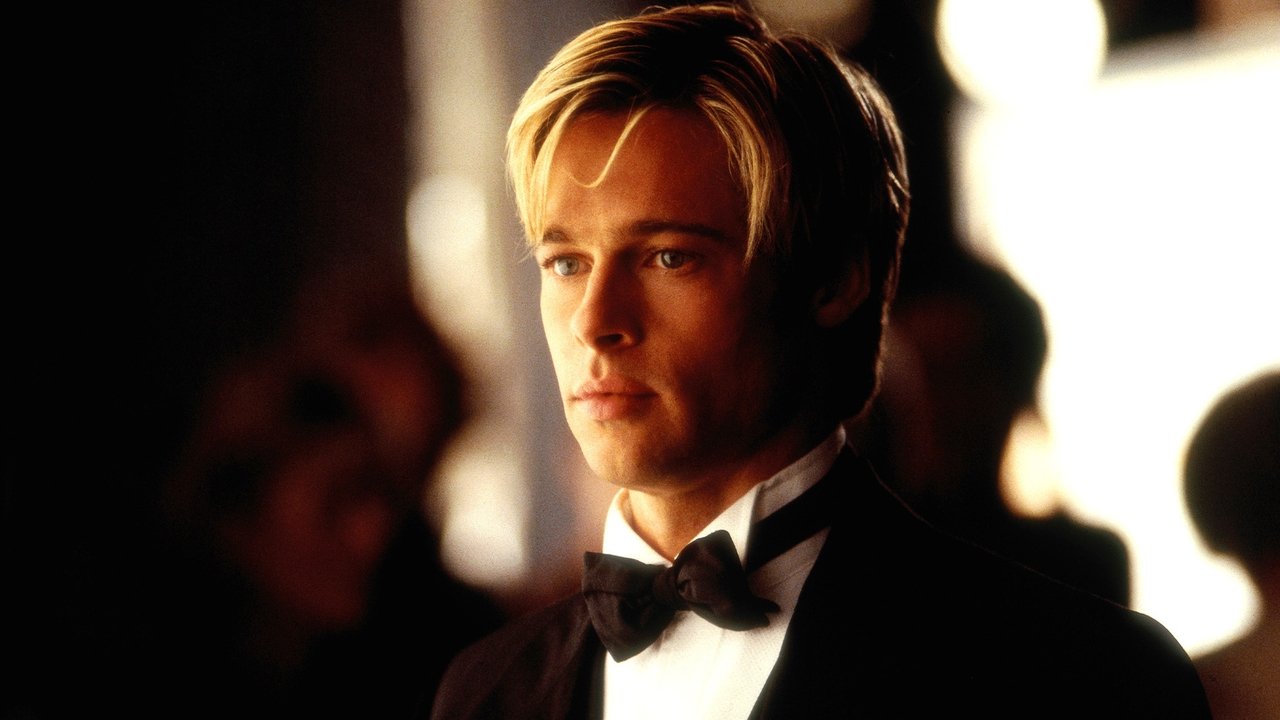
Pitt’s performance is fascinatingly layered. He first appears as the bright-eyed, instantly likable young man in the coffee shop – a glimpse of the life tragically cut short. Then, as Joe Black, he adopts a stillness, an almost childlike wonder mixed with an unsettling intensity. His discovery of simple pleasures, like peanut butter, provides moments of gentle humor, but it's his quiet observation, his attempts to understand human connection, that truly defines the character. Is it occasionally awkward? Yes. Does he sometimes seem more alien than ethereal? Perhaps. But it’s a challenging, high-wire act – portraying an ancient force experiencing everything for the first time – and Pitt commits fully, creating a presence that is both captivating and slightly unnerving. It's a performance that seemed to divide critics back in '98, but feels more understandable now as a deliberate portrayal of profound 'otherness'.
Love in the Shadow of Death
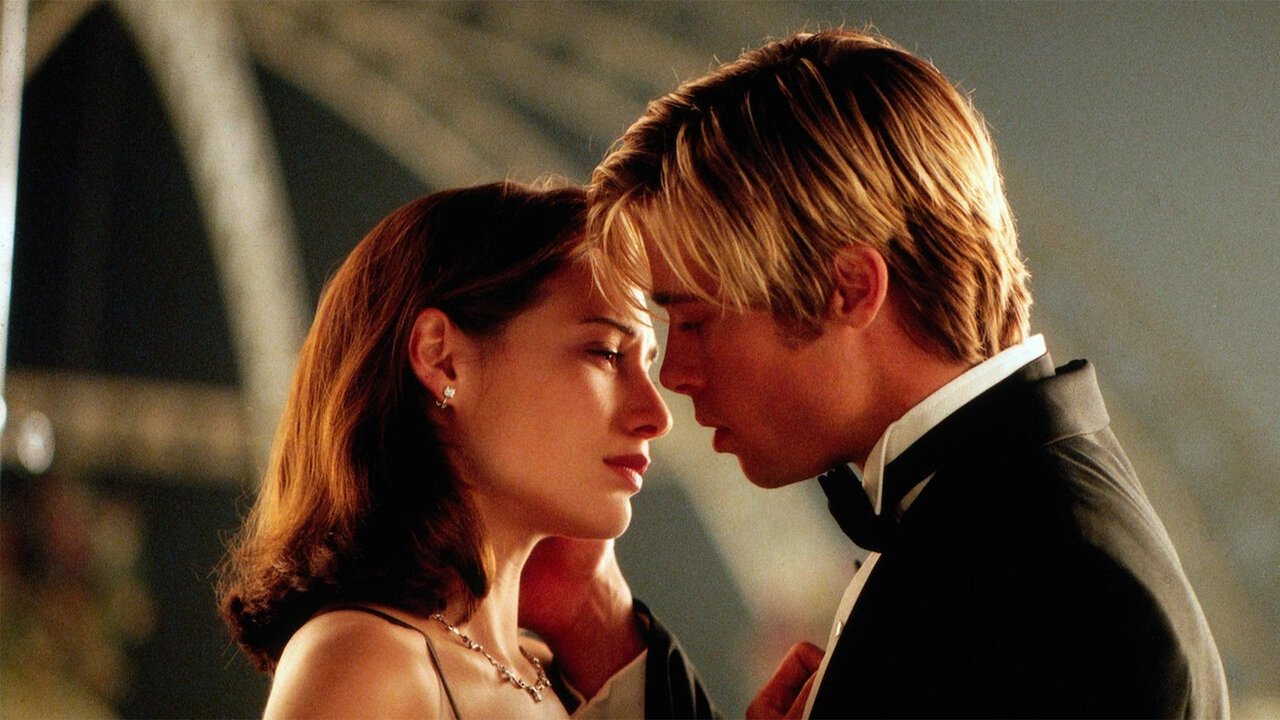
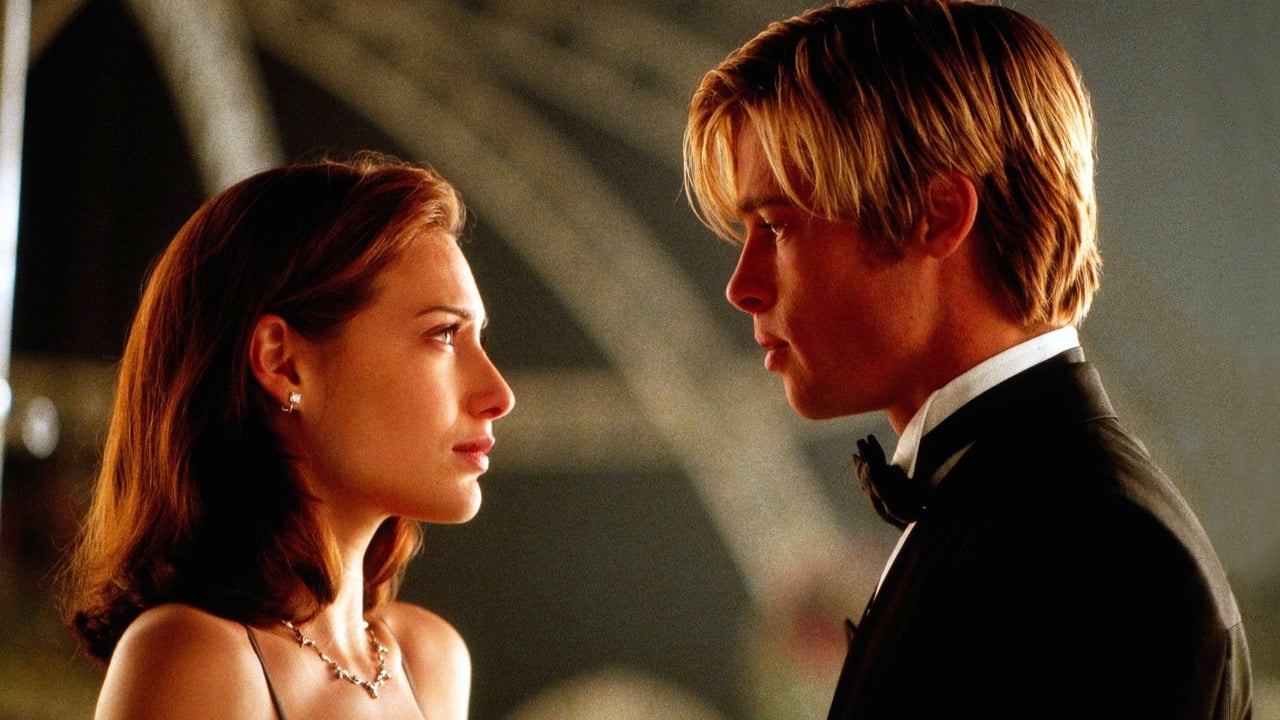
The second key relationship is the romance between Joe and Susan. Claire Forlani is luminous as the dedicated doctor initially bewildered, then intrigued, and finally captivated by this strange, intense man who seems both familiar and utterly new. Their connection is supposed to be the film’s emotional core, the ultimate lesson Death learns about human passion. Does it entirely succeed? That's perhaps where the film is most debated. The chemistry is palpable in moments, particularly in their early scenes charged with unspoken questions. However, the sheer weight of the premise – falling in love with Death itself – creates an inherent melancholy that sometimes overshadows the romance. The famous fireworks scene, visually stunning, attempts to capture that peak emotional intensity.
Retro Fun Facts: The Making of a Marathon
Meet Joe Black wasn't just a film; it felt like an event, partly due to its sheer length. Clocking in at three hours, it demanded patience, a quality perhaps less common in today's viewing habits. Universal Studios reportedly balked at the runtime, leading to tension with Brest. For home video, this meant splitting the film across two VHS tapes – a tangible reminder of its epic scope for anyone who rented or bought it back then.
Its box office tells a story too: $143 million worldwide ($270 million adjusted) wasn't a flop, but against that hefty $90 million budget and star power, it perhaps didn't quite meet blockbuster expectations. Critics were decidedly mixed, often praising the performances and visuals while lamenting the deliberate, sometimes glacial, pacing. Roger Ebert, for instance, admired its ambition but found it too slow.
And that car accident scene? It remains one of the most jarringly realistic and sudden depictions of death on film, achieved through a combination of stunt work and clever editing, leaving audiences gasping in 1998. It's a brutal counterpoint to the otherwise elegant, almost dreamlike tone of the rest of the movie.
Does Time Serve It Well?
Watching Meet Joe Black today, the pacing still feels deliberate, but perhaps more fitting for its meditative themes. It asks big questions: What makes a life well-lived? How do we face the inevitable? What truly matters in the end? These aren't questions to be rushed. The film luxuriates in its atmosphere, allowing moments to breathe, letting Thomas Newman's evocative score wash over the viewer. While younger me might have fidgeted during some of the boardroom subplot scenes (featuring a reliably snaky Jake Weber), the older me appreciates the attempt to ground the fantastical premise in relatable human concerns – legacy, business, family betrayal.
It’s not perfect. The runtime is demanding, and the central romance, while visually beautiful, might not connect emotionally for everyone. Yet, there's something undeniably compelling about its earnestness, its willingness to tackle profound themes with grace and scale. Hopkins gives a performance for the ages, and Pitt’s unique portrayal of Death lingers long after the credits roll.
Rating: 7.5/10
Meet Joe Black is a film that invites reflection rather than demanding immediate gratification. Its three-hour runtime is both its greatest hurdle and, arguably, essential to its meditative spell. Anchored by superb performances from Hopkins and a fascinating turn by Pitt, wrapped in gorgeous production design and tackling universal themes with sincerity, it remains a unique and memorable piece of late-90s filmmaking. It might require patience, much like contemplating life itself, but the journey offers considerable rewards for those willing to take it. It leaves you pondering not just the nature of death, but the precious, fleeting beauty of being alive.