Alright, fellow tapeheads, settle into that comfy armchair, maybe crack open a Tab or a Crystal Pepsi if you’re feeling really authentic, because tonight we’re popping in a charming little number that perfectly captures a specific slice of early 90s cinematic comfort food: 1993’s Undercover Blues. This wasn't the tape that flew off the shelves first on a Friday night, perhaps, but finding it tucked away felt like discovering a cozy secret – a film built almost entirely on the effervescent charm of its leads.
### Big Easy Déjà Vu
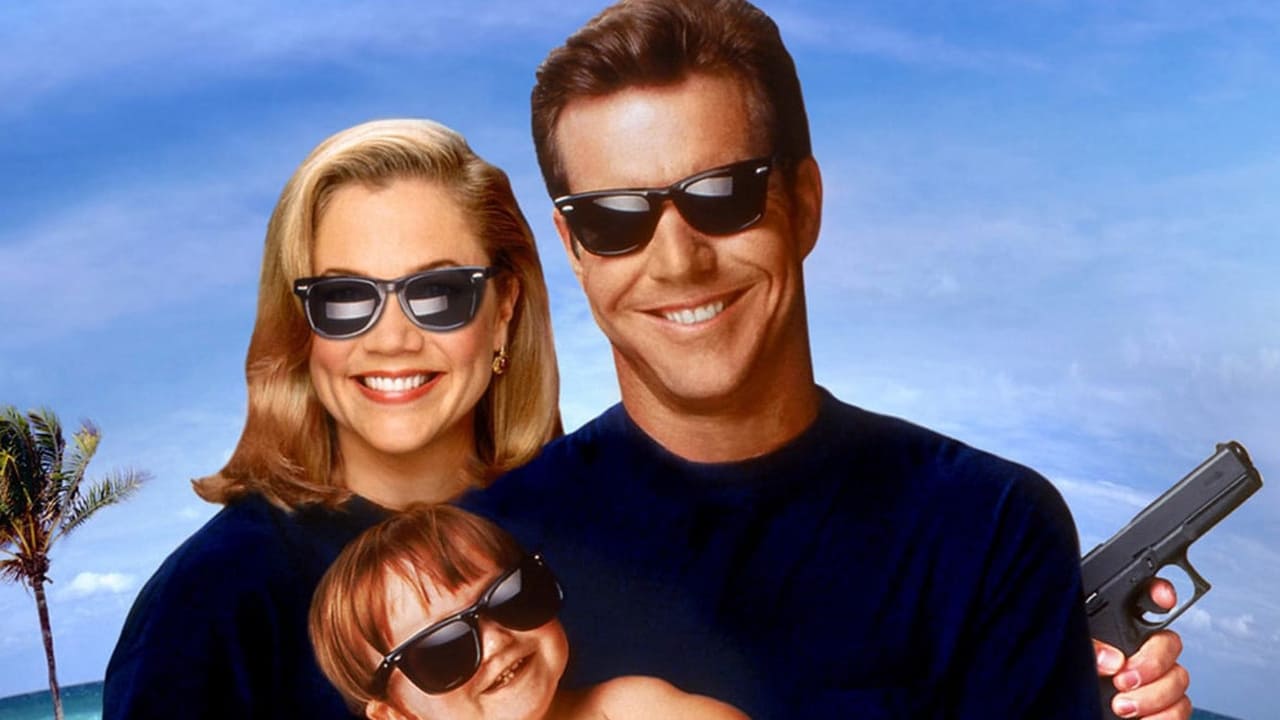
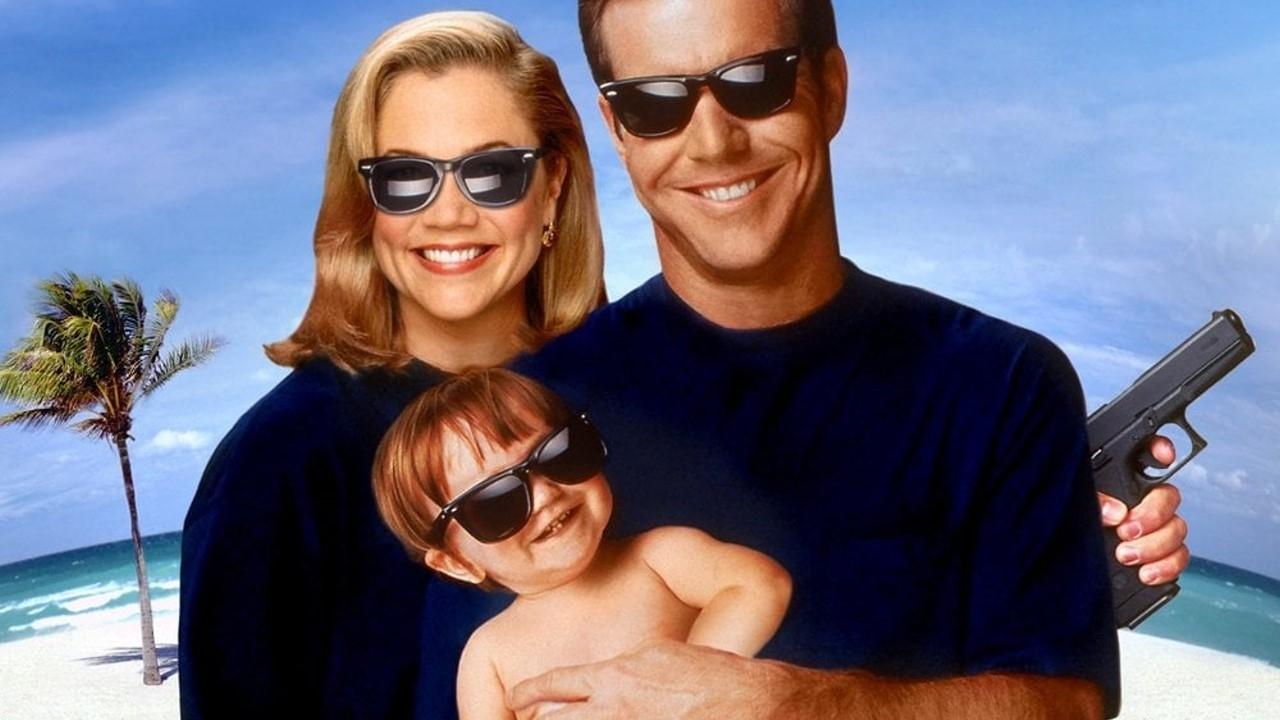
Remember the electric chemistry between Kathleen Turner and Dennis Quaid in The Big Easy (1986)? Well, Hollywood clearly did. Undercover Blues wisely re-teamed the pair, sending them back to the atmospheric streets of New Orleans, this time as Jane and Jefferson Blue – whip-smart, effortlessly cool spies trying (and mostly failing) to enjoy maternity leave with their adorable baby daughter. Writer Ian Abrams apparently pitched the film specifically wanting to explore the dynamic of married spies juggling diapers and danger, a concept ripe for comedic potential. And bringing Turner and Quaid back together, especially in the city that defined their previous screen magic, was a stroke of genius. You can practically feel their shared history and playful rapport radiating off the fuzzy CRT screen.
### Espionage with Extra Baggage
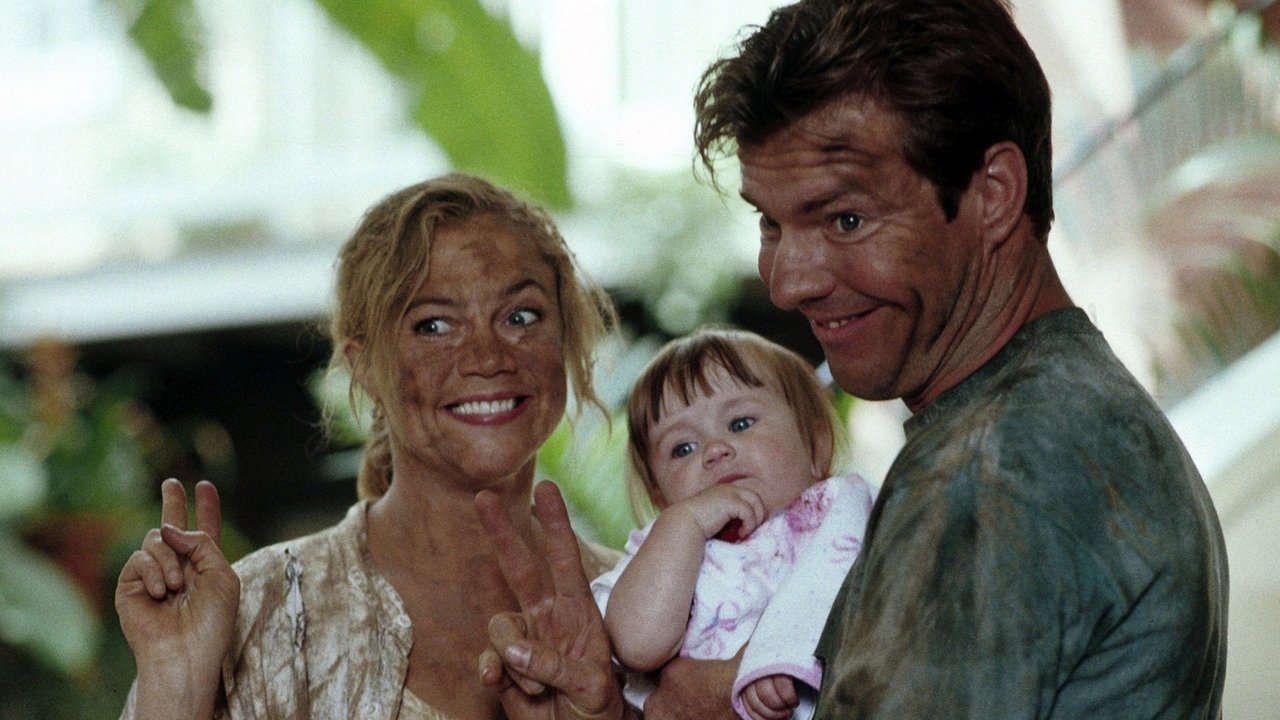
The plot kicks off when the Blues, attempting a quiet vacation, find themselves inadvertently drawn back into the world of international intrigue. A stolen experimental plastic explosive, codenamed C-22, has surfaced, and wouldn't you know it, the bumbling local police (Larry Miller provides some amusing exasperation) and eventually the Feds (Obba Babatundé as the straight-laced handler) need their off-the-books expertise. What follows is a breezy caper that blends surprisingly slick moments of spy craft – lock picking, quick changes, hand-to-hand combat delivered with nonchalant flair – with the harried realities of new parenthood.
It’s this blend that gives the film its unique flavour. One minute Jeff is disarming goons with improbable ease, the next he’s struggling with a stroller. Jane might be deciphering codes while simultaneously soothing a fussy baby. Speaking of the baby… yes, there’s the infamous voiceover, giving us the infant’s inner thoughts. It's a gimmick that feels very 90s (shades of Look Who's Talking), and while occasionally cute, it admittedly wears thin. But honestly, it barely detracts from the main event: watching Turner and Quaid be impossibly cool and clearly having a ball doing it. Filming on location in New Orleans lends a wonderful authenticity; the city's unique vibe, from the French Quarter to the Garden District, becomes an essential backdrop, much like it was in The Big Easy.
### Stars Align (Mostly)
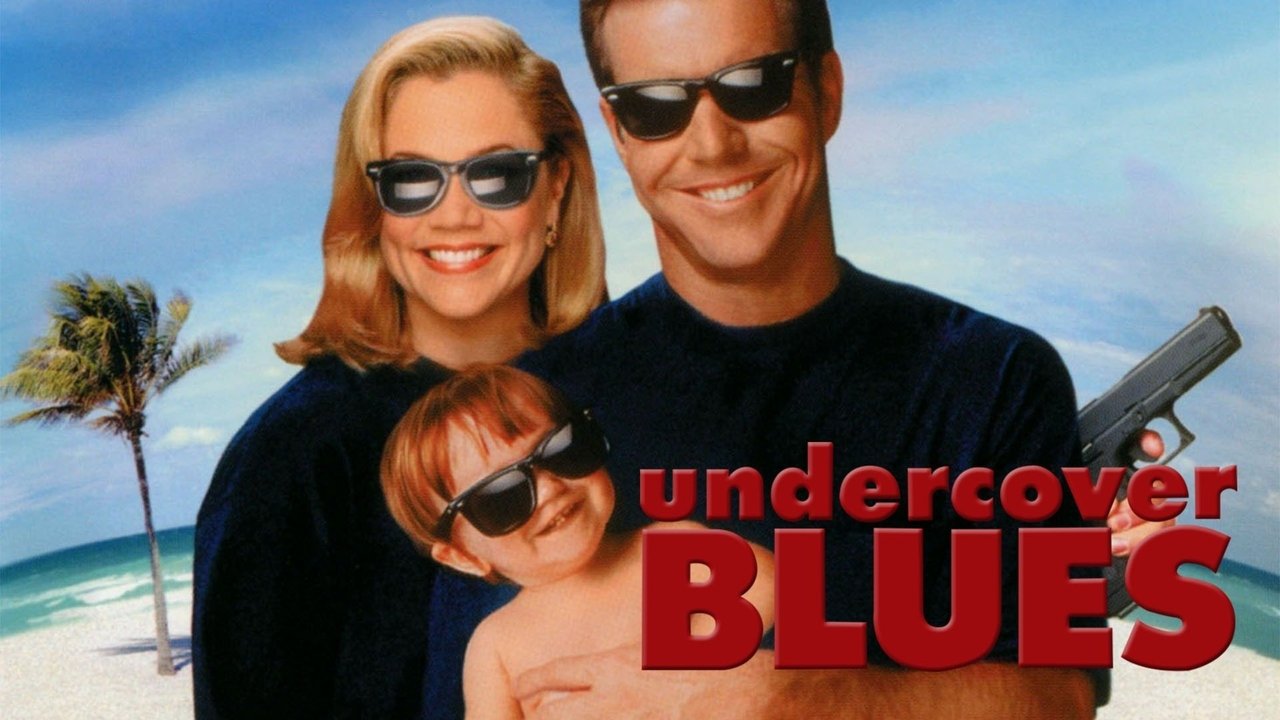
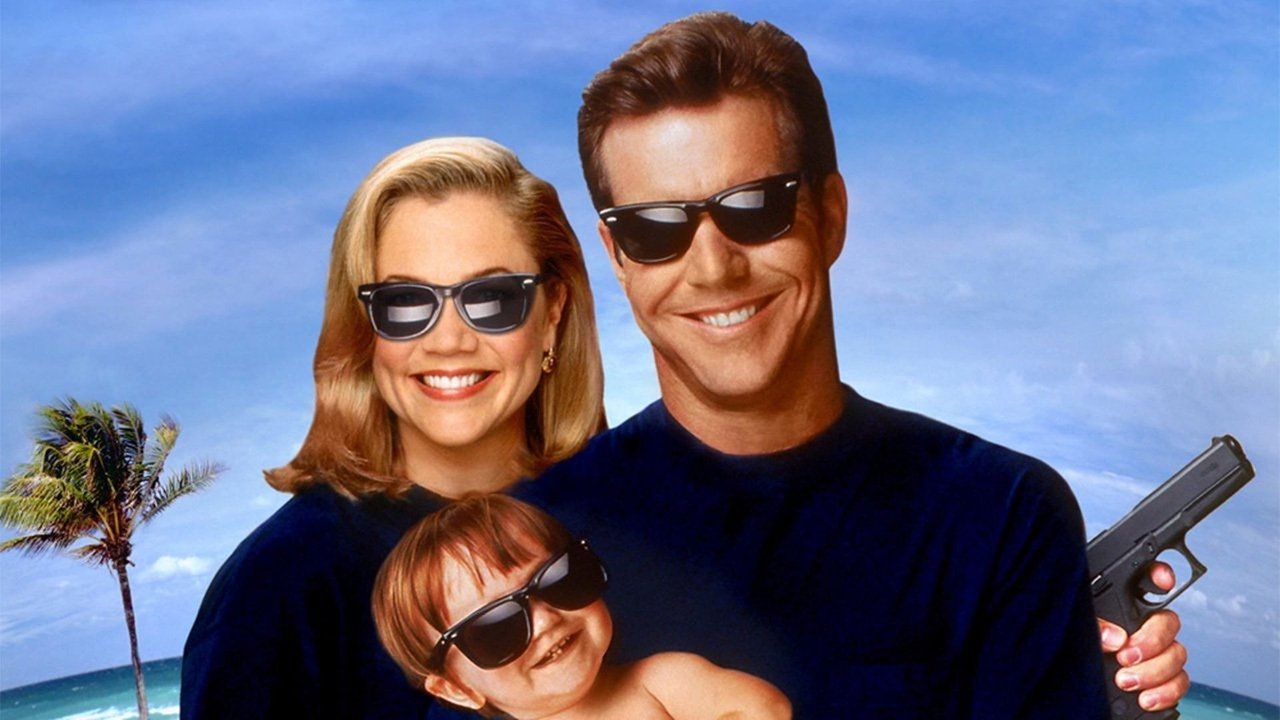
Turner is luminous as Jane, embodying effortless competence and maternal warmth. She was at a point in her career where roles showcasing this blend of strength and charm were perfect for her. Quaid, flashing that signature grin, plays Jeff with infectious energy and a rogue-ish twinkle in his eye. Their banter feels genuine, a testament to their real-life friendship which reportedly made the on-screen connection effortless. They make spycraft look less like a job and more like an elaborate, shared hobby they happen to be exceptionally good at.
But the supporting cast! Oh man, they elevate this into something truly memorable. Stealing every scene she’s in is the magnificent Fiona Shaw as the villainous Paulina Novacek, a former Czech spy with a penchant for dramatic pronouncements and operatic flair. Shaw attacks the role with glorious, scenery-chewing gusto that’s just a joy to behold. And let's not forget a pre-stardom Stanley Tucci as the inept, wannabe street thug Muerte. His attempts at menace are hilariously undercut by his sheer incompetence, creating some of the film's funniest moments. It’s a small role, but Tucci, even then, knew how to make a lasting impression. Director Herbert Ross, known for everything from the heartfelt drama of Steel Magnolias (1989) to the toe-tapping energy of Footloose (1984), keeps things moving at a pleasant clip, focusing on the character interactions and letting the comedy breathe.
### That 90s Shine
Undercover Blues is undeniably a product of its time. The pacing is more relaxed than today's frantic action-comedies, the stakes feel relatively low, and the focus remains squarely on the characters and their relationships. There are some decent, grounded action beats – a fun foot chase here, a quick brawl there – handled with that pre-CG era practicality that feels satisfyingly real, even if it's not the film's main focus. It’s more about cleverness and quick thinking than elaborate pyrotechnics.
Critically, the film received a lukewarm reception upon release, and it didn't exactly break the bank, pulling in just over $20 million against a reported $25 million budget. But like so many films from this era, it found a dedicated audience on home video and cable. Renting this tape felt like settling in for a reliably entertaining evening, a comfortable cinematic sweater. It might not have the groundbreaking effects or complex plots of modern blockbusters, but it possesses a certain laid-back confidence and charm that’s increasingly rare.
***
VHS Heaven Rating: 7/10
Justification: The undeniable chemistry between Turner and Quaid, scene-stealing turns from Shaw and Tucci, and the charming New Orleans setting make this a highly enjoyable watch. It perfectly captures a specific early-90s light comedy vibe. Points are deducted for the slightly weak plot and the hit-or-miss baby voiceover gimmick, but the sheer likability carries it through.
Final Rewind Thought: Undercover Blues is like that favorite comfy sweatshirt from 1993 – maybe a little faded, perhaps not the height of fashion anymore, but slipping it on still feels undeniably good. A perfect slice of breezy, star-powered nostalgia.