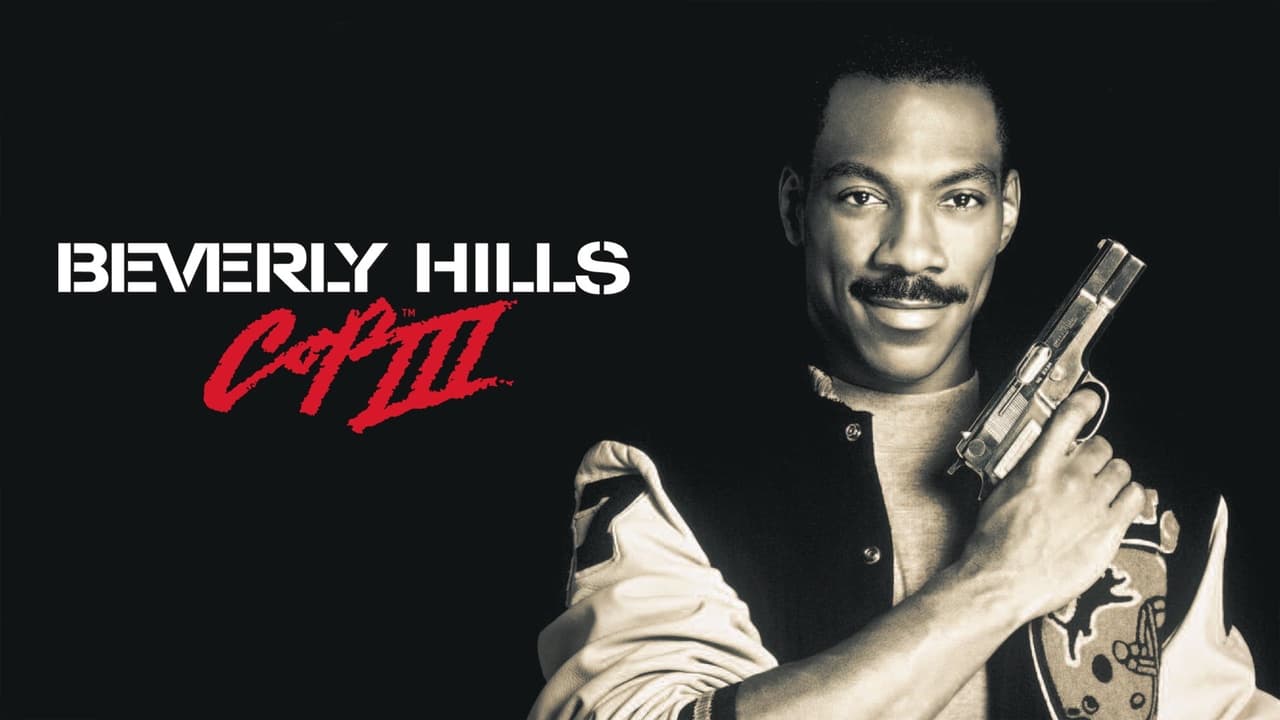
Okay, rewind that tape. The tracking might be a little fuzzy, the sound occasionally warbling, but nestled somewhere between the trailers for movies you definitely rented and the slightly chewed-up corners of the clamshell case lies Beverly Hills Cop III. Seeing this one pop up on the 'New Releases' shelf back in '94 felt… well, it felt like an event, didn't it? Axel Foley was back! But pulling this tape out now, decades later, sparks a different kind of feeling – a mix of affection, a raised eyebrow, and the undeniable urge to revisit one of the strangest major sequels of the 90s.
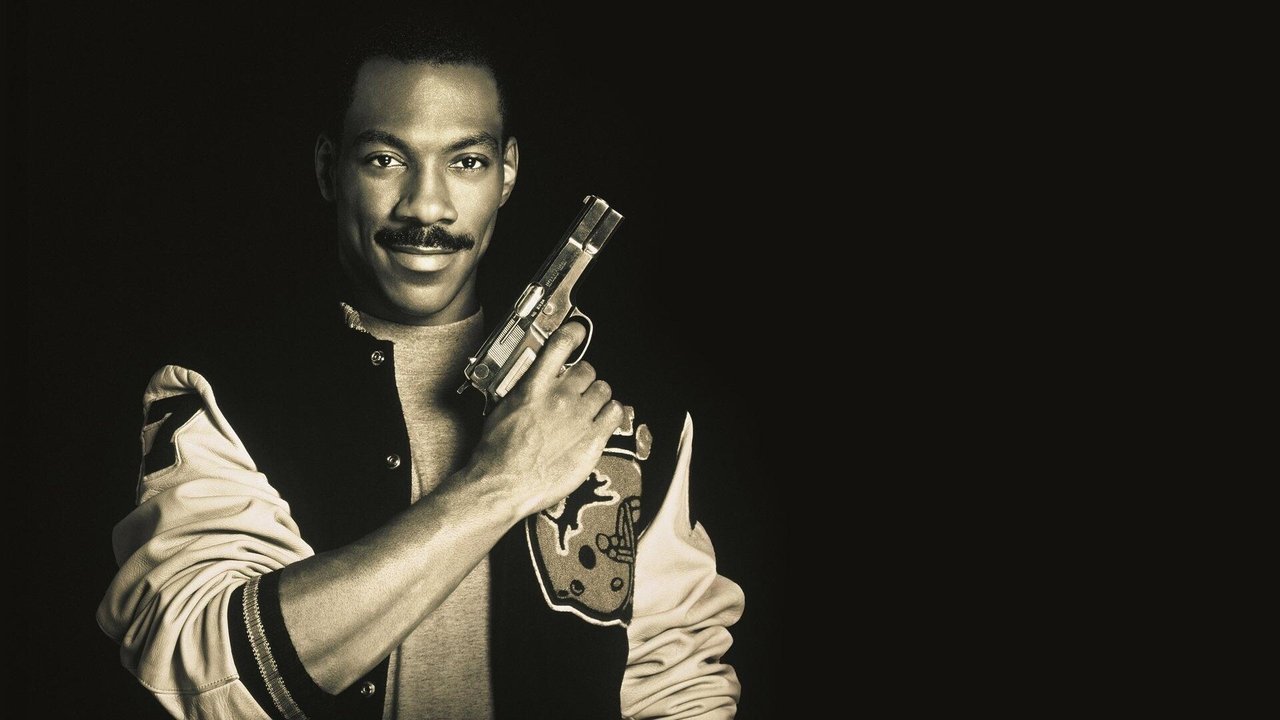
It kicks off with familiar grit – Axel (Eddie Murphy) is still Axel, dodging bullets and bending rules back in Detroit. But when his beloved Inspector Todd (Gil Hill, the actual Detroit homicide detective adding that grounded authenticity to the series) is gunned down, Foley’s investigation leads him, inevitably, back to the sun-drenched, palm-tree-lined streets of Beverly Hills. This time, though, the trail points somewhere unexpected: WonderWorld, a squeaky-clean theme park that feels worlds away from the slick art galleries and grimy back alleys of the first two films.
### Welcome to WonderWorld?
This shift in location is the film's defining feature and, let's be honest, its most divisive element. Bringing in director John Landis, who previously struck gold with Eddie Murphy in Trading Places (1983) and Coming to America (1988), seemed like a slam dunk. Landis brings his trademark style, stuffing the screen with energy and, notably, a parade of filmmaker cameos during the park scenes – spot George Lucas, Joe Dante, and even BHC II director Barbet Schroeder if you don’t blink. But something felt… off. The reunion between star and director was reportedly quite strained on set, and you can almost feel that tension bleed onto the screen. Gone is the sharp, R-rated edge of the originals, replaced by a broader, PG-13 sensibility aiming for theme park thrills. Steven E. de Souza, the screenwriter who gave us action nirvana with Die Hard (1988) and Commando (1985), penned the script, but the blend of his high-octane style with Foley’s established street smarts never quite gels amidst the cotton candy and costumed characters. Early drafts were apparently much darker, focusing more on Axel's grief, but the studio seemingly pushed for a lighter ride.
### Practical Mayhem in the Magic Kingdom
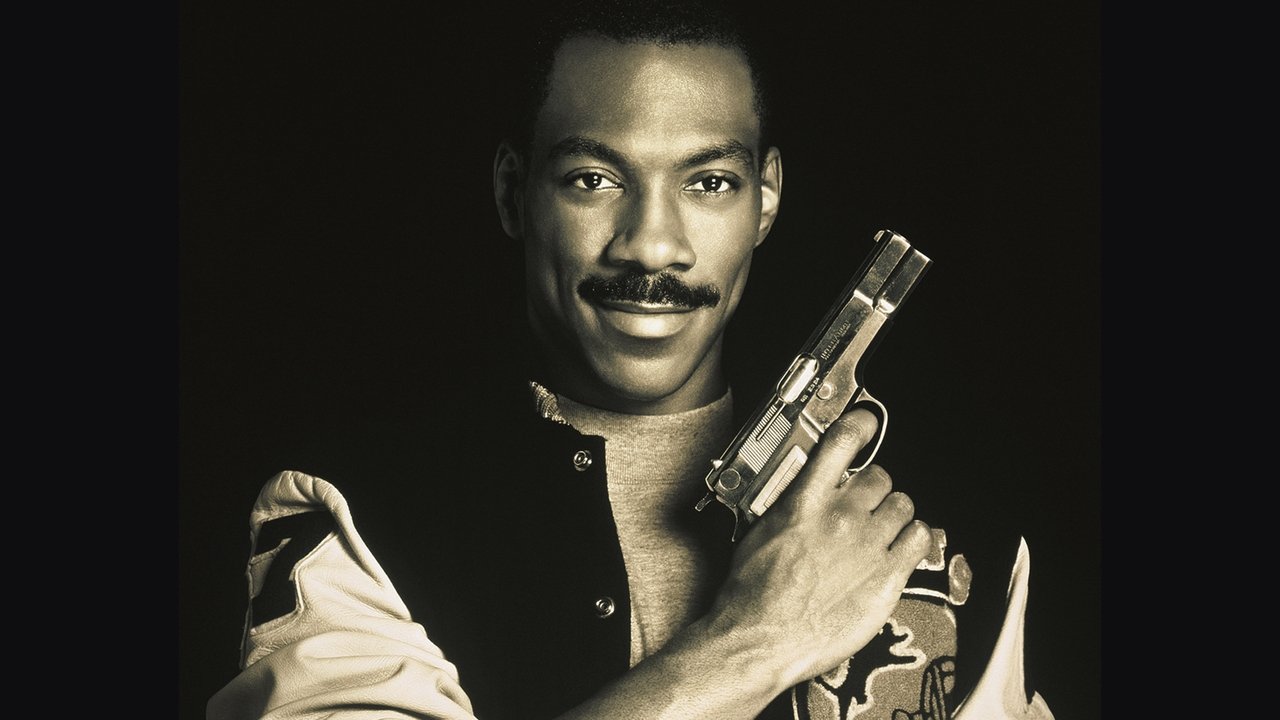
Where Beverly Hills Cop III still delivers that authentic 90s action kick is in its commitment to doing it for real. Remember the sheer panic of that malfunctioning Spider ride sequence? Or the frantic rescue dangling high above the park? That’s pure practical effects wizardry, folks! You feel the weight, the danger, the very real possibility of things going spectacularly wrong because, well, they were. Filmed primarily at Paramount's Great America park in California (now California's Great America), the stunt team clearly earned their paychecks orchestrating chaos amidst actual theme park structures. There's a tangible quality to the explosions, the gunfire (check out Axel’s ridiculously oversized cannon of a gun!), and the physical comedy that feels miles away from today's slick, often weightless CGI spectacles. It might look a bit clunky now, but back then, watching those real rides seemingly tear themselves apart felt genuinely intense on your trusty CRT.
### The Old Crew (Mostly)
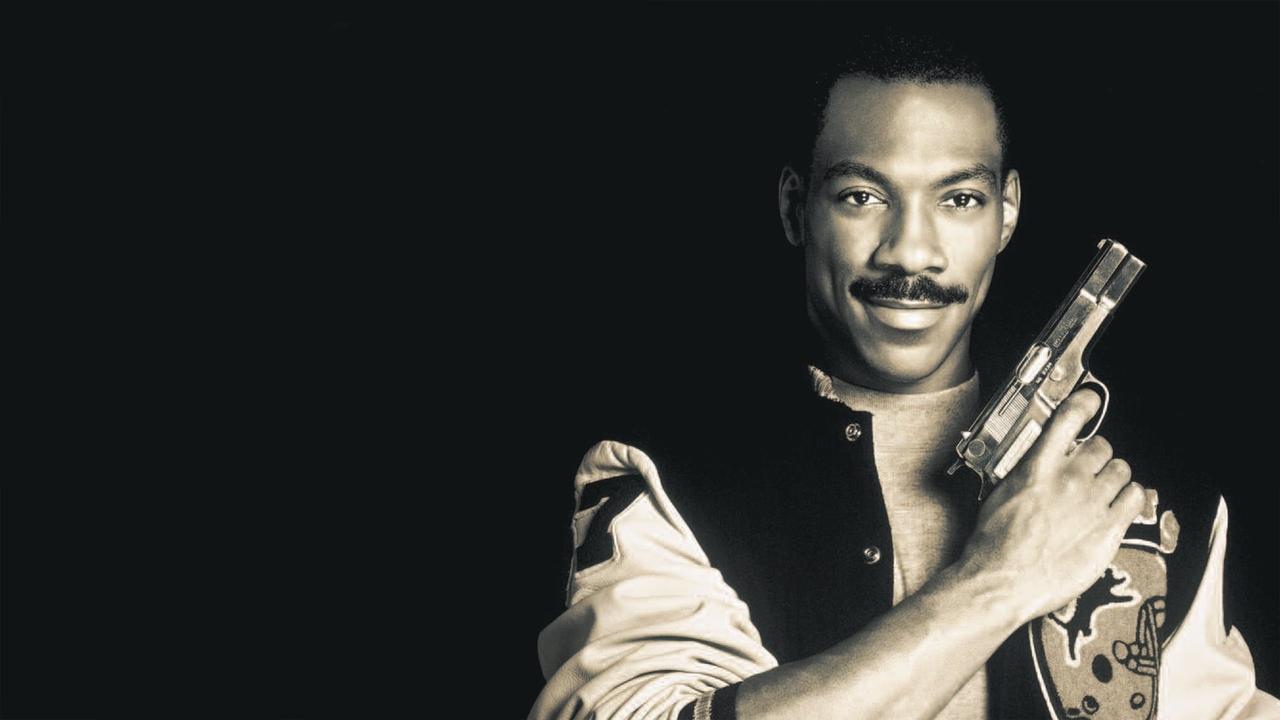
Of course, Axel isn't alone. Judge Reinhold returns as Billy Rosewood, now promoted to the impressively titled DDO-JSI (Deputy Director of Operations for Joint Systems Interdepartmental). His earnest goofiness remains a highlight, though the dynamic feels different without his original partner. John Ashton's crusty Sergeant Taggart is noticeably absent (scheduling conflicts and script disagreements were the official reasons), as is Ronny Cox's Captain Bogomil. Their presence is missed, undeniably altering the chemistry. Stepping in is the always-reliable Hector Elizondo as Detective Jon Flint, a competent foil for Axel but lacking that specific history and friction that made the Foley-Taggart-Rosewood trio so iconic. Elizondo is great, as always, but it’s just not quite the same reunion.
### Third Time's the... Charm?
Let’s be blunt: Beverly Hills Cop III was met with a critical shrug and audience disappointment back in 1994. It made decent money (around $119 million worldwide off a hefty $50 million budget – that's roughly $237 million gross on a $100 million budget today), but fell far short of the cultural phenomenon of its predecessors. Watching it today, the flaws are apparent: the tonal inconsistencies, the sometimes-forced comedy, Murphy occasionally looking less engaged than usual (he publicly expressed dissatisfaction with the film later). The iconic "Axel F" theme by Harold Faltermeyer feels oddly subdued, overshadowed by Nile Rodgers' competent but less memorable score.
Yet… there’s still fun to be had here. It’s undeniably a Beverly Hills Cop movie filtered through a distinctly 90s, family-friendly lens. There are flashes of the old Axel charm, some genuinely amusing moments (Uncle Dave!), and the sheer novelty of seeing this streetwise Detroit cop navigate a theme park run by sinister security chief Ellis DeWald (Timothy Carhart) is weirdly watchable. It’s like finding that slightly warped VHS tape you recorded off TV – imperfect, a product of its time, but holding a strange nostalgic appeal.
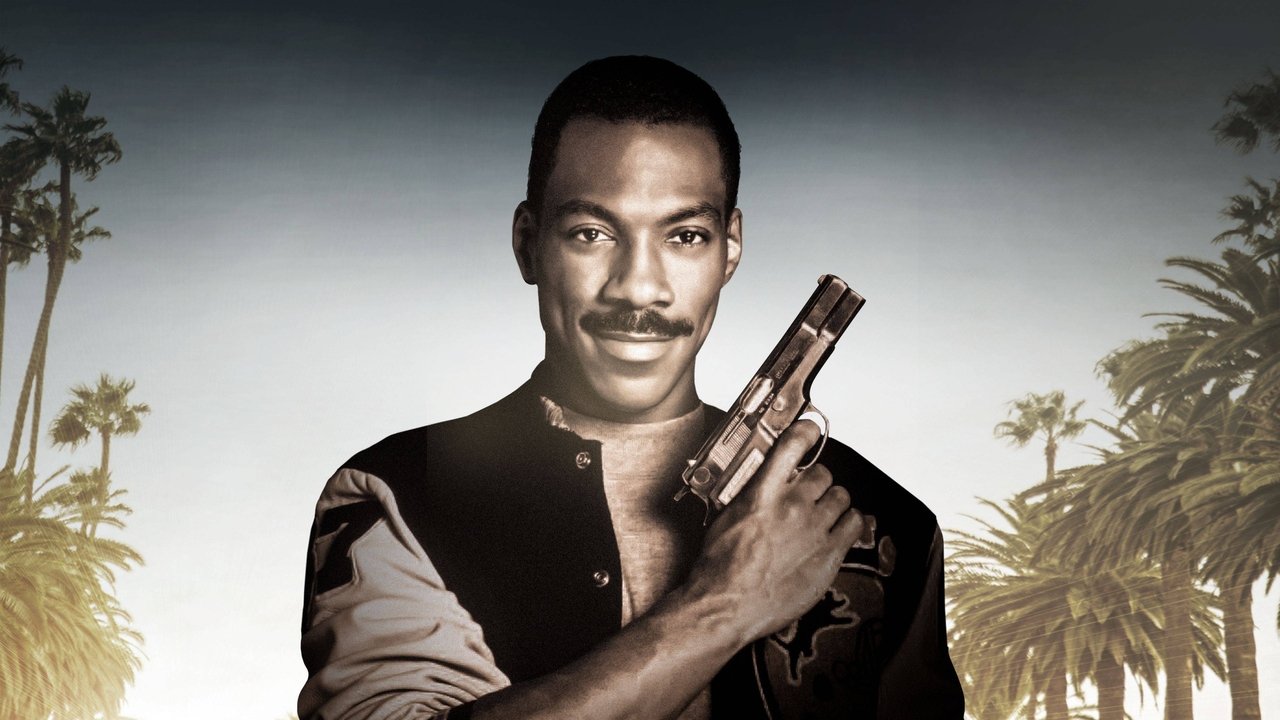
Rating: 5/10
The Verdict: This review supports the 5/10 rating because while it acknowledges the film's shortcomings – the awkward tone shift, weaker script compared to the originals, absence of key characters, and Murphy's seeming lack of enthusiasm – it also highlights the nostalgic value, the impressive practical stunt work within the theme park setting (a key focus for VHS Heaven), the fun cameos, and the sheer oddity that makes it memorable, albeit not for the right reasons. It's not a good sequel in the traditional sense, landing squarely in the middle as a fascinating, flawed artifact.
Final Thought: Beverly Hills Cop III might be the cinematic equivalent of a theme park ride that looks amazing on the poster but feels a bit rickety once you're strapped in – still a ride, just maybe not the E-ticket adventure you remembered. Worth a nostalgic spin, if only to marvel at how different Axel's world looked by 1994.