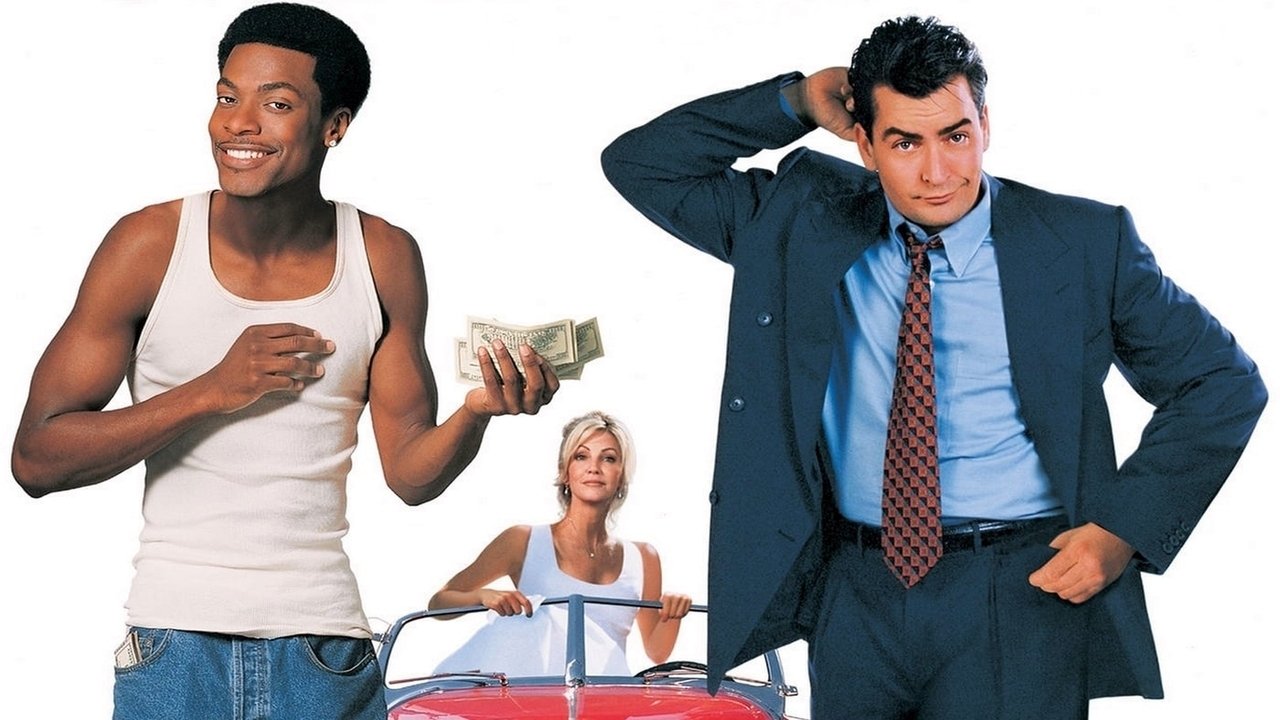
Alright, rewind your minds with me. Picture this: it's Friday night, you've just navigated the fluorescent maze of the local video store, maybe grabbed some questionable microwave popcorn, and you've landed on that cover. The one with Chris Tucker's manic grin practically vibrating off the cardboard sleeve, maybe next to a bewildered-looking Charlie Sheen. You pop Money Talks (1997) into the VCR, the tracking adjusts with a gentle whirr, and brace yourself. Because you’re not just watching a movie; you’re plugging into pure, unadulterated 90s kinetic energy.
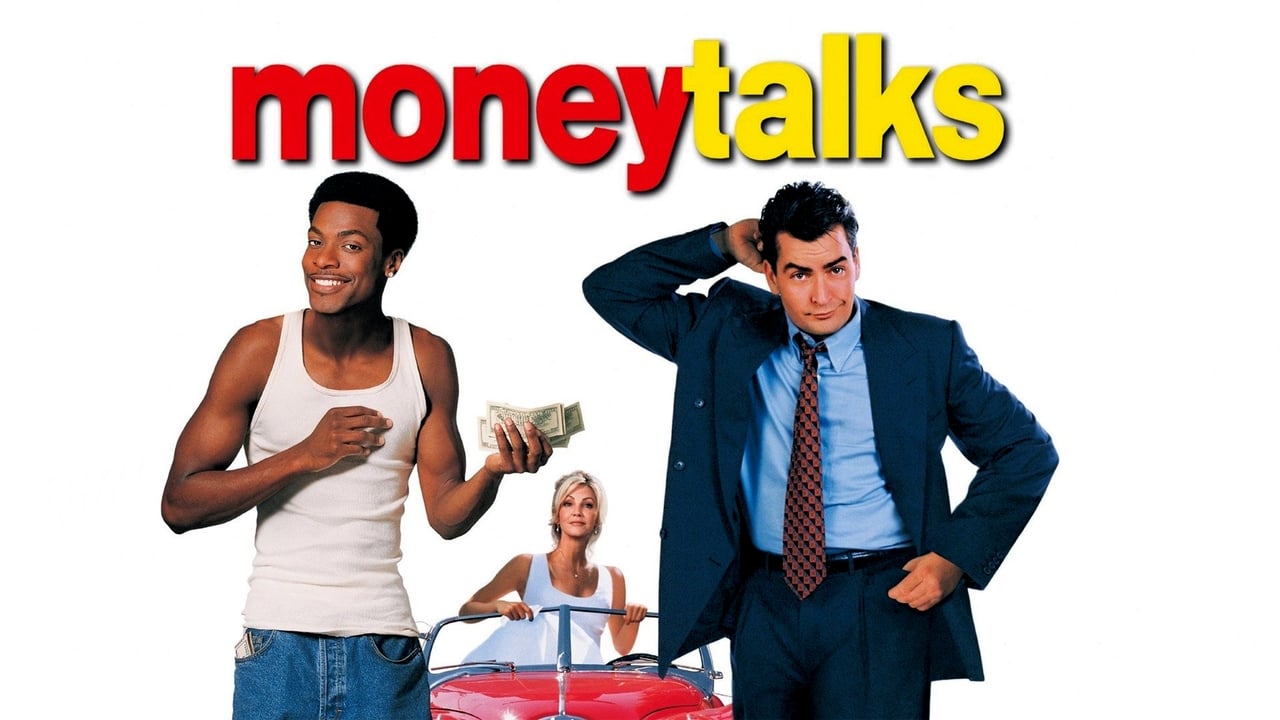
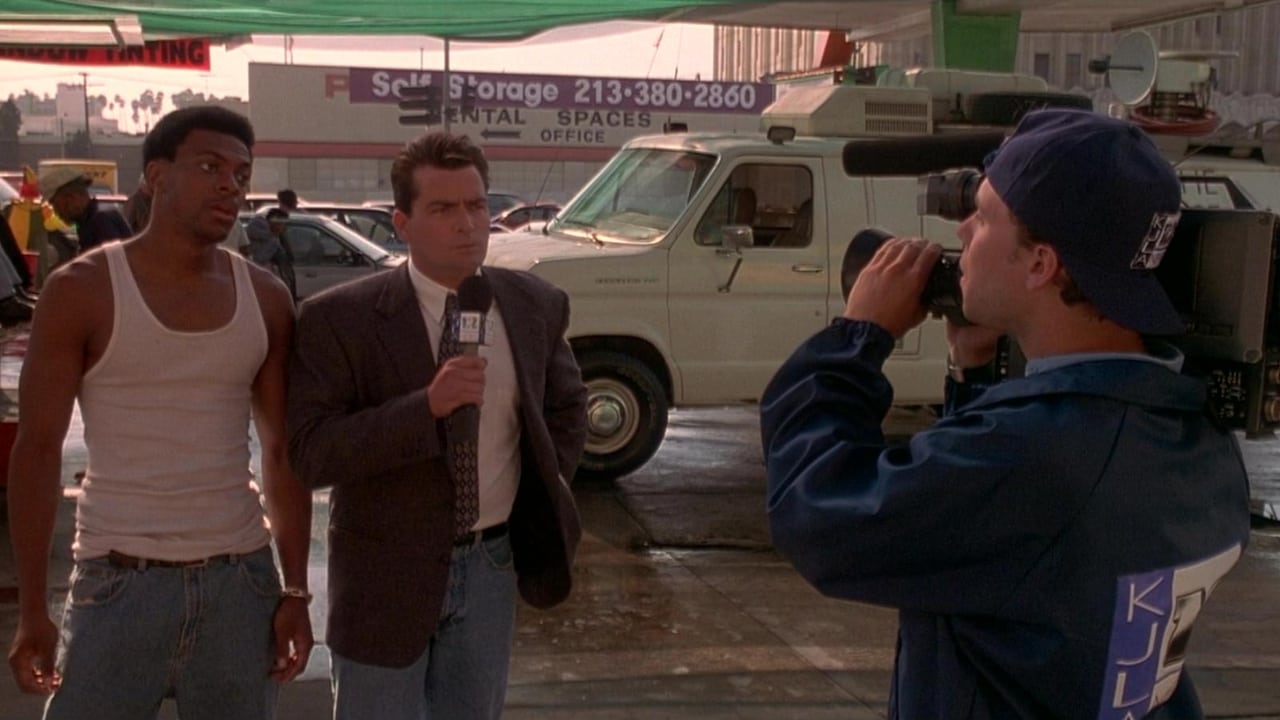
This flick arrived when Chris Tucker was less a global superstar and more like a comedic firecracker whose fuse had just been spectacularly lit by standout roles in Friday (1995) and The Fifth Element (1997). Money Talks was his first shot carrying a movie, and boy, does he run with it. He plays Franklin Hatchett, a fast-talking ticket scalper who lands in handcuffs next to an international diamond smuggler. Things go sideways (explosively, of course), Hatchett escapes, everyone thinks he's the cop killer, and the only person he can turn to is the ambitious TV news reporter, James Russell (Charlie Sheen), who interviewed him just before his arrest.
Unleashing the Tucker Factor
Let's be honest, the plot is pure 90s action-comedy formula: mistaken identity, mismatched partners forced together, escalating chaos. But the engine driving this whole chaotic machine is Chris Tucker. His Franklin Hatchett isn't just talking fast; he's operating on a completely different frequency. The dialogue feels like 50% script and 50% pure, unfiltered Tucker riffing at hyperspeed. Apparently, director Brett Ratner, making his feature film debut here, gave Tucker considerable leeway to improvise, and it shows. Every scene Tucker's in crackles with his unique, high-pitched energy. It’s the kind of performance that either completely wins you over or sends you diving for the volume remote, but for fans of his style, it’s pure gold. This film essentially served as his audition for the even bigger leagues he'd hit just a year later, re-teaming with Ratner for Rush Hour (1998).
Sheen Plays it Straight (Mostly)
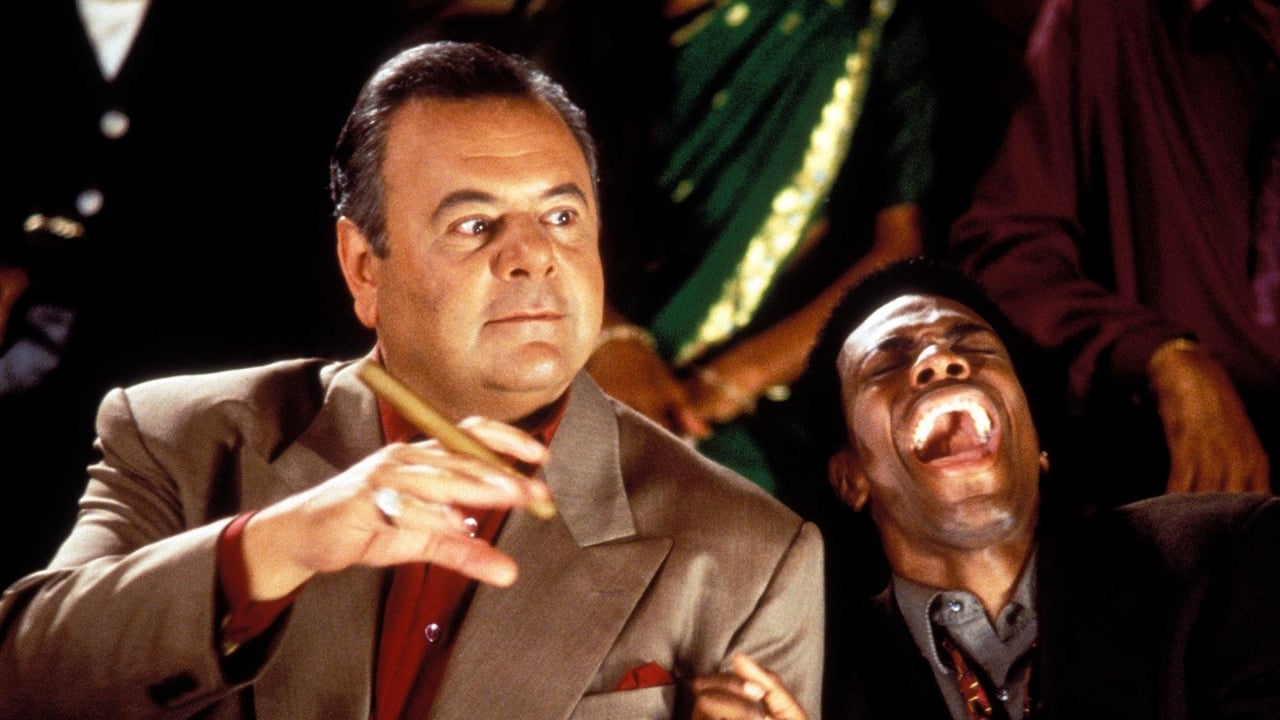
Paired against Tucker’s whirlwind is Charlie Sheen as James Russell. Coming off a patchier period in his career after his 80s highs in films like Platoon (1986) and Wall Street (1987), Sheen needed something solid, and here he plays the exasperated straight man effectively. He's the audience surrogate, constantly reacting to the absurdity Hatchett drags him into. Their chemistry isn't legendary buddy-cop stuff, perhaps, but the contrast works. Sheen grounds the film just enough to stop Tucker from achieving escape velocity. We also get Heather Locklear as Russell's fiancée, adding glamour and getting caught up in the mayhem, and the reliably intimidating Paul Sorvino chewing scenery as Russell's soon-to-be father-in-law (and boss).
Ratner's Slick Debut & 90s Action Beats
For a first-time feature director, Brett Ratner delivered a slick, competent package. You can see the beginnings of the style he’d refine in Rush Hour – glossy visuals, fast pacing, and a knack for staging action-comedy set pieces. While not as heavy on the truly gritty practical effects as some earlier 80s classics, the action here still feels refreshingly tangible compared to today's pixel-perfect sequences. Remember that chaotic escape from the prison bus early on? Real vehicles, real stakes (mostly). The finale, involving a helicopter chase and a showdown at the Los Angeles Memorial Coliseum and the Forum (standing in for a fictional arena, as the Staples Center wasn't yet built), has that classic 90s scale. A fun piece of trivia: the title itself was reportedly inspired by the Wu-Tang Clan track "C.R.E.A.M. (Cash Rules Everything Around Me)", reflecting Ratner's background directing music videos.
Adding a layer of unexpected class is the score by the legendary Lalo Schifrin. Yes, the man behind the iconic themes for Mission: Impossible (the TV series) and Dirty Harry (1971)! His energetic, jazzy score lends the film a surprising degree of polish and urgency, elevating the action sequences significantly. It’s a touch that screams "professional Hollywood filmmaking," even amidst the comedic absurdity.
Did It Talk Loud Enough?
Upon release, Money Talks wasn't exactly a critical darling; reviews were decidedly mixed, often pointing out the familiar plot beats. However, audiences responded more warmly, particularly to Tucker's breakout performance. Made for a reasonable $25 million, it pulled in around $48 million worldwide – a modest success that certainly didn't hurt anyone's career and crucially cemented Tucker's bankability as a leading man. It felt like exactly the kind of movie you'd happily grab off the "New Releases" shelf – familiar ingredients, but cooked with enough spice (mostly Tucker-spice) to make it a satisfying watch. I distinctly remember renting this one, the buzz around Tucker making it a must-see, and not being disappointed by the sheer velocity of it all.
VHS Heaven Rating: 7/10
Why 7? It's undeniably formulaic and very much a product of its time, but Money Talks succeeds primarily on the sheer force of Chris Tucker's personality in his first starring role. The action is competent, Charlie Sheen provides a decent anchor, and the Lalo Schifrin score adds unexpected flair. It's energetic, frequently funny (if you vibe with Tucker's comedy), and delivers exactly the kind of high-octane, low-stakes fun promised by its cover art. It might not be high art, but it’s a highly rewatchable slice of 90s action-comedy.
Final Thought: Money Talks is like finding a slightly worn but still functional Walkman playing your favorite loud, fast mixtape from '97 – the tech might be dated, but the energy is undeniable and guaranteed to put a nostalgic grin on your face. Definitely worth tracking down for a dose of pure Tucker-fueled mayhem.