Okay, settle back into that comfy armchair, maybe imagine the faint hum of a VCR powering up. Let's talk about a movie that tapped directly into a fantasy lodged deep in the heart of every kid who ever felt short on allowance money: 1994's Blank Check. Forget finding pirate treasure or discovering superpowers; this Disney offering presented a far more tantalizing, almost plausible dream – what if you could just... write yourself a million dollars?
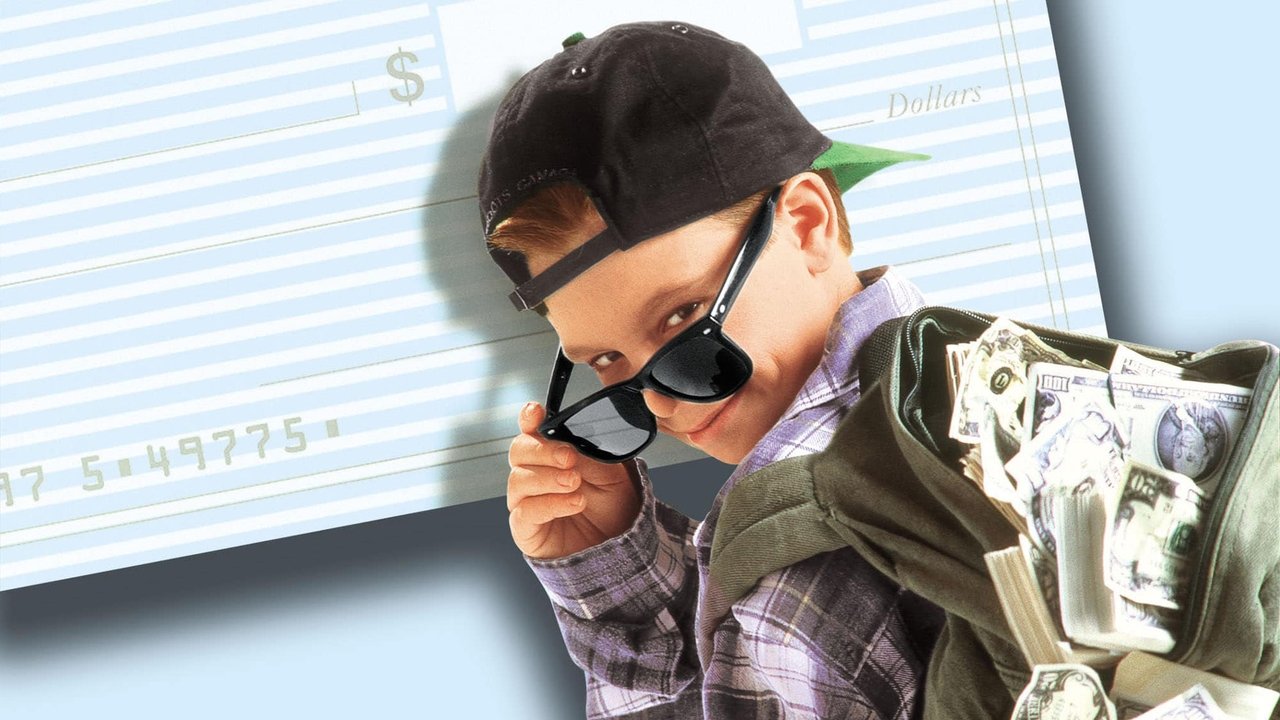
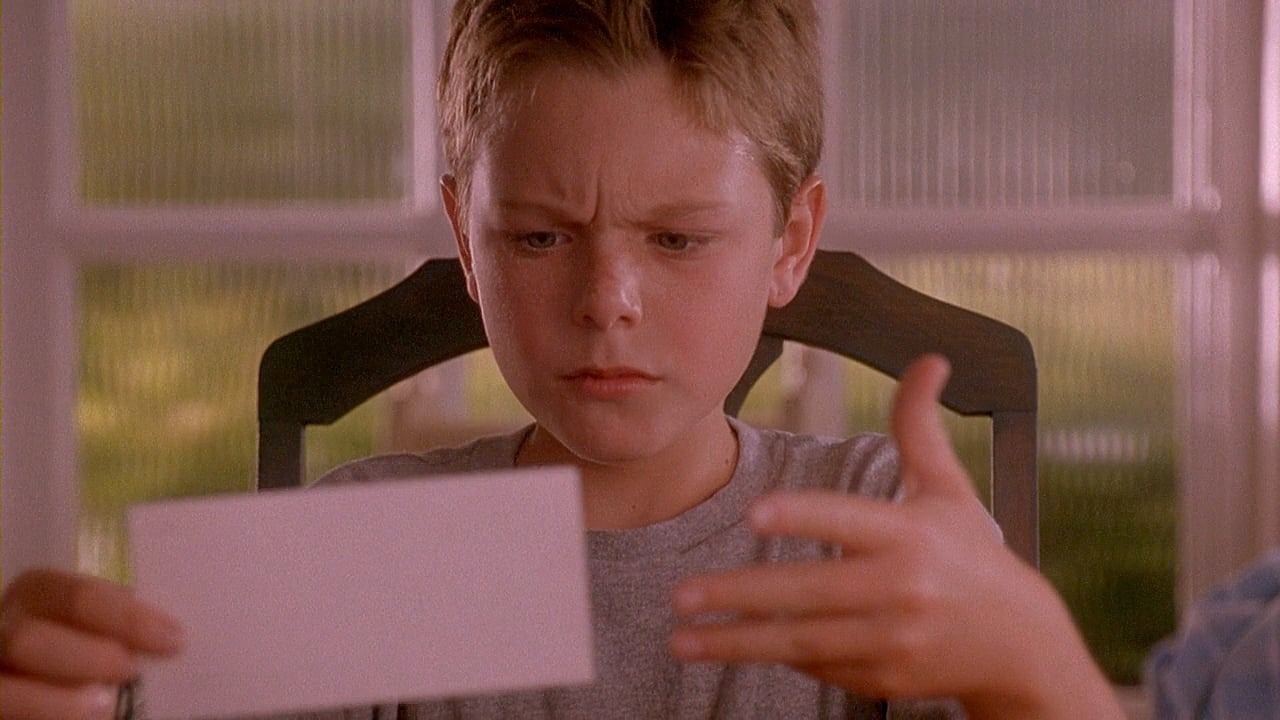
The premise itself is pure, unadulterated wish-fulfillment. Eleven-year-old Preston Waters, played with earnest charm by Brian Bonsall (familiar to many as Andy Keaton from Family Ties), is your average kid dealing with relatable woes: annoying older brothers, a thrifty dad, and the crushing inability to afford the cool stuff. His life takes a sharp left turn when a flustered criminal, fleeing the scene, runs over his bike. In a moment of chaotic haste, the crook hands Preston a signed, blank check. Cue the mischievous glint in young Preston's eye.
### The Million-Dollar Question
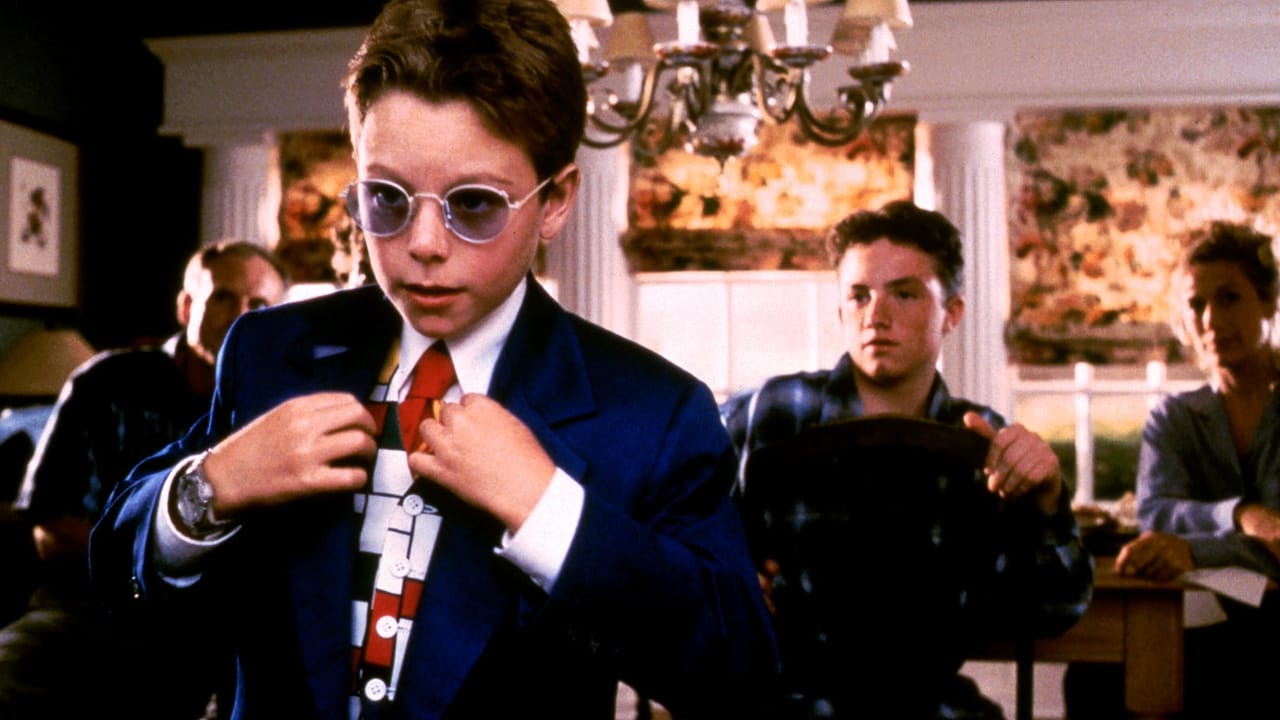
Now, this is where the magic, and perhaps the delightful absurdity, truly kicks in. Armed with his trusty Macintosh computer (a glorious piece of mid-90s tech!), Preston decides that "a million dollars" sounds about right. He fills in the check, marches into a bank, and… somehow walks out a millionaire. It’s the kind of plot point that makes your adult brain go, "Wait, what?", but your inner eleven-year-old just high-fives the screen. The ease with which he establishes his secret identity, "Mr. Macintosh," complete with a hired chauffeur/frontman (played hilariously by Rick Ducommun) and a voice modulator, is part of the film's breezy, slightly logic-bending charm.
Director Rupert Wainwright, who would later give us the very different atmospheric chills of Stigmata (1999), keeps the tone light and aspirational here. The film doesn't get bogged down in realism; it’s all about the thrill of the spending spree. And what a spree it is! A massive house (the very real and rather impressive Bettes Mansion in Austin, Texas, served as the filming location for "Macintosh Manor"), a personal waterslide, go-karts, endless toys, a limo on call – it’s every materialistic desire a pre-teen could conjure, splashed vividly across the screen. I distinctly remember watching this and mentally drafting my own shopping list, should a similar check-related mishap ever befall me.
### Fun Money, Serious Trouble
Of course, no fantasy is complete without a few complications. The check originally belonged to escaped convict Carl Quigley, brought to life with suitable menace by the late, great Miguel Ferrer. Ferrer, always brilliant at playing characters simmering with barely contained frustration (think RoboCop or Twin Peaks), is perfectly cast. He and his goons want their money back, adding a genuine sense of peril that elevates the film beyond simple kid-friendly fluff. His pursuit of "Mr. Macintosh" creates some genuinely funny and tense moments, contrasting sharply with Preston's extravagant lifestyle.

Adding another layer is Shay Stanley, played by MTV VJ-turned-actress Karen Duffy (credited often as just "Duff"). Posing as a bank teller but secretly an FBI agent tracking Quigley's dirty money, Shay finds herself charmed by the mysterious Mr. Macintosh, leading to some awkward and amusing romantic-ish entanglements for our young protagonist. Duffy brings a cool, confident 90s energy to the role that fits the film's vibe perfectly.
### Behind the Bucks
While Blank Check wasn't exactly a critical darling upon release (it currently sits at a chilly 9% on Rotten Tomatoes, though audiences often remember it more fondly, reflected in slightly better IMDb scores), it found its audience, particularly on home video. Made on a modest budget of around $13 million, it pulled in just over $30 million at the box office – a respectable return for a straightforward family comedy. Its real success might lie in its premise, cooked up by writers Blake Snyder and Colby Carr. Interestingly, Snyder would later become hugely influential in Hollywood not for another screenplay, but for his screenwriting guide Save the Cat!, a book that laid out formulas and structures still debated and used today. It’s fascinating to think that the mind behind this simple kids' fantasy also crafted one of the most talked-about screenwriting manuals. The film's tagline, "Being a kid just got a whole lot richer," perfectly captured its simple, effective hook.
Was it high art? Absolutely not. Does the plot require a hefty suspension of disbelief? You betcha. But Blank Check wasn't aiming for cinematic realism. It aimed squarely at the heart of childhood fantasy, delivering a giddy sugar rush of temporary omnipotence fueled by cash. The joy wasn't just having the money, but the independence it represented – calling the shots, buying what you want, living in a house with a waterslide! It’s a fantasy that resonates, even if the execution is pure 90s cheese.
Rating: 6/10
This score reflects the undeniable nostalgic fun factor and the sheer joy of its core wish-fulfillment premise, especially for those who saw it at the right age. It’s hampered by a simplistic plot, some questionable logic, and it certainly won't win awards for filmmaking finesse. However, Brian Bonsall is engaging, Miguel Ferrer is a great foil, and the fantasy elements are undeniably entertaining in a lighthearted way. It delivers exactly what it promises: a fun, silly ride powered by a kid's wildest dream.
Blank Check remains a cherished memory for many who grew up in the VHS era – a reminder of a time when a million dollars seemed like infinite power, and the biggest problem was figuring out which ridiculously cool toy to buy next. It might be simple, but sometimes, that's exactly what makes a trip back to VHS Heaven so satisfying.