Okay, fellow tape-heads, let's rewind to 1993. The cinematic landscape was shifting, grunge was loud on the radio, and Patrick Swayze was still riding high on a wave of charisma generated by blockbusters like Ghost (1990) and Point Break (1991). It felt like he could do anything. So, when Father Hood popped up on the new release shelf at the video store, sporting Swayze on the cover looking ruggedly paternal, many of us probably thought, "Alright, another winner!" What we got instead was... well, something a bit more complicated, a curious concoction that feels quintessentially like a studio trying to figure out the formula in the early 90s.
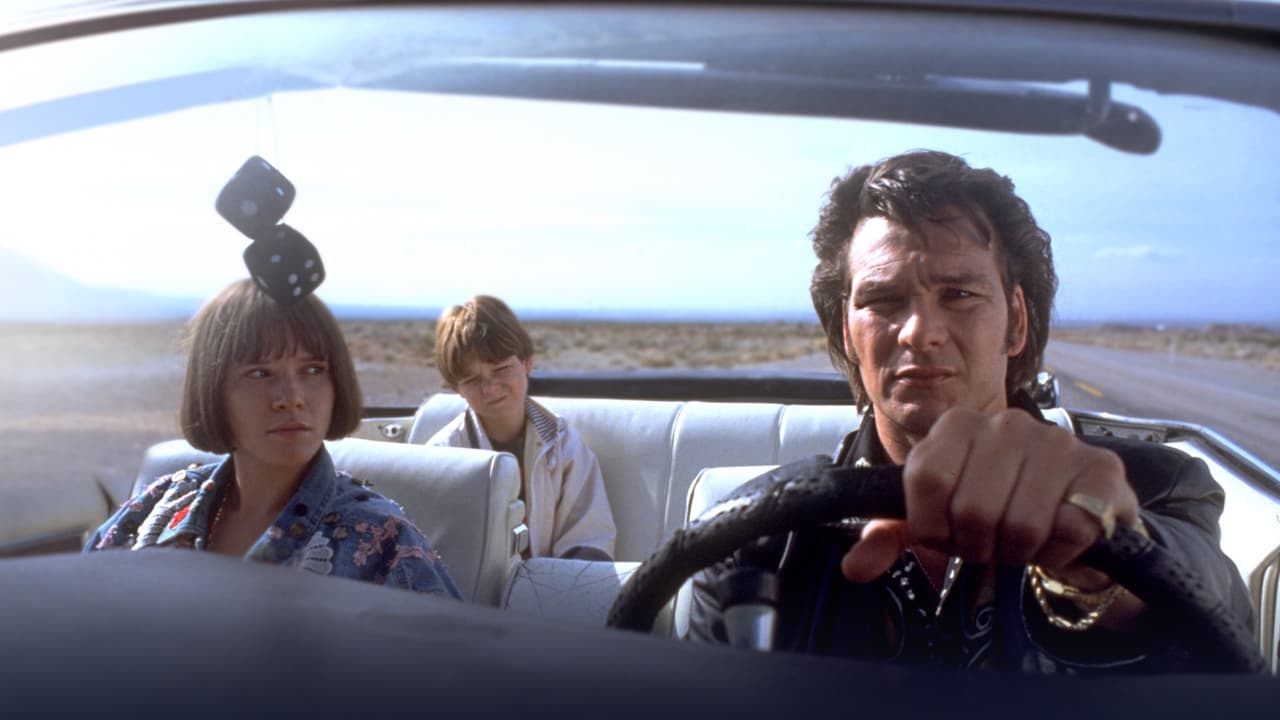
Directed by South African filmmaker Darrell Roodt (who had previously helmed the impactful musical drama Sarafina! in 1992), Father Hood immediately throws you a curveball. It wants to be a heartwarming family road trip movie and a gritty crime flick, often in the very same scene. It’s a tonal tightrope walk that, frankly, wobbles quite a bit, but there’s an undeniable, slightly ramshackle charm to its ambition.
### Accidental Dad, Intentional Trouble
We meet Jack Charles (Patrick Swayze), a small-time crook drifting through life with low-stakes scams and a general aversion to responsibility. He’s not a bad guy, exactly, just... aimless. His world gets thoroughly rocked when his estranged daughter, Kelly (Sabrina Lloyd), breaks out of a grim state-run children's home ("Bigelow Hall," which sounds suitably Dickensian) and tracks him down, begging him to rescue her younger brother, Eddie (Brian Bonsall, familiar to many from Family Ties). Jack, initially reluctant, finds himself "liberating" Eddie too, and suddenly this lifelong loner is on the run with two kids he barely knows, pursued by the authorities and navigating the profoundly awkward terrain of sudden parenthood.
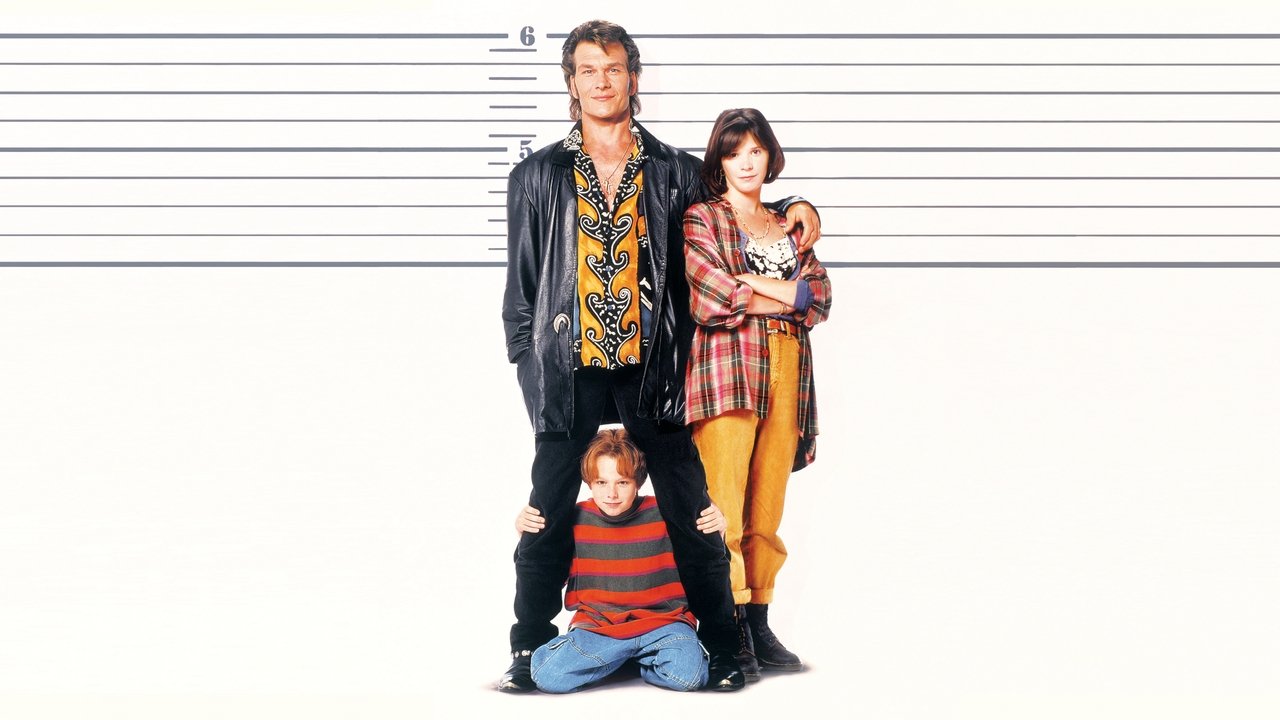
What follows is a cross-country caper, taking us from the hazy streets of Los Angeles through the neon glow of Las Vegas (including a stop at the Hoover Dam, a classic road trip movie landmark) and eventually down to the vibrant energy of New Orleans. Along the way, investigative journalist Kathleen Mercer (Halle Berry, rapidly ascending after Boomerang the previous year) gets wind of their story, adding another layer of pursuit to their chaotic journey. The premise, penned by Scott Spencer (whose novel Endless Love spawned two film adaptations), has the bones of something potentially great – a redemption arc wrapped in an adventure.
### When Genres Collide
Here’s the thing about Father Hood: it often feels like two different movies wrestling for control of the VCR. One moment, you have genuinely touching scenes where Jack awkwardly tries to connect with his cynical, street-smart daughter (played with impressive nuance by a young Sabrina Lloyd, who really is the film’s standout performer). You see glimpses of the father he could be, the protector awakening within the petty criminal. These moments resonate, thanks largely to Swayze's inherent warmth and Lloyd's grounded portrayal of adolescent pain and resilience.
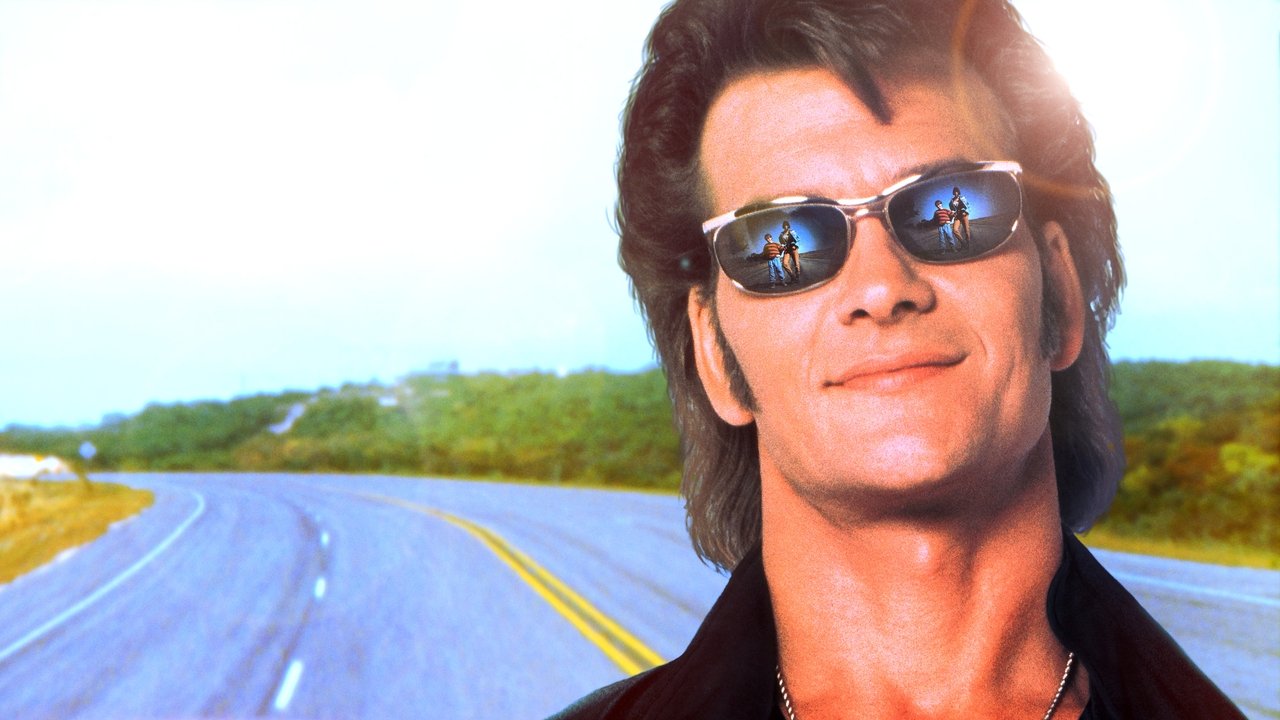
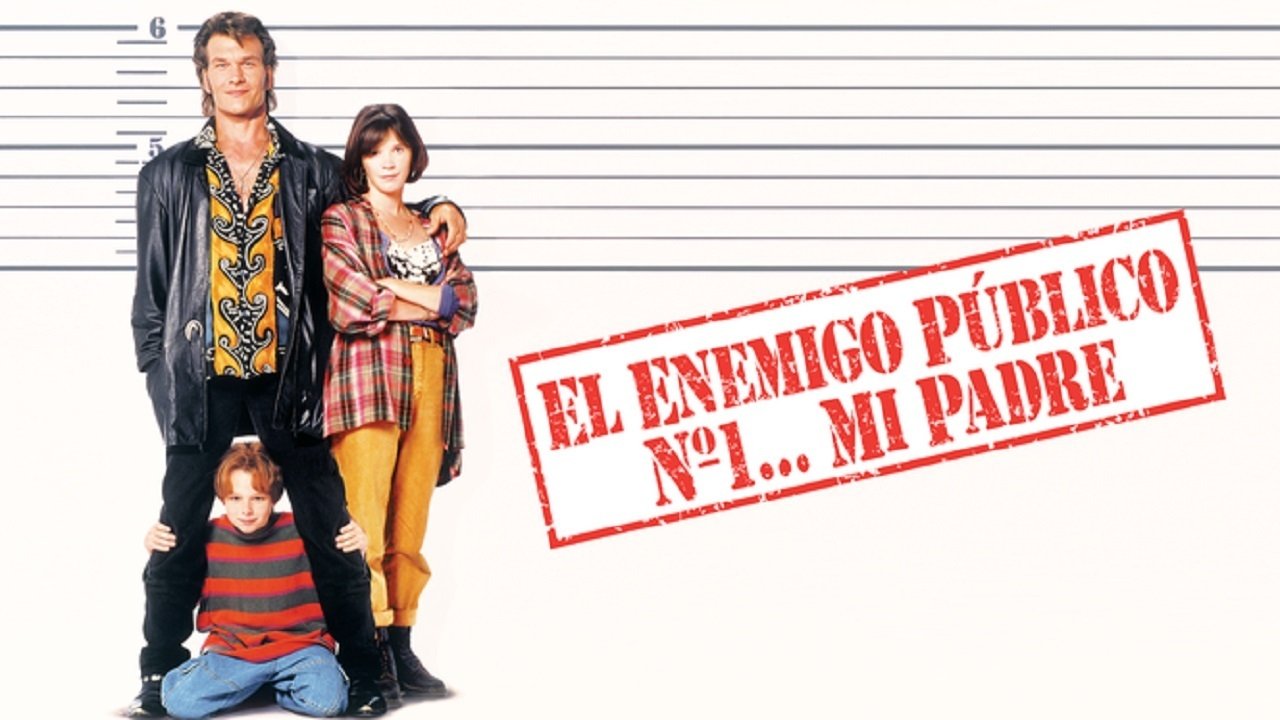
Then, suddenly, the film will swerve into surprisingly dark territory or attempt a burst of crime-thriller energy. There are threats, chases, and Jack reverting to his hustler ways, which sits uneasily alongside the burgeoning family dynamic. It’s this tonal inconsistency that likely contributed to the film's R rating – a surprising classification for what often feels like it wants to be a PG-13 family adventure. You can almost picture studio executives scratching their heads, wondering how to market this odd blend.
### Retro Fun Facts & Why It Vanished
Speaking of marketing, Father Hood (originally titled the more generic "Desperado") didn't exactly set the box office alight. Produced on a decent budget for the time (reportedly around $20 million), it unfortunately only scraped together about $3.4 million domestically. Ouch. It quickly faded from cinemas and became one of those titles you'd find lingering on the rental shelves, perhaps picked up purely on the strength of Swayze's name.
Why the disconnect? Beyond the tonal jumble, the script sometimes feels undercooked, relying heavily on Swayze's star power to carry scenes that needed a bit more narrative glue. While Halle Berry brings her usual screen presence, her character feels somewhat peripheral, mainly serving to advance the plot from the outside. The soundtrack, featuring tracks from Tears for Fears and the Spin Doctors, definitely roots it firmly in the early 90s, which adds to the nostalgic charm now but might not have helped it stand out then. It's a film caught between audiences – maybe too edgy for families, too soft for action fans.
### Still Worth a Rewind?
Despite its flaws, there's an earnestness to Father Hood that keeps it from being entirely forgettable. Patrick Swayze, even when navigating uneven material, is magnetic. He commits fully to Jack's journey, making his gradual transformation believable, even when the plot mechanics strain credulity. And Sabrina Lloyd truly delivers a performance wise beyond her years, creating a character you genuinely root for. The road trip itself offers some pleasing visuals of the American landscape, captured before the digital age smoothed everything over.
It's not a hidden masterpiece, let's be clear. It’s a bit messy, a bit confused, but it has heart. Watching it today feels like uncovering a time capsule – a snapshot of a major star trying something different, of a studio system grappling with genre blends, and of that specific early 90s aesthetic. It perfectly embodies that feeling of renting a tape based on the cover and the star, unsure of what you'd get but hoping for an adventure.
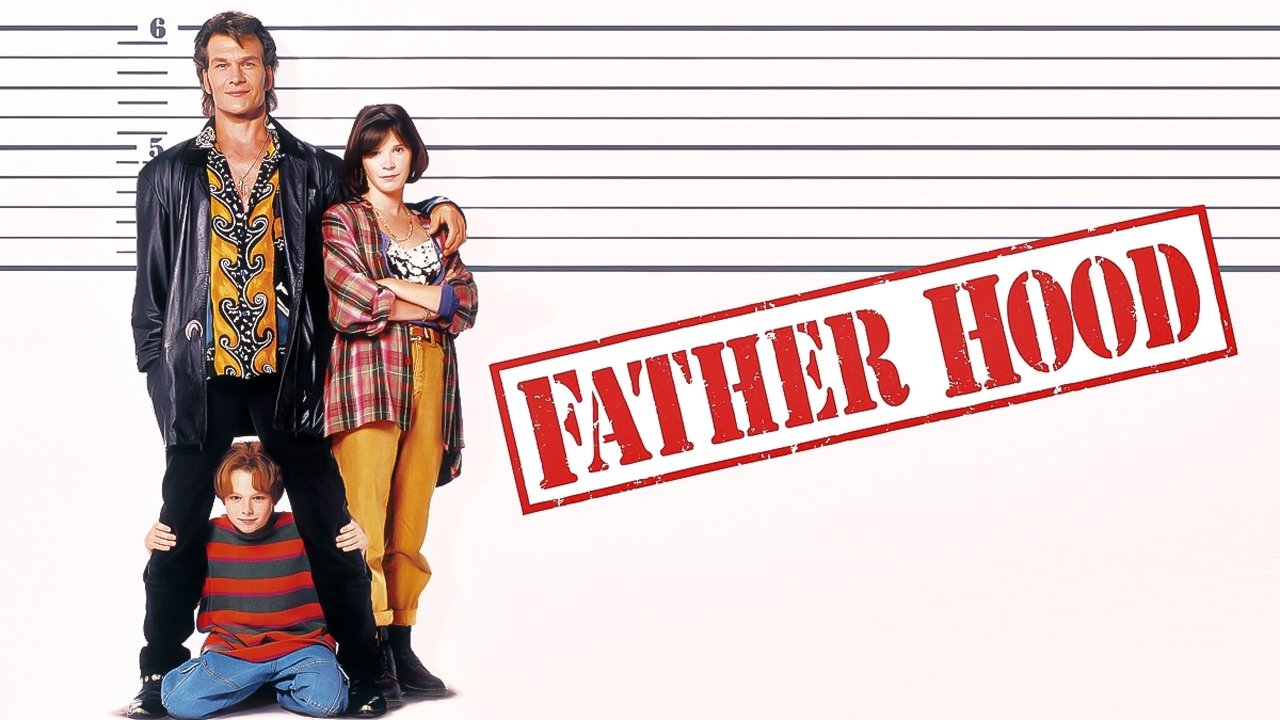
VHS Heaven Rating: 5/10
The Score Explained: Father Hood gets points for Patrick Swayze's committed performance, Sabrina Lloyd's excellent work, and its earnest attempt at blending crime and family drama. However, it loses significant points for its jarring tonal shifts, uneven script, and underdeveloped supporting characters, ultimately making it a film that doesn't quite know what it wants to be. It's a fascinating curio, but not a smooth ride.
So, should you track down this half-forgotten tape? If you're a die-hard Swayze fan or have a soft spot for flawed-but-interesting 90s road movies, absolutely. It’s the kind of movie that makes you appreciate the weirder corners of the VHS era – imperfect, maybe, but certainly never boring.