There's a certain kind of film that lodges itself in your mind not just for its story, but for the sheer audacity of its vision, the unshakeable feeling that you've witnessed something truly… different. Ken Russell's Altered States (1980) is precisely that kind of film. Watching it again after all these years, it doesn’t feel like revisiting a movie so much as re-entering a fever dream – one sparked by intellectual curiosity and fueled by primal terror. It asks a question that burrows deep: just how far can the human mind be pushed before reality itself begins to fray?
Into the Tank
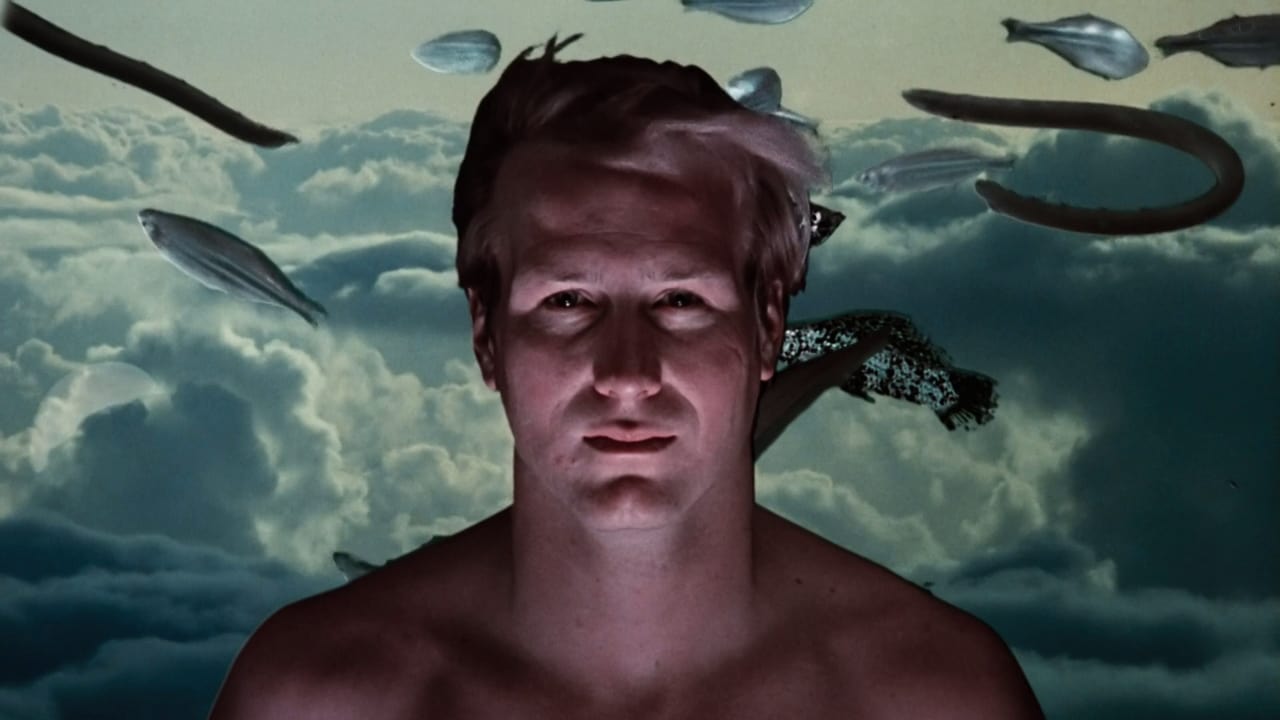
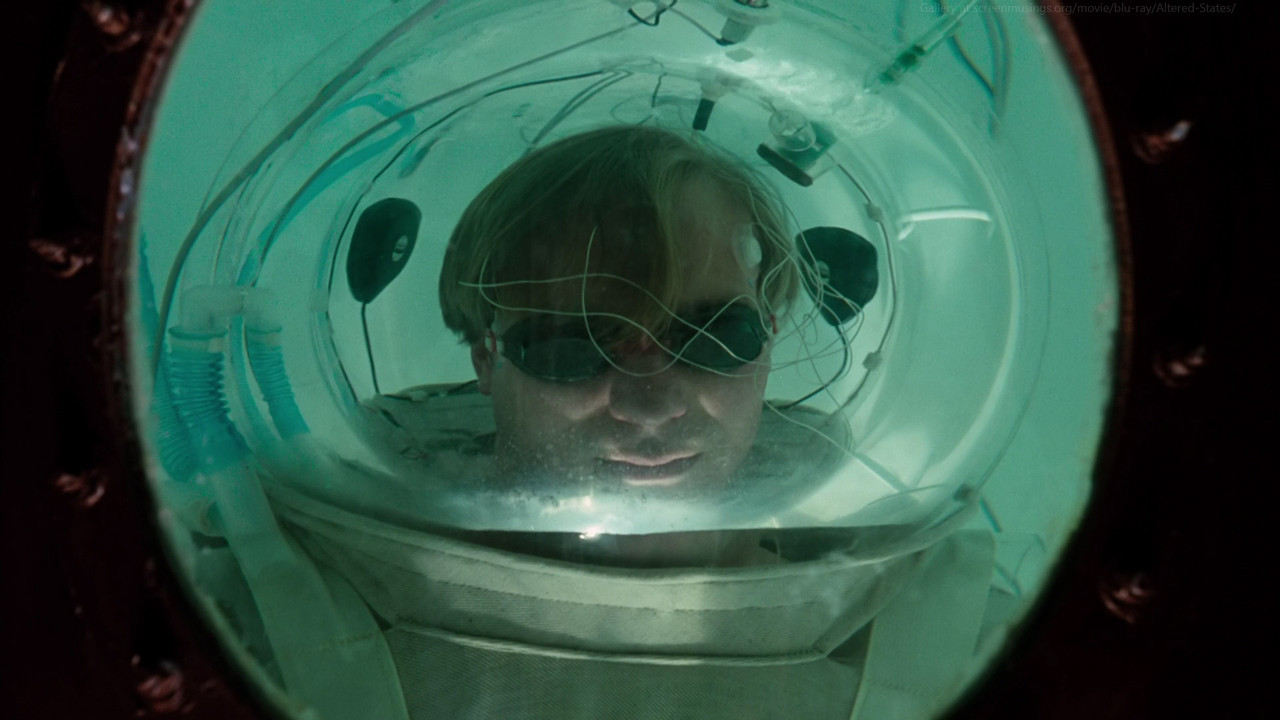
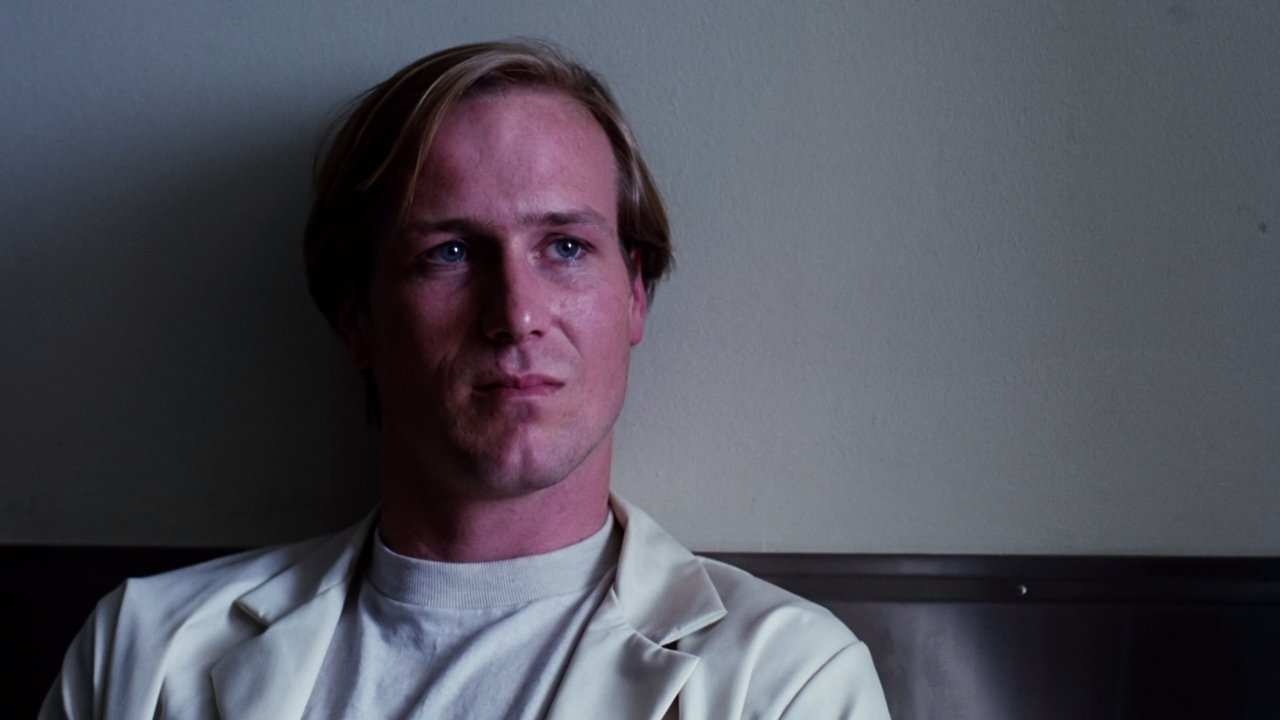
At its heart, Altered States is the story of Dr. Eddie Jessup, a brilliant but dangerously obsessive psychophysiologist played with unnerving intensity by a young William Hurt in his feature film debut. Convinced that other states of consciousness are as real as our waking one, Jessup begins experimenting with sensory deprivation tanks. Finding the results profound but insufficient, he travels to Mexico to participate in a tribal ceremony involving hallucinogenic mushrooms, bringing samples back to combine with his isolation experiments. What follows is a descent into the very bedrock of existence, a journey that begins psychologically but becomes terrifyingly physical. This wasn't your standard early 80s sci-fi fare; it aimed for something far stranger, more philosophical, and frankly, more disturbing.
A Performance Born of Intensity
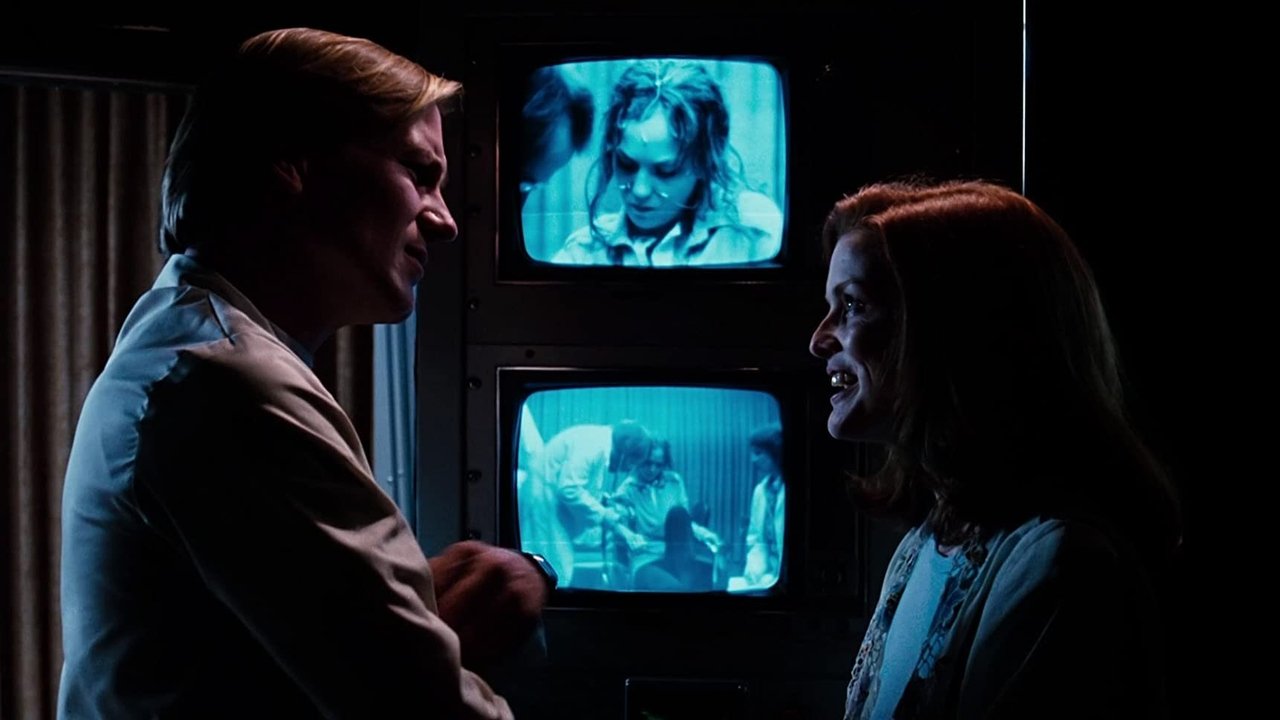
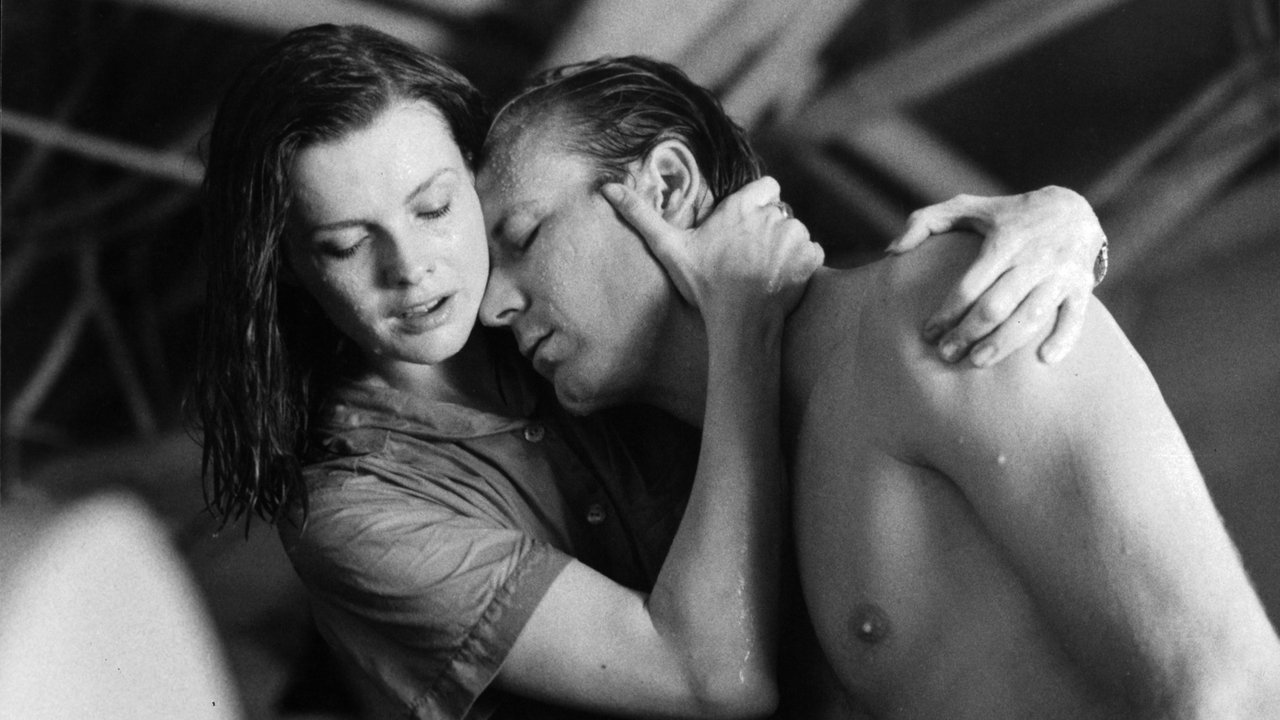
William Hurt’s portrayal of Jessup is nothing short of electrifying. He embodies the character's fierce intelligence and his reckless disregard for personal safety with a conviction that anchors the film's wilder flights of fancy. You see the hunger in his eyes, the genuine belief that unlocking the secrets of the primal self is worth any cost. It's a demanding role, requiring both intellectual heft and raw physicality, and Hurt delivers completely. Equally vital is Blair Brown as Emily, Jessup's anthropologist wife. She's the film's emotional core, the tether to recognisable human feeling amidst Jessup's increasingly alienating quest. Her struggle to reconcile her love for Eddie with the monstrous path he treads provides the essential grounding the narrative desperately needs. Their relationship feels complex and real, a painful counterpoint to the cosmic horror unfolding. And we can't forget Bob Balaban and Charles Haid as Jessup's concerned colleagues, effectively portraying the scientific community's blend of fascination and alarm.
The Russell Touch Meets Chayefsky's Fury
The film's production history is almost as fascinating as its plot. It was penned by the legendary Paddy Chayefsky, celebrated writer of incisive dramas like Network (1976) and Marty (1955), based on his own novel. Chayefsky was famously protective of his dialogue, demanding absolute fidelity from actors and directors. Enter Ken Russell, a director known for his flamboyant, operatic, and often controversial style (Tommy (1975), The Devils (1971)). The clash was perhaps inevitable. Russell, embracing the script's hallucinatory potential, reportedly encouraged improvisation and focused on visceral impact over precise line readings. The result? Chayefsky took his name off the final film, credited under the pseudonym "Sidney Aaron." This behind-the-scenes tension arguably manifests on screen: a film wrestling between Chayefsky's dense, intelligent exploration of consciousness and Russell's baroque, sometimes overwhelming, visual interpretation. It’s a fascinating tug-of-war.
Digging into the making of this film reveals some gems for us retro fans. Special makeup effects wizard Dick Smith (The Exorcist) was initially involved but left, with others like Craig Reardon stepping in to realise the increasingly bizarre physical transformations. The budget, around $15 million, wasn't insignificant for the time, but the film's challenging nature meant it wasn't a runaway hit, grossing roughly $19.9 million domestically. Its status as a cult classic grew steadily, particularly during the golden age of VHS rentals where its sheer weirdness found an appreciative audience seeking something beyond the mainstream. I distinctly remember the tape's cover art hinting at the strangeness within, a promise the film absolutely delivered on.
Primal Screams and Psychedelic Visions
And deliver it does, particularly in its visual sequences. Russell throws everything at the screen: pulsating mandalas, nightmarish proto-humanoid forms, startling physical regressions, and imagery evoking both birth and decay. The depiction of Jessup's "trips" remains potent, a blend of state-of-the-art (for 1980) optical effects, practical creature work, and sheer directorial bravado. Seen today, some effects inevitably show their age, yet their tangible, often grotesque quality possesses a power that slicker, modern CGI sometimes lacks. They feel disturbingly physical, perfectly mirroring Jessup’s own unwanted physical transformations. These sequences, experienced on a flickering CRT back in the day, felt genuinely boundary-pushing, tapping into anxieties about identity and the unknown lurking within our own DNA.
What Lingers?
Altered States isn't a comfortable watch. It’s intellectually stimulating but also deeply unsettling. It grapples with profound ideas about the nature of reality, the definition of self, the potential dangers of scientific hubris, and the enduring power of love as perhaps the only anchor in a chaotic universe. Does Jessup find ultimate truth or merely unleash uncontrollable chaos? The film leaves you pondering that long after the credits roll. It’s a messy, ambitious, sometimes excessive film, but its raw power and unforgettable imagery are undeniable.
Rating: 8/10
This score reflects the film's sheer audacity, Hurt's phenomenal debut, the compelling central relationship, and the unforgettable, often terrifying, visual sequences. While Russell's bombast occasionally threatens to overwhelm Chayefsky's intricate ideas, and the ending feels perhaps a touch abrupt after the preceding intensity, Altered States remains a unique and powerful piece of philosophical sci-fi horror. It’s a challenging, sometimes baffling, but ultimately rewarding trip – a true standout from the era, guaranteed to spark conversation, and maybe even a shiver running down your spine as you contemplate the thin veil between consciousness and chaos.