The grinding shriek of metal on metal. The claustrophobic monochrome world pulsing with barely contained aggression. Some films seep under your skin; Tetsuo: The Iron Man (1989) drills straight through it, leaving jagged edges and a resonance that vibrates long after the tape clicks off. Forget gentle introductions; this is cinematic shock therapy, a blast furnace of experimental energy forged in the heart of late-80s Japan. This isn't just a movie; it's an experience, a raw nerve exposed and scraped against rusted steel.

A Symphony of Scrap Metal
From the opening frames, director Shinya Tsukamoto assaults the senses. Shot on grainy 16mm black and white, Tetsuo feels less filmed and more excavated from some decaying industrial nightmare. The editing is lightning-fast, often bordering on subliminal, mirroring the protagonist's fractured psyche and accelerating transformation. Paired with Chu Ishikawa's relentless industrial score – a percussive onslaught of clanging metal, distorted drills, and guttural rhythms – the effect is overwhelming. It’s a film you feel in your bones, the oppressive atmosphere pressing in, leaving little room to breathe. Remember watching this for the first time, maybe on a flickering CRT late at night, the sheer alien energy of it feeling beamed in from another dimension?
The Body as Battleground
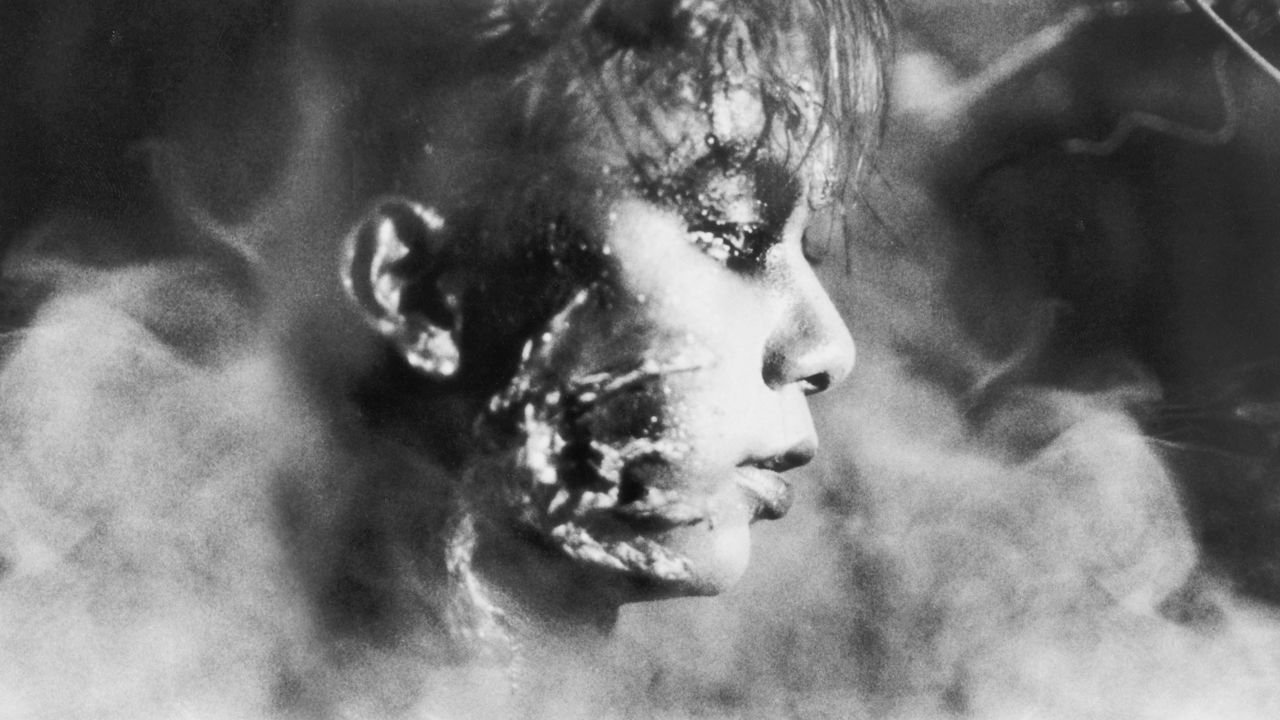
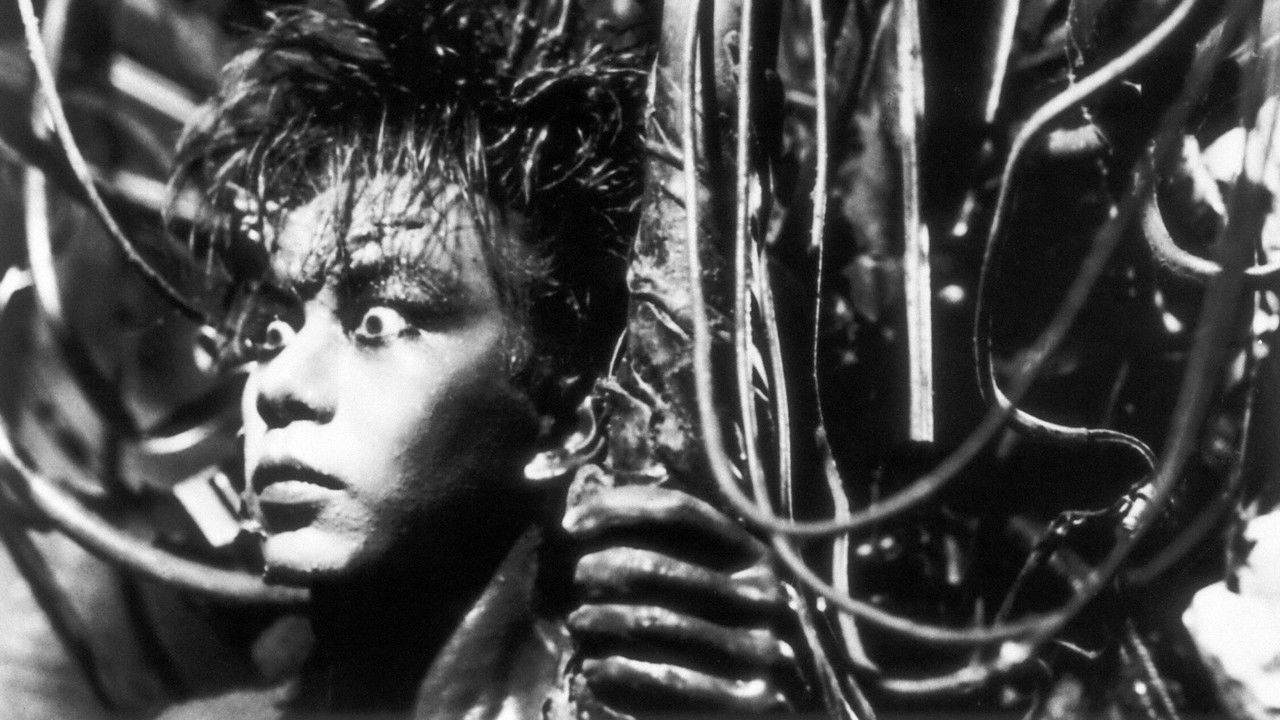
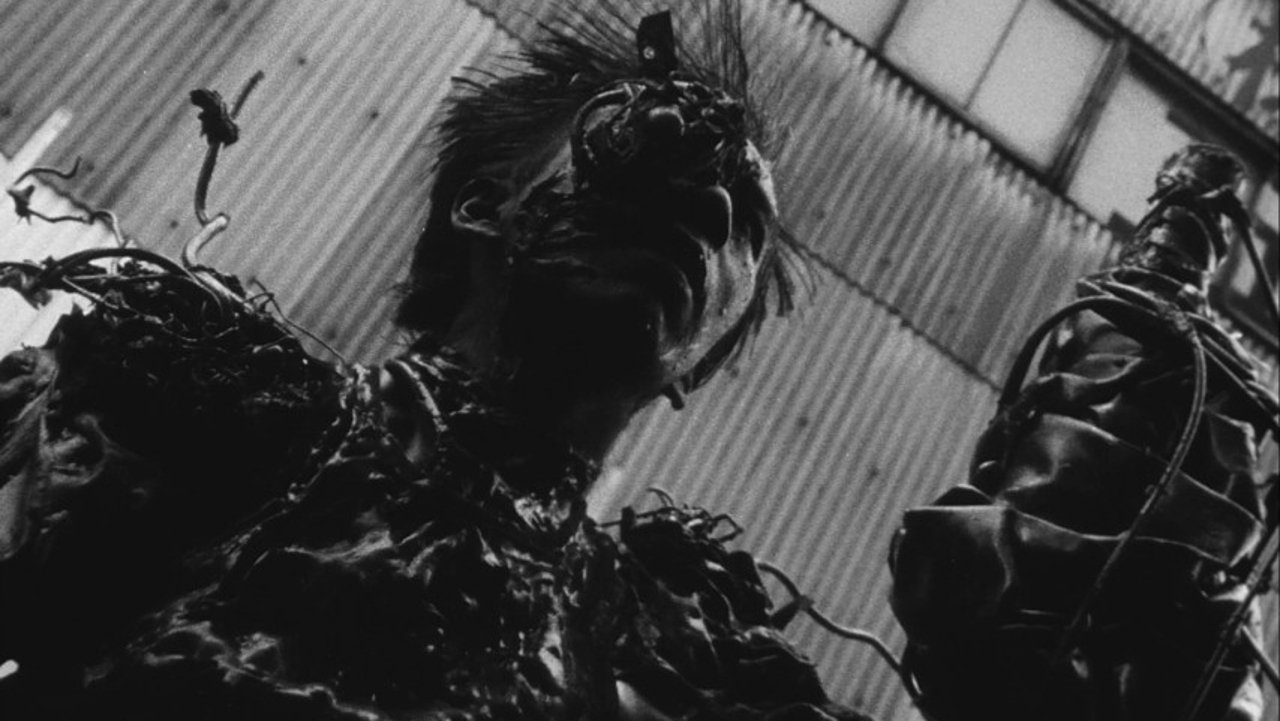
At its core, Tetsuo follows an ordinary salaryman (a brilliantly tormented Tomorowo Taguchi) whose life unravels after a bizarre encounter with a "metal fetishist" (played with manic intensity by Tsukamoto himself). A small metal shard appears on his cheek, the first sign of a horrifying metamorphosis. Soon, his flesh erupts with wires, pipes, and scrap, his humanity consumed by a biomechanical plague. The practical effects, born from necessity on a shoestring budget, remain disturbingly effective. There’s a tactile grittiness to the transformations – the squirming cables, the infamous drill-bit appendage – that CGI often lacks. It taps into a primal fear of the body betraying itself, twisting familiar forms into Cronenbergian horrors fueled by pure punk rock energy. Does any other film capture that specific fusion of technological dread and body horror quite like this?
Forged in Fire (and a Tiny Apartment)
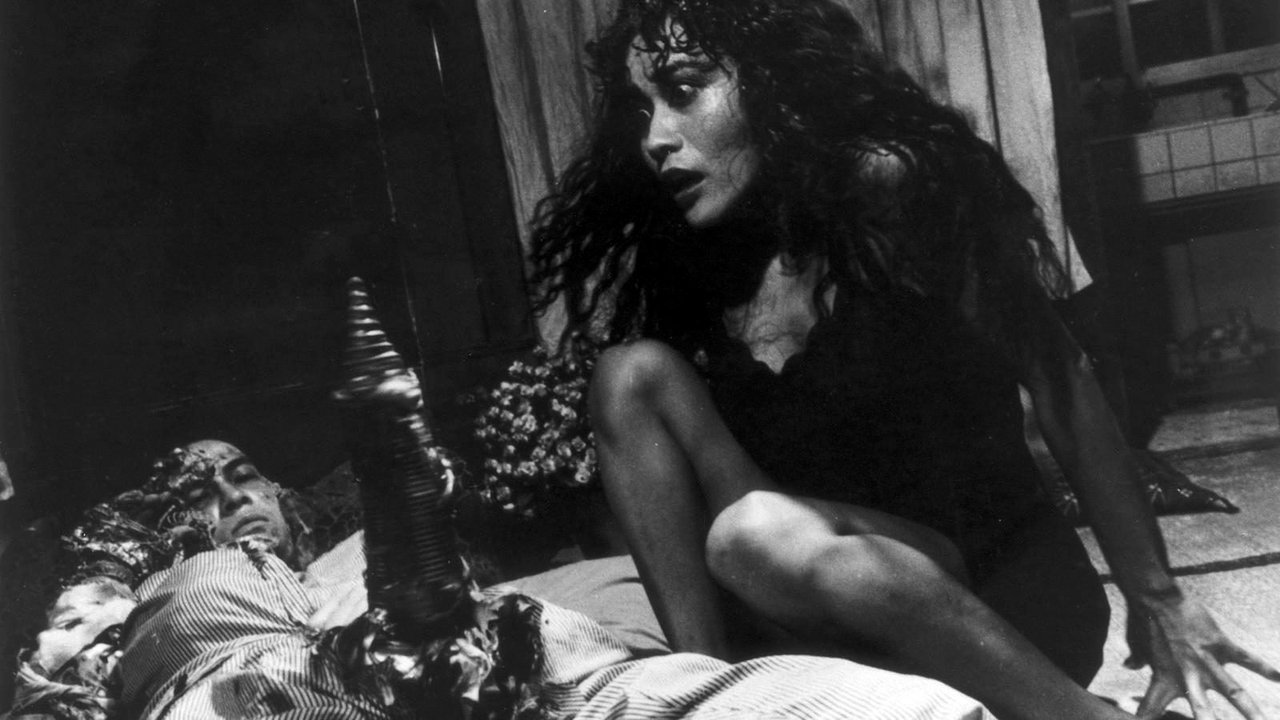
The story behind Tetsuo's creation is almost as intense as the film itself. This legendary piece of 80s Japanese cyberpunk wasn't born in a studio but largely within the confines of Tsukamoto's own cramped apartment over a grueling 18-month period. Reports suggest the cast and crew, including co-star Kei Fujiwara (who plays the increasingly terrified girlfriend), essentially lived on set, pouring their sweat and likely some tears into this passion project. Tsukamoto, who wrote, directed, edited, starred, and handled cinematography and effects, famously damaged his own living space bringing his vision to life. This intense, almost guerilla-style filmmaking bleeds onto the screen; the low budget (rumored around ¥10 million, perhaps $100,000 USD back then) isn't a limitation but a defining characteristic, forcing a raw, inventive aesthetic that feels utterly unique. It’s a testament to what sheer willpower and a singular vision can achieve, a true cult classic forged in creative fire.
Beyond Cyberpunk: A Primal Scream
While often categorized as cyberpunk, Tetsuo pushes beyond the neon cityscapes and philosophical musings common to the genre. It shares DNA with Lynch's Eraserhead (1977) in its nightmarish industrial landscapes and Cronenberg’s body horror explorations (Videodrome (1983) comes to mind), but its frantic energy and focus on raw, almost sexualized aggression feel distinct. It’s less about the societal implications of technology and more about its violent invasion of the self, a primal scream against urban alienation and repressed desires erupting in metallic chaos. The film became an instant sensation on the midnight movie circuit, its transgressive power resonating with audiences seeking something genuinely dangerous and unlike anything else available at the local video store.
The Lingering Shrapnel
Tetsuo: The Iron Man remains a landmark of extreme cinema. Its influence can be seen rippling through underground film and even music videos. Tsukamoto would revisit this world twice, with the slicker, color-drenched Tetsuo II: Body Hammer (1992) and the English-language Tetsuo: The Bullet Man (2009), but neither quite recaptured the raw, unhinged power of the original. Watching it today, it hasn't lost its ability to shock, disturb, and fascinate. It’s a brutal, beautiful, and utterly unforgettable piece of filmmaking.
Rating: 9/10
This score reflects Tetsuo's undeniable artistic merit, its groundbreaking style, and its lasting impact as a visceral, influential piece of cult cinema. It’s not an easy watch, deliberately abrasive and confrontational, but its power is undeniable. It achieves precisely what it sets out to do with ferocious intensity and low-budget ingenuity, earning its place as a cornerstone of extreme Japanese film.
For the adventurous VHS hunter, finding this tape felt like uncovering forbidden knowledge – a brutal, screeching artifact from the fringes that still resonates with terrifying power.