It begins not with a person, but with a place, rendered in breathtaking monochrome. The soaring overture of Gershwin's "Rhapsody in Blue" swells as fireworks bloom silently over the New York skyline. Right from those opening frames, Woody Allen’s Manhattan (1979) casts a powerful spell, presenting a vision of the city so impossibly romantic, so achingly beautiful, it feels like a half-remembered dream. Even watching it years later on a flickering CRT via a well-loved VHS tape, that initial visual and auditory embrace felt transporting. It promised sophistication, wit, and maybe even love among the skyscrapers.
### A City Painted in Light and Shadow
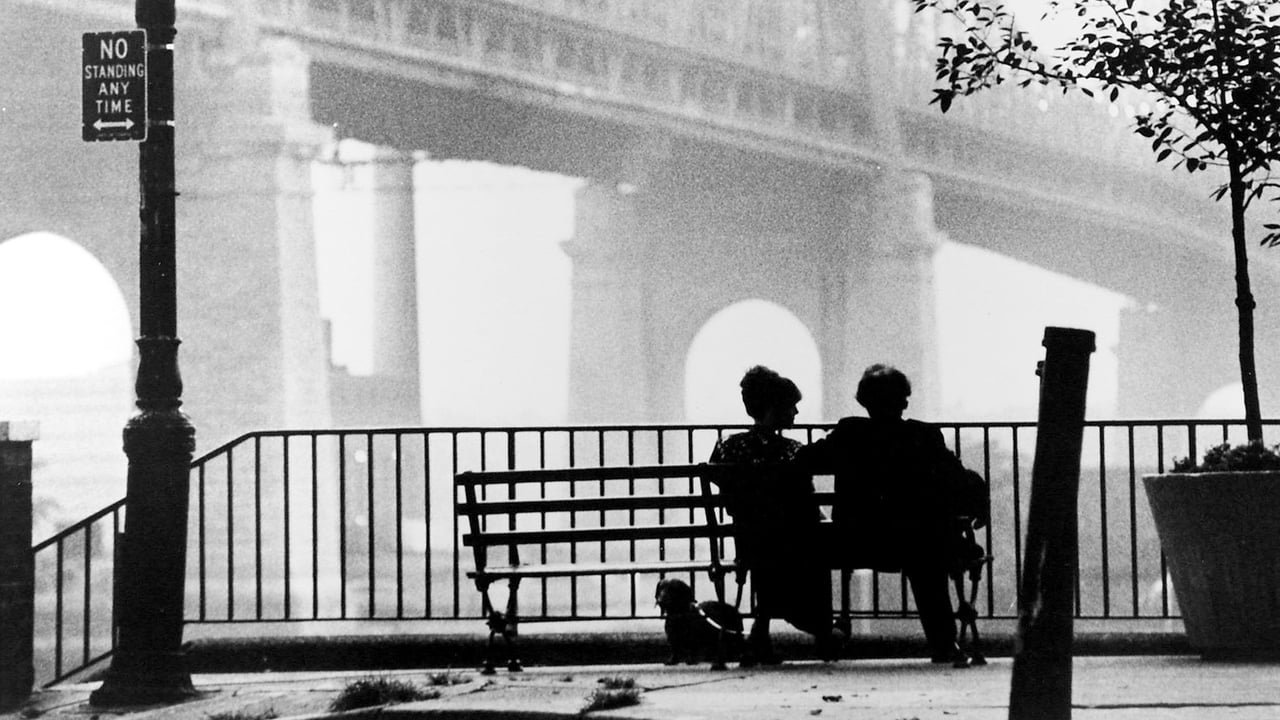
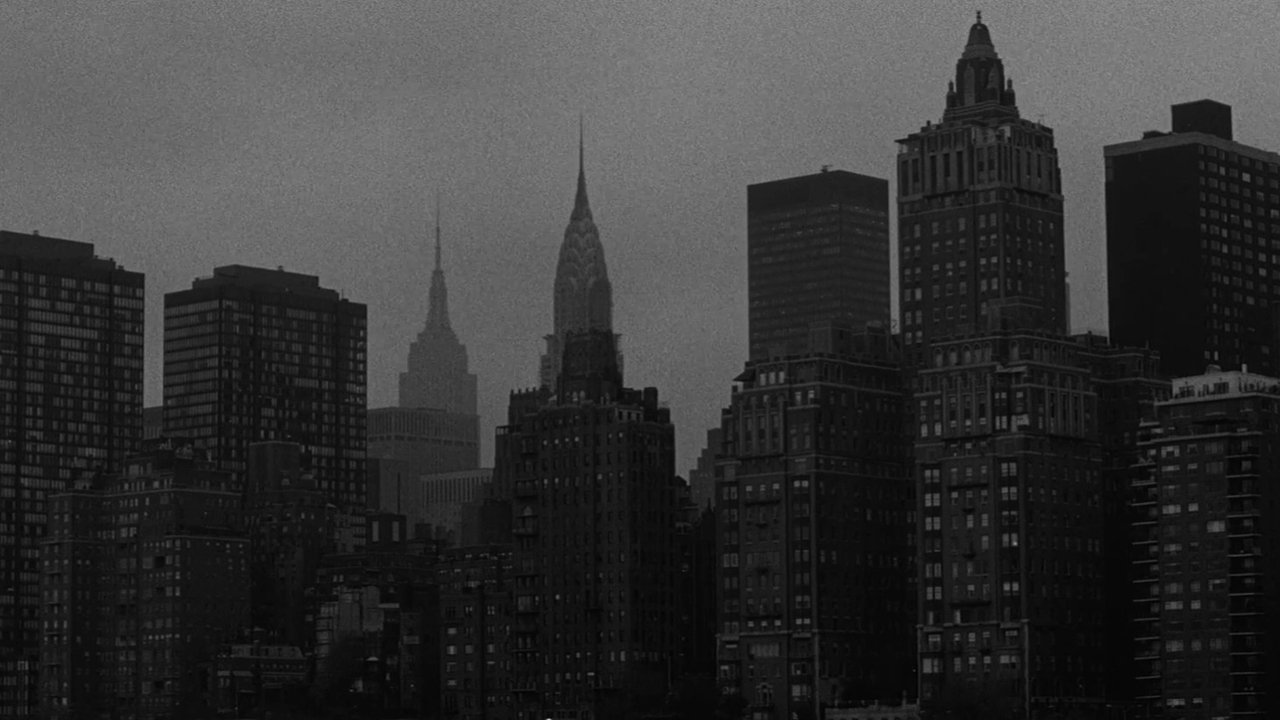
The decision to shoot in black and white in 1979, well into the era of mainstream color, was audacious. But oh, what a choice it was. Cinematographer Gordon Willis (The Godfather, All the President's Men), often dubbed the "Prince of Darkness" for his mastery of shadow, here crafts luminous, widescreen compositions that elevate Manhattan itself to a principal character. Each frame feels meticulously composed, transforming familiar landmarks – the Queensboro Bridge at dawn, the interior of the Guggenheim, rainy Central Park streets – into iconic tableaus. It wasn't just an aesthetic whim; Allen has said he saw his contemporary New York in black and white, like the old movies he adored. This choice, combined with the lush Gershwin score (for which United Artists reportedly paid a hefty sum, recognizing its centrality), creates an atmosphere thick with nostalgia, even for a time the viewer might not have directly experienced. It’s a New York filtered through idealized memory.
### Conversations in Cafes and Complicated Hearts
Beneath the visual poetry, however, brews a storm of messy human relationships. We follow Isaac Davis (Woody Allen), a 42-year-old television writer navigating a recent divorce from his wife Jill (Meryl Streep, in an early, memorable role), who has left him for another woman and is writing a tell-all book. Isaac is dating Tracy (Mariel Hemingway), a bright and remarkably grounded 17-year-old high school student – a relationship whose significant age gap forms one of the film’s most enduringly debated and uncomfortable elements. His best friend, Yale (Michael Murphy), is married but carrying on an affair with the sharp, intellectually restless Mary Wilkie (Diane Keaton), with whom Isaac also becomes entangled.
The film unfolds largely through conversations – witty, neurotic, self-analytical dialogues penned by Allen and Marshall Brickman (Annie Hall) that feel simultaneously authentic to a certain New York intellectual set and deeply self-aware. Characters dissect their motivations, second-guess their feelings, and rationalize questionable behavior, often with dazzling verbal dexterity. It’s a world where intellectualism can be both a shield and a weapon.
### Performance Under Pressure
The ensemble cast navigates this complex emotional terrain with skill. Woody Allen plays a variation of his familiar persona – anxious, witty, morally conflicted – but Isaac feels perhaps more cynical, more adrift than some of his other characters. Diane Keaton, fresh off her Oscar win for Annie Hall, embodies Mary's alluring mix of intelligence, insecurity, and volatility. Her chemistry with Allen is undeniable, crackling with the energy of two minds constantly probing and provoking each other. Michael Murphy brings a necessary quiet weight to Yale, the seemingly stable friend whose own moral compass is spinning.
But it's Mariel Hemingway as Tracy who leaves an indelible mark. Only 16 during filming, she portrays Tracy with a startling maturity and sincerity that contrasts sharply with the often childish behavior of the adults around her. Her performance earned her an Academy Award nomination, and rightly so. Tracy often seems like the only grown-up in the room, possessing an emotional honesty that cuts through the intellectual posturing. The scenes between Isaac and Tracy are fraught with the inherent discomfort of their age difference, yet Hemingway invests Tracy with such genuine warmth and quiet dignity that she becomes the film's unlikely moral center. It's a testament to her talent that she makes Tracy feel so real and sympathetic, despite the problematic context.
### Behind the Monochrome Magic
Interestingly, Woody Allen was reportedly deeply unsatisfied with the finished film, even offering to direct another picture for United Artists for free if they agreed not to release Manhattan. Thankfully, they declined his offer. The film went on to become both a critical and commercial success (grossing nearly $40 million on a modest budget), solidifying Allen's reputation as a major American filmmaker and cementing Manhattan's iconic imagery in the public consciousness. The visual style was so influential, it almost single-handedly created a romantic ideal of New York City for a generation. Filming wasn't always glamorous; shooting the famous planetarium scene required navigating tricky lighting and acoustics, typical of the challenges of capturing the city's essence on location.
### Lingering Questions in Black and White
Manhattan remains a complex film to grapple with. Its visual beauty is undeniable, a masterclass in cinematography and scoring that creates an almost overwhelming sense of romance. The dialogue is sharp, the performances nuanced. Yet, the central relationships, particularly Isaac's with Tracy, are deeply unsettling by contemporary standards, and frankly, were eyebrow-raising even in 1979. Does the film endorse Isaac's choices, or merely observe the moral ambiguities of its characters? It’s a question worth pondering. The film doesn't offer easy answers, presenting its characters, flaws and all, against a backdrop of breathtaking beauty. What lingers is this tension – between the idealized city symphony and the messy, often selfish, human heart.

Rating: 8/10
This score reflects the film's undeniable artistic achievements – its stunning cinematography, evocative score, sharp writing, and strong performances, particularly Hemingway's. It captures a specific time and place with unforgettable style. However, the problematic nature of the central relationship prevents a higher score, demanding a critical engagement that acknowledges its discomfort alongside its beauty.
Manhattan is ultimately a bittersweet valentine – less to a person, perhaps, and more to a place, or at least, an impossibly romantic idea of a place, forever preserved in gorgeous black and white. It leaves you contemplating the ways we try, and often fail, to live up to the beauty of the world around us.