Here we go, settling into the worn armchair with a cup of tea, the faint whir of a non-existent VCR echoing in memory. Some films from the late 90s rush back with the force of a blockbuster explosion, others return like a half-remembered conversation, gentle and tinged with a specific, bittersweet warmth. The Object of My Affection (1998) firmly belongs in the latter category. It arrived during a peak era for romantic comedies, yet it always felt… different. Quieter, more thoughtful, carrying a weight beneath its charming surface. What does it mean to truly love someone, especially when that love doesn’t fit neatly into society’s prescribed boxes?
An Unconventional Arrangement
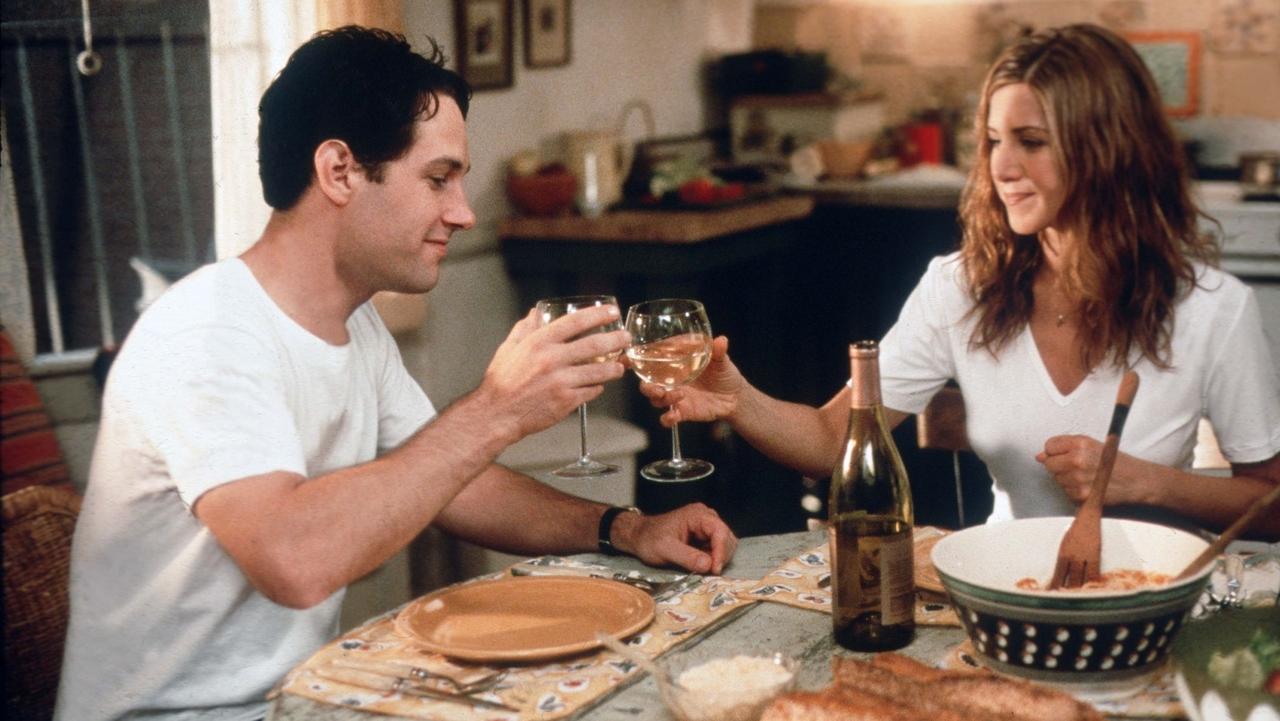
The premise itself sets it apart from the typical meet-cute fare of the time. Social worker Nina Borowski (Jennifer Aniston) meets George Hanson (Paul Rudd), a charming first-grade teacher, at a dinner party. There's an immediate spark, an undeniable connection, a shared sensibility. The complication? George is gay. When Nina finds herself pregnant by her flighty boyfriend and asks George to move in and help raise the child, their lives intertwine in ways both supportive and heartbreakingly complex. This isn't your standard will-they-won't-they; it's a poignant exploration of deep affection straining against incompatible desires. Director Nicholas Hytner, who had previously shown a deft hand with complex human emotion in films like The Madness of King George (1994), navigates this tricky territory with sensitivity and grace.
Beyond Rachel Green, Before Ant-Man
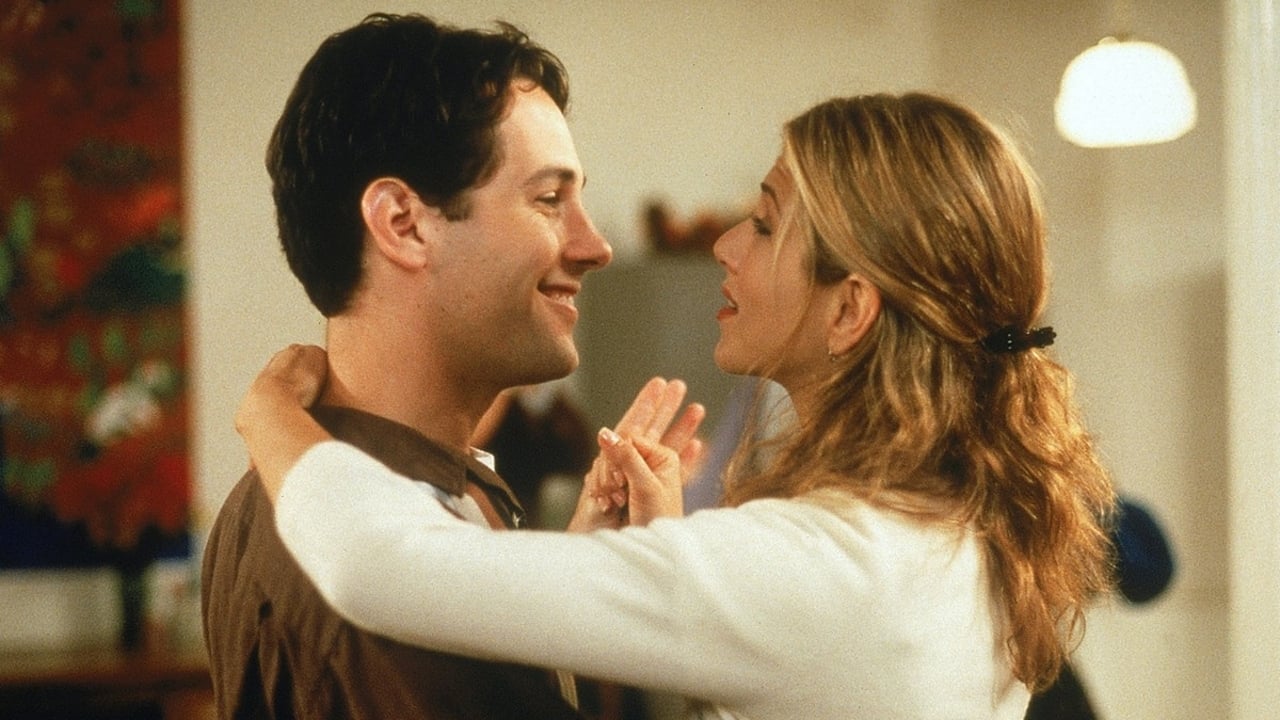
Much of the film's enduring appeal rests on the shoulders of its leads. For Jennifer Aniston, this was a significant step outside the massive shadow of Friends. While Nina shares some of Rachel Green's warmth and vulnerability, there's a grounded maturity here, a grappling with difficult choices that feels distinct. Aniston makes Nina’s burgeoning, impossible love for George palpable – you see it in her eyes, the way she looks at him, the quiet hope warring with the inevitable reality. It was a performance that hinted at the dramatic range she would explore further down the line.
And then there's Paul Rudd. Before he became the ageless comedic titan we know today, Rudd infused George with an effortless charm and genuine kindness that makes Nina's feelings entirely understandable. Crucially, he avoids caricature. George isn't just a plot device; he's a fully realized person with his own desires, complexities, and journey toward finding love (notably with Alan Alda’s older literary critic character, portrayed with typical gravitas). The chemistry between Aniston and Rudd is the film's bedrock – not the crackling sexual tension of a typical rom-com, but the comfortable, lived-in intimacy of true friendship, which only makes Nina's unrequited longing more poignant. It’s fascinating to watch them here, knowing the stratospheric, albeit different, paths their careers would take.
Heartbreak Woven with Wit
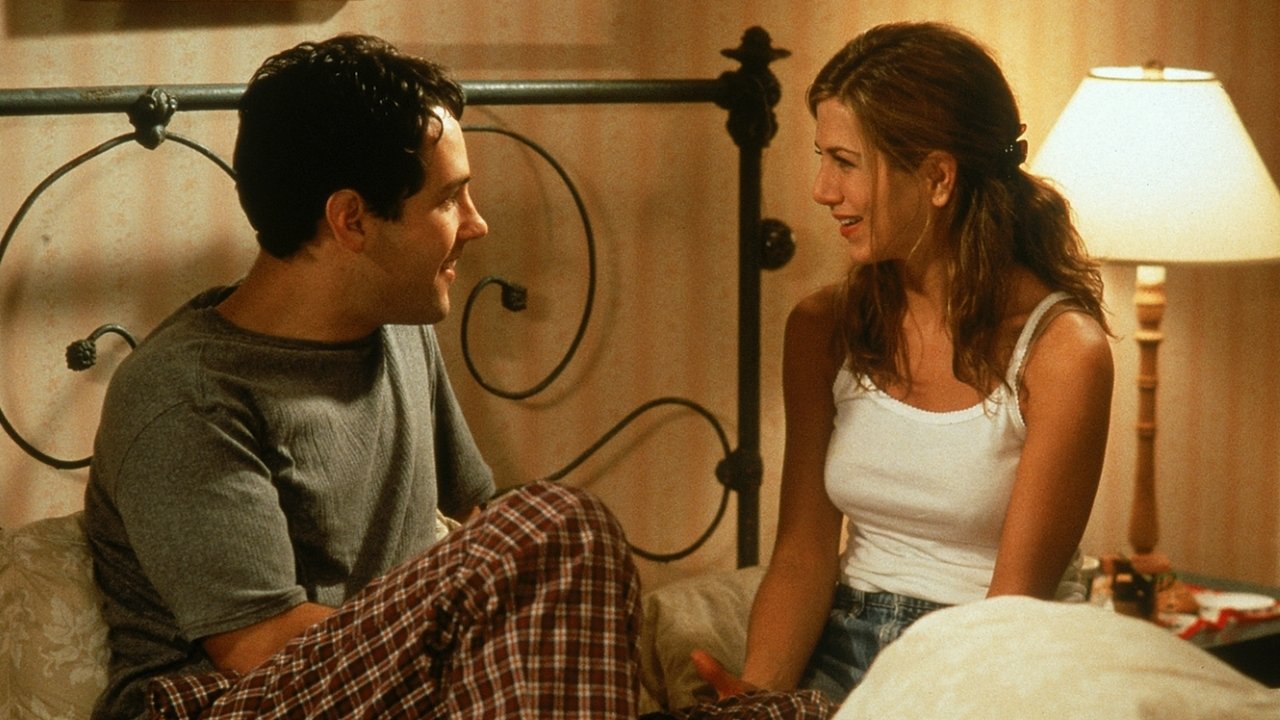

Adapting Stephen McCauley's novel, Pulitzer Prize-winning playwright Wendy Wasserstein (The Heidi Chronicles) crafts a screenplay rich with sharp observation and believable dialogue. This isn't a film built on grand romantic gestures or manufactured misunderstandings. Instead, it finds its drama in the quiet moments, the unspoken feelings, the gradual, painful realization that some forms of love, however deep, cannot be the only form of love one needs. The supporting cast, including a wonderfully sharp Allison Janney and John Pankow as Nina's cynical friends, and the ever-reliable Nigel Hawthorne as a theatre producer who takes an interest in George, adds layers of wit and perspective. I distinctly remember renting this one from Blockbuster, expecting a light romp based on the cover, and being surprised by its emotional depth – a feeling that remains on rewatch.
The film cost around $29 million to make and pulled in about $47 million worldwide – a respectable showing, but perhaps indicative of its slightly niche appeal compared to the broader comedies dominating the multiplexes back then. It didn't set the box office alight, but like a well-loved novel, it found its audience, those who appreciated its gentle honesty and refusal to offer easy answers. It treats its LGBTQ+ characters with a matter-of-factness that, while perhaps not revolutionary by today's standards, felt refreshingly straightforward for a mainstream Hollywood film in 1998.
A Quiet Resonance
Does The Object of My Affection feel dated? In some superficial ways, perhaps – the fashion, the landlines. But its core emotional concerns – the complexities of love and friendship, the definition of family, the ache of wanting what you can't have – remain remarkably resonant. It doesn’t shy away from the sadness inherent in its premise, yet it never wallows. There’s a gentle optimism, a belief in the enduring power of connection, even when it takes unconventional forms. It asks us to consider: can deep, platonic love be enough? What compromises do we make for companionship?
Watching it now feels like revisiting old friends – ones who make you smile, but also make you think. It’s a reminder that not all love stories have traditional happy endings, but that doesn’t make the love itself any less real or valuable.
Rating: 7.5/10
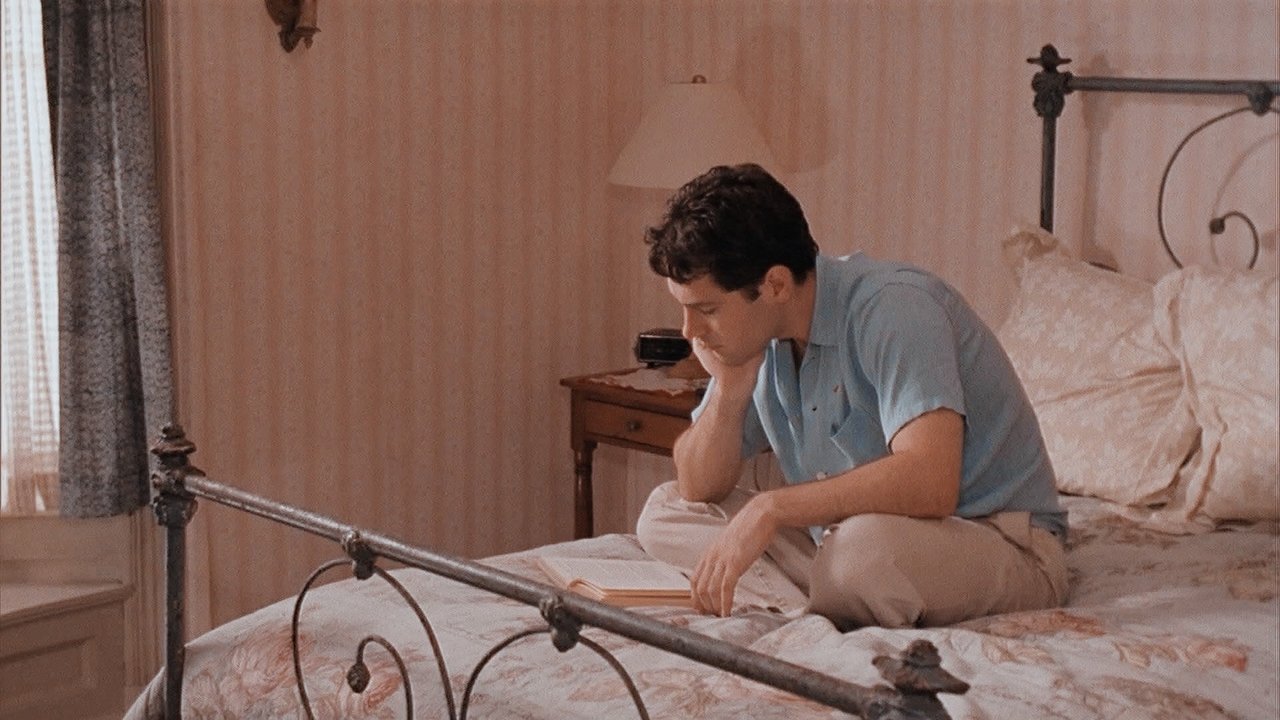
This score reflects the film's genuine heart, strong performances (especially from the leads early in their major film careers), and intelligent writing that elevates it above standard rom-com fare. It earns points for tackling complex themes with sensitivity, though perhaps it lacks the cinematic dynamism or sharp comedic edge that might push it into truly classic territory for some. It remains, however, a thoroughly worthwhile and affecting watch.
It’s a film that lingers, not with grand pronouncements, but with a quiet understanding – a gentle nudge reminding us that the connections we forge, in all their messy, imperfect glory, are often the ones that truly sustain us.