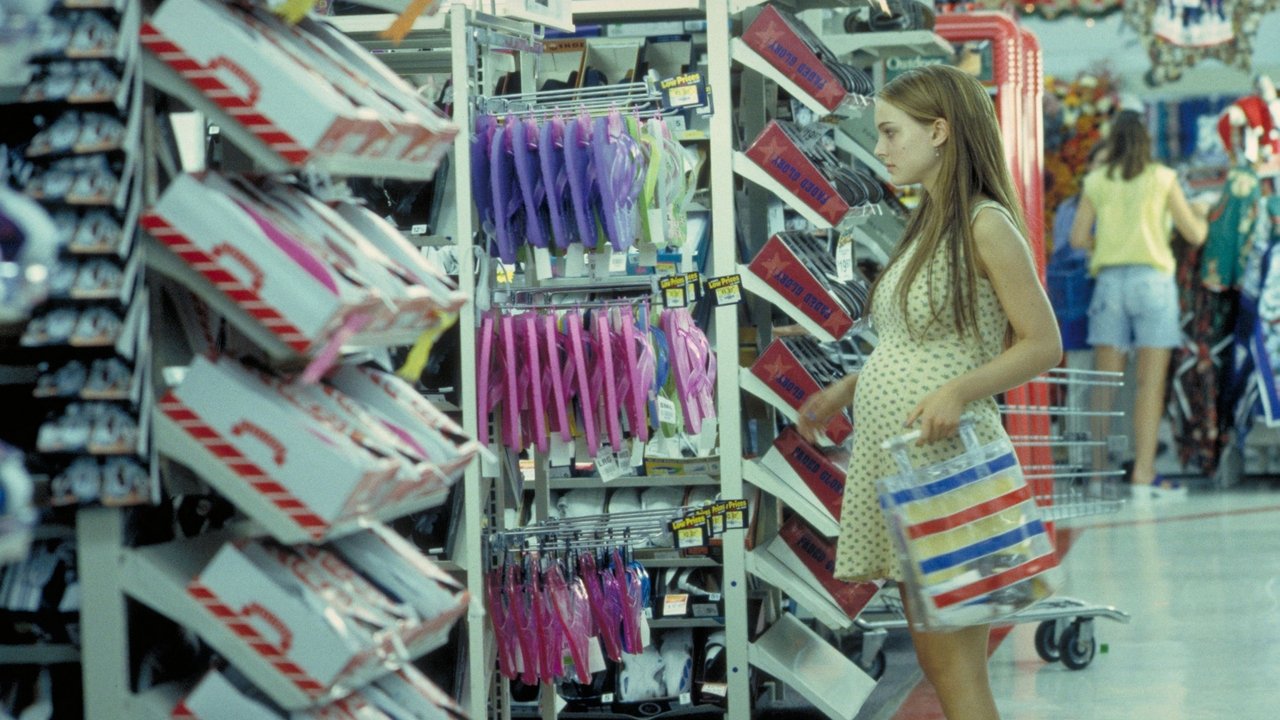
It starts with an image almost too bleakly absurd to believe: a heavily pregnant teenager, stranded by her callous boyfriend at a Wal-Mart in the middle of Oklahoma, with just $7.77 in her pocket. That stark opening to Matt Williams' 2000 film Where the Heart Is could easily have spiraled into grim social realism. Instead, what unfolds is something far more unexpected – a story brimming with improbable kindness, resilience, and the quiet construction of a life from the unlikeliest of foundations. Watching it again now, perhaps on a well-worn DVD snagged from a closing rental store (a fitting echo of the film's retail setting!), it feels like a gentle balm, a film perhaps less remembered than it deserves.
An Unlikely Sanctuary
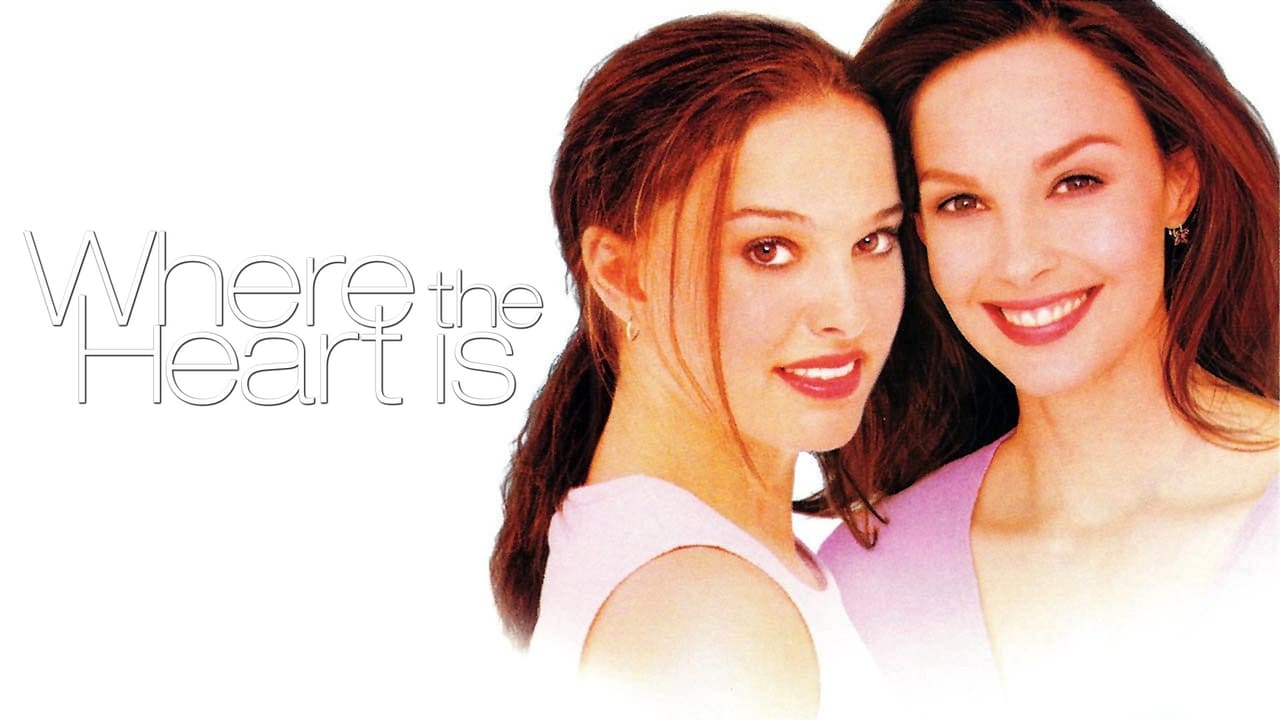
Based on the best-selling novel by Billie Letts (famously chosen for Oprah's Book Club, which certainly didn't hurt its visibility back then), the film follows Novalee Nation, played with a captivating blend of wide-eyed vulnerability and emerging inner steel by a young Natalie Portman. Portman, juggling this demanding role literally between filming commitments for the Star Wars prequels, carries the film's emotional weight beautifully. Her Novalee isn't naive so much as fundamentally decent, thrust into circumstances that would break many. The initial conceit – that she secretly lives in the Sequoyah Wal-Mart until her baby is born (earning the nickname "Wal-Mart Baby") – borders on the fantastical, yet the film mostly grounds it. It becomes less about the gimmick and more about this sterile consumer space inadvertently becoming the womb for her new life. Doesn't that transformation, finding sanctuary in the mundane, strike a chord about human adaptability?
The Kindness of Strangers (and Friends)

What truly elevates Where the Heart Is beyond its quirky premise is the constellation of characters who orbit Novalee. This isn't just her story; it's about the tapestry of a chosen family woven from threads of compassion. Ashley Judd, as the vibrant, unlucky-in-love nurse Lexie Coop, radiates warmth and loyalty. Her frankness about her own struggles and her immediate embrace of Novalee feel utterly genuine. Then there’s the sublime Stockard Channing as Sister Husband, a benevolent eccentric who, along with her partner Mr. Sprock (Richard Jones), offers Novalee a real home. Channing imbues Sister with a delightful mix of unconventional wisdom and maternal warmth, making her pronouncements about unlucky numbers feel less like superstition and more like a unique worldview. And who could forget Joan Cusack's brief but hilariously memorable turn as Ruth Meyers, a music producer whose encounter with Novalee's feckless ex, Willy Jack Pickens (Dylan Bruno), provides a perfectly satisfying moment of comeuppance? Even James Frain as the quiet, intellectual town librarian Forney Hull provides a grounding, gentle presence, representing a different kind of support. It’s these relationships, these acts of kindness big and small, that form the film’s sturdy emotional core.
Heartfelt Drama from Comedy Vets
It’s fascinating to remember that the screenplay was adapted by Lowell Ganz and Babaloo Mandel. These are the guys who gave us laugh-out-loud classics like Splash (1984), Parenthood (1989), and A League of Their Own (1992). Their shift towards more earnest drama here is notable. While the film certainly has its lighter moments and quirky characters, their comedic timing perhaps translates into an ability to find the humanity and warmth even amidst hardship, preventing the story from sinking into melodrama. Director Matt Williams, known primarily for his work on hit sitcoms like Home Improvement and Roseanne, brings a certain episodic quality to the storytelling, focusing on character moments and emotional beats. This sometimes leads to narrative jumps that feel a bit convenient, relying on coincidence (that recurring number 5!) perhaps a touch too often. Yet, this approach also reinforces the feeling of watching Novalee's life unfold, chapter by chapter.

Finding Shelter in Sentiment
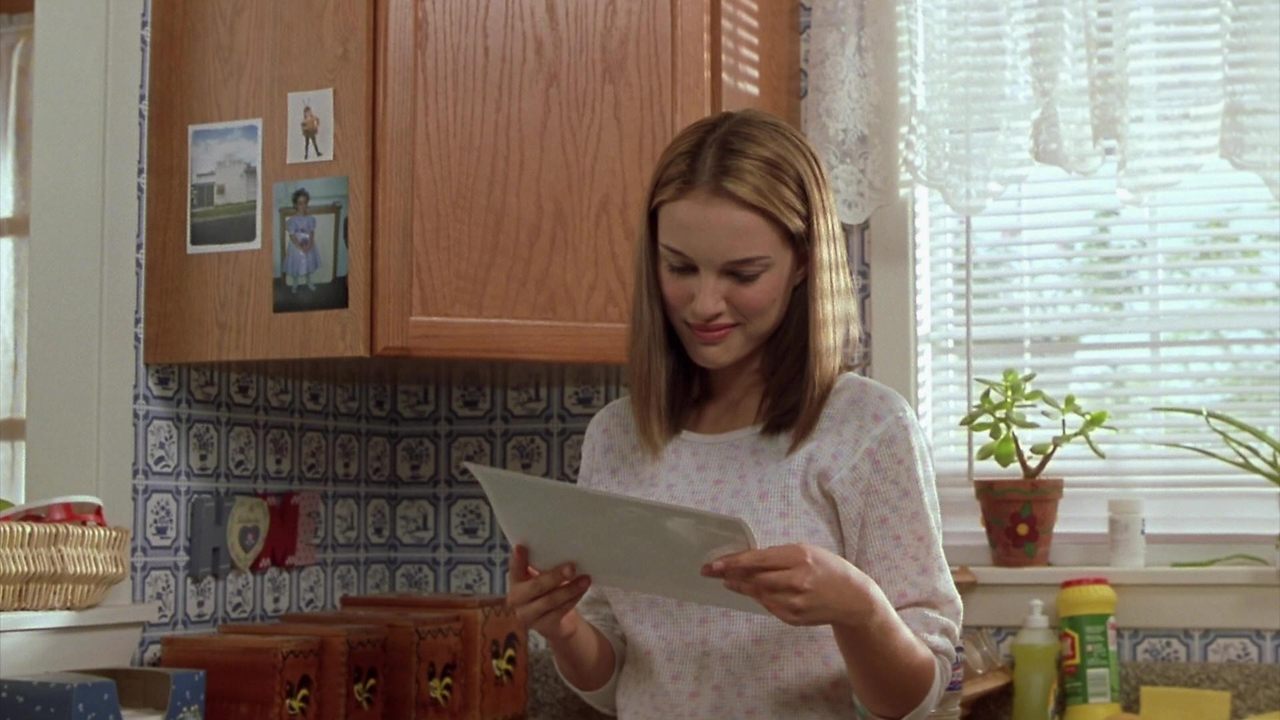
Let's be honest, the film doesn't shy away from sentimentality. There are moments – the dramatic storm sequence, certain romantic developments – that feel engineered to tug at the heartstrings. And for some viewers, this earnestness might verge on saccharine, especially viewed through a more cynical modern lens. The film earned a fairly modest $40.8 million worldwide against its $15 million budget; respectable, but not a blockbuster, suggesting it found its audience but didn't break massive cultural ground. Yet, there's an undeniable sincerity to its portrayal of resilience and community. It dares to suggest that goodness can emerge from neglect, that chosen families can be as strong, if not stronger, than biological ones. Is that optimism entirely unrealistic? Perhaps. But is it also something we occasionally need to believe in?
The practical aspects, like presumably recreating the Wal-Mart interior on soundstages rather than disrupting a working store for months, allowed for the controlled environment needed for some of the more dramatic scenes (like the birth!). The film captures a specific early 2000s aesthetic – less gritty than the 90s indie scene, less glossy than later mainstream dramas. It occupies a transitional space, much like its protagonist finding her footing.
Rating: 7/10
This score reflects a film that succeeds beautifully on the strength of its performances, particularly Portman's quietly powerful lead, and its genuinely moving depiction of found family. It offers warmth, hope, and characters you truly come to care about. The points deducted are for its occasional reliance on coincidence and a level of sentimentality that, while sincere, might feel a touch too sweet for some tastes, alongside a narrative that sometimes feels more episodic than seamlessly woven.
Where the Heart Is might not be a cinematic masterpiece, but it possesses a gentle spirit and an enduring belief in human connection that lingers long after the credits roll. It’s a reminder, perhaps, that sometimes the most extraordinary journeys begin in the most ordinary, even unlikely, of places – like aisle five of a small-town Wal-Mart. It's the kind of film you might have stumbled upon on a rainy afternoon browsing the rental shelves, and found yourself unexpectedly charmed.