Okay, fellow tapeheads, let's slide another well-worn cassette into the VCR of our collective memory. This time, it’s a film that tried to bottle the essence of a specific moment, a certain kind of post-collegiate haze that felt uniquely... nineties. I'm talking about Ben Stiller’s 1994 directorial debut, Reality Bites. Does it still resonate, or does it feel like a faded Polaroid from another era?
Capturing the Quarter-Life Crisis
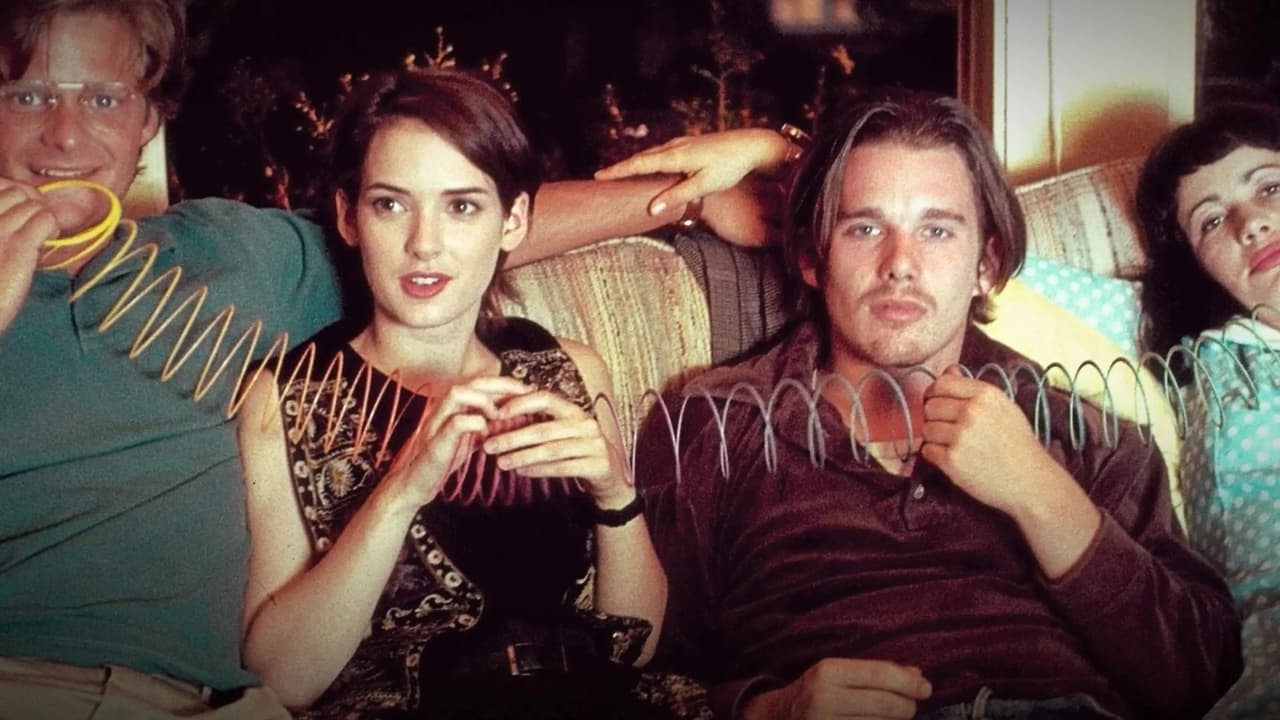
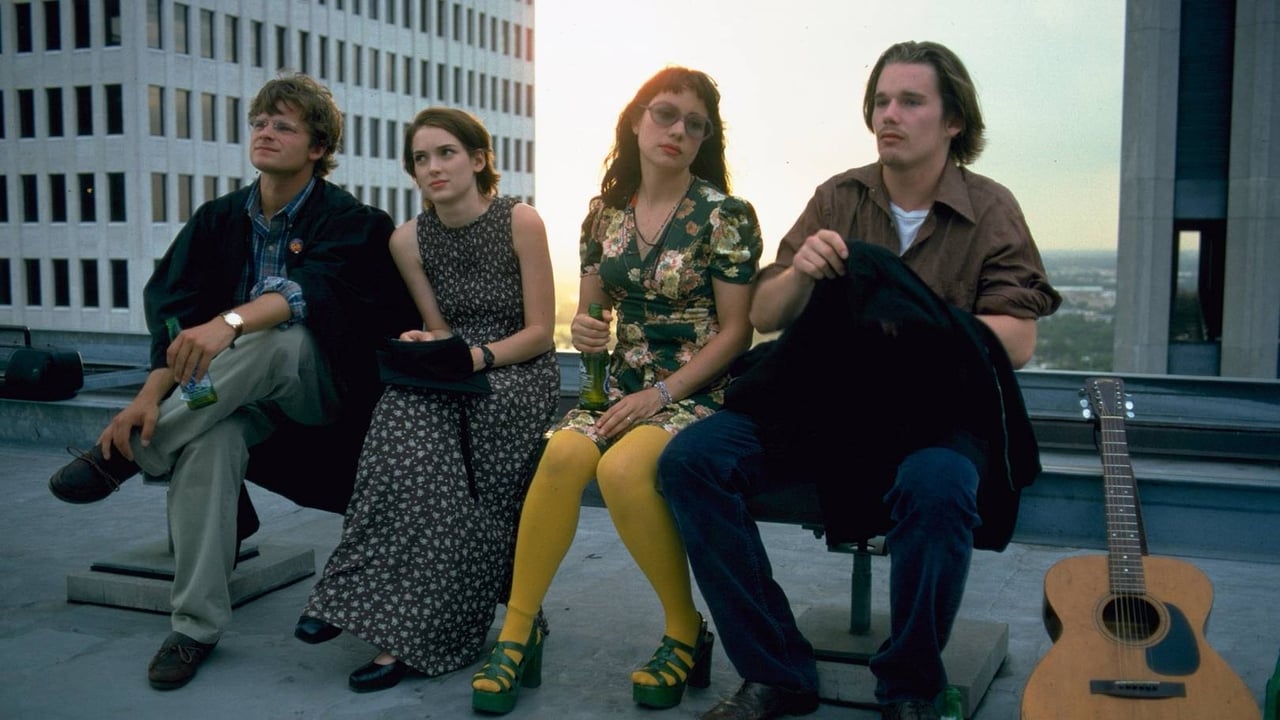
What strikes me most, watching Reality Bites again after all these years, isn't just the flannel shirts or the pre-internet angst, but its earnest attempt to grapple with that bewildering gap between youthful ideals and the often messy, disappointing reality of adulthood. The film follows Lelaina Pierce (Winona Ryder), a recent college valedictorian armed with a camcorder and dreams of becoming a documentary filmmaker, as she and her circle of friends navigate unemployment, underemployment, complicated relationships, and the ever-present question: Now what? It plunges us directly into that specific Gen X ennui – that feeling of being overeducated, underwhelmed, and vaguely suspicious of anything resembling "selling out." Does that feeling ever truly go away, or does it just change its wardrobe?
The Triangle and The Truth
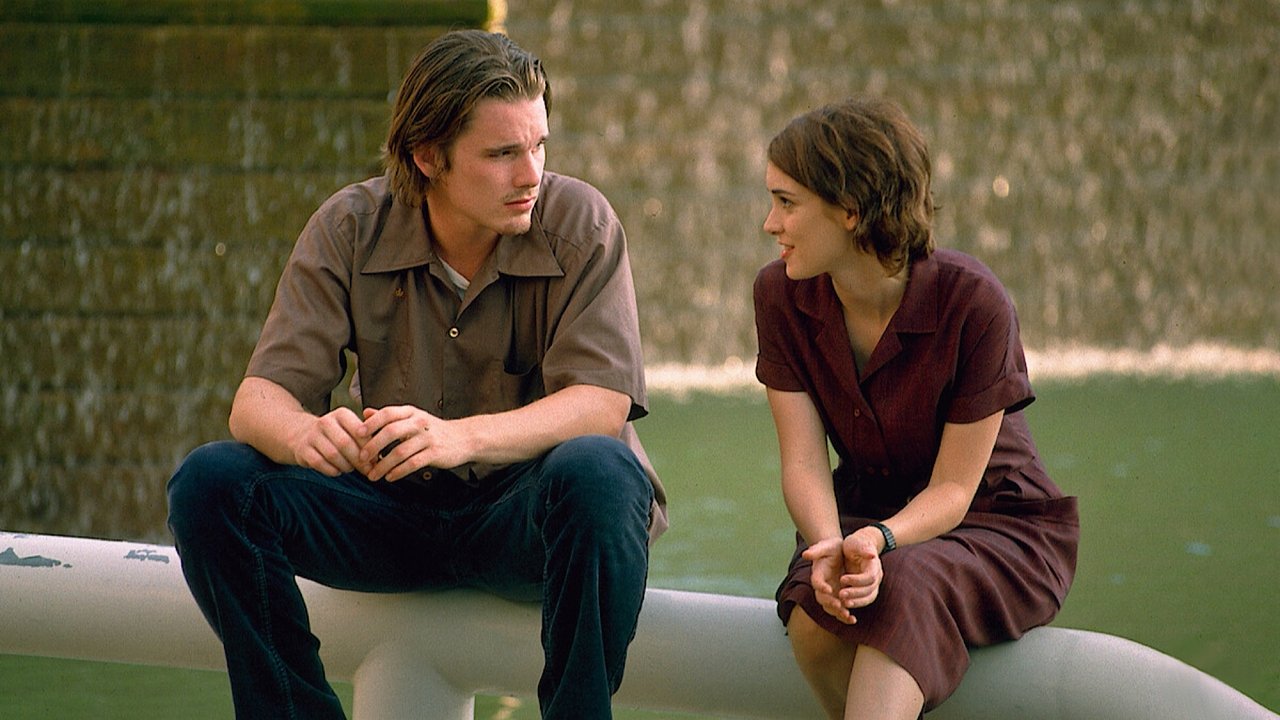
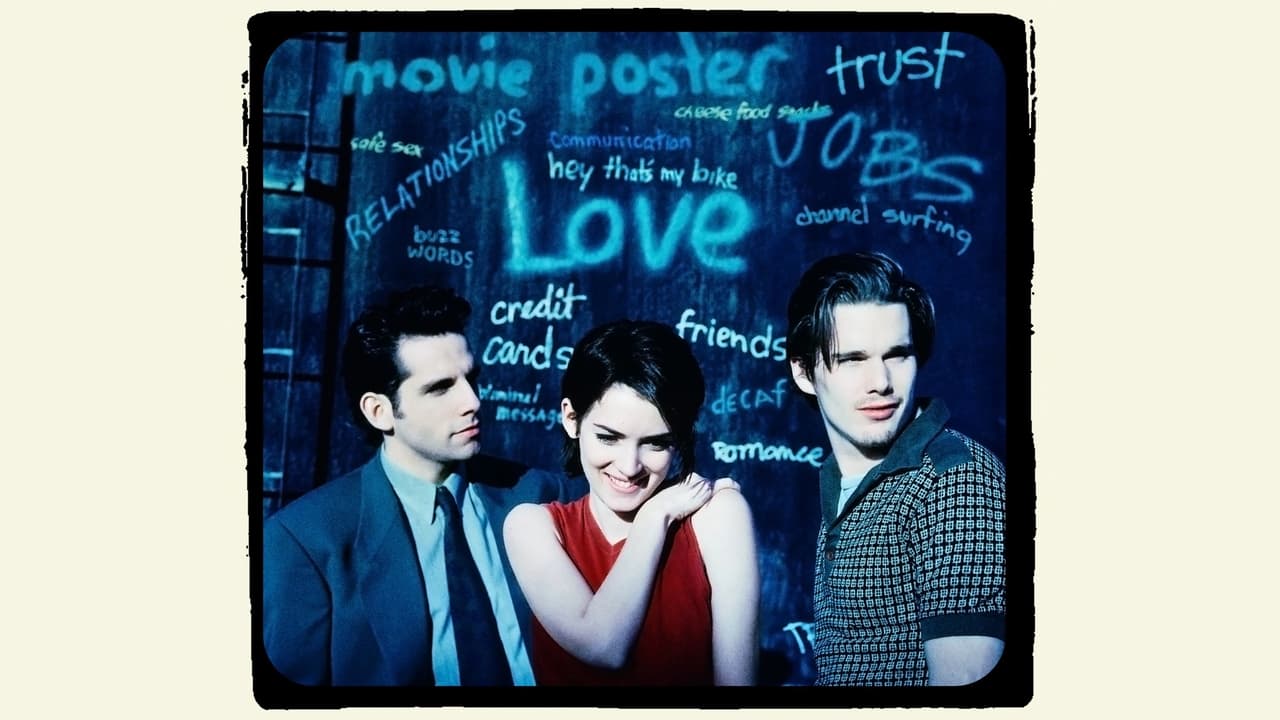
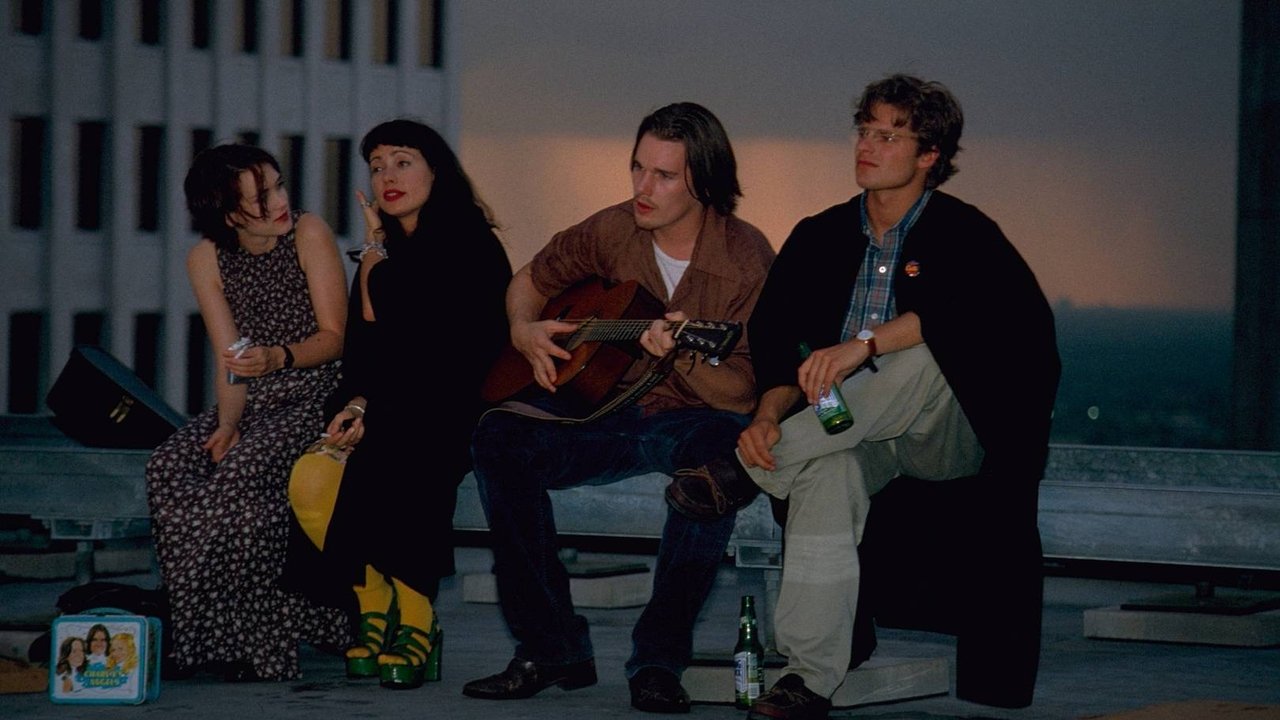
At its core, the film orbits around Lelaina. Ryder, already a huge star thanks to films like Heathers and Edward Scissorhands, brings a compelling vulnerability to the role. You feel her frustration, her artistic ambition clashing with the need to pay rent, her confusion caught between two very different men: the brooding, philosophical slacker Troy Dyer (Ethan Hawke) and the pragmatic, slightly square MTV-esque executive Michael Grates (played by director Stiller himself).
Hawke absolutely nails Troy's pseudo-intellectual charm and infuriating passivity. He's the guy you know is probably bad news, but whose cynical pronouncements about the world feel dangerously seductive when you're 22. Remember his band, Hey, That's My Bike? Pure 90s alt-rock aspiration. His chemistry with Ryder is palpable, crackling with the tension of unspoken feelings and intellectual sparring. Stiller, meanwhile, plays Michael not as a villain, but as a symbol of the compromises adulthood seems to demand. He represents stability and success, but also the potential dilution of Lelaina's raw, authentic vision for her documentary – the very project that gives the film its title.
And let's not forget Janeane Garofalo as Vickie, the sardonic Gap manager whose dry wit and sharp observations often steal the show. Her subplot dealing with an HIV scare adds a sudden, sobering weight to the film, a stark reminder of the very real anxieties lurking beneath the surface of their seemingly carefree aimlessness. Garofalo delivers some of the film's most memorable lines with perfect deadpan timing.
Behind the Lens Flare
Rewatching this, it’s fascinating to remember it was Ben Stiller’s first time directing a feature film, coming off the success of his sketch comedy show. He brings a certain visual energy, particularly in capturing the claustrophobia of shared apartments and the fleeting moments of connection amidst the chaos. The script, penned by Helen Childress (who was remarkably young, just 19 when she started writing it, drawing heavily on her own experiences and those of her friends in Houston), feels authentic in its dialogue, even if some of the pop culture references inevitably date it. Childress apparently received only $10,000 and a used Honda Accord for the initial script – a reality bite in itself, perhaps?
The production wasn't without its own minor dramas. Apparently, the studio initially wanted a more upbeat ending, but Stiller and Childress fought to keep the slightly ambiguous, less Hollywood resolution, which feels truer to the film's spirit. And that iconic scene where the gang spontaneously dances to The Knack's "My Sharona" in a convenience store? Pure movie magic, largely improvised and capturing a moment of unbridled, youthful joy that cuts through the surrounding angst. It’s moments like these that elevate the film beyond just a generational time capsule. The film itself, made for around $11.5 million, pulled in over $33 million worldwide – a respectable return, proving it certainly struck a chord, even if critical reception at the time was somewhat mixed, with some dismissing it as navel-gazing.
The Soundtrack Still Slaps
You absolutely cannot talk about Reality Bites without mentioning its soundtrack. Featuring artists like The Knack, U2, Lenny Kravitz, Crowded House, and the breakthrough hit "Stay (I Missed You)" by Lisa Loeb (famously included after Ethan Hawke, a friend of Loeb's, passed her demo tape to Stiller), it was a smash hit. It wasn't just background music; it was the film's pulse, perfectly complementing the moods and moments on screen. Pulling out that CD (or, let's be real, the cassette) was like unlocking a core memory for many of us.
Does It Still Hold Up?
Watching Reality Bites today is a curious experience. Yes, parts of it feel very specific to 1994 – the technology, the fashion, the particular brand of irony. Some might find the characters' perceived privilege or self-absorption grating. Yet, the underlying themes – the search for identity, the fear of compromise, the messy navigation of love and friendship in your twenties – remain surprisingly relevant. It captures a feeling, a snapshot of a generation trying to find its footing in a world that felt both full of possibility and profoundly disappointing. It doesn't offer easy answers, and maybe that's why it still lingers. It understands that sometimes, the most profound thing you can do is just hang out with your friends, listen to good music, and try to figure things out, one convenience store dance party at a time. I remember renting this from Blockbuster, the blue and yellow glow illuminating the living room, feeling like Lelaina's struggles somehow mirrored my own anxieties about the future.
Rating: 7/10
Justification: While undeniably dated in some aspects and occasionally bordering on self-pity, Reality Bites earns its points for its authentic performances (especially from Ryder, Hawke, and Garofalo), its sharp dialogue, its killer soundtrack, and its earnest, if imperfect, attempt to capture the specific anxieties and aspirations of a generation. It’s a cultural artifact, yes, but one with a surprisingly resilient emotional core.
Final Thought: It may not have defined a generation as neatly as some claimed back then, but Reality Bites remains a poignant, funny, and deeply felt look at that confusing moment when the credits roll on education and the harsh, often unscripted, reality of life begins. What dreams did you have on pause back then?