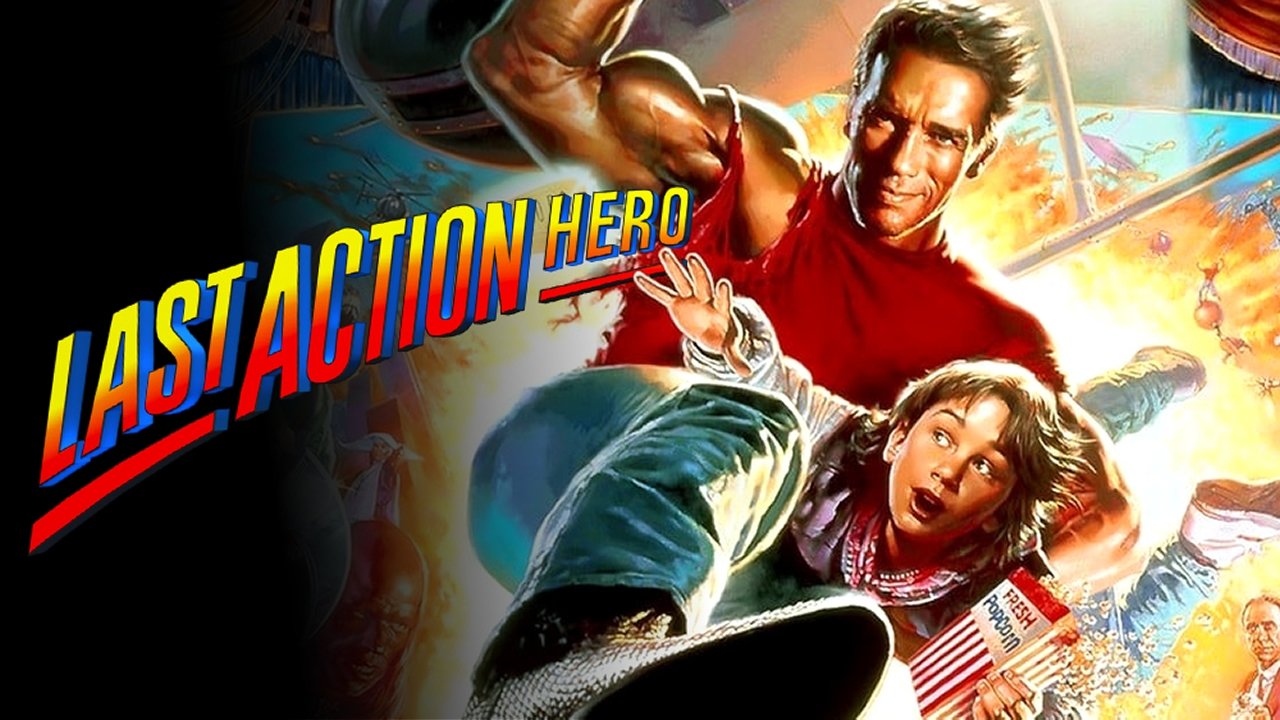
Alright, settle in, rewind that tape in your mind. Remember the summer of '93? The hype was deafening. Arnold Schwarzenegger, king of the action world, teaming up with John McTiernan, the maestro behind Die Hard (1988) and Predator (1987), for a movie seemingly designed to blow the doors off every multiplex. Last Action Hero landed with the explosive force of... well, maybe a slightly damp firecracker compared to expectations. But oh, pulling that worn VHS copy off the rental shelf years later? That’s where the magic truly began, revealing a film far more interesting, ambitious, and weirdly wonderful than its initial reputation suggested.

### Big Ticket, Big Ideas
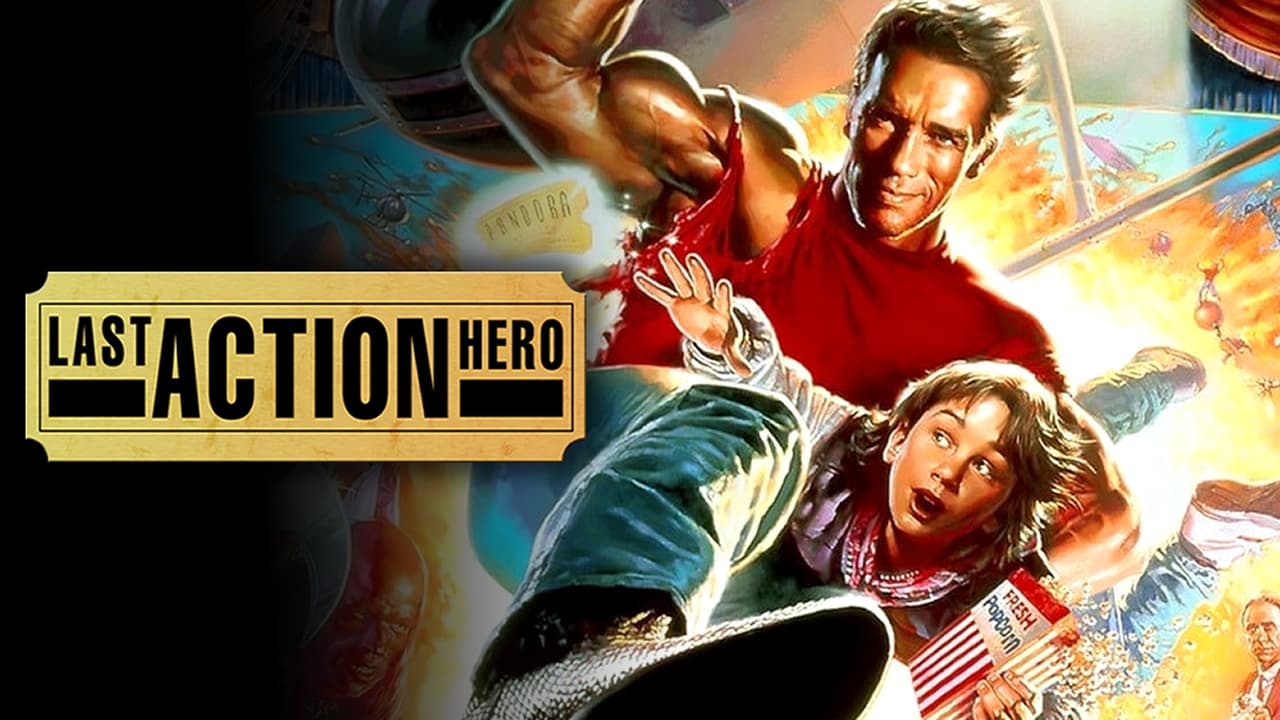
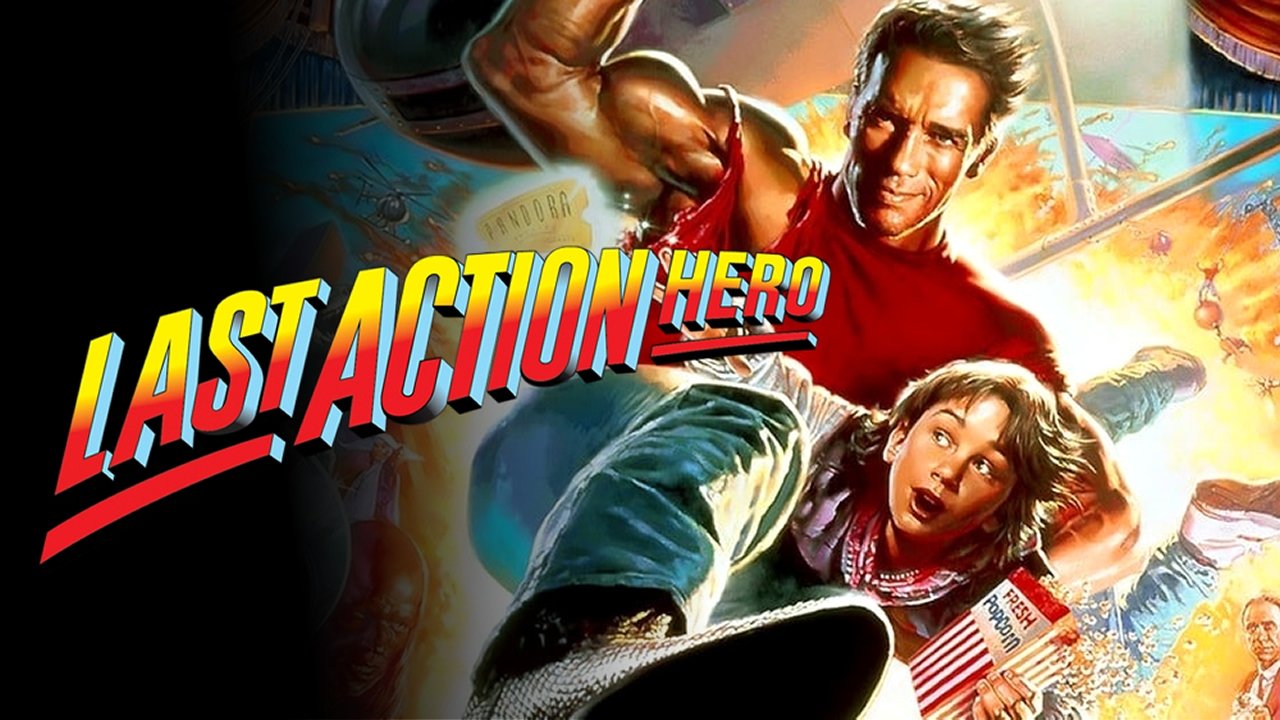
The premise alone felt like pure Hollywood wish-fulfillment, cranked up to eleven. Young Danny Madigan (Austin O'Brien), escaping a grim reality in grungy early-90s New York, finds solace in the over-the-top world of his favorite action hero, Jack Slater (Arnold Schwarzenegger). A magic ticket (gifted by the wonderfully eccentric Robert Prosky as Nick the projectionist) literally throws Danny through the screen and into Slater's latest bullet-riddled adventure. It’s a meta-movie lover’s dream, a concept so high it practically needed oxygen.
This wasn't just another Arnold vehicle; it was an attempt to dissect the very genre that made him a superstar. The script, famously wrestled with by a legion of writers including heavy-hitter Shane Black (who reportedly earned a cool million for his polish, adding his signature witty banter and structural savvy) and credited scribes David Arnott, Zak Penn, and Adam Leff, aimed for both explosive action and clever satire. Does it always succeed? Maybe not perfectly. The tone sometimes wobbles between genuine action beats and winking parody, but the sheer audacity is something to behold.
### McTiernan's Muscle, Pre-CGI Grit
Let's talk action, because even within the parody, John McTiernan delivers sequences that feel satisfyingly crunchy, rooted in that glorious pre-digital era. Remember the rooftop chase where Slater surfs a car door? Or the sheer chaos of the movie-within-a-movie funeral scene, culminating in a truly impressive practical explosion? This was McTiernan flexing his muscles, orchestrating mayhem with real cars, real fire, and stunt performers earning their paychecks the hard way. There's a weight and impact here that often feels missing in today's smoother, CG-heavy set pieces. You felt the crunch of metal, the heat of the explosions. It’s tactile. Sure, some effects might look a little dated now through HD eyes, but on that slightly fuzzy CRT screen, they felt immense and viscerally real.
It’s fascinating to think this level of practical spectacle was achieved on a colossal budget – reportedly $85 million back in '93 (that's pushing $180 million today!). Columbia Pictures bet the farm, even famously slapping the film's title onto an unmanned NASA rocket for a publicity stunt – talk about reaching for the stars! Unfortunately, it opened just a week after Jurassic Park, and well, dinosaurs trumped meta-commentary at the box office that summer.
### Slater, Benedict, and a World of Cameos
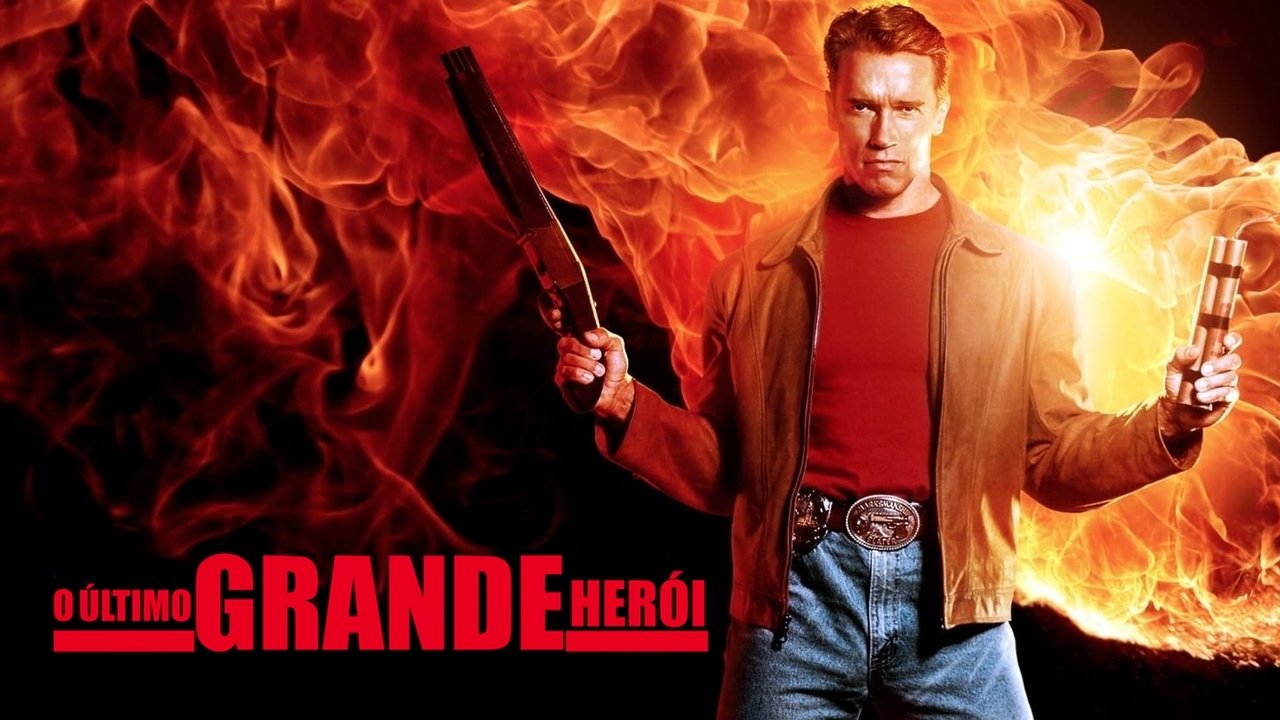
Arnold Schwarzenegger is clearly having a blast, playing both the nigh-invincible, pun-dropping Jack Slater and a fictionalized, slightly insecure version of himself in the "real world" sequence. It’s a clever dual role that allows him to poke fun at his own screen persona. He’s matched brilliantly by Charles Dance as Benedict, the sophisticated, glass-eyed villain who figures out the screen-hopping trick. Dance oozes menace and dry wit, stealing every scene he’s in. His delivery of lines like "If God was a villain, he'd have been me" is pure gold.
And the cameos! Oh, the cameos. They fly thick and fast, adding another layer to the meta-fun. Blink and you'll miss Robert Patrick reprising his T-1000 stance outside LAPD headquarters, Sharon Stone briefly appearing as Catherine Tramell, Jean-Claude Van Damme strutting past, even a blink-and-you'll-miss-it glimpse of Tina Turner as the Mayor. It felt like Hollywood throwing a party for itself, right there on screen.
### A Flawed Gem Rediscovered
So why the initial lukewarm reception? Perhaps it was too clever for its own good, trying to be a hardcore action flick and a send-up simultaneously. Maybe the marketing promised straightforward explosions, confusing audiences looking for pure Arnie adrenaline. Critics were largely unkind, and its box office failure became a cautionary tale.
But time, and countless spins in VCRs across the globe, has been kind to Last Action Hero. What felt messy or tonally inconsistent in '93 now feels like part of its quirky charm. It’s a film packed with ideas, genuinely funny moments (Slater’s confusion in the real world, where punching through a car window actually hurts, is priceless), and some truly solid action filmmaking courtesy of McTiernan. Michael Kamen's score, blending heroic themes with playful riffs, perfectly complements the on-screen chaos. It dared to deconstruct the action hero mythos years before self-aware blockbusters became commonplace.
Rating: 7.5 / 10
Justification: It earns this score for its sheer ambition, Charles Dance's iconic villain, John McTiernan's still-impressive practical action sequences, and its ahead-of-its-time meta-commentary. It loses points for the sometimes uneven tone and the fact that its reach occasionally exceeded its grasp, leading to that infamous commercial stumble. It's not perfect, but it's far more fascinating and rewatchable than its initial reputation suggests.
Final Word: A gloriously overstuffed, sometimes chaotic, but ultimately endearing artifact of 90s blockbuster ambition – Last Action Hero is the kind of wonderfully weird cinematic explosion that could only truly thrive in the wild west days of VHS rentals. Big, loud, flawed, and secretly brilliant.