Okay, rewind your mind palace, past the stacks of rented tapes and the unmistakable hum of a CRT warming up. Remember the mid-90s? A time when Hollywood was rediscovering the pulpy allure of pre-WWII heroes, trying to bottle lightning captured years earlier by Batman. Amidst this, emerging from the darkness like a phantom menace, came 1994’s The Shadow. It wasn't quite the blockbuster behemoth Universal Pictures might have hoped for, but slipping that tape into the VCR often revealed something visually sumptuous, a stylish throwback that perhaps deserved a kinder fate.
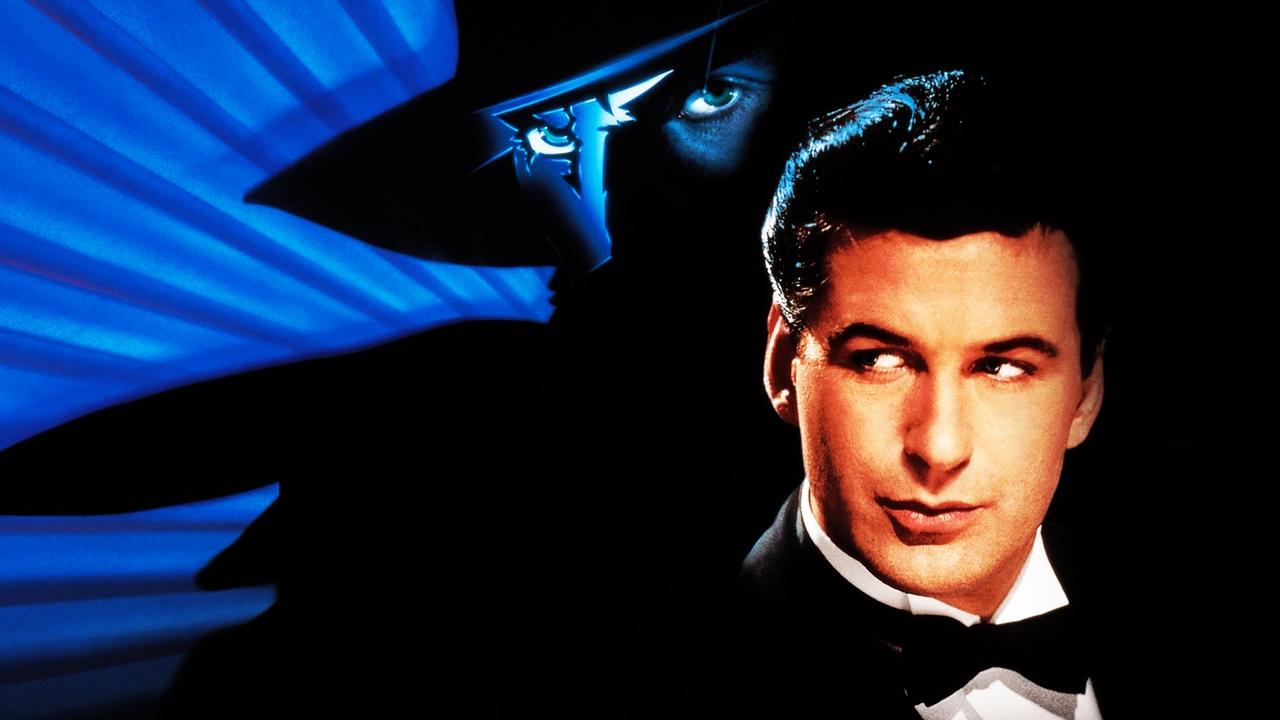
Who Knows What Evil Lurks... On Screen?
Directed by Russell Mulcahy, a filmmaker whose kinetic visual flair was honed on music videos and cemented with the cult classic Highlander, The Shadow arrived with a distinct aesthetic. Forget gritty realism; this was pure, unadulterated Art Deco noir splashed onto the screen. The film aimed to bring the legendary radio and pulp magazine character – Lamont Cranston, the wealthy man-about-town who secretly fights crime as the mysterious Shadow – to life. And visually? It often succeeded spectacularly. The production design is arguably the film's strongest asset, conjuring a dreamlike, perpetually nocturnal 1930s New York City filled with gothic architecture, smoky nightclubs, and gleaming automobiles. It felt like stepping into an old radio serial, illustrated with a budget.
Casting Shadows and Finding the Light
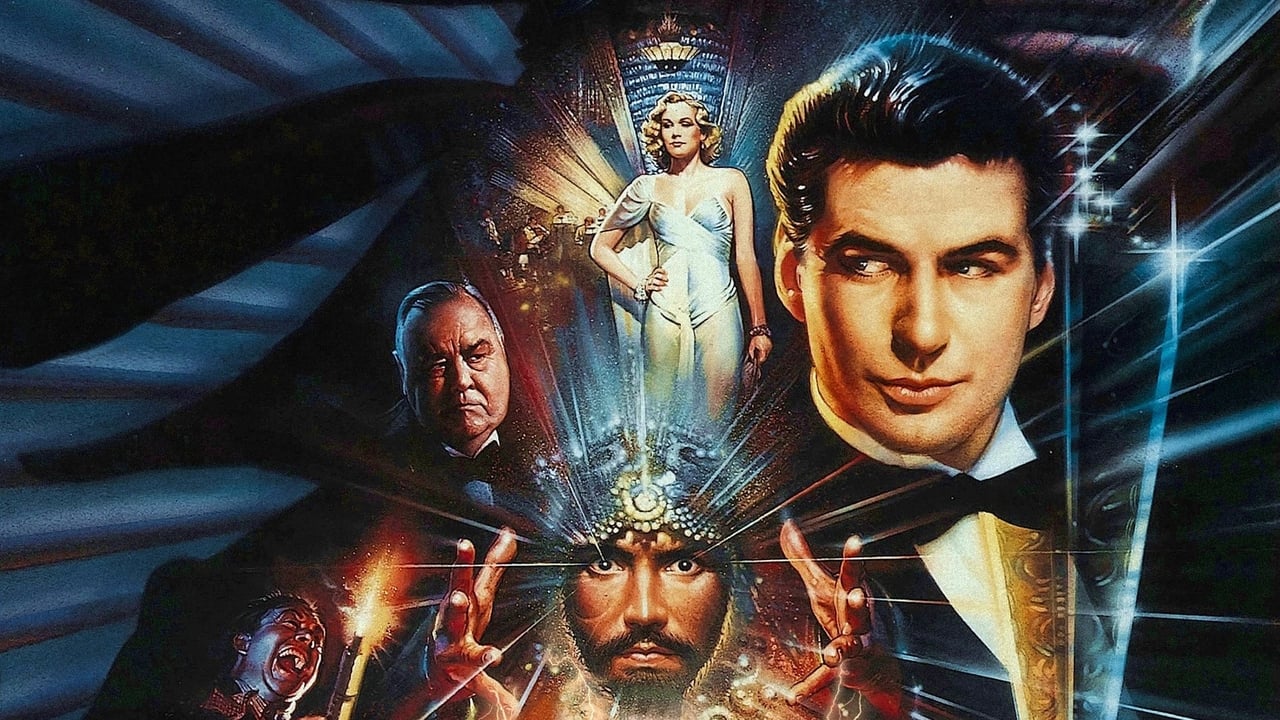
At the center of it all is Alec Baldwin as Lamont Cranston/The Shadow. Fresh off memorable roles in films like The Hunt for Red October and Glengarry Glen Ross, Baldwin certainly looked the part. He brought the necessary brooding intensity and suave charm to Cranston, though perhaps struggled slightly with the duality – the chilling, ethereal presence of The Shadow himself sometimes felt overshadowed (pun intended) by Baldwin's sheer movie-star charisma. His hypnotic laugh, however? Spot on.
Opposite him is Penelope Ann Miller as Margo Lane, the socialite who discovers Cranston's secret and possesses her own latent psychic abilities. Miller brings a necessary spark and intelligence to the role, preventing Margo from becoming a mere damsel in distress. Their chemistry is decent, playing into the screwball comedy tropes of the era the film evokes. And then there's the villain: Shiwan Khan, played with chilling, scenery-chewing relish by John Lone (known for The Last Emperor). As the last descendant of Genghis Khan, also possessing formidable psychic powers and aiming for world domination (starting with New York, naturally), Lone provides a genuinely imposing and memorable antagonist.
The Hypnotic Power of Pulp Style
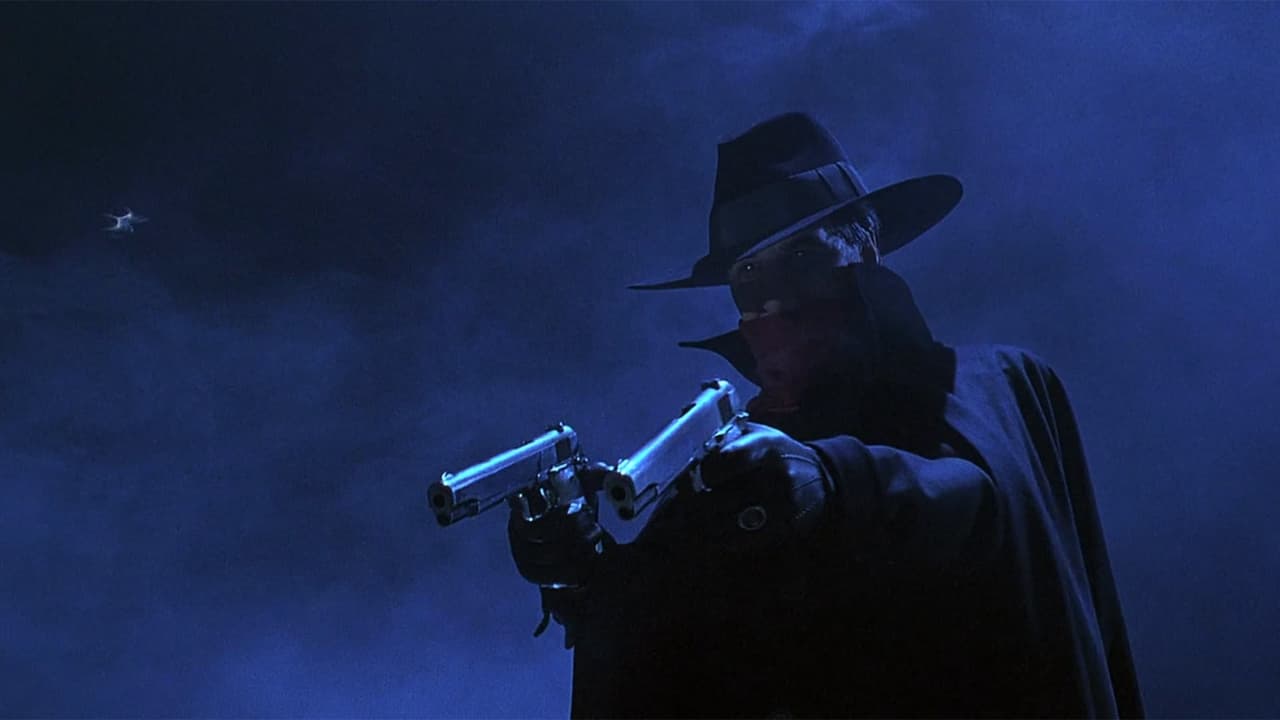

What truly makes The Shadow a fascinating slice of 90s cinema is its commitment to style, even sometimes at the expense of substance. David Koepp, who penned the script, was riding high after the colossal success of Jurassic Park the previous year. Here, he attempts to blend the atmospheric mystery of the source material with blockbuster action beats. The plot involves Shiwan Khan arriving in New York, hypnotizing Margo's scientist father (Ian McKellen in a smaller role!) to build an atomic bomb, and Cranston having to confront his own dark past as the brutal warlord Ying Ko while battling his descendant. It's pure pulp, and Koepp leans into it.
Mulcahy directs with his signature visual energy. Quick cuts, atmospheric lighting, and dramatic angles abound. The sequence where the Shadow materializes and dematerializes, his cloak swirling, his iconic profile silhouetted against the city lights – these moments are pure cinematic candy, especially viewed through a nostalgic lens. The practical effects used for the Shadow's invisibility and hypnotic "clouding men's minds" ability hold a certain charm, even if they seem quaint today. And let's not forget the sentient, flying Phurba dagger – a wonderfully weird and memorable element.
Retro Fun Facts: Behind the Cloak
- Long Gestation: Bringing The Shadow to the big screen was a decades-long struggle. Producer Martin Bregman (known for Scarface and Serpico) acquired the rights back in the early 80s!
- Visual Grandeur, Studio Costs: The stunning sets recreating 1930s New York were built on multiple Universal Studios soundstages. This ambitious production design contributed significantly to the film's estimated $40 million budget – quite hefty for the time.
- Box Office Shadows: Despite the visual flair and known character, the film didn't quite ignite the box office, grossing around $48 million worldwide. It found a much more appreciative audience later on home video – a true VHS discovery for many.
- Musical Majesty: The booming, atmospheric score by the legendary Jerry Goldsmith (Alien, Star Trek: The Motion Picture) is a massive highlight, perfectly capturing the film's pulp adventure spirit. It elevates every scene it graces.
- Near Misses: Before Alec Baldwin landed the role, actors like Liam Neeson were reportedly considered for Lamont Cranston. Imagine that alternate reality!
- Marketing Mystery: The film's iconic tagline, "Who knows what evil lurks in the hearts of men? The Shadow knows!", was lifted directly from the original radio show introduction, instantly recognizable to older generations.
A Flawed Gem in the Video Store Vault
The Shadow isn't a perfect film. The pacing can sometimes feel uneven, caught between moody atmosphere and sudden bursts of action. Some of the dialogue dips into pure pulp cliché, and the central plot, while fun, doesn't offer tremendous depth. Yet, watching it now evokes a specific kind of nostalgia – not just for the era it depicts, but for the era it was made. It represents a time when studios were willing to gamble on stylish, slightly off-kilter adaptations, before the superhero genre became quite so codified.
There's an earnestness to The Shadow, a genuine attempt to capture the spirit of its source material with visual panache. It feels like a labor of love, particularly from Mulcahy and the design team. It might not have spawned the franchise Universal hoped for (unlike The Phantom which tried a similar pulp revival two years later, also to middling success), but it remains a fascinating, visually rewarding watch for fans of retro adventures and Art Deco aesthetics. It has that distinct "Saturday afternoon movie" feel, perfect for rediscovering on a rainy day.
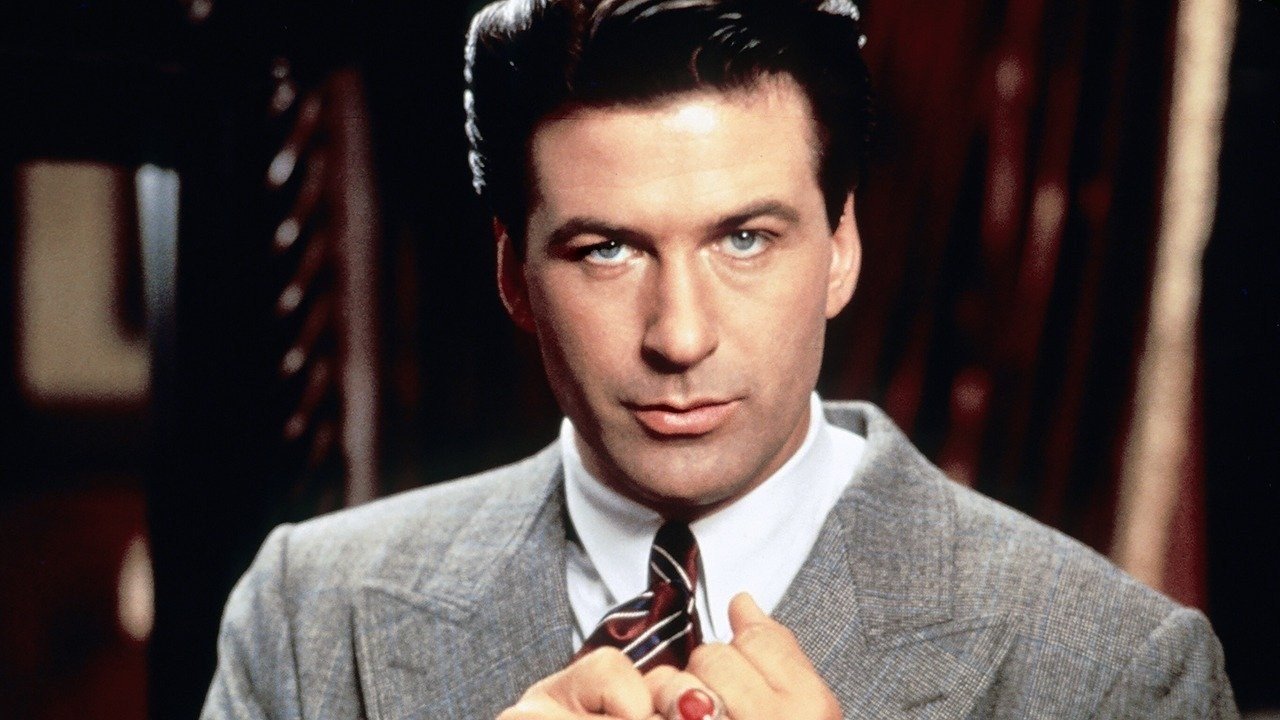
VHS Heaven Rating: 7/10
Justification: The Shadow earns a solid 7 for its absolutely stunning visual style, incredible production design, Jerry Goldsmith's fantastic score, and John Lone's memorable villain. It successfully captures the pulp spirit and offers genuine moments of atmospheric cool. Points are deducted for uneven pacing, a script that sometimes prioritizes style over narrative cohesion, and a central performance from Baldwin that feels slightly less transformative than the role demands. However, its ambition and visual feast make it a worthy revisit.
Final Thought: Slip this one back into your metaphorical VCR when you crave a dose of pure, unadulterated 1930s pulp filtered through a distinctly 90s lens – the cinematic equivalent of a lavishly illustrated, slightly dog-eared adventure magazine found hidden in the attic. The Shadow still knows how to make an entrance.