Some films arrive draped in shadow, their creation intertwined with stories almost as dark as the narratives they spin. Alex Proyas's The Crow (1994) is undeniably one of them. It doesn't just depict grief and vengeance; it feels steeped in them, a rain-soaked, eternally nighttime vision of loss that chills long after the VCR whirs to a stop. Watching it again now, decades removed from its initial release, that sense of melancholy hasn't faded. If anything, it feels heavier, freighted with the impossible weight of what happened behind the camera.

Can't Rain All the Time
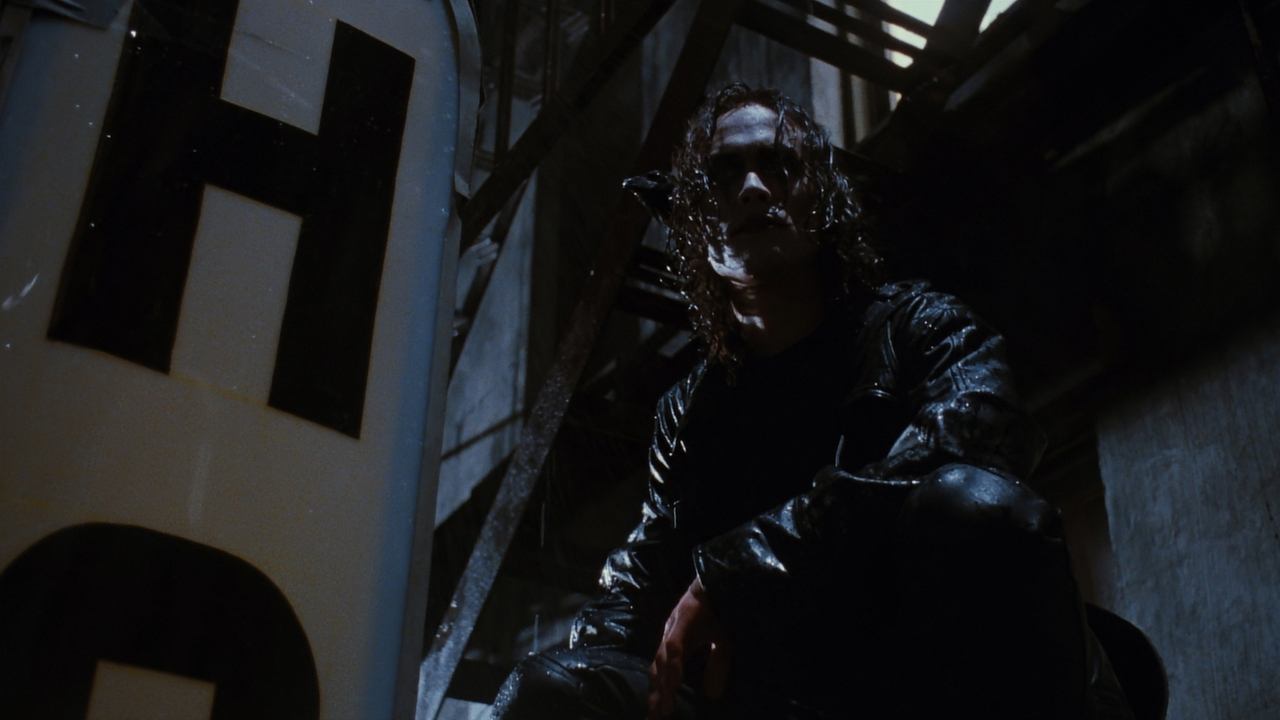
From the opening moments, The Crow plunges you into a stylized urban nightmare. Detroit, on the night before Halloween ("Devil's Night"), is a gothic hellscape of perpetual rain, flickering neon, and crumbling industrial decay. This isn't realism; it's operatic despair rendered visual. Proyas, who would later give us the similarly atmospheric Dark City (1998), establishes a mood so thick you could practically choke on it. The production design is extraordinary, crafting a city that feels both timelessly mythic and specifically like a dark reflection of early 90s grunge and disillusionment. Remember seeing those sprawling, rain-slicked cityscapes on a CRT? They felt vast and inescapable, perfectly mirroring the protagonist's trapped state between life and death.
The plot, drawn from James O'Barr's intensely personal underground comic (itself born from O'Barr's own tragic loss), is starkly simple: Musician Eric Draven and his fiancée Shelly Webster are brutally murdered by a gang. One year later, guided by a mystical crow, Eric claws his way back from the grave, imbued with supernatural strength and regenerative abilities, to exact vengeance on those who destroyed his life. It's a primal revenge fantasy, but elevated by its potent emotional core and haunting aesthetic.

A Star Extinguished Too Soon
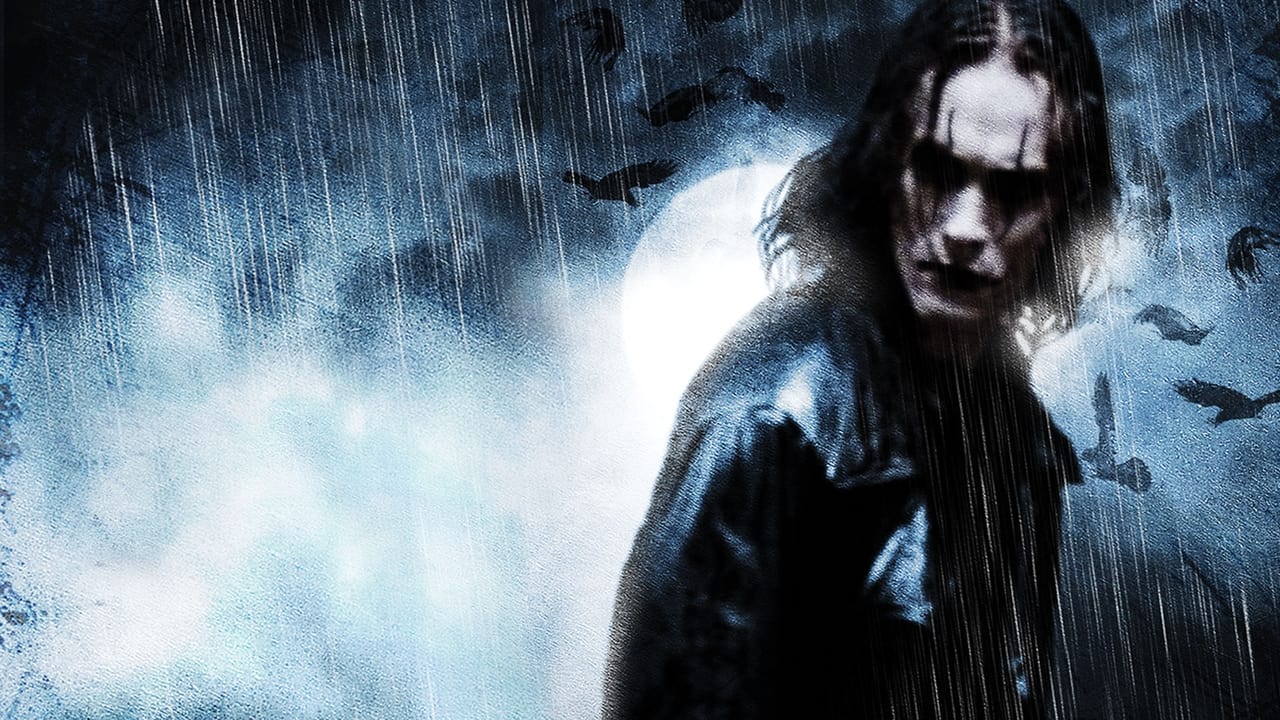
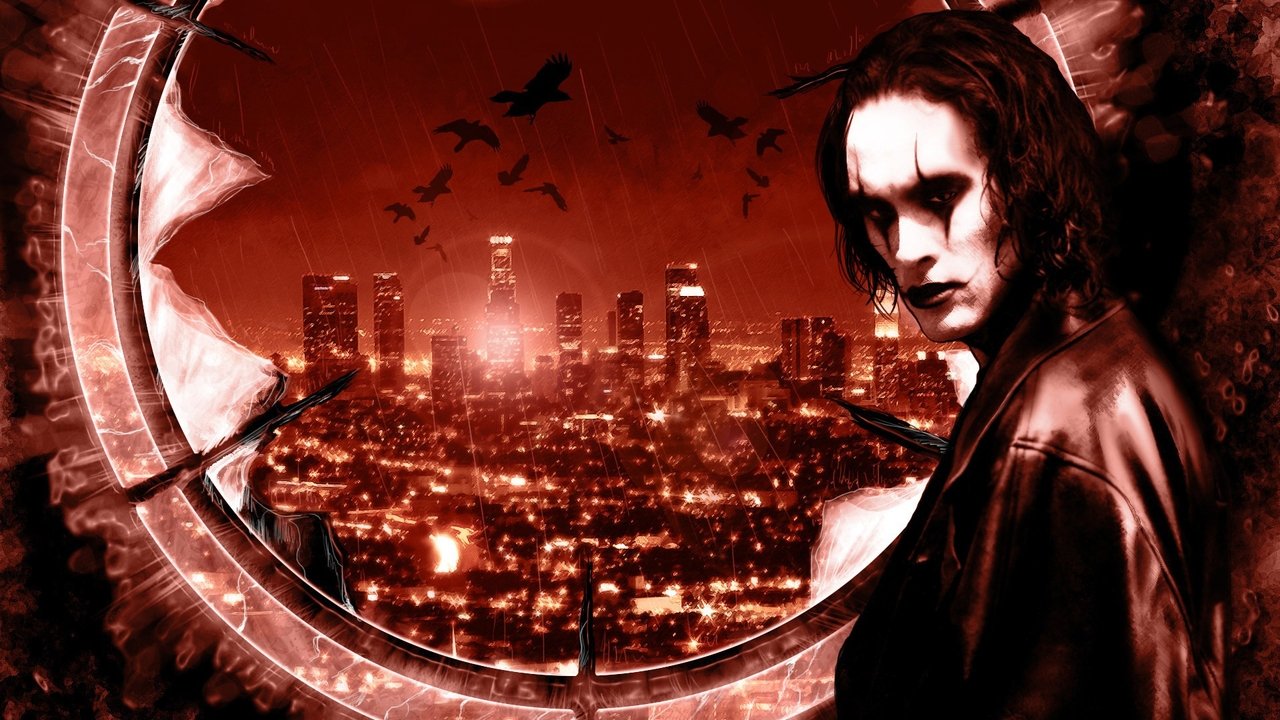
At the heart of it all is Brandon Lee. His performance as Eric Draven isn't just iconic; it's heartbreakingly vital. He embodies the character's pain, rage, and lingering tenderness with a physicality and charisma that leaps off the screen. There's a dancer's grace in his movements, even amidst the brutal violence, and a profound sadness in his eyes beneath the stark, pierrot-like makeup. He makes Eric more than just an undead avenger; he's a walking wound, a physical manifestation of grief given form.
The tragic irony, of course, is inescapable. Lee's accidental death on set due to a tragically mishandled prop gun during the filming of Eric's own murder scene casts an almost unbearable pall over the film. It's a "dark legend" that isn't legend at all, but a devastating reality. Knowing this, certain lines ("Can't rain all the time," "Victims... aren't we all?") land with an unintended, crushing weight. The filmmakers faced an agonizing decision – abandon the project or finish it as a tribute. Using a combination of Lee's remaining footage, skilled stunt doubles (Chad Stahelski, later director of the John Wick films, was a key double), and then-groundbreaking digital compositing to place Lee's face onto doubles for a few crucial shots, they managed to complete the film. The reported $8 million insurance claim payout helped fund these complex effects, a necessity born from tragedy. Does knowing how they meticulously pieced his performance back together add another layer of ghostliness to the viewing?
Rogues Gallery and Bleak Beauty
The supporting cast fills out this decaying world effectively. Ernie Hudson provides the film's conscience as Sergeant Albrecht, the weary cop who forms an unlikely bond with Draven. He brings a grounded humanity that anchors the more fantastical elements. And then there are the villains, led by the charismatic yet utterly vile Top Dollar, played with reptilian relish by Michael Wincott. His gravelly voice and languid menace make him a perfectly hateable antagonist, embodying the city's nihilistic decay. His lieutenants – Tin Tin, Funboy, T-Bird, Skank – are memorable archetypes of urban menace, each dispatched by Draven in grimly poetic ways.
The film's visual poetry is amplified by Graeme Revell's haunting score, a blend of orchestral sorrow and industrial grit. But just as crucial is the legendary soundtrack album – a snapshot of mid-90s alternative and gothic rock featuring Nine Inch Nails, The Cure, Stone Temple Pilots, Rage Against the Machine, and more. It wasn't just music in the film; it was the film's atmosphere translated to audio, a tape many of us probably wore out in our cars or Walkmans. The blending of sound and image here is masterful, creating a complete sensory experience of stylish darkness.
Legacy in Monochrome
The Crow arrived like a bolt from the black. Against its reported $23 million budget, it became a surprise hit, grossing over $50 million domestically ($94 million worldwide) and resonating deeply with a generation drawn to its gothic romance, stylized action, and dark R-rated sensibility. It tapped into a vein of melancholy cool that felt distinct in the cinematic landscape of 1994. Its influence can be seen in subsequent dark fantasy and comic book adaptations, particularly in its visual approach and blending of genres. While the sequels and spin-offs that followed never captured the original's magic (often feeling like pale imitations), they speak to the enduring power of this first film.
Watching it today, some elements might feel overtly '90s,' but the core emotional power and the sheer artistry of its bleak world-building remain potent. It's a film forever shadowed by tragedy, yet it stands as a testament to Brandon Lee's luminous talent and Alex Proyas' singular vision. It captured lightning – or perhaps more fittingly, darkness – in a bottle.
Rating: 9/10
This score reflects the film's stunning visual artistry, Brandon Lee's unforgettable performance, its powerful emotional core, and its lasting cultural impact within the gothic/action genre. The atmosphere is practically unparalleled, and the soundtrack remains iconic. While inextricably linked to tragedy, the final product is a masterclass in tone and style, overcoming unimaginable circumstances to deliver a dark, beautiful, and enduring piece of cinema. It remains a haunting experience, a true standout from the VHS era that still feels deeply relevant in its exploration of love, loss, and righteous fury.