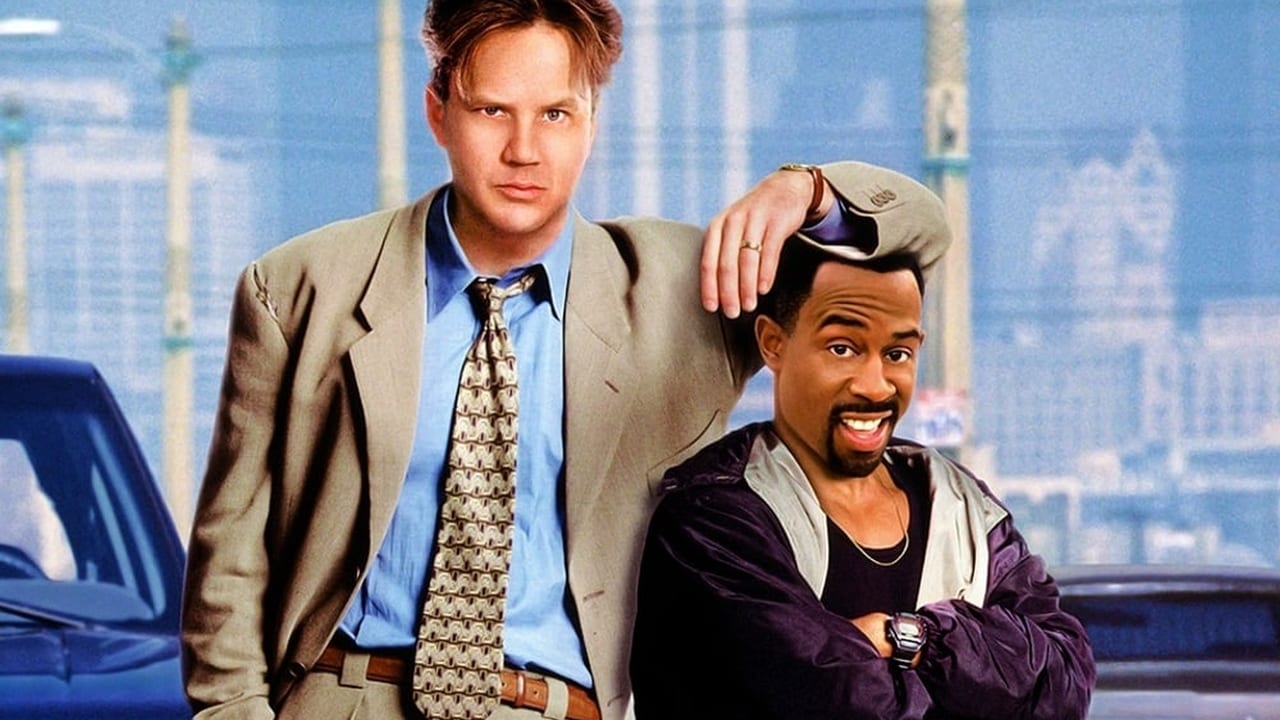
Okay, rewind time. Picture this: it’s Friday night, you’re scanning the New Releases wall at Blockbuster (or maybe Hollywood Video, depending on your allegiance), and the cover art for Nothing to Lose catches your eye. Tim Robbins, fresh off serious acclaim but known for quirky roles too, paired with peak 90s comedy supernova Martin Lawrence? The premise alone – uptight ad exec snaps after thinking he caught his wife cheating, only to get carjacked by a down-on-his-luck hustler – felt like pure, unadulterated late-90s comedic gold waiting to happen. And you know what? It mostly delivered.
### When Rock Bottom Gets Complicated
The setup for Nothing to Lose is wonderfully simple yet effective for its time. Nick Beam (Tim Robbins) believes his perfect life has imploded in spectacular fashion. Driving aimlessly in shock, he encounters T. Paul (Martin Lawrence), a would-be carjacker who picked absolutely the wrong guy on the wrong day. What follows is less a straightforward crime and more an unhinged road trip fueled by despair, desperation, and surprisingly potent odd-couple chemistry. This wasn't just another mismatched buddy comedy; there was a frantic, almost existential energy simmering beneath the gags, driven by Nick’s genuine belief that he had, well, nothing left to lose.
Writer-director Steve Oedekerk, who comedy fans might know better from his work on In Living Color or directing Ace Ventura: When Nature Calls (1995), crafted a script that cleverly balanced laugh-out-loud moments with a thread of genuine human connection (and maybe a touch of social commentary, if you squinted). It’s a testament to Oedekerk’s vision, juggling both writing and directing duties, that the film maintains its momentum. Apparently, the original script had a much darker tone, but it was significantly lightened to better suit the comedic talents of its leads – a smart move that likely contributed to its audience appeal, even if it made the tonal shifts feel a bit abrupt sometimes. It ended up pulling in around $44.5 million at the box office against a $25 million budget; not a world-beater, but definitely finding its audience on home video later.
### The Lawrence & Robbins Show
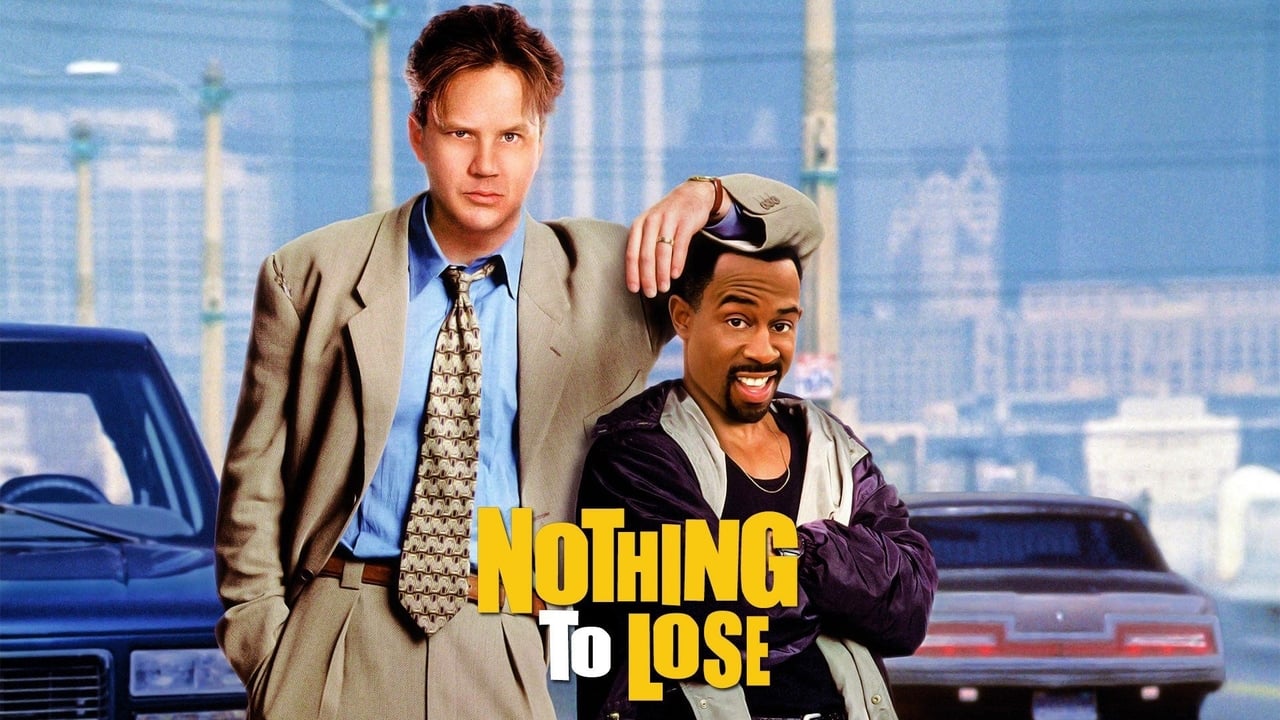
Let’s be honest, the engine driving this whole crazy ride is the dynamic between Lawrence and Robbins. Martin Lawrence, riding high from his sitcom Martin and films like Bad Boys (1995), brings his signature manic energy and rapid-fire delivery. He’s not just playing the stereotype; T. Paul has moments of vulnerability and street-smart ingenuity that Lawrence sells beautifully. Remember his desperate attempts to teach Nick how to properly intimidate someone? Pure comedic friction.
Then you have Tim Robbins, often known for more dramatic fare like The Shawshank Redemption (1994) or satirical work like Bob Roberts (1992). Here, he leans into the absurdity, playing Nick’s unraveling with a hilarious deadpan intensity that gradually gives way to chaotic liberation. The scene where Nick, utterly broken, starts dancing wildly in the middle of the Arizona desert to Naughty by Nature’s "OPP" after T. Paul puts it on the radio? It’s a perfect encapsulation of the film's bizarre charm and Robbins' commitment to the character's breakdown. The chemistry between them feels genuine; you believe these two wildly different individuals could actually forge a strange, reluctant bond under these extreme circumstances.
### More Than Just Two Guys in a Car
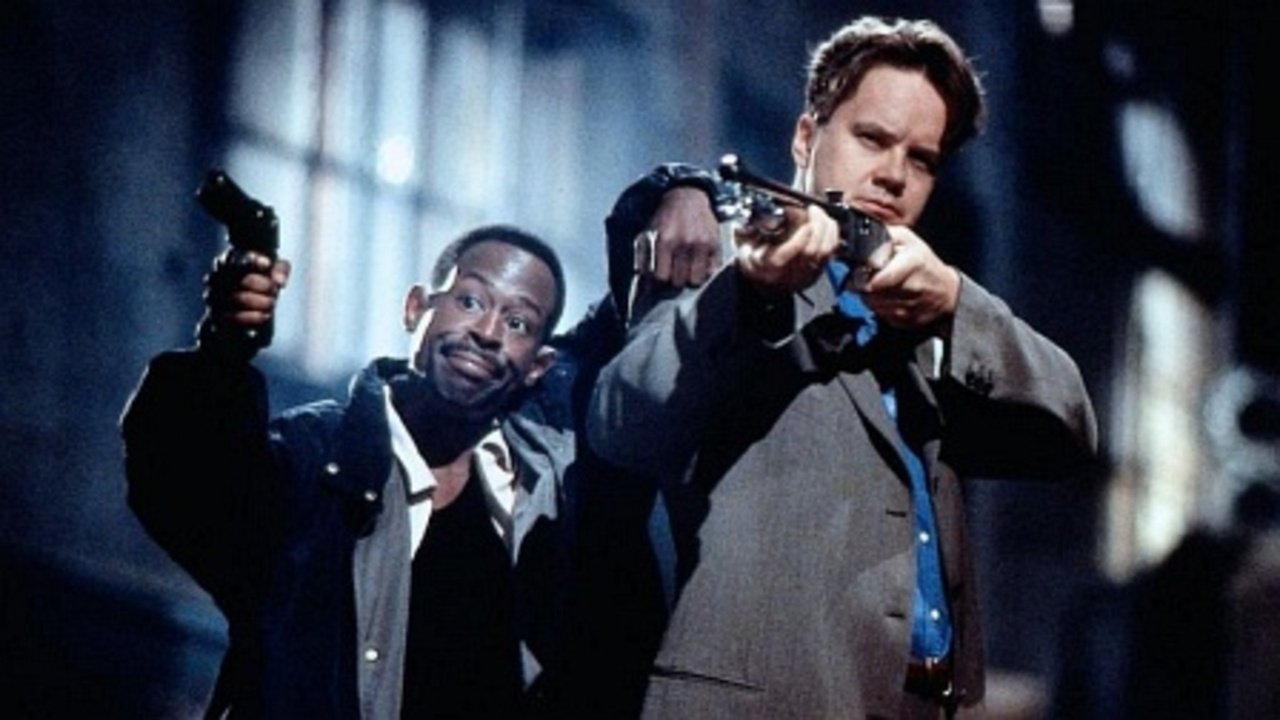
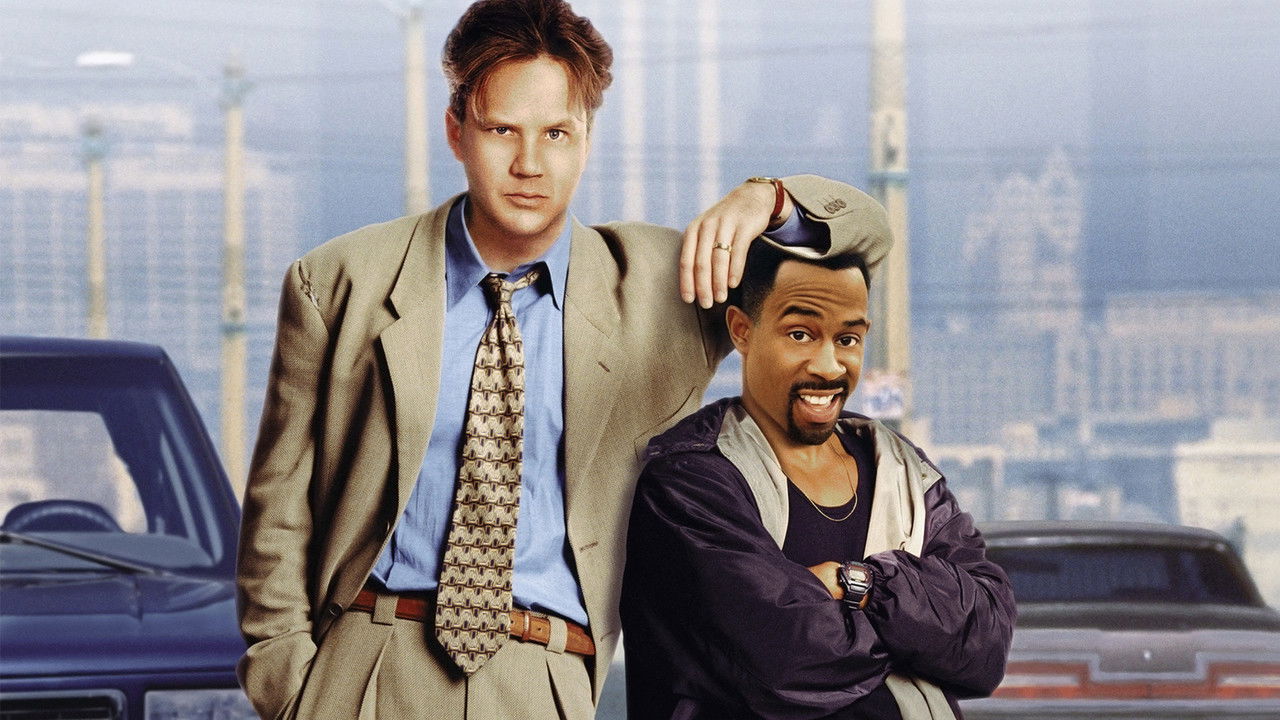
While the central duo carries the film, the supporting cast adds some memorable spice. John C. McGinley pops up as Davis "Rig" Lanlow, a menacing security expert who becomes an unlikely antagonist. McGinley, who we loved as the abrasive Dr. Cox in Scrubs later on, brings a quirky intensity that fits the film's slightly off-kilter world. And keep an eye out for Giancarlo Esposito (yes, Gus Fring from Breaking Bad!) as Charlie Dunt, another criminal element they encounter. It’s fun seeing these familiar faces in earlier, sometimes broader, roles.
The film throws Nick and T. Paul into increasingly ridiculous situations – from the infamous "spider on the face" interrogation tactic (was that scene more funny or disturbing back then? Discuss!) to a botched office heist that feels ripped straight from a slightly more grounded caper flick. Oedekerk keeps the pace brisk, moving from one set piece to the next without much downtime. The humour often comes from the clash of worlds – Nick’s corporate stiffness versus T. Paul’s street hustle – and the dialogue crackles with quotable lines that probably got thrown around a lot after renting this tape. I distinctly remember rewinding the scene where T. Paul tries to explain the nuances of "hollering" versus "talking."
### That Late-90s Vibe
Watching Nothing to Lose today is like opening a time capsule to 1997. The fashion, the cars, the pre-cell phone plot conveniences (imagine how quickly Nick could have cleared things up with a simple text!). It captures that specific flavour of late-90s studio comedy – high concept, star-driven, blending broad laughs with moments that aim for something a bit more heartfelt, even if they don’t always perfectly land. It doesn’t rely on heavy practical effects like an action film, but the pacing and the escalating stakes give it a certain kinetic energy that feels very much of its time, before comedies became overly reliant on gross-out humour or improvised riffing.
It wasn’t exactly lauded by critics upon release, often dismissed as formulaic, but audiences found something genuinely enjoyable in the mix. It’s the kind of movie that became a reliable weekend rental, something you could pop in the VCR and know you’d get some solid laughs and a reasonably satisfying story arc.
---

Rating: 7/10
Justification: Nothing to Lose earns its score primarily through the fantastic chemistry and comedic timing of Martin Lawrence and Tim Robbins. They elevate a somewhat predictable premise into genuinely funny territory. While the plot has its convenient turns and the tone can wobble occasionally, Steve Oedekerk's direction keeps things moving, delivering memorable scenes and quotable lines. It’s a solid, entertaining example of late-90s studio comedy that holds up as a fun, nostalgic watch.
Final Thought: It might not have reinvented the wheel, but Nothing to Lose proved that sometimes, all you need is two great actors sparking off each other in a car, heading towards comedic chaos – a formula the VHS era absolutely perfected.