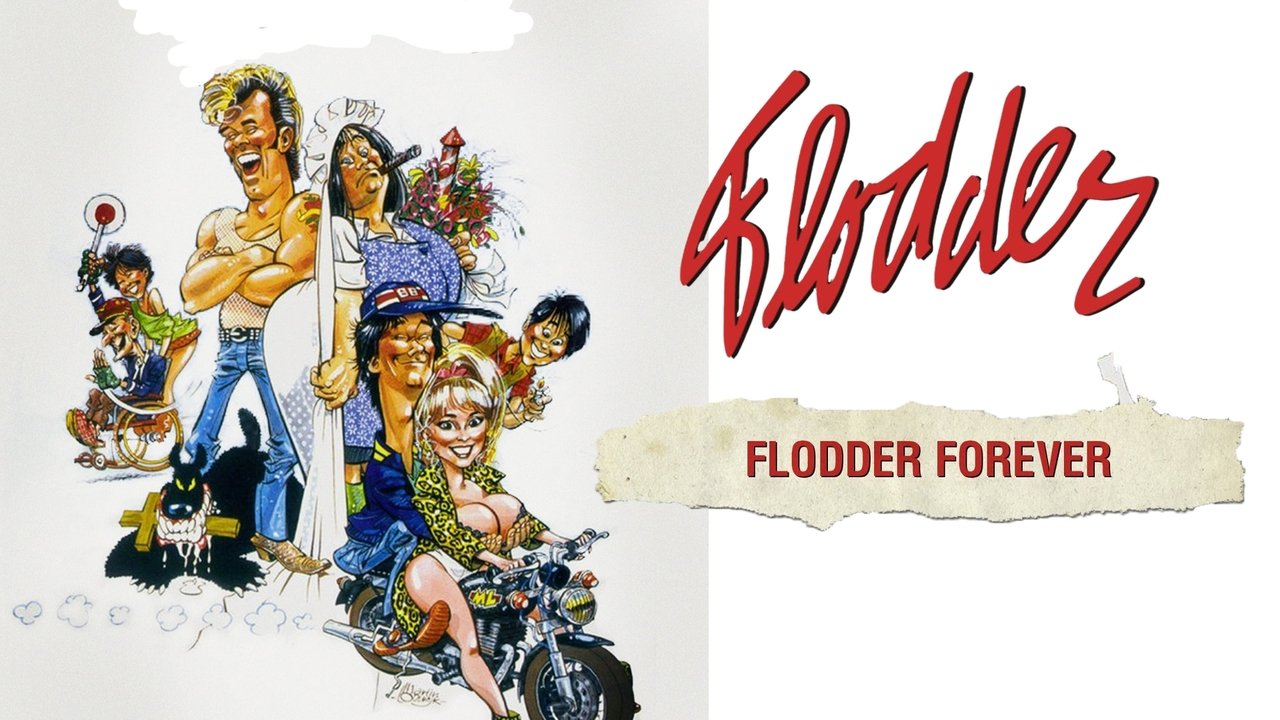
Alright, settle in, grab your beverage of choice – maybe something cheap in a can, in the spirit of things – and let’s talk about a VHS tape that likely saw heavy rotation in certain circles back in the day. I’m talking about the glorious, unapologetic chaos of Flodder 3 (1995), sometimes known internationally, perhaps optimistically, as Flodder Forever. If you stumbled across this box in the video store, perhaps slightly sticky, maybe with a crudely drawn addition to Ma Flodder’s cigarette, you knew you weren’t in for high art. You were in for the Flodders. And sometimes, that’s exactly what you needed.
This wasn’t just another sequel; arriving after the original Flodder (1986) and Flodder in Amerika! (1992), Flodder 3 landed after the family had already stormed Dutch television screens in their hugely popular sitcom (1993-1998). This film felt like a victory lap for that TV cast, bringing the familiar faces of Nelly Frijda (the incomparable Ma), Coen van Vrijberghe de Coningh (the swaggering Johnnie), and Stefan de Walle (the lovably dopey Kees) back to the big screen, solidifying their take on characters originally played by others in the first two films. It felt less like a movie sequel and more like a super-sized episode of the show, bursting with the low-brow energy we’d come to expect.
### Zonnedael Braces for Impact (Again)
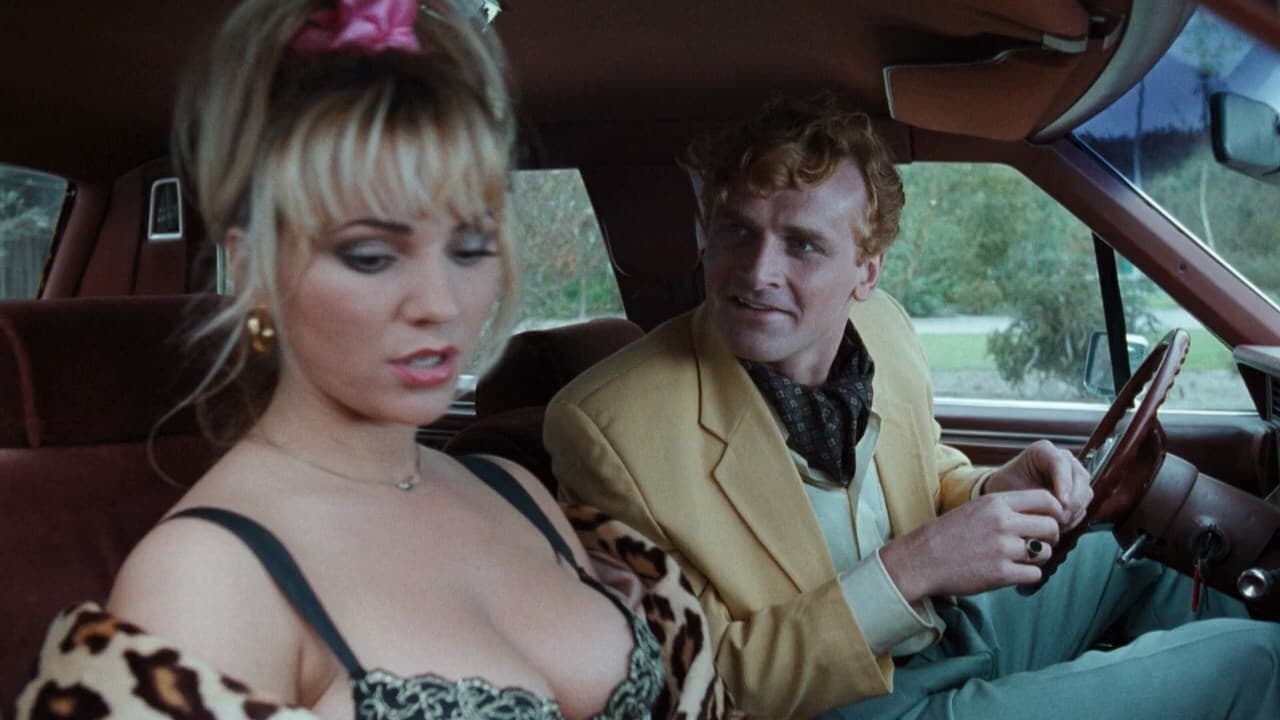
The premise is classic Flodder: the ridiculously posh neighbourhood of Zonnedael is celebrating its 25th anniversary, and guess who remains the festering boil on its pristine posterior? Our favourite anti-social family, of course. Plans for parades, celebrations, and general upper-class smugness are inevitably derailed by the Flodders’ unique brand of unintentional (and sometimes very intentional) mayhem. Ma Flodder navigates potential romance, Kees attempts the impossible task of getting driving lessons from Johnnie, daughter Kees (Tatjana Šimić) continues to weaponize her sexuality, and the younger kids... well, they engage in general background anarchy.
Director and creator Dick Maas, a man who gave us very different Dutch genre classics like the canal-chase thrills of Amsterdamned (1988) and the killer-elevator chills of De Lift (1983), clearly understands the assignment here. Forget subtlety; Flodder 3 operates on pure, unadulterated slapstick and social satire delivered with the grace of a dropped fridge. Maas leans into the formula established by the series – vignettes of chaos loosely strung together – rather than attempting the more structured narrative of the first film. Some critics at the time felt it was just TV episodes stitched together, and honestly? They weren't entirely wrong. But for fans popping this tape in, that familiarity was likely part of the appeal.
### The TV Crew Takes Center Stage
While the original film actors Huub Stapel and René van 't Hof certainly made their mark, the trio headlining Flodder 3 had undeniable chemistry honed over dozens of TV episodes. Nelly Frijda is Ma Flodder – stoic, cigar-chomping, perpetually unimpressed, the eye of the hurricane. Her performance is a masterclass in understated vulgarity. Coen van Vrijberghe de Coningh brought a different, perhaps slightly sleazier but equally charismatic energy to Johnnie compared to Stapel, nailing the petty scheming and misplaced confidence. Stefan de Walle’s Kees is arguably more sympathetic and goofy than Van 't Hof's portrayal, leaning into the character's dim-witted innocence. Watching them bounce off each other, you feel the ease of performers who know these characters inside out.
Tragically, this film marks one of the last major appearances for Coen van Vrijberghe de Coningh, who passed away suddenly in 1997 during the TV show's run. Watching Flodder 3 now carries a poignant undertone, knowing his vibrant, loutish portrayal of Johnnie would soon be silenced. It adds an unexpected layer to the otherwise relentless barrage of gags.
### Practical Gags and Glorious Bad Taste
Forget intricate CGI; the humour here is resolutely practical, physical, and often breathtakingly crude. This is comedy where misunderstandings lead to property damage, bodily fluids are a recurring punchline, and class conflict is resolved with cartoonish violence or public humiliation. Remember how tangible those gags felt? The timing of a perfectly executed pratfall, the sheer audacity of setting up elaborate Rube Goldberg machines of disaster – it all felt grounded in a way, even at its most absurd. This wasn't slick, polished Hollywood comedy; it was messy, loud, and proudly Dutch.
The film was made for around 7 million Dutch Guilders (roughly €3.2 million then, maybe around €5-6 million today adjusted for inflation) and pulled in a very healthy 11.5 million Guilders (€5.2 million approx.) at the Dutch box office. It proved the Flodder phenomenon, fueled by the TV show, was still incredibly potent, even if international audiences might have been utterly baffled by its specific brand of humour. It’s a testament to how the Flodders tapped into a particular vein of Dutch culture – a gleeful skewering of snobbery mixed with an affection for the uncouth underdogs.
### Still Worth Ejecting the Tape For?
So, does Flodder 3 hold up? Well, "holding up" isn't really the point of a Flodder movie. It's a time capsule of late 20th-century Dutch popular comedy – broad, unsubtle, and often hilariously offensive by today's standards. If you grew up with it, the nostalgia factor is immense. You’ll likely chuckle at the familiar scenarios and the sheer nerve of it all. If you're coming to it fresh? Prepare for culture shock, but maybe you'll appreciate the anarchic spirit and the commitment to its own peculiar world. It lacks the tighter narrative and slightly sharper satire of the original film, feeling more episodic and reliant on established character dynamics. But as a representation of the Flodders at the peak of their TV-fueled fame, it absolutely delivers the goods – or perhaps, the garbage.
Rating: 6/10
Justification: While undeniably crude and feeling more like strung-together TV episodes than a cohesive film, Flodder 3 delivers exactly what fans expected: chaotic slapstick, committed performances from the beloved TV cast (especially the irreplaceable Nelly Frijda and the late Coen van Vrijberghe de Coningh), and that specific brand of Dutch anti-establishment humour. It's not high art, or even the best Flodder outing, but it's a successful translation of the TV show's energy back to the big screen and a significant slice of 90s Dutch pop culture. The nostalgia factor bumps it up, but the episodic structure and reliance on gross-out gags keep it from reaching higher.
Final Thought: Flodder 3 is like finding that worn-out party tape from years ago – maybe not sophisticated, definitely a bit embarrassing in places, but guaranteed to bring back memories of a time when comedy could be gloriously, unapologetically messy. Just maybe wash your hands after handling the box.