Okay, slide that tape into the VCR, ignore the slightly fuzzy tracking lines for a sec, and let’s talk about 1990’s Air America. Remember this one? Tucked away on the rental shelves, often nestled between the hardcore action flicks and the broader comedies, it promised a buddy dynamic with Mel Gibson at his peak swagger and a young, electric Robert Downey Jr., all set against the backdrop of the Vietnam War’s secret sideshow in Laos. It hinted at something dangerous and maybe a little illicit, wrapped in Hollywood gloss.
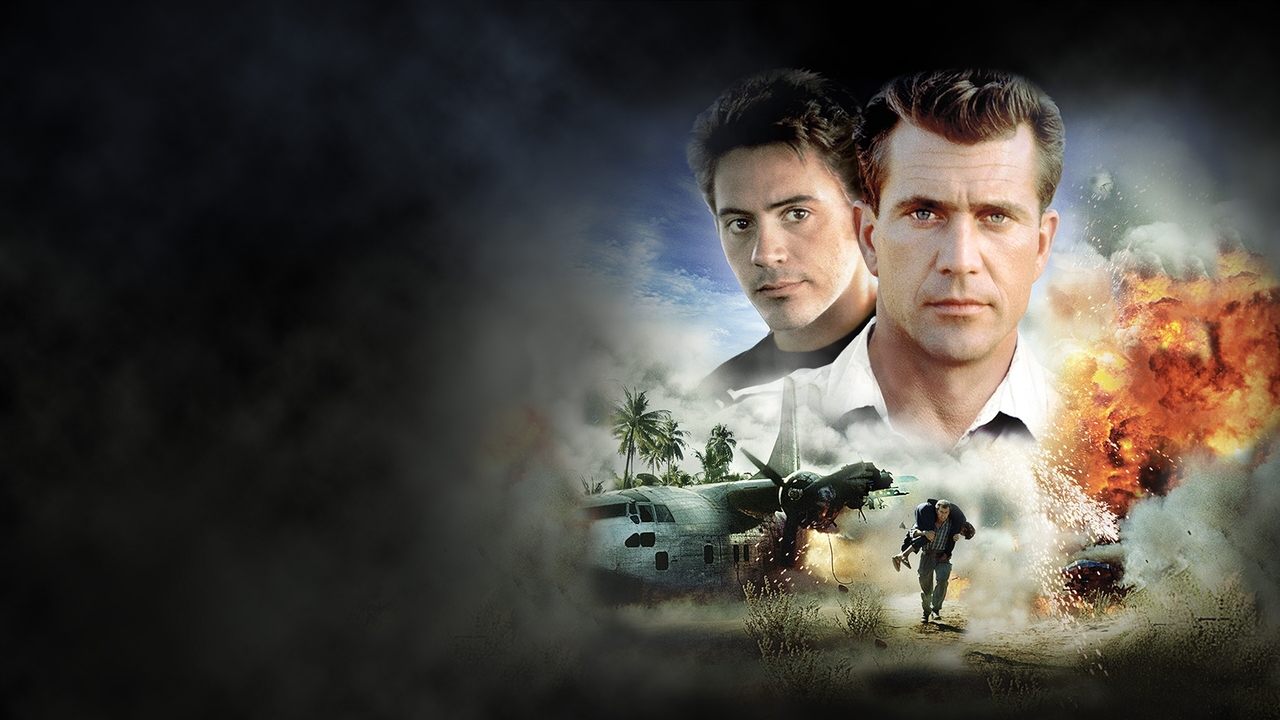
Before the internet readily exposed every shady government dealing, Christopher Robbins' 1978 non-fiction book Air America detailed the CIA's privately owned airline running missions (and allegedly, drugs) in Laos during the Vietnam War. This film, directed by Roger Spottiswoode (who knew his way around action and comedy, having helmed Turner & Hooch and later the Bond flick Tomorrow Never Dies), took that potentially explosive premise and turned it into a star vehicle that often feels like Lethal Weapon meets MASH*, but in the air.
### Jungle Pilots and Star Power
The setup is classic: Billy Covington (Robert Downey Jr.), a talented but reckless LA traffic pilot, loses his license and gets an offer he can’t really refuse – fly questionable cargo for a clandestine airline in Laos. He’s the wide-eyed newcomer thrown into a world of morally ambiguous veterans, chief among them Gene Ryack (Mel Gibson), the cynical, seen-it-all pilot who knows the score and maybe runs a few side hustles involving Kalashnikovs.
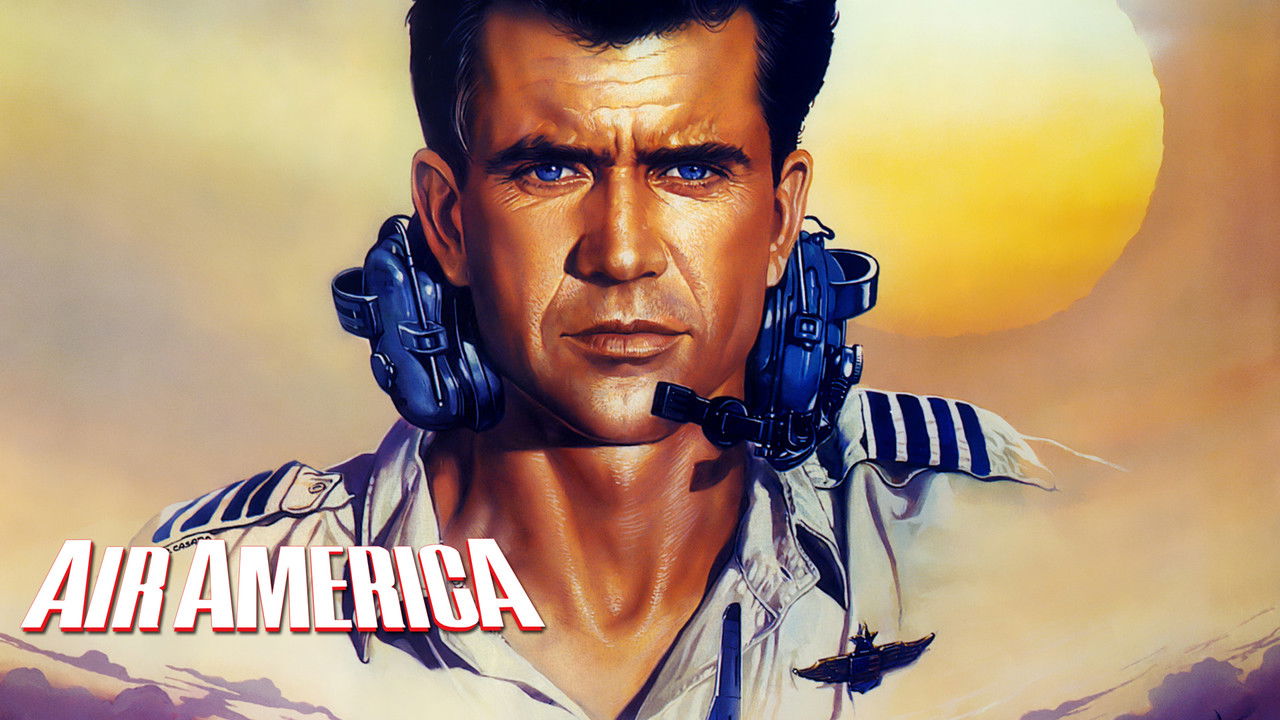
Gibson, fresh off Lethal Weapon 2, oozes that slightly dangerous charm he perfected in the 80s and early 90s. He’s effortlessly cool, even when navigating treacherous airstrips or double-dealing arms smugglers. Downey Jr., meanwhile, showcases the raw, jittery energy that would later define his career comeback. Their chemistry is the engine of the film; the banter feels mostly sharp, capturing that cynical camaraderie forged in crazy circumstances. It’s fascinating to see them share the screen here, knowing the different paths their careers would take. Adding solid support is Nancy Travis as Corinne Landroaux, a humanitarian worker who represents the film's conscience, though her character sometimes feels a bit sidelined by the flyboy antics.
### Real Planes, Real Danger
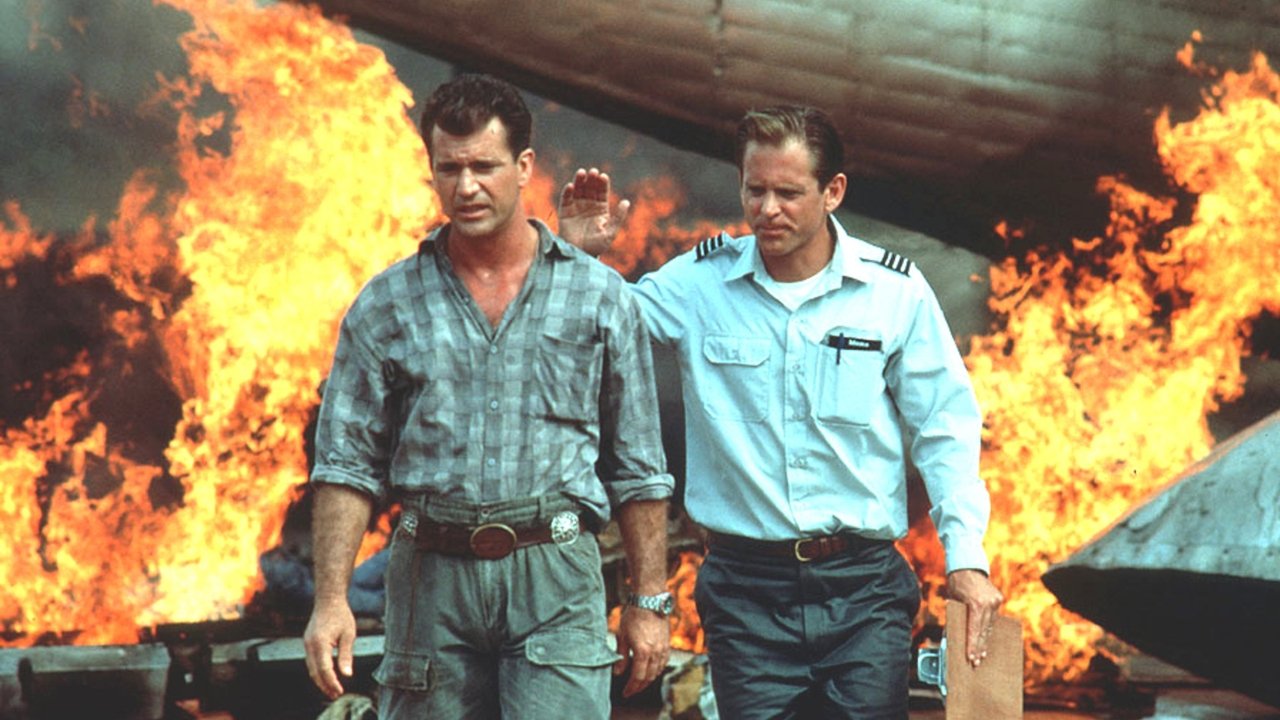
Let's talk about what really made this pop on a CRT screen back in the day: the flying. In an era before CGI rendered aerial action smooth and, let's be honest, sometimes a bit weightless, Air America delivered some genuinely thrilling sequences using real planes doing real things. Remember those C-123 Provider cargo planes lumbering through misty valleys or executing hairy landings on makeshift dirt strips? That felt tangible, heavy, and precarious. Spottiswoode and his team captured the sheer gutsiness of piloting these beasts in unpredictable conditions.
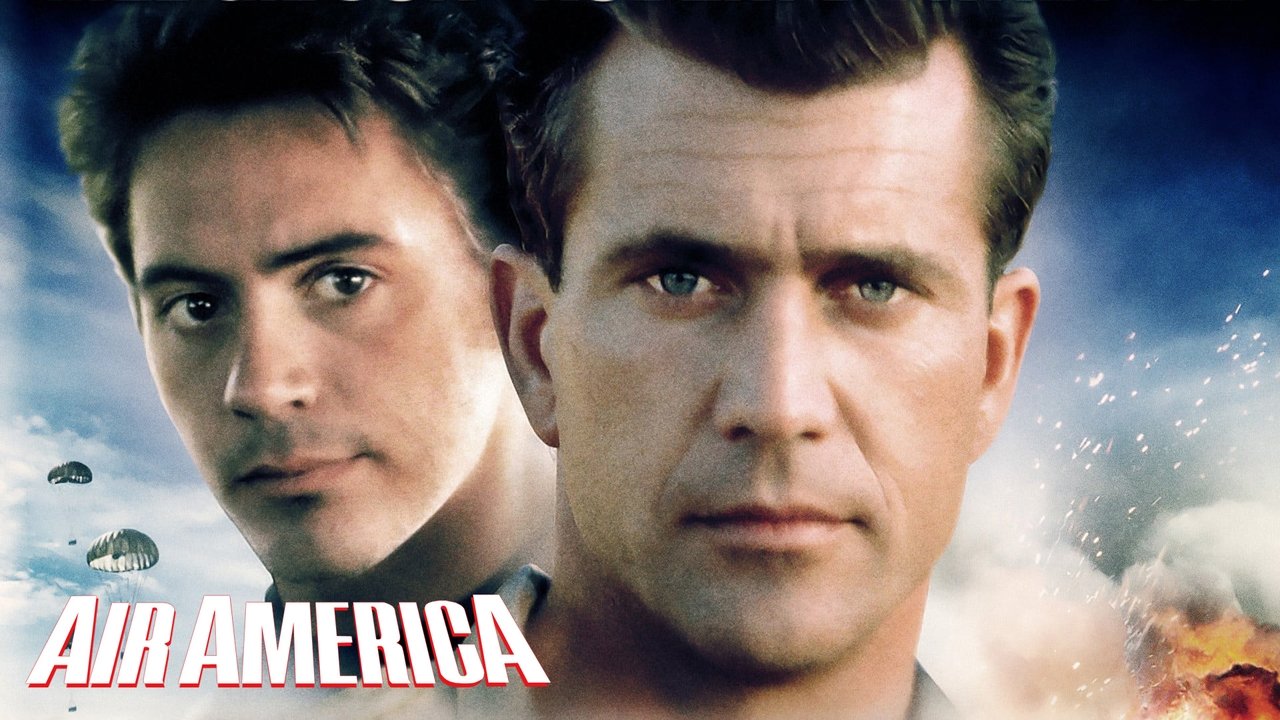
There’s a visceral quality to the action here. When a plane gets shot at, you see the actual damage, the sparks fly (practical pyrotechnics!), and you feel the jolt. One particularly memorable sequence involves a desperate attempt to lift off from a dangerously short runway. You could almost smell the burning fuel and feel the strain on the airframe. This commitment to practical effects gives the film a gritty authenticity that often gets lost in modern blockbusters. Filming primarily in Thailand, standing in for Laos, provided the stunning jungle vistas but also presented significant challenges, battling weather and navigating tricky locations far from studio comforts – challenges that arguably contribute to the film’s slightly rough-around-the-edges, grounded feel.
### A Balancing Act: Comedy and Conflict
Where Air America sometimes wobbles is in its tonal balance. It’s trying to be a breezy action-comedy while also acknowledging the grim realities of war, CIA black ops, and the heroin trade that flourished in the Golden Triangle. Some critics at the time felt it trivialized the serious subject matter of the book and the real history, and you can see their point. The film often leans into the absurdity – incompetent military brass, wacky pilots, slapstick moments – sometimes undercutting the darker implications of what Air America was actually involved in. It’s a product of its time, wanting the anti-establishment edge but also needing to deliver a crowd-pleasing adventure starring two major Hollywood names.
Did it entirely succeed? Commercially, it performed okay – pulling in around $58 million worldwide on a reported $35 million budget, respectable but not a runaway hit. Critically, it was met with mixed reviews, precisely because of that tonal tightrope walk. It wasn't quite funny enough for a pure comedy, nor quite serious enough to be a biting satire.
### The Verdict on This VHS Cargo
Watching Air America today is a fascinating time capsule experience. The central performances from Gibson and Downey Jr. remain incredibly watchable, full of charisma and nascent talent. The practical stunt work, especially the aerial sequences, holds up remarkably well, offering a jolt of old-school filmmaking adrenaline that’s hard to replicate. The plot meanders a bit, and the blend of goofy humor and serious themes doesn't always land perfectly.
But there’s an undeniable charm to its ambition and its execution within the constraints of early 90s action filmmaking. It feels like a movie made by people, with real planes flown by skilled pilots pushing the limits, capturing a sense of analog danger.
Rating: 6.5/10
Justification: The star power is undeniable, and the practical flight sequences are genuinely impressive and worth seeing. However, the uneven tone and occasionally flimsy plot keep it from being a true classic. It's a solid, entertaining rental from the era, but doesn't quite stick the landing on its more serious ambitions.
Final Take: Air America is like finding that slightly battered but still playable tape at the back of the shelf – a reminder of when Hollywood could pair massive stars with a risky premise and rely on sheer nerve and practical effects to get airborne, even if the flight path got a little turbulent. Worth spinning up for the leads and the real-deal flying.