There’s a certain kind of ache that settles in when you think about summers past, about friendships that felt forged in iron but were tested by the inevitable tides of time. Few films capture that specific, bittersweet melancholy quite like John Milius’s sprawling surf epic, Big Wednesday (1978). It might pre-date our usual 80s hunting ground by a couple of years, but trust me, this movie was a staple on rental shelves throughout the decade, its sun-bleached cover art promising epic waves and an escape into a California dream that felt both timeless and poignantly lost.
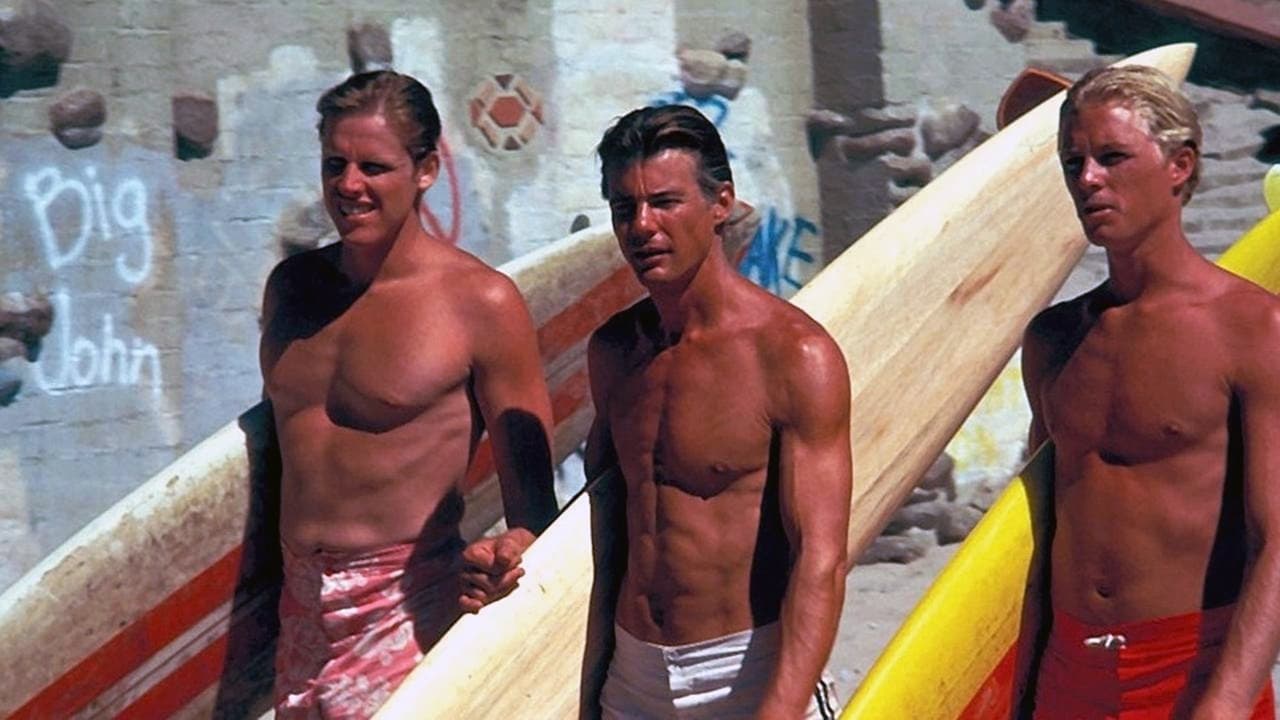
For many of us who found it nestled between the action flicks and horror gems at the local video store, Big Wednesday offered something different. It wasn't just about catching the perfect wave; it was about the lives lived between those moments, charting the journey of three friends – Matt Johnson (Jan-Michael Vincent), Jack Barlowe (William Katt), and Leroy "The Masochist" Smith (Gary Busey) – across twelve turbulent years, from the seemingly endless summer of 1962 to the changed landscape of 1974.
The Endless Summer Meets The Weight of the World
Directed and co-written by the famously robust John Milius (the man who penned Apocalypse Now (1979) and later directed Conan the Barbarian (1982) and Red Dawn (1984)), Big Wednesday feels intensely personal, steeped in his own experiences growing up in the California surf culture. You sense his affection for this world, for the rituals, the camaraderie, and the near-mythical status of legendary surfers. Milius wasn’t just telling a story; he was preserving a specific time and place, a vanishing Eden threatened by draft notices, responsibility, and the simple, unavoidable fact that people grow up.
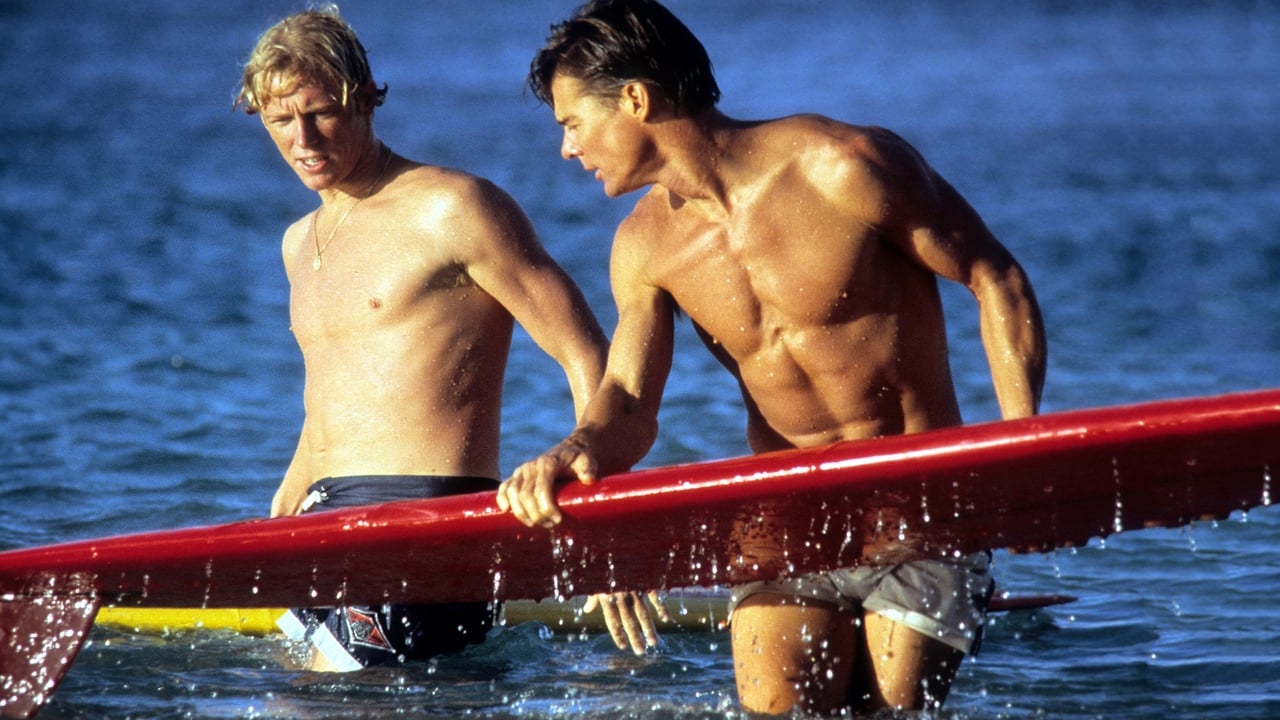
The film’s structure, punctuated by specific years, allows us to witness this transition. We see the early days of carefree beach parties and local surf contests, the youthful arrogance and the seemingly unbreakable bonds. Then comes the intrusion of the Vietnam War, a shadow looming over their paradise. Jack chooses to enlist, Leroy dodges, and Matt, the local legend wrestling with his own burgeoning fame and recklessness, finds his path diverging. It's a narrative that mirrors the experiences of a generation, adding unexpected weight to what could have been just another beach movie.
Capturing Lightning (and Waves) in a Bottle
Let’s talk about the surfing. Oh, the surfing! Long before CGI could conjure digital perfection, Milius and his crew went to extraordinary lengths to capture the raw power and beauty of the ocean. Filming took place across California, Hawaii, and even El Salvador to find waves worthy of the film’s legendary "Great Swell of '74". They employed innovative water housing for the Panavision cameras, designed to get viewers right into the curl alongside the surfers. Milius even cast real-life surf legends like Gerry Lopez in supporting roles (Lopez plays himself, essentially), adding a layer of authenticity that still resonates. Watching those sequences today, especially the climactic "Big Wednesday" itself, retains a visceral thrill. You feel the spray, the speed, the sheer scale of nature – a testament to practical filmmaking craft.
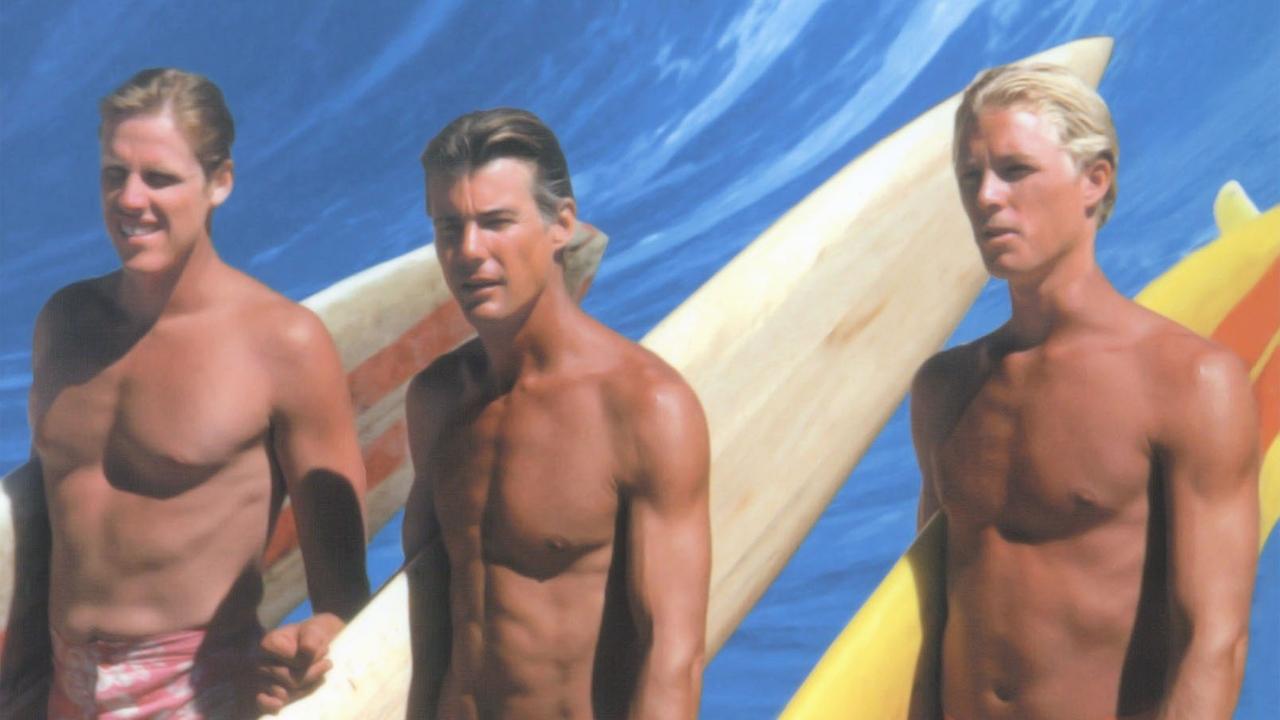
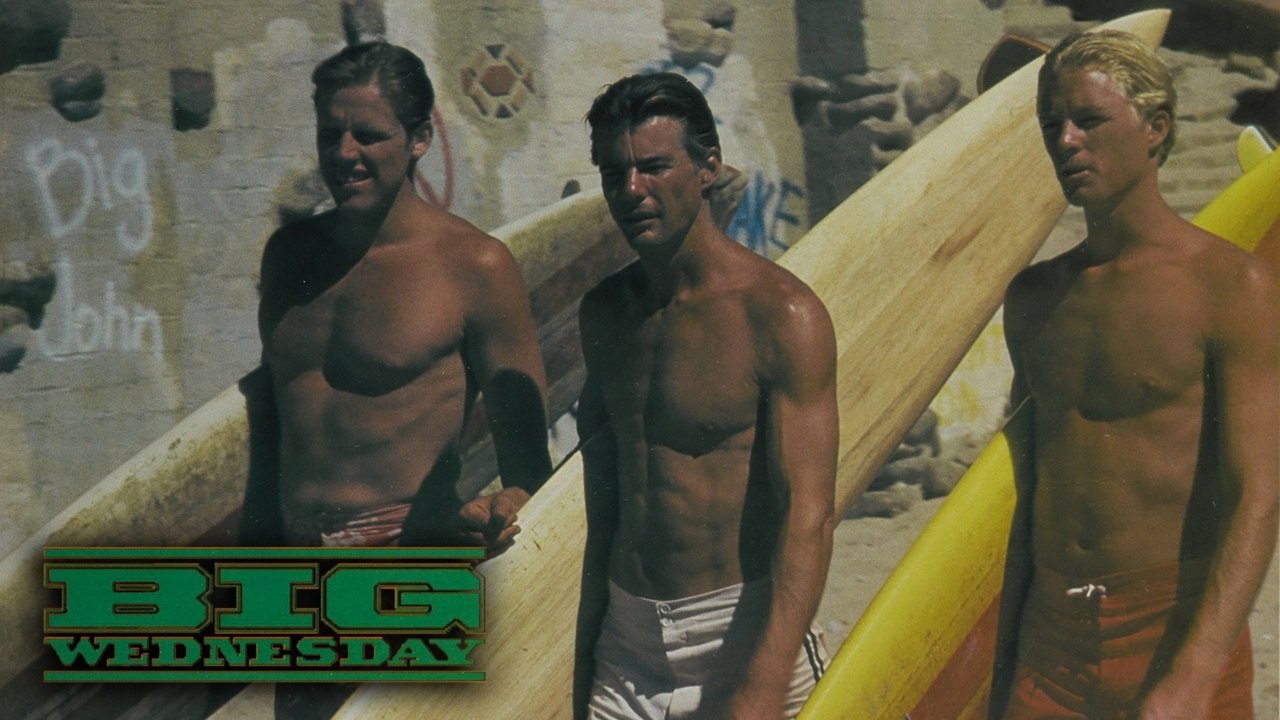
The performances are key to the film's enduring appeal. Jan-Michael Vincent, handsome and charismatic, perfectly embodies Matt Johnson, the gifted but troubled golden boy grappling with the end of an era. There's a vulnerability beneath the bravado that makes his eventual maturation deeply affecting. William Katt, fresh off Carrie (1976), brings a quiet earnestness to Jack, the responsible one forced to confront the harsh realities beyond the beach. And then there's Gary Busey as Leroy – wild, unpredictable, fiercely loyal, injecting manic energy and surprising heart into the trio's dynamic. His performance earned considerable praise, even as the film itself received a somewhat mixed critical reception upon its initial $4.5 million budget release. It wasn't the blockbuster some expected, but its cult status grew exponentially on home video.
Retro Fun Facts & The Tides of Time
Digging into the making of Big Wednesday reveals Milius's deep commitment. The story is semi-autobiographical, drawing heavily on his friendships and experiences. One fascinating tidbit is that the character Bear, the older surfboard shaper played wonderfully by Sam Melville, was based on legendary board maker Dale Velzy. It’s touches like these that ground the film’s sometimes mythic tone. Another challenge? Getting the actors, particularly Vincent (who had some surfing experience), comfortable enough to look convincing on the massive waves, often requiring clever editing and skilled stunt doubles – including world-class surfers who helped make those sequences legendary. The iconic poster art, featuring the trio against a stylized wave, became instantly recognizable on VHS boxes everywhere, beckoning viewers towards this tale of sun, surf, and soul-searching.
The film isn’t perfect. Its episodic structure can sometimes feel meandering, and the nearly two-hour runtime requires patience. Some supporting characters feel thinly sketched. But these flaws feel almost secondary to the film’s overwhelming sense of atmosphere and genuine emotion. It captures that unique feeling of looking back at your youth – the triumphs, the mistakes, the friendships that define you – with a mix of fondness and a touch of sorrow for what’s been lost. Remember watching films like this, maybe late at night on a grainy CRT, feeling completely transported to another time and place? Big Wednesday still has that power.
The Final Wave
Big Wednesday is more than just a surf movie; it’s an elegiac ode to friendship, youth, and the passage of time, set against the stunning backdrop of the California coast. It’s a film that might have underperformed initially but found its devoted audience on VHS, resonating with viewers who understood its themes of change and loyalty. Milius crafted something deeply personal, ambitious, and visually spectacular. The surfing sequences remain breathtaking, a high watermark for practical filmmaking in capturing the ocean's majesty.
Rating: 8/10 - While its pacing can be uneven and the narrative occasionally drifts, Big Wednesday earns its score through sheer ambition, heartfelt performances, stunning surf cinematography that still drops jaws, and a resonant, melancholic exploration of friendship weathering the storms of life. It perfectly captures a specific era while speaking to universal truths.
It’s a film that washes over you, leaving behind the salty tang of nostalgia and the enduring echo of waves crashing on a shore where legends were made, and youth eventually, inevitably, faded. A true VHS treasure worth revisiting.