Okay, slide that tape into the VCR, maybe adjust the tracking just a bit, and settle in. We're diving back into the glorious, sometimes gritty, world of 80s Hong Kong action with Jackie Chan's 1988 follow-up, Police Story 2. If the first Police Story felt like a lightning strike of innovative action comedy, this sequel feels like the ensuing, slightly chaotic, but still electrifying thunderstorm. It might not have the perfect narrative cohesion of its predecessor, but strap in, because the sheer physical commitment on display here is pure VHS gold.

### Back on the Beat, Kind Of
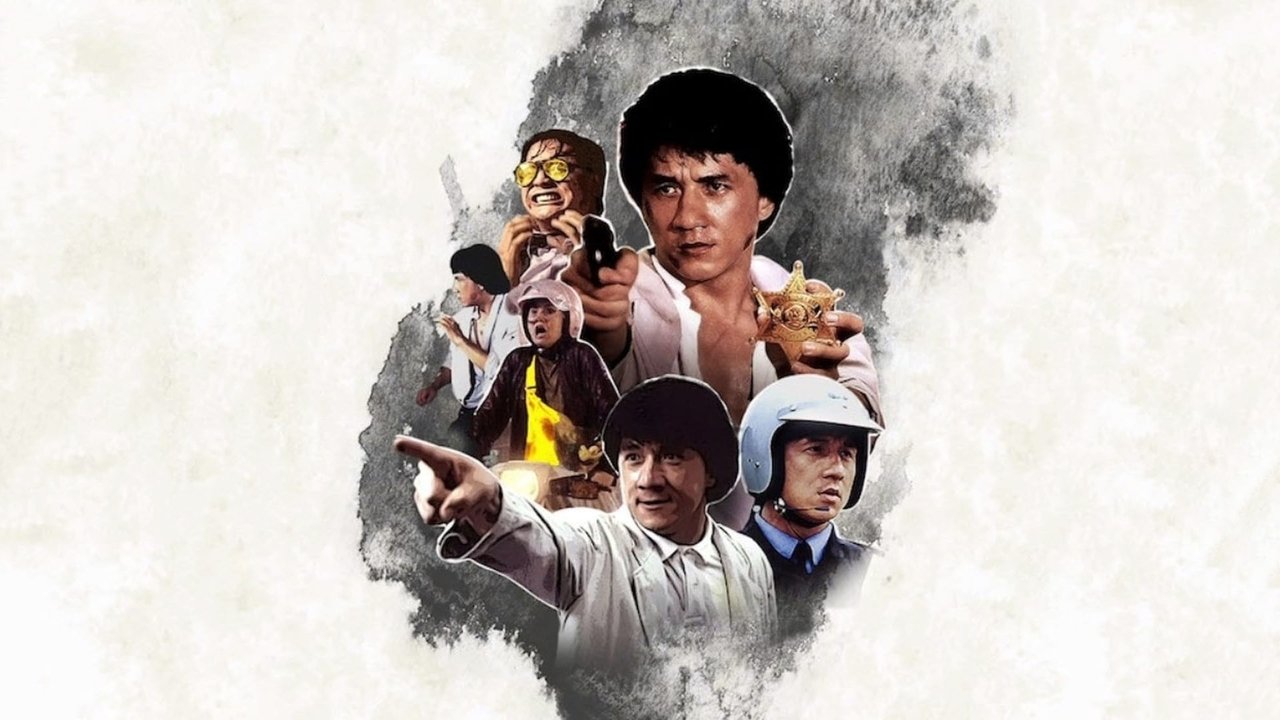
The film picks up not long after the explosive events of the first movie. Our hero, Sergeant Chan Ka-Kui (Jackie Chan, obviously, pulling double duty as director again), finds his heroic deeds haven't earned him a quiet life. Instead, he's initially demoted to highway patrol (leading to some classic fish-out-of-water comedy) and facing relentless harassment from the vengeful gangsters he put away. Remember Chu Tao's gang? They haven't forgotten Ka-Kui. This thread intertwines with a new, more serious threat: a ruthless gang of bombers extorting millions from property developers.
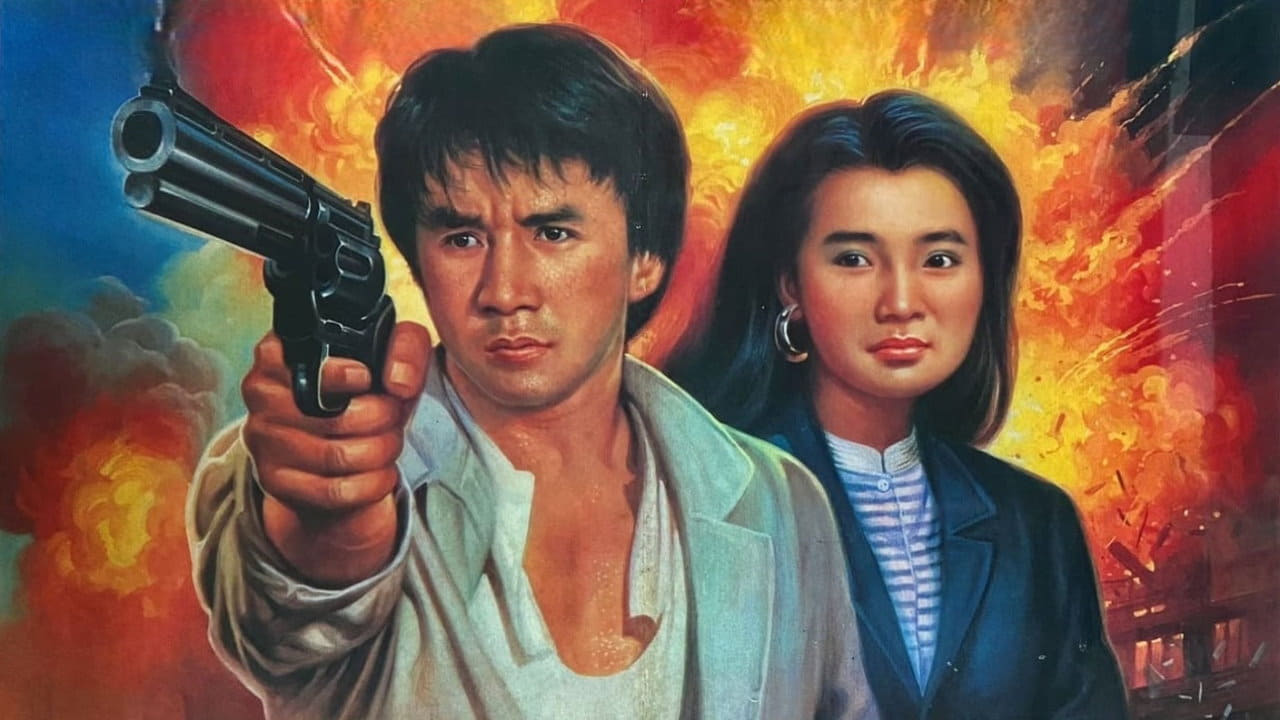
It's a slightly less focused plot this time around, juggling the leftover vendetta with the bomber storyline. Sometimes the tonal shifts between goofy situations involving Ka-Kui's long-suffering girlfriend May (Maggie Cheung, increasingly adept at blending comedy and terror) and the genuine menace of the bombers can feel a bit jarring. But honestly, were we renting Police Story 2 back in the day primarily for its intricate plotting? Maybe not. We were here for Jackie.
### The Human Special Effect
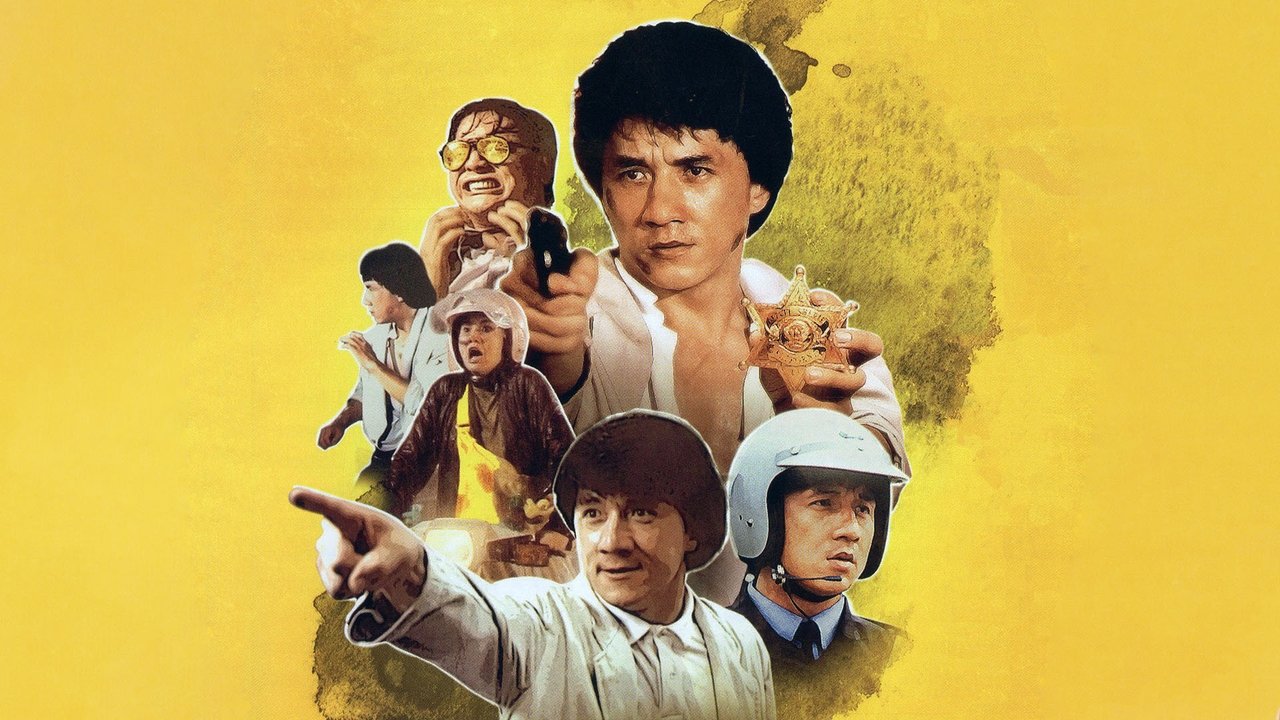
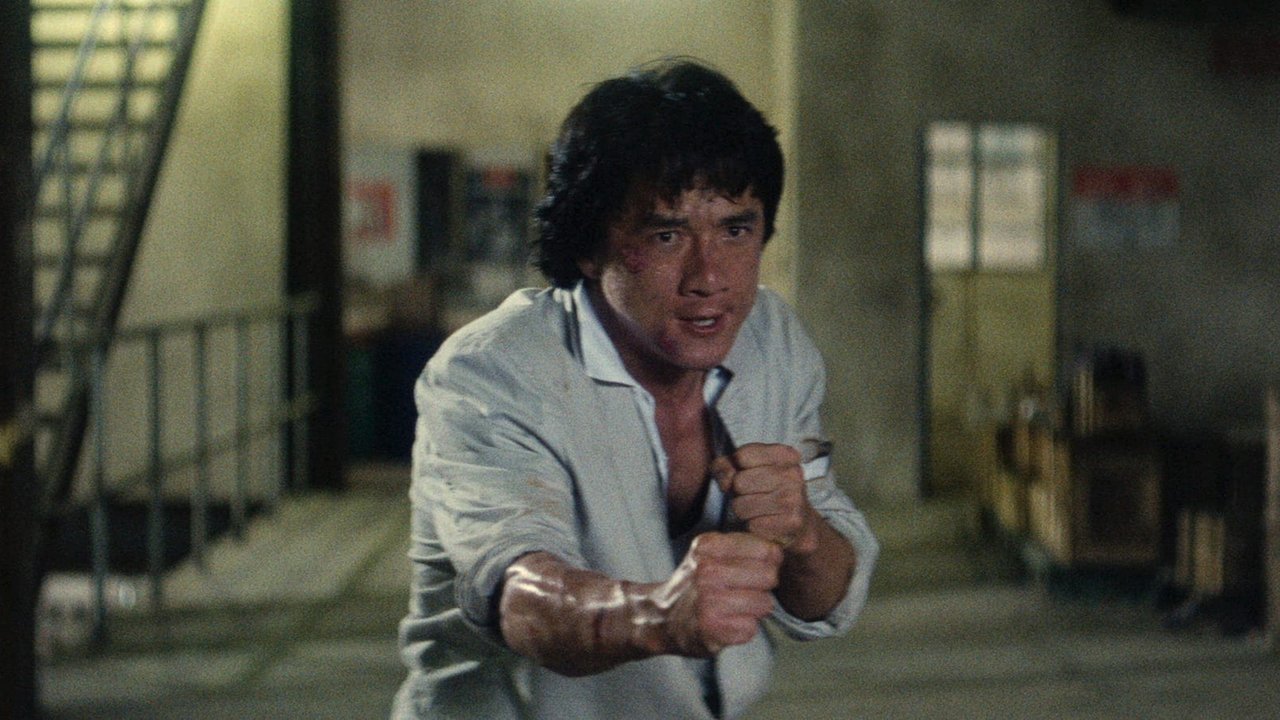
And Jackie delivers, putting his body on the line in ways that still make you wince and cheer simultaneously. This is the era of practical effects meaning real impacts, real falls, real danger. Forget wire removal and digital doubles; the thrill here comes from knowing that’s actually Jackie, or one of his incredibly brave stunt team members, performing these insane feats. Remember the playground fight sequence? It’s a masterclass in environmental choreography – Jackie using slides, climbing frames, and anything else bolted down as both weapon and shield. It feels less like a fight and more like a violent ballet, showcasing Chan's unique ability to blend martial arts prowess with Buster Keaton-esque physical comedy and ingenuity. He specifically wanted this sequence to stand apart from typical martial arts scenes, focusing on agility and interaction with the surroundings, a hallmark that would define his style.
Then there's the stunt work involving vehicles. The sequence where Jackie leaps from a rooftop onto the top of a moving double-decker bus, then has to duck under signs – it’s breathtaking stuff. There’s a raw, kinetic energy here that modern, slicker action sequences often lack. You feel the speed, the impact, the genuine risk. Wasn't that kind of visceral, "how did they DO that?!" reaction part of the magic of watching these films on a fuzzy CRT screen late at night?
### Behind the Mayhem
The production wasn't without its challenges. Jackie Chan is legendary for his perfectionism, demanding countless takes to get stunts just right. This dedication came at a cost. The climactic sequence, set in a warehouse packed with fireworks, is genuinely terrifying. Those aren't CGI sparks; they're real explosives going off all around the actors. Reports suggest Jackie Chan himself suffered burns during this sequence. And spare a thought for Maggie Cheung, who reportedly endured a serious head injury during filming (some accounts place it during the perilous warehouse escape) requiring stitches. It’s a stark reminder of the real dangers faced by performers in the Hong Kong action industry during this period, pushing boundaries for our entertainment. It's said that Cheung, despite becoming an internationally acclaimed dramatic actress later in her career (check out In the Mood for Love), found the physical demands of the early Police Story films particularly gruelling.
Returning alongside Chan and Cheung is the ever-reliable Bill Tung as Uncle Bill, providing his usual exasperated support. The chemistry between the core cast remains a strength, grounding the often-outlandish action in relatable (if heightened) character dynamics. While the film was a significant box office success in Hong Kong, further cementing Jackie's superstar status, its path to Western audiences often involved edited versions on VHS, sometimes trimming plot points or altering the tone. Seeing an uncut version truly highlights the blend of darker thriller elements with the slapstick Chan was famous for.
### Still Packs a Punch?
Police Story 2 might meander a bit more than the original, and the balance between comedy and serious threat isn't always perfect. The villains, while ruthless, perhaps lack the memorable sleaze of Chu Tao from the first film. But when the action kicks in, it kicks hard. The set pieces are ambitious, dangerous, and executed with unparalleled skill and bravery. It’s a testament to a specific era of action filmmaking where the limitations of technology were overcome by sheer human audacity and incredible physical talent.
The film serves as a crucial bridge in Jackie Chan's filmography, showcasing his evolving directorial confidence and his unwavering commitment to jaw-dropping stunt work, even as the narrative threads occasionally fray. It paved the way for the even more internationally-minded Police Story 3: Supercop (1992), but retains that distinctly raw Hong Kong flavour.
Rating: 8/10
This score reflects the absolutely top-tier, breathtaking practical stunt work and Jackie Chan's undeniable charisma, slightly tempered by a less focused narrative compared to the first film. The action sequences alone make it essential viewing for any fan of the genre.
Final Word: While maybe not quite the perfect five-star rental the original was, Police Story 2 is still pure, uncut 80s Hong Kong action adrenaline – a film where the "special effects" were measured in bruises, burns, and sheer nerve. Absolutely worth rewinding for.