The flickering neon sign casts long, distorted shadows, painting the rain-slicked street outside Simms' Funeral Home in sickly hues. Step inside, if you dare. The air hangs thick with formaldehyde and something else... something far older and more unsettling than mere death. This isn't just any final resting place; it's the stage for 1995's Tales from the Hood, an anthology that dared to lace its horror with potent social commentary, leaving a mark far deeper than your average slasher flick ever could. Forget jump scares; this film aimed for the soul.
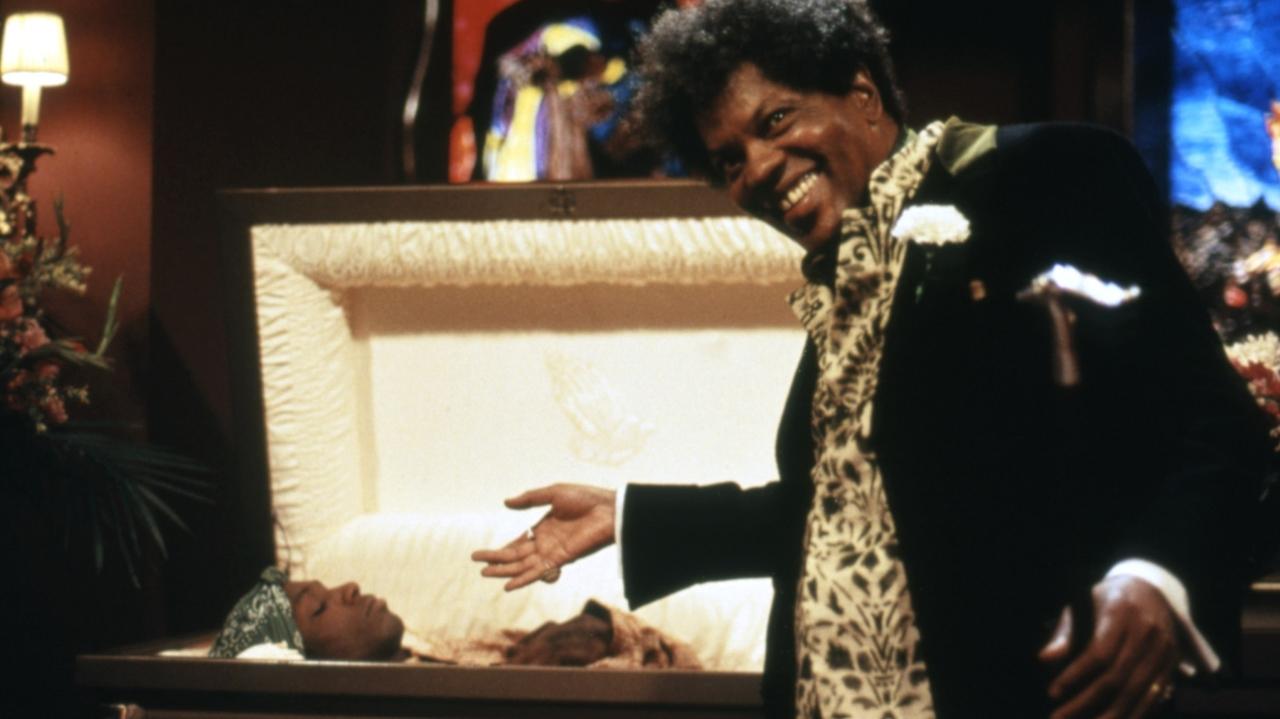
Anchored by the mesmerising, unnerving performance of Clarence Williams III (forever remembered by many for The Mod Squad, but finding pure, unsettling genius here) as the mortician Mr. Simms, the film uses the classic anthology structure to weave tales of terror rooted in the grim realities faced by Black communities. Three young drug dealers arrive seeking a stash of 'the shit', only to be led on a tour of the damned, each casket revealing a story more chilling than the last. Williams III doesn't just chew the scenery; he devours it with a demonic glee, his raspy voice and wide, knowing eyes making him one of the genre's most unforgettable hosts.
### Voices from the Grave
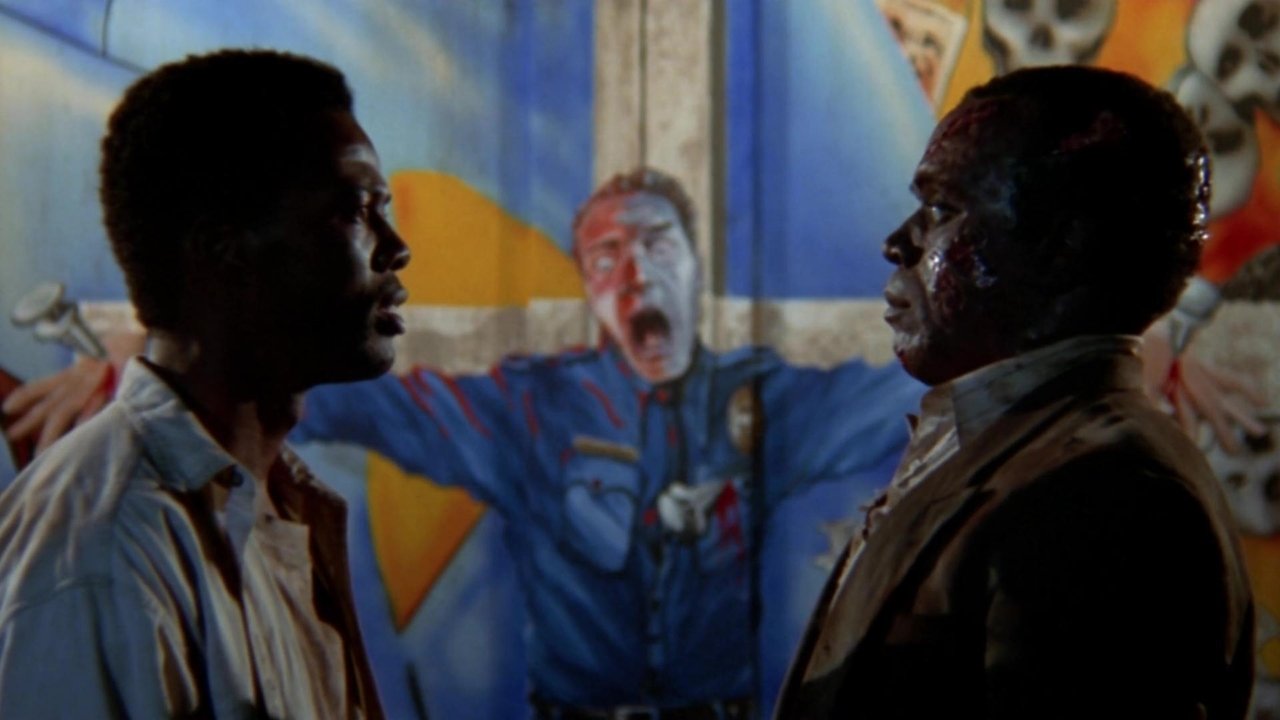
The tales themselves are a brutal mix. We kick off with "Rogue Cop Revelation," a story tapping into the raw nerve of police brutality long before it saturated headlines daily. It’s a grim revenge fantasy, featuring some startling practical effects that, while perhaps showing their vintage now, packed a visceral punch on grainy VHS back in the day. Remember the feeling of watching that unfold, the righteous fury mixed with supernatural dread? Then there's "Boys Do Get Bruised," tackling domestic abuse through the eyes of a terrified child and a monster that's chillingly human, save for its supernatural protector. David Alan Grier delivers a surprisingly unsettling performance here, far from his comedic roots on In Living Color.
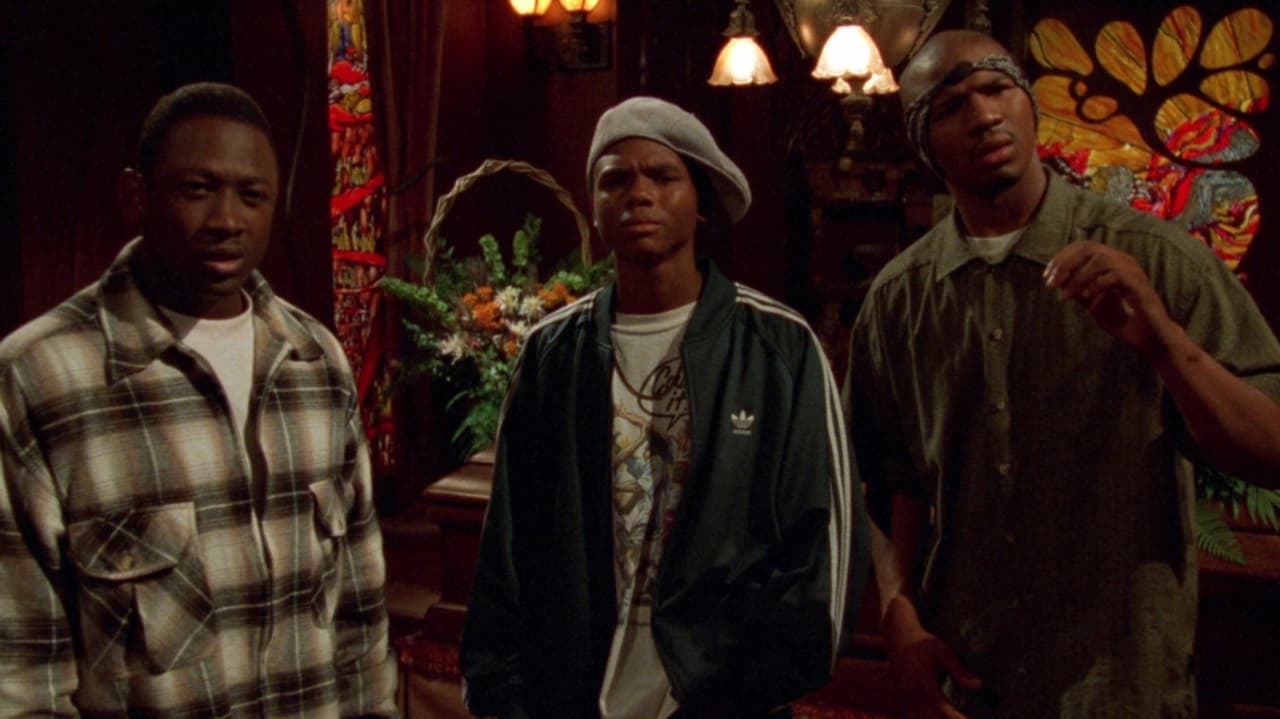
Perhaps the most infamous segment, "KKK Comeuppance," pits a vile, racist politician (Corbin Bernsen, chewing scenery with gusto after his L.A. Law days) against vengeful forces embodied by... well, let's just say the power of Black folk magic and some truly creepy slave dolls. The imagery is stark, unforgettable, and deeply uncomfortable – by design. This segment, arguably more than any other, benefited from the unwavering vision of director Rusty Cundieff and co-writer Darin Scott, who, with the crucial backing of executive producer Spike Lee, refused to dilute the film's potent message. Getting a film this confrontational through a studio system in the mid-90s was no small feat, especially on its reported $6 million budget.
### Horror with a Conscience
What makes Tales from the Hood resonate beyond its scares is this unflinching social commentary. It wasn't just about monsters; it was about the monstrous things people do to each other, using horror tropes to explore systemic racism, gang violence ("Hard-Core Convert," with its gut-wrenching body horror transformation), and political corruption. This wasn't horror operating in a vacuum; it was firmly planted in the anxieties and injustices of its time – issues that remain tragically relevant. The film cleverly weaponizes genre conventions, turning familiar ghost stories and monster tales into potent allegories.
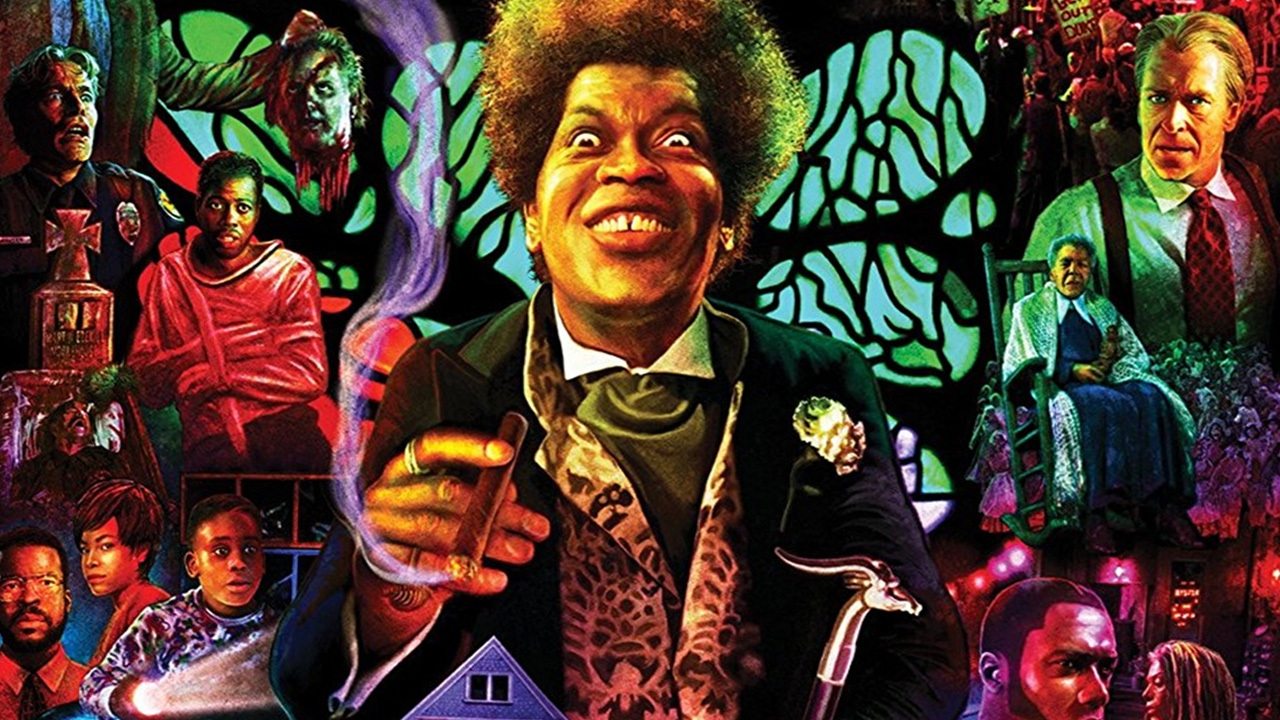
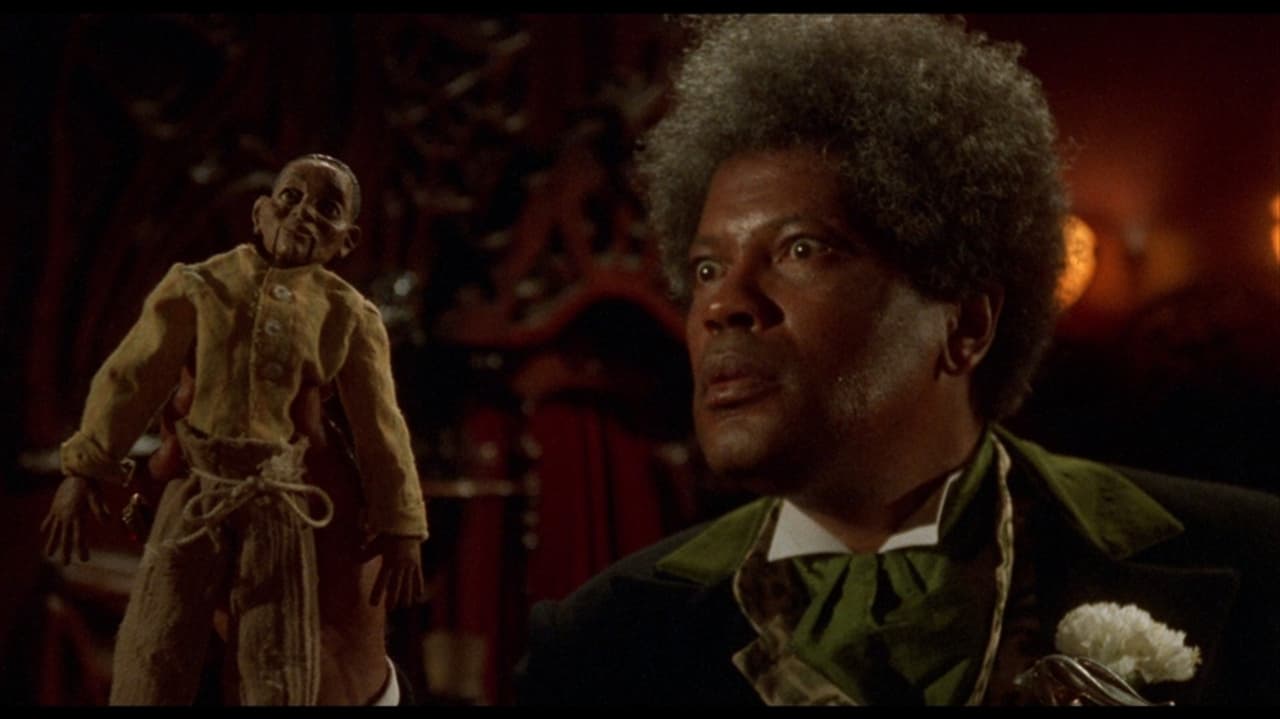
The production design of Simms' Funeral Home itself deserves mention – appropriately gothic, cluttered, and drenched in shadows, it feels like a character in its own right. The practical effects, particularly the gruesome metamorphosis in "Hard-Core Convert" and the eerie animation of the dolls, were ambitious for the budget and contribute significantly to the film's lasting impact. While some digital polish might exist today, there's an undeniable, tactile creepiness to these 90s-era effects that CGI often struggles to replicate. They felt real in a way that stuck with you after the tape ejected.
### Legacy in the Shadows
Tales from the Hood wasn't a box office juggernaut (grossing around $11.8 million), but its cult status was cemented almost immediately upon hitting video store shelves. Finding this tape felt like uncovering a secret – a horror film that had something vital to say. It paved the way, albeit slowly, for more socially conscious horror, proving the genre could be more than just gore and shocks. Its influence can arguably be seen in later works that blend horror with sharp societal critiques. While sequels eventually followed decades later, they couldn't quite capture the raw, urgent energy of this 1995 original.
Did it perfectly balance all its tones? Perhaps not always. Some find the shifts between satire, horror, and drama jarring. But its audacity is undeniable. It took risks few mainstream horror films dared to take at the time, creating something truly unique and unforgettable.
Rating: 8/10
Justification: While some segments land harder than others and the effects show their age in places, Tales from the Hood earns its score through Clarence Williams III's iconic performance, its bold and necessary social commentary seamlessly woven into effective horror narratives, its unsettling atmosphere, and its lasting impact as a cult classic. It's a vital piece of 90s genre filmmaking.
This is more than just a horror anthology; it's a furious, funny, and frightening state-of-the-union address delivered from beyond the grave. It reminds us that sometimes the most terrifying monsters are the ones we create ourselves. Doesn't that final twist still send a shiver down your spine?