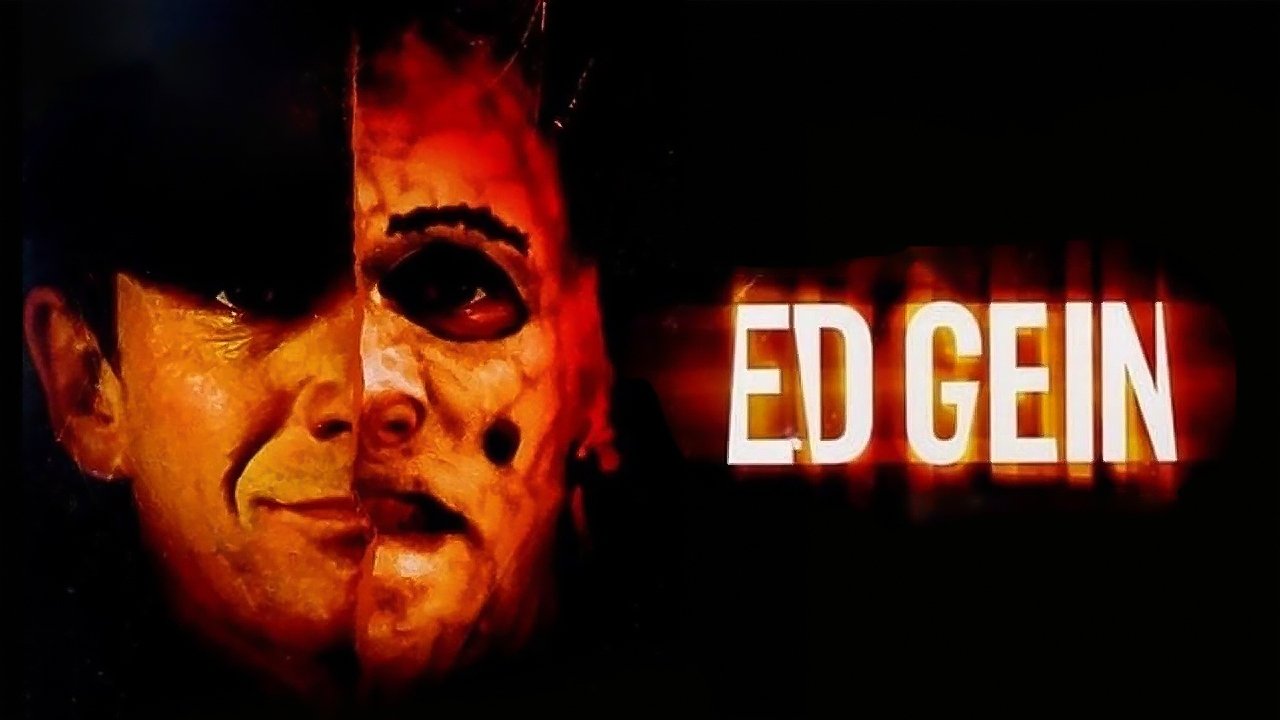
The snow seems heavier in Plainfield, Wisconsin. Colder. It blankets the landscape in Chuck Parello’s 2000 film Ed Gein, mirroring the chilling emptiness that resides within its title character. This isn't the frantic slasher energy that Gein's horrific legacy inadvertently birthed; this is something quieter, more insidious – a portrait of isolation curdling into monstrousness, filmed with a starkness that feels unnervingly real, like flipping through brittle, faded crime scene photos under a bare bulb.
Into the Quiet Nightmare
Forget jump scares and elaborate set pieces. Ed Gein (also released as In the Light of the Moon) immerses us in the desolate reality of its subject's life in the late 1950s. The film adopts a muted, almost sepia-toned palette, reflecting the bleakness of rural life and the suffocating grip of Gein’s past. Director Chuck Parello, who clearly has an affinity for exploring the darker side of humanity (having previously directed Henry: Portrait of a Serial Killer, Part II), opts for psychological dread over graphic sensationalism. We witness Gein’s awkward social interactions, his struggles to maintain the decaying family farm after his mother's death, and the gradual unraveling of his sanity. It’s a slow burn, focused on the mundane details that make the eventual revelations all the more horrifying. The horror isn't just in what Ed does, but in the profound loneliness and warped worldview that drive him.
A Haunting Central Performance
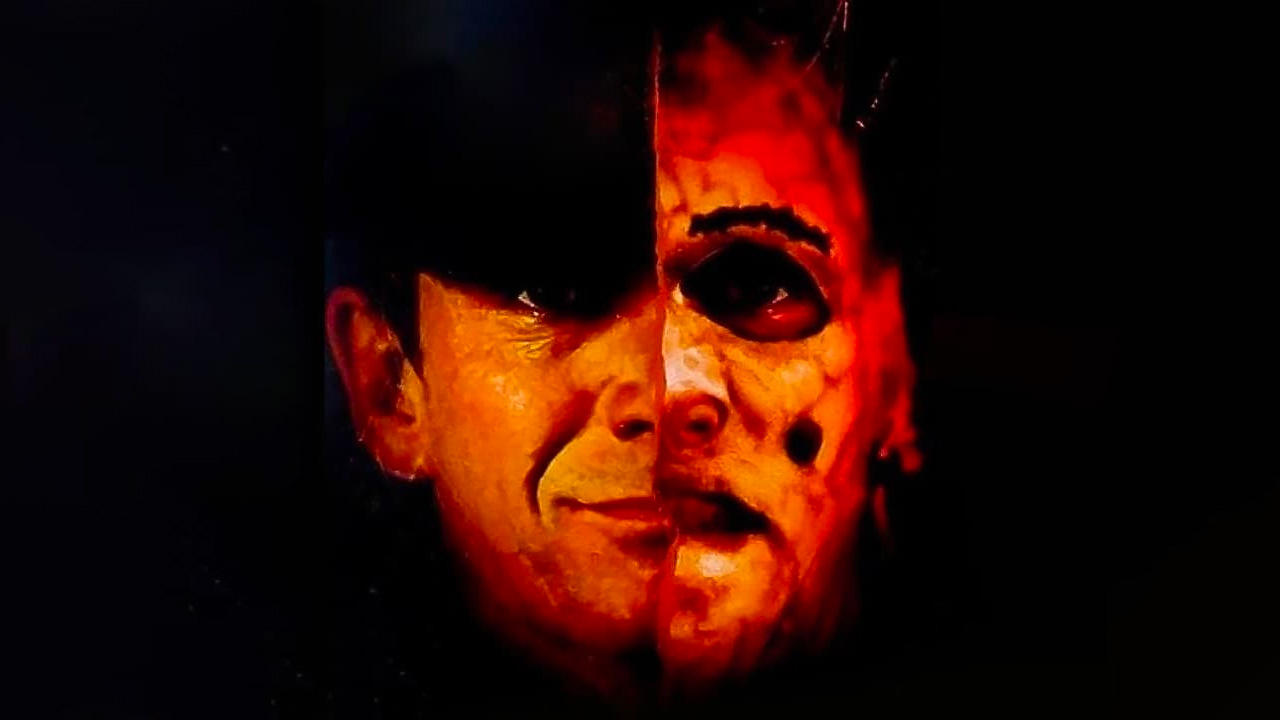
The absolute anchor of this film is Steve Railsback. Already known for inhabiting intense, often disturbed characters – his portrayal of Charles Manson in the 1976 TV movie Helter Skelter remains legendary – Railsback delivers a truly unsettling performance as Ed Gein. He doesn't play Gein as a raving monster, but as a socially stunted, emotionally damaged manchild, desperate for connection yet utterly incapable of achieving it healthily. There’s a vulnerability there, twisted and unnerving, beneath the awkward smiles and mumbled conversations. Railsback reportedly immersed himself in the role, capturing Gein's peculiar mannerisms and speech patterns documented in psychiatric reports. He embodies the banality of evil, making the character feel disturbingly plausible, a far cry from the mythic boogeymen Gein inspired like Leatherface or Norman Bates. Doesn't that quiet intensity feel more chilling, in a way, than overt menace?
Truth Stranger Than Fiction
Working from Stephen Johnston’s script, the film sticks remarkably close to the known facts of Gein's life and crimes, drawing heavily from court transcripts and psychological evaluations. The filmmakers faced the challenge of depicting horrific acts – grave robbing, murder, the creation of objects from human remains – without tipping into exploitation. They largely succeed by focusing on suggestion and implication, allowing the viewer’s imagination to fill in the gruesome blanks. The discovery of Bernice Worden’s body, for instance, is handled with a chilling restraint that emphasizes the shock and disbelief of the deputies rather than lingering on gore. The film also delves into Gein’s suffocating relationship with his domineering, religiously fanatic mother, Augusta, played with stern conviction by Carrie Snodgress. Her influence looms large even after her death, providing a grim psychological context for Ed's descent. Filming reportedly took place partially in Wisconsin, adding a layer of bleak authenticity to the desolate farmsteads and snow-covered fields that were Gein's world. It’s this grounding in reality, this refusal to sensationalize, that gives the film its unique power.
A Different Shade of Dread
Compared to the visceral shocks of The Texas Chain Saw Massacre (1974) or the suspenseful twists of Psycho (1960) – both famously drawing inspiration from Gein – Parello’s film offers a different kind of unease. It’s the discomfort of watching a mind slowly disintegrate, the horror found in the quiet solitude of a rundown farmhouse where unimaginable things are happening behind drawn curtains. The low budget (reportedly around $1.1 million) works in its favor, contributing to the raw, unpolished feel. There are no slick Hollywood tricks here, just a grim story told plainly and effectively. Some might find the pacing deliberately slow, but it’s integral to building the atmosphere of isolation and mounting dread. It forces you to sit with Ed, to inhabit his lonely world before the full horror is unveiled.
Lingering Chill
Ed Gein isn't an easy watch, nor is it meant to be. It's a stark, disturbing character study that eschews easy answers or cathartic thrills. While released in 2000, its gritty, grounded approach feels spiritually akin to some of the more challenging independent horror and true crime films of earlier decades. It might lack the iconic status of the films Gein inspired, but it offers a more direct, and arguably more unsettling, look at the man behind the myths. Steve Railsback's performance alone makes it essential viewing for those interested in the darker corners of true crime cinema. It doesn't flinch from the darkness, presenting a chilling portrait of madness rooted in loneliness and repression.
Rating: 7/10
Verdict: A grimly effective and chillingly performed character study that prioritizes psychological horror and stark realism over sensationalism. Steve Railsback is unforgettable, capturing the unsettling banality of one of America's most infamous figures. It’s a film that crawls under your skin and stays there, a stark reminder of the real-life horrors that sometimes eclipse anything fiction can conjure.