Alright fellow tapeheads, let’s talk about a sequel that dials the absurdity up to eleven but somehow manages to stick the landing with a satisfying thud of pure 90s action. Remember pulling this one off the shelf? The cover art practically screamed explosions and Steven Seagal looking impossibly stoic amidst chaos. I’m talking about Under Siege 2: Dark Territory (1995), the follow-up that swapped the battleship for a speeding locomotive and somehow felt even bigger.
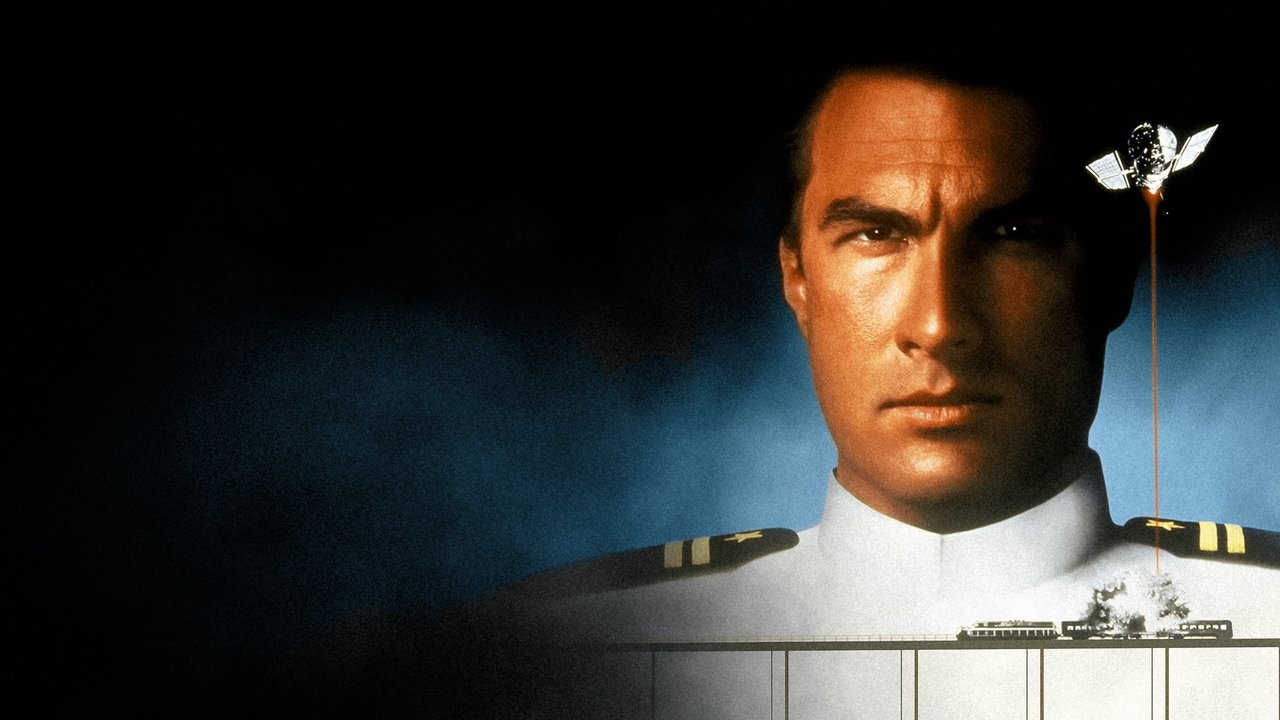
It's one of those sequels where you can almost hear the studio pitch meeting: "Okay, Die Hard on a battleship worked great! Now... let's do Die Hard... on a train! But with, like, a space laser." And bless their cotton socks, they actually did it. Stepping into the director's chair was Kiwi filmmaker Geoff Murphy, who already proved his action chops with Young Guns II (1990). He replaced Andrew Davis, who helmed the original Under Siege (1992), and while the tone shifts slightly towards the more outlandish, Murphy keeps the adrenaline pumping.
All Aboard the Crazy Train
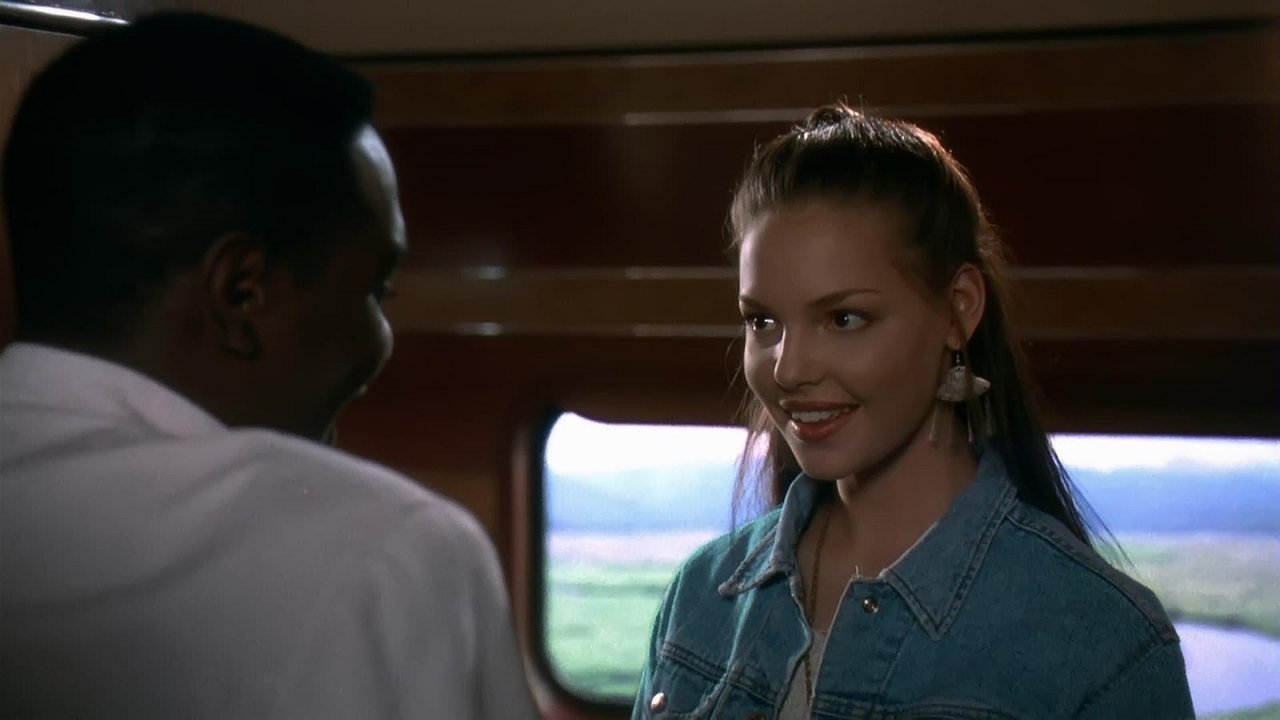
Our favorite culinary expert turned counter-terrorist badass, Casey Ryback (Steven Seagal), is just trying to take a nice train trip through the Rockies with his estranged niece, Sarah (a very young Katherine Heigl). Naturally, this being a 90s action sequel, the train gets hijacked. But not just by any thugs – these are led by Travis Dane, a disgruntled tech genius played with glorious, scenery-chewing mania by Eric Bogosian. Forget your standard sneering terrorists; Bogosian, primarily known then for his intense stage monologues and work like Talk Radio (1988), delivers a villain who is genuinely unhinged and often hilarious. Dane, the fired designer of a top-secret government satellite weapon called "Grazer One," plans to use the moving train as an untraceable command center to hold Washington D.C. hostage, auctioning off global targets to the highest bidder. It's preposterous, and that's precisely why it works.
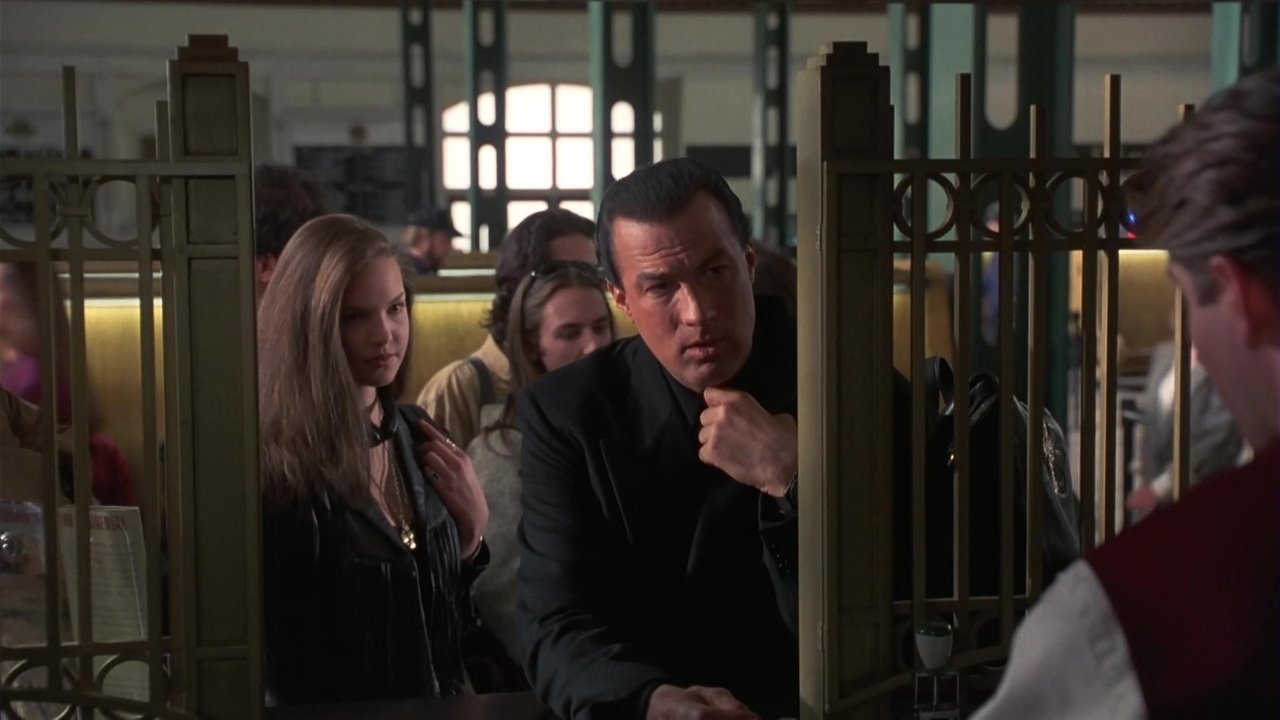
Retro Fun Fact: The idea of a moving, untraceable command post wasn't entirely new, but combining it with a satellite superweapon felt peak mid-90s techno-thriller. The budget reportedly ballooned to around $60 million, a significant jump from the original's $35 million, reflecting the ambition (and perhaps Seagal's rising star power). They needed that cash for what came next.
Peak Practical Mayhem
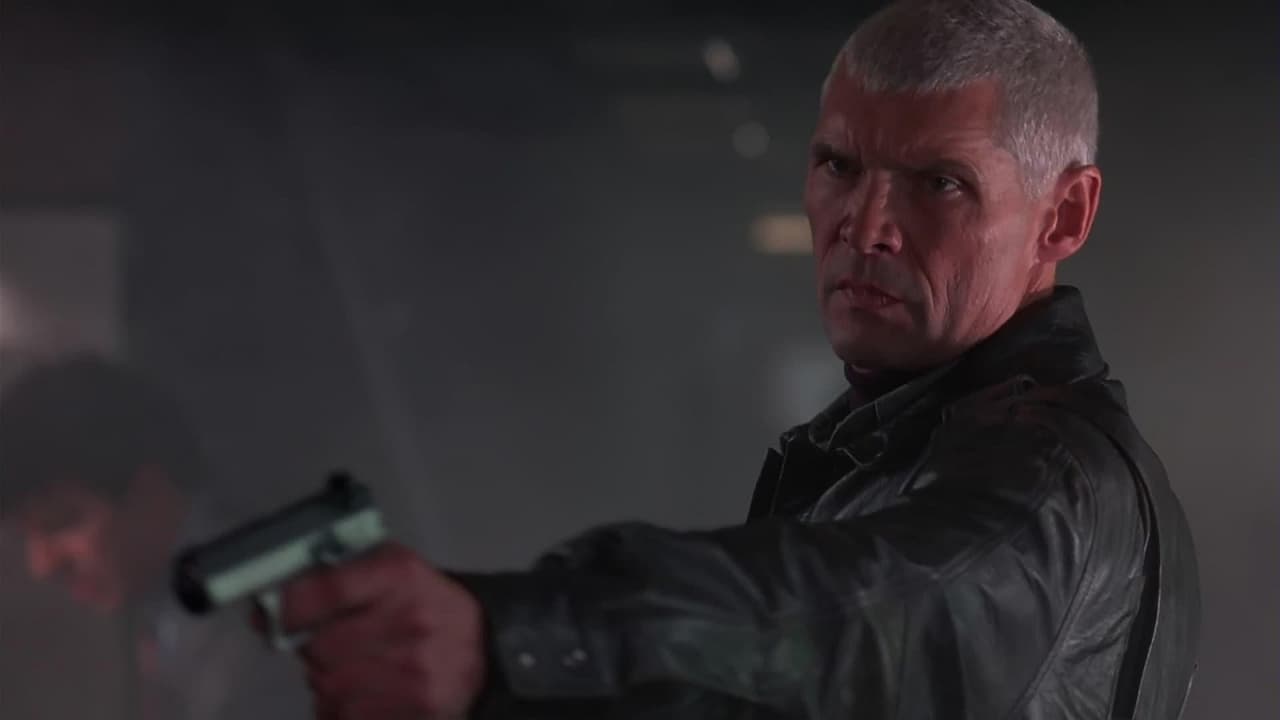
Let's talk action, because Dark Territory delivers the goods in that glorious, tangible way we remember. Forget seamless CGI – this was the era of real sparks, real falls, and stunts that looked genuinely dangerous because they often were. The close-quarters combat inside the train carriages feels brutal and claustrophobic. Seagal, though perhaps relying more on his established Aikido persona than the grit shown in the first film, still executes those lightning-fast blocks and bone-crunching throws that made him a star. Remember Penn, the lead mercenary played by the imposing Everett McGill (familiar to many from Twin Peaks)? His final showdown with Ryback is pure, physical spectacle.
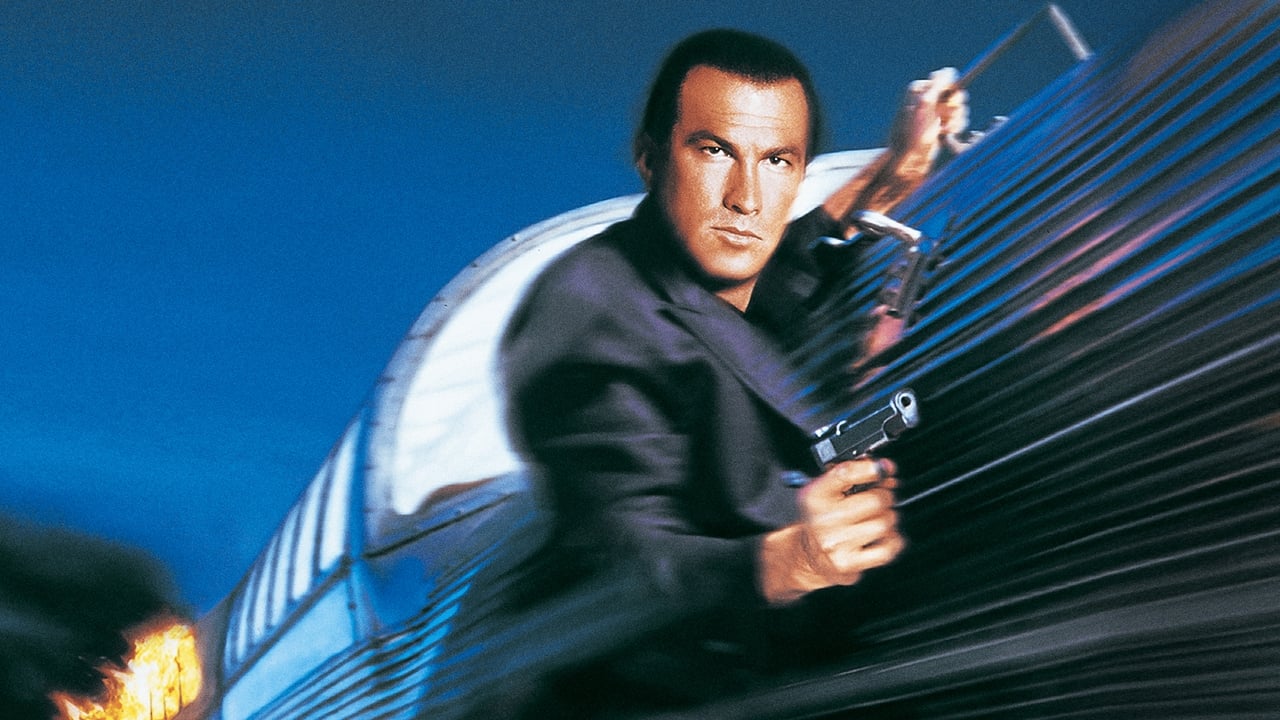
But the real star is the train itself. The filmmakers managed incredible feats, staging complex fights and shootouts on and around genuinely moving locomotives. Retro Fun Fact: A significant portion of the filming took place on actual railways in Colorado, requiring meticulous planning to coordinate train movements, helicopter shots, and stunt work. You can feel the weight and momentum. The helicopter sequences, particularly the precarious mid-air transfer and subsequent crash, have that white-knuckle intensity that comes from knowing much of it was captured in-camera.
And the finale? (Spoiler Alert for a nearly 30-year-old movie!) That head-on collision between the passenger train and the fuel tanker train is a masterclass in miniature work and practical destruction. Sure, looking back, you can spot the models, but the sheer scale and pyrotechnics involved felt huge on our old CRT screens. Wasn't that kind of large-scale practical effect just awe-inspiring back then? It possesses a raw, destructive energy that slicker, digital explosions often lack.
More Than Just Seagal
While Seagal is the stoic center, the supporting cast adds necessary flavour. Bogosian is unforgettable, chewing dialogue like "Chance favors the prepared mind" before unleashing digital hellfire. Heigl provides the relatable civilian anchor, and Morris Chestnut offers solid support as the resourceful porter, Bobby Zachs. Even the array of disposable henchmen feel distinct enough to make Ryback's systematic dispatching of them satisfying. The score by Basil Poledouris, known for his epic work on Conan the Barbarian (1982) and RoboCop (1987), keeps the tension ratcheted high, blending orchestral swells with driving electronic beats typical of the era.
Critically, Under Siege 2 didn't quite capture the near-universal praise of its predecessor, often cited as one of Seagal's best. Some found the plot too derivative and over-the-top. But audiences? They largely embraced the bigger, louder sequel. It was a solid box office performer, proving there was still a massive appetite for this brand of explosive action heroics. It cemented Ryback as Seagal's most enduring character, even if subsequent attempts to recapture the magic (like the direct-to-video Under Siege 3 that never quite materialized beyond rumours) fell flat.
The Verdict
Under Siege 2: Dark Territory is pure, unadulterated 90s action comfort food. It's formulaic, sure, operating squarely within the "Die Hard on a..." template. Seagal does his Seagal thing, Bogosian provides a top-tier villain performance, and the practical action sequences are executed with a level of tangible chaos that's immensely satisfying to rewatch. It knows exactly what it is and leans into the absurdity with gusto.
Rating: 7.5 / 10
Justification: The film delivers robust, well-staged practical action, features a memorably manic villain, and successfully escalates the stakes from the original in pure 90s fashion. It loses points for leaning heavily on formula and Seagal feeling a bit more like a caricature than in the first film, but it's still a highly entertaining ride powered by genuine stunt work and explosions.
Final Thought: This is the kind of glorious overkill that defined blockbuster sequels in the VHS era – loud, proud, and probably responsible for more than a few tracking adjustments back in the day. Still ridiculously fun.