It’s a rare thing when a filmmaker turns the camera not just onto a story, but directly onto the unresolved fragments of their own life, inviting the past back not merely for examination, but for a complex, uncertain reenactment. That’s the unsettling, profoundly moving territory Mohsen Makhmalbaf explores in his 1996 masterpiece, A Moment of Innocence (original title: Nun va Goldoon). This isn't your typical flick found nestled between the action and comedy aisles of the local video store; discovering it back then felt like uncovering a hidden channel, one broadcasting directly from the heart of lived experience, challenging the very nature of memory and filmmaking itself.
The premise alone carries the weight of decades. In 1974, a fervent 17-year-old Makhmalbaf, caught up in revolutionary zeal against the Shah's regime, stabbed a young policeman in an attempt to steal his weapon. He was shot, captured, and spent years in prison. Fast forward twenty years: Makhmalbaf, now an established filmmaker, puts out a casting call for his film Salaam Cinema (1995). Incredibly, among the hopefuls who respond is Mirhadi Tayebi – the very policeman he attacked all those years ago. This astonishing reunion becomes the catalyst for A Moment of Innocence, a film where Makhmalbaf attempts to reconstruct that fateful encounter, casting young actors to play their former selves while involving Tayebi directly in the process.
Revisiting the Crossroads
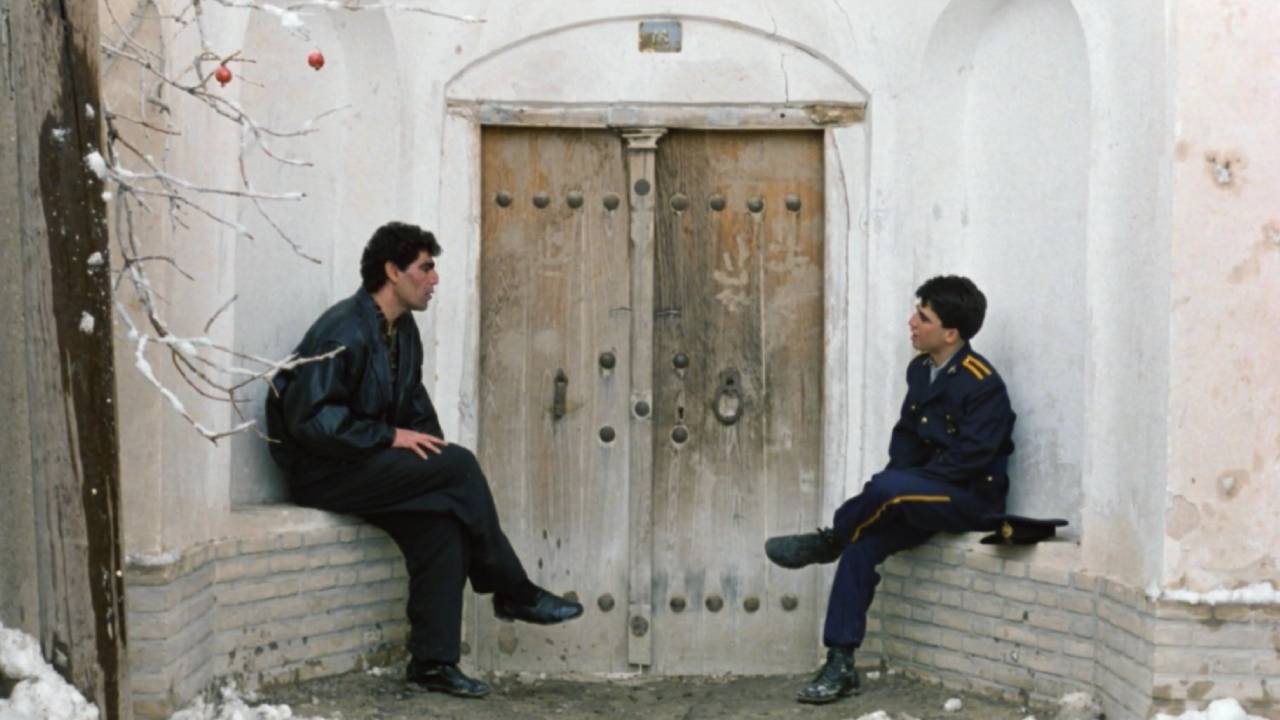
What unfolds is less a straightforward narrative and more a fascinating, often tense, dialogue between past and present, memory and interpretation. We watch Makhmalbaf and Tayebi auditioning and coaching their respective younger counterparts (Ali Bakhshi as the young Makhmalbaf, Ammar Tafti as the young policeman). Immediately, friction arises. Makhmalbaf remembers his idealistic fervor, the political motivations that drove him. Tayebi, however, remembers the fear, the shock, and insists the young revolutionary was motivated by romantic longing for Tayebi's cousin, using the political act as a means to impress her.
This clash of narratives is the film's soul. Whose memory holds the 'truth'? Can either man truly access the emotions and context of that singular moment across the gulf of twenty years? Makhmalbaf films these coaching sessions, these debates over motivation and feeling, with a raw intimacy. The camera often feels like a hesitant observer, capturing the vulnerability, the defensiveness, and the shared, uncomfortable recognition between the two men bound by this violent intersection in their youth. It's a stunning example of meta-cinema – a film documenting its own complicated creation, where the process is the story.
Performances Forged in Reality
The performances are extraordinary precisely because they blur the line between acting and simply being. Mohsen Makhmalbaf directs not just the film, but his own memories, wrestling with the image of his younger self. There’s a palpable weight in his presence, a sense of responsibility mixed with the artistic urge to understand and reshape the past. Mirhadi Tayebi, playing himself, is equally compelling. He’s not a trained actor, but his quiet dignity, the pain etched in his recollections, and his insistence on his own version of events provide a crucial counterpoint. You feel the history between these two men in every shared frame.
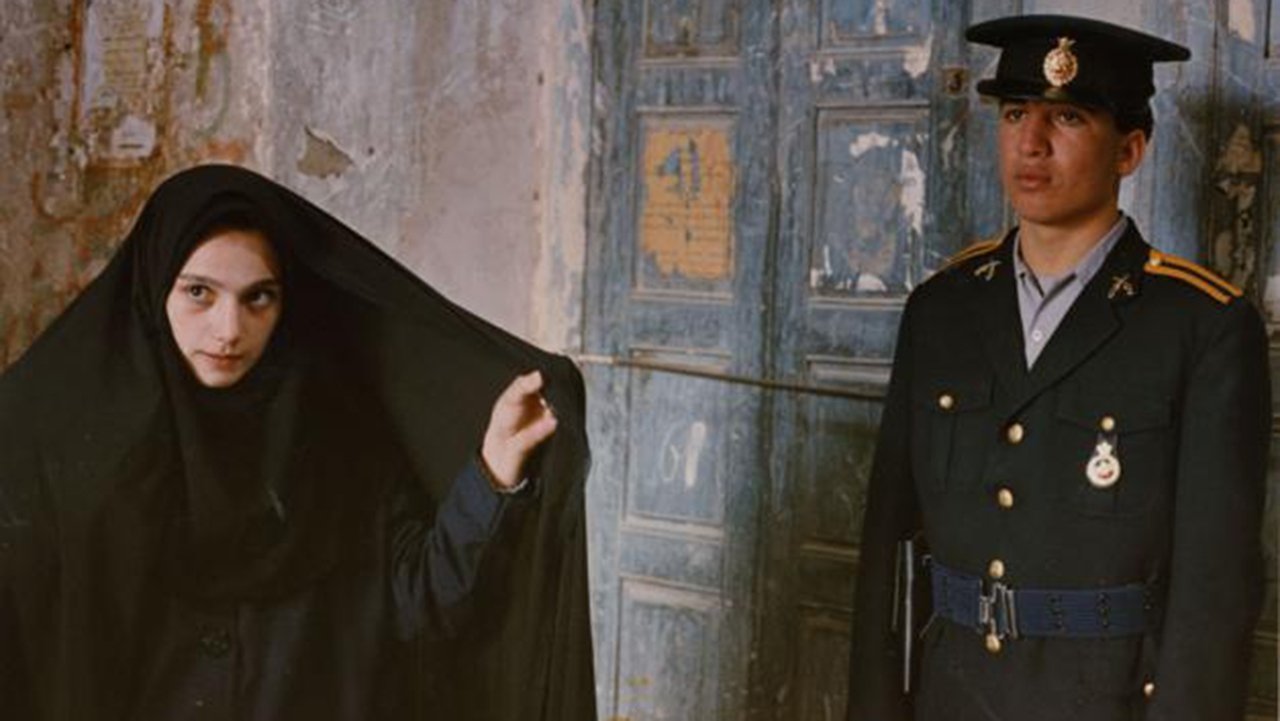
The young actors, Ali Bakhshi and Ammar Tafti, navigate the difficult task of embodying versions of people who are right there, directing them based on conflicting recollections. Their uncertainty and earnest attempts to grasp the essence of that past moment add another layer of poignant reality. It’s a testament to Makhmalbaf’s sensitive direction that these interactions feel so authentic. Even a small role for Makhmalbaf’s young daughter, Hana (who would later become a filmmaker herself), adds to the feeling of a project deeply interwoven with personal history.
A Different Kind of Rewind
A Moment of Innocence was part of the remarkable Iranian New Wave that gained international attention in the 80s and 90s, offering uniquely poetic and humanistic stories that often employed non-professional actors and blended fiction with documentary techniques. Finding films like this on VHS often meant seeking out the 'World Cinema' section, a treasure trove far removed from the latest Hollywood blockbusters. It required a different kind of viewing – patient, reflective, open to ambiguity. Makhmalbaf’s style here embodies that spirit: handheld camerawork, naturalistic lighting, and a focus on faces and small gestures that speak volumes.
The film garnered significant acclaim abroad, winning the Special Jury Prize at the Locarno Film Festival, further cementing Mohsen Makhmalbaf's reputation as a major voice in world cinema, known for works like Gabbeh (1996) and Kandahar (2001). It stands as a powerful example of 90s filmmaking that wasn't about spectacle, but about introspection and the complex relationship between life and art.
Retro Fun Facts:
- The reunion that sparked the film was entirely serendipitous, occurring during auditions for Makhmalbaf's previous film, Salaam Cinema. Tayebi simply showed up hoping for work.
- The conflicting motivations presented – political idealism versus romantic pursuit – form the core tension, highlighting the subjective nature of memory.
- The film deliberately avoids showing the actual stabbing, focusing instead on the lead-up and the act of trying to recreate it, emphasizing the process over the event itself.
The Unresolved Image
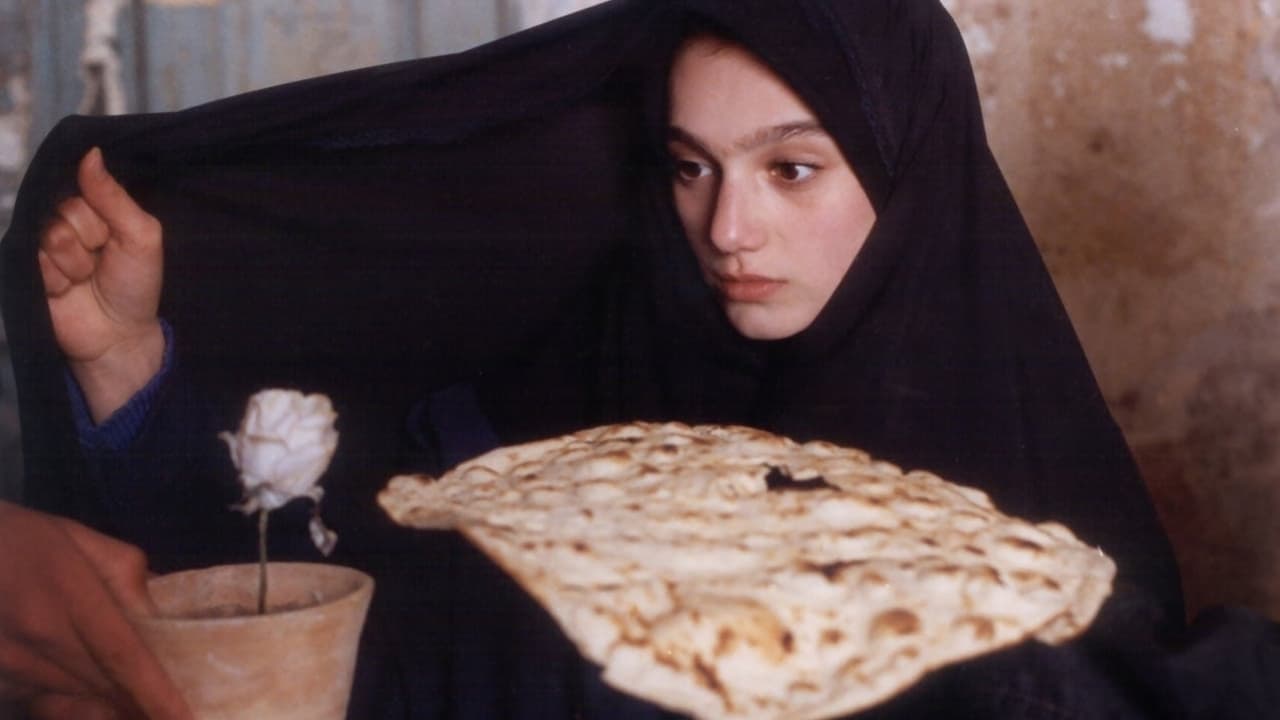
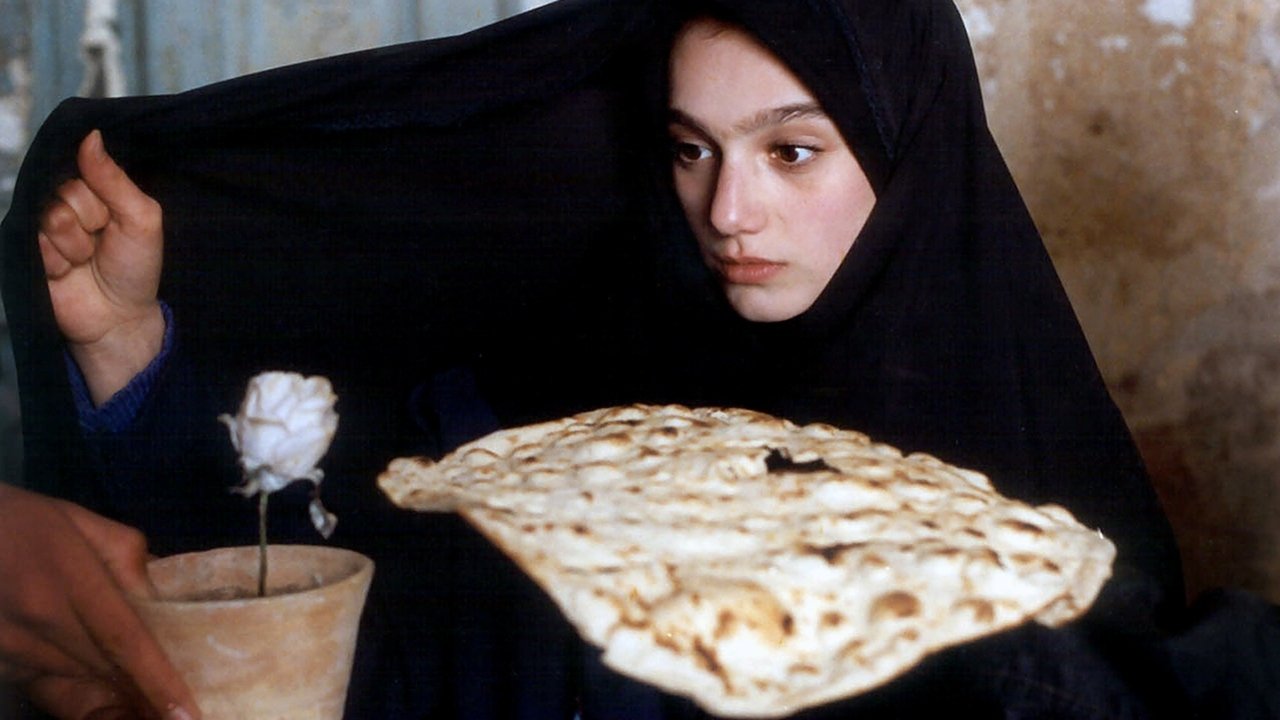
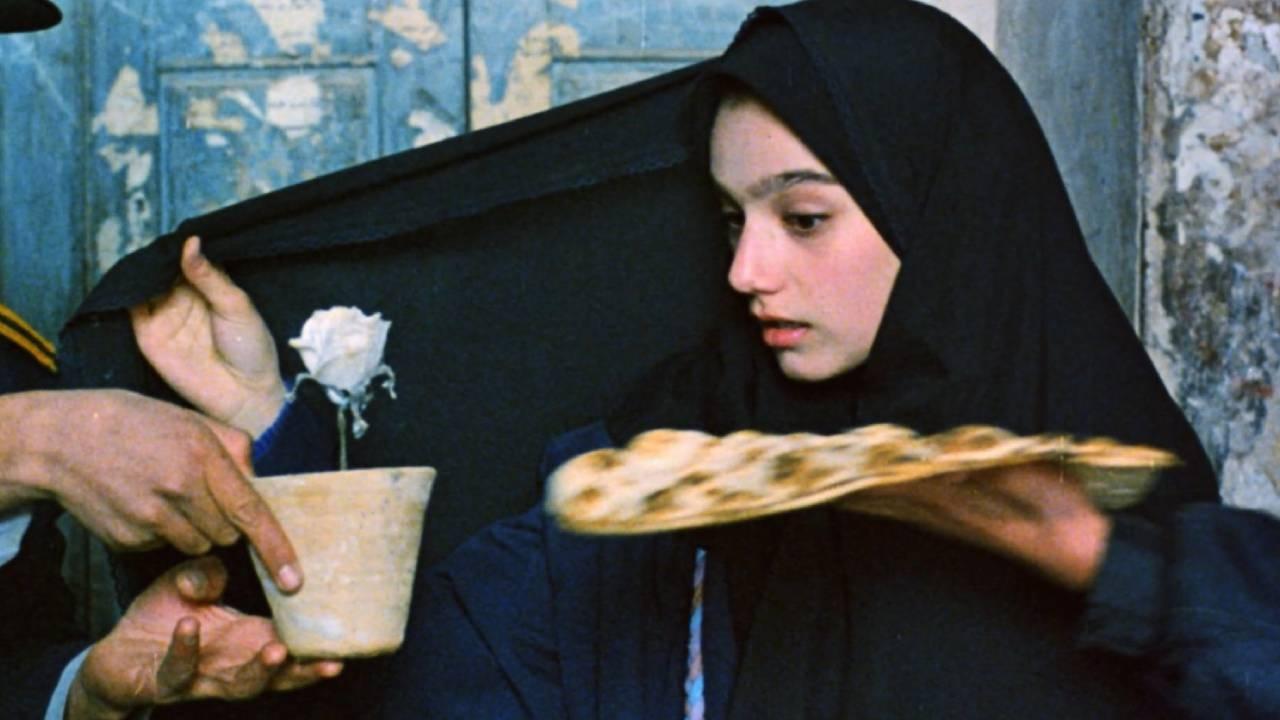
Spoiler Alert! The film culminates not in a definitive reenactment, but in a profoundly ambiguous and beautiful final sequence. Both young actors, deviating from the script and their directors' conflicting instructions, approach each other. The young revolutionary offers the policeman a flower (a "goldoon") instead of stabbing him; the young policeman offers the revolutionary bread (a "nun") instead of shooting him. It’s a moment of imagined grace, a wish for a different past, potent precisely because it acknowledges the impossibility of truly changing what happened. End Spoiler Alert!
What lingers long after the screen goes dark? It’s the quiet power of that gesture, the film's gentle insistence that understanding, if not absolute truth, might be found in acknowledging shared humanity, even across lines drawn by violence and time. Can cinema truly facilitate reconciliation? Can we ever fully recapture a moment of innocence, lost or perhaps never truly present? Makhmalbaf doesn’t offer easy answers, but the questions resonate deeply.
Rating: 9/10
A Moment of Innocence is a masterpiece of meta-cinematic reflection. Its unique premise, born from an incredible real-life event, is executed with profound sensitivity and artistic integrity. The performances feel startlingly real, blurring the lines between actor and subject. While perhaps not a casual Friday night rental from back in the day, its exploration of memory, truth, forgiveness, and the very power of film is deeply affecting and rewards thoughtful viewing. It’s a vital piece of 90s world cinema, demonstrating how the medium can be used not just to tell stories, but to grapple with the most complex aspects of human experience. This is a film that stays with you, prompting reflection on the narratives we construct about our own pasts.