It starts with a simmering pot, doesn't it? Or perhaps, more accurately, with the quiet tension of expectation hanging heavy in the air, thick as the aroma of garlic and basil. Big Night (1996) isn't a film you simply watch; it's one you feel deep in your gut, a slow-burn drama masquerading as a culinary tale, leaving an ache that’s part hunger, part heartache. For many of us stumbling upon this gem in the mid-90s, perhaps tucked away in the 'Indie' or 'Drama' section of the video store, it felt like discovering a secret recipe – something authentic and nourishing in a landscape often dominated by louder, brasher fare.
The Heart of the Matter: Two Brothers, One Dream
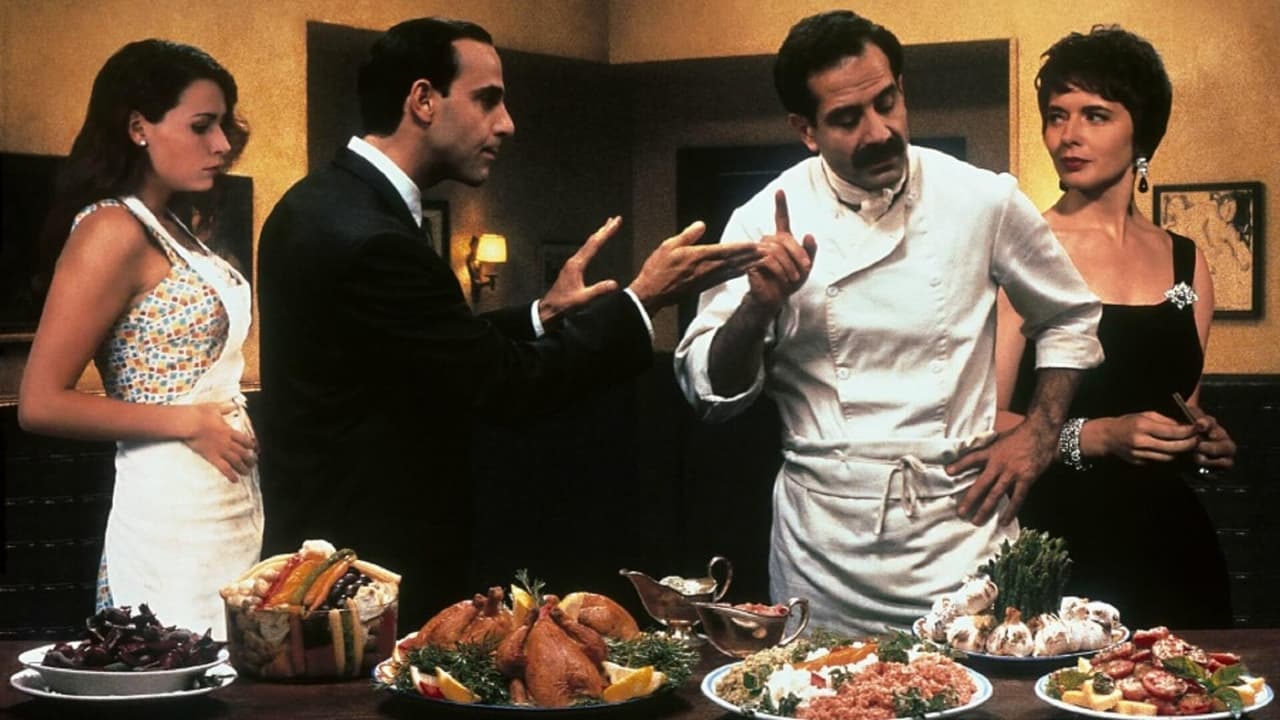
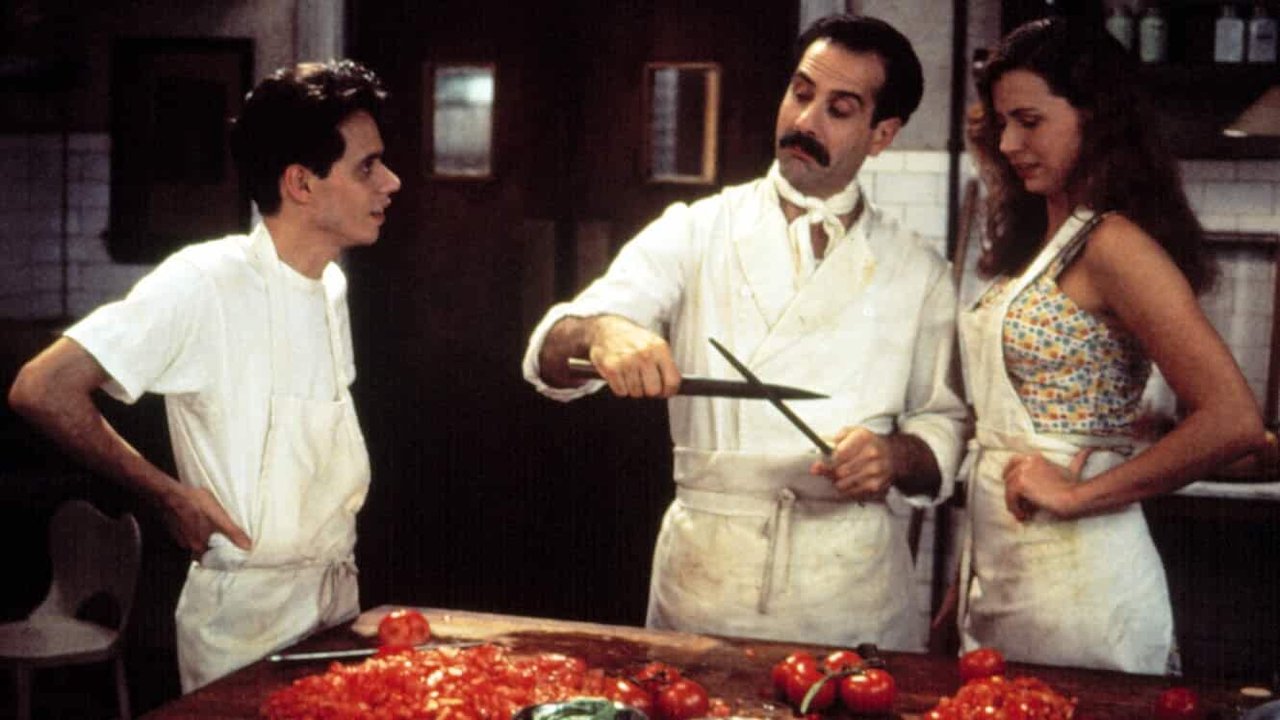
At its core, Big Night revolves around the volatile, yet deeply affectionate, relationship between two Italian immigrant brothers struggling to keep their authentic Italian restaurant, "Paradise," afloat on the Jersey Shore in the 1950s. Stanley Tucci, who also co-wrote and co-directed (with Campbell Scott), embodies Primo, the brilliant, uncompromising chef. He worships culinary artistry, refusing to pander to American palates demanding spaghetti with meatballs on the side (a culinary crime in his eyes). His brother, Secondo, played with pitch-perfect weariness and charm by Tony Shalhoub (long before Monk made him a household name), is the pragmatic frontman, the one trying desperately to balance the books and keep Primo’s purist vision from sinking them entirely.
Their dynamic is the soul of the film. Tucci, fiery and sensitive, conveys Primo’s passion and frustration with every sigh and explosive gesture. Shalhoub, conversely, is a master of quiet desperation, his expressive eyes revealing the weight of responsibility and the pain of mediating between artistic integrity and sheer survival. You believe utterly in their shared history, their arguments feeling less like scripted dialogue and more like eavesdropping on genuine familial friction. It’s a testament to both actors, and the sharp, insightful screenplay they brought to life, penned by Tucci and his cousin Joseph Tropiano. Interestingly, Tucci initially envisioned himself playing Secondo, but thankfully realised his personality aligned more closely with the passionate Primo.
A Feast for the Senses (and the Soul)
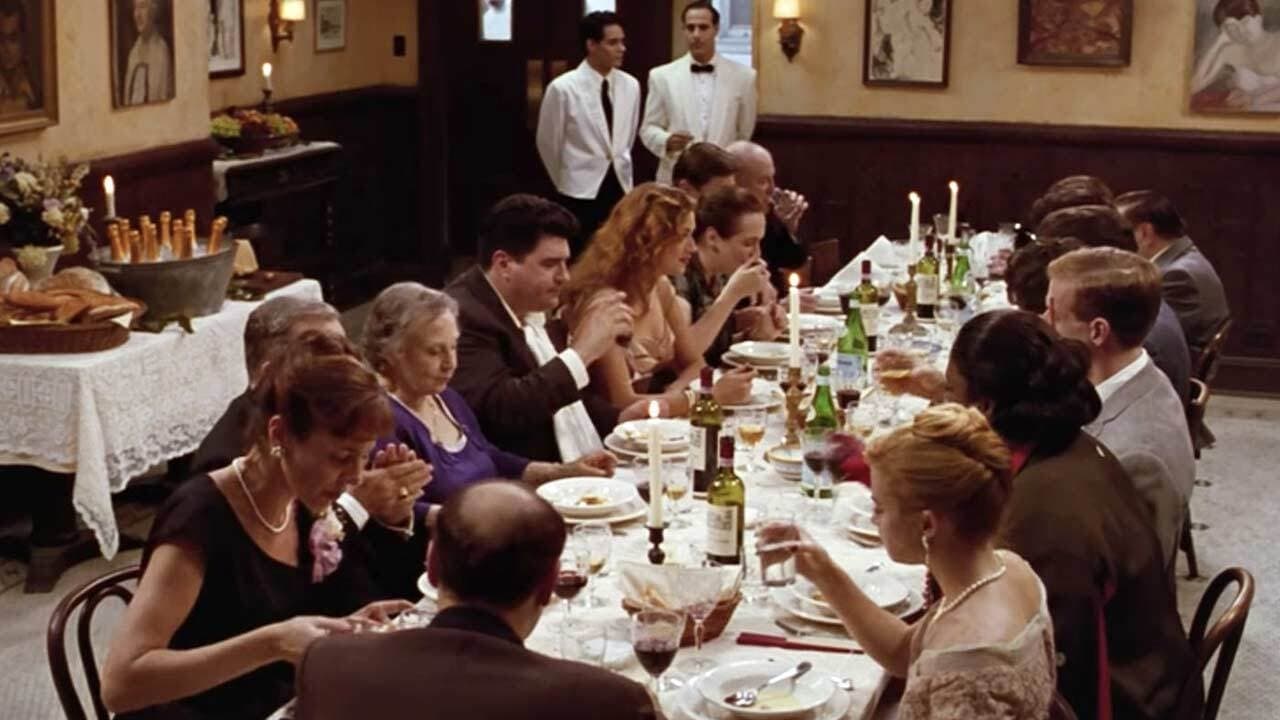
Of course, you can't talk about Big Night without talking about the food. It’s not just backdrop; it’s practically a character in itself. The film lovingly depicts the preparation of Italian cuisine, culminating in the Herculean effort to create the titular "Big Night" feast, designed to wow famed musician Louis Prima (whose anticipated arrival forms the crux of the plot) and save the restaurant. The star of this feast is the Timpano (or Timballo), a monumentally complex baked pasta dish encased in dough.
There's a genuine reverence here, stemming undoubtedly from Tucci's own well-documented love for food. The cooking scenes feel authentic because, in many ways, they were. Culinary professionals supervised the on-set food preparation, ensuring everything looked, and likely tasted, utterly convincing. Watching Primo and Secondo, aided by their lone employee Cristiano (Marc Anthony in an early, understated role), meticulously craft this elaborate meal is both mouth-watering and poignant. It’s a physical manifestation of their hopes, their heritage, and their perhaps naive belief that one perfect meal can change everything.
Simmering Tensions and Supporting Flavors
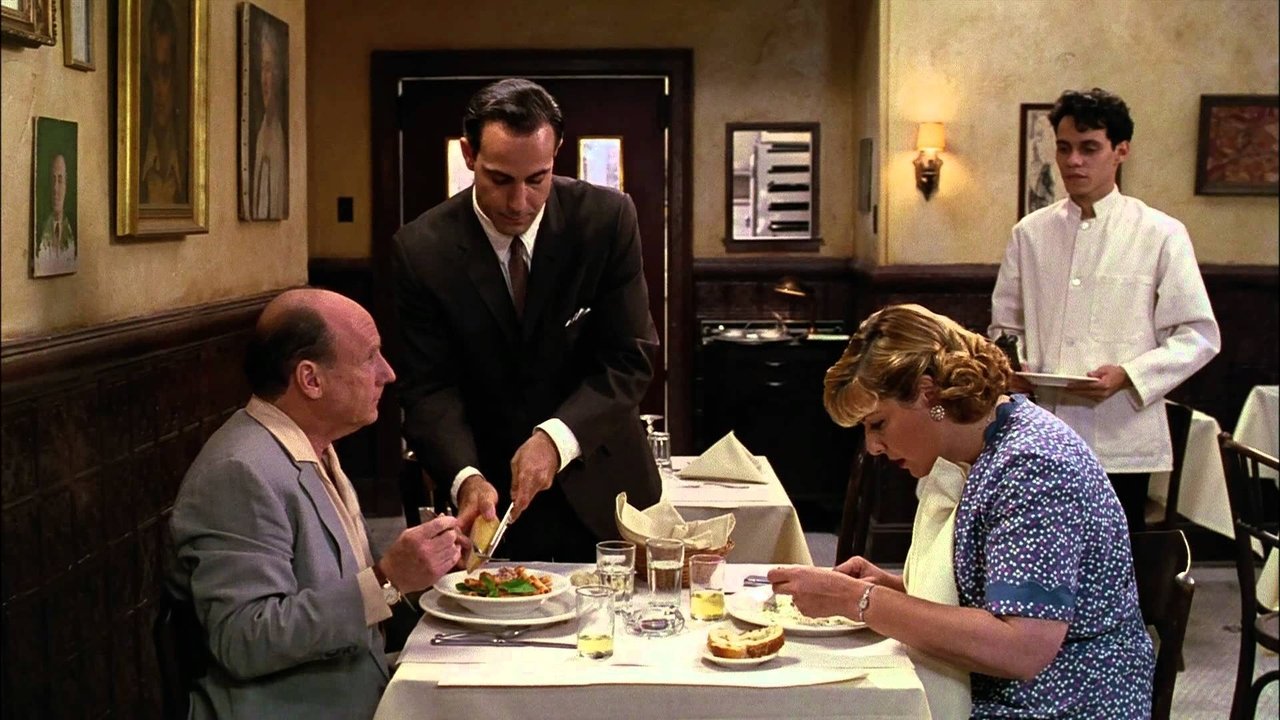
The plot hinges on a promise made by Pascal (Ian Holm), the slick owner of a nearby, commercially successful Italian-American restaurant. Pascal, embodying the compromise the brothers resist, promises to invite Louis Prima to Paradise, generating publicity that could save them. Holm is delightfully oily, his bonhomie barely masking a ruthless pragmatism. Supporting players add crucial depth: Minnie Driver shines as Phyllis, Secondo’s girlfriend, bringing warmth and a touch of grounded reality, while Isabella Rossellini is luminous as Gabriella, Pascal’s sophisticated wife, who shares a complicated history with the brothers. Her role, initially smaller, was wisely expanded, adding another layer of emotional complexity.
Filmed predominantly in Keyport, New Jersey, the film captures the specific mood of the 1950s setting without resorting to caricature. There's a sense of post-war optimism clashing with the harsh realities of immigrant life and the pressures of assimilation. This wasn't a blockbuster; made for a modest $4 million, Big Night became a critical darling rather than a box office smash (grossing around $12 million), but its reputation has only grown, solidifying its place as a beloved 90s indie film.
The Eloquence of Silence
(Slight Spoilers Ahead for the Ending)
Perhaps the most discussed, and rightly lauded, aspect of Big Night is its final scene. After the night itself proves... complicated, leaving dreams shattered and tensions raw, the following morning unfolds in near silence. Secondo simply cooks an omelette, divides it, and shares it with Primo. Cristiano joins them. Few words are spoken. Arms rest briefly on shoulders. It’s a profoundly moving portrayal of reconciliation, forgiveness, and the enduring strength of their bond, conveyed almost entirely through gesture and shared presence. Reportedly, this extended silence wasn't meticulously planned but emerged organically during filming, a stroke of directorial genius allowing the actors' subtle work and the weight of the preceding events to resonate fully. It’s a masterclass in showing, not telling.
VHS Heaven Rating: 9/10
Big Night is a small film with an enormous heart. Its brilliance lies not in grand pronouncements but in quiet observations, nuanced performances, and an authentic portrayal of passion, frustration, and familial love. The acting, particularly from Tucci and Shalhoub, is simply superb, creating a brotherly dynamic that feels utterly real. The direction is confident and sensitive, allowing moments to breathe and emotions to land subtly. While the pacing is deliberate, reflecting the slow simmer of the brothers' anxieties, it never feels sluggish. The film’s deep appreciation for food as culture, art, and connection elevates it beyond simple drama. It earns its 9/10 rating through its masterful performances, its resonant themes, its unforgettable final scene, and its sheer, undeniable warmth and humanity. It’s a film that stays with you, like the lingering taste of an exceptional meal shared with loved ones.
Does any other film capture quite so perfectly the bittersweet ache of dreams deferred, yet find such profound grace in the simple act of sharing breakfast?