Okay, picture this: the late 90s. Video stores are still thriving palaces of possibility, and suddenly, there's Eddie Murphy, king of the R-rated comedy comeback (The Nutty Professor), headlining a big, bright family film... about talking animals? The premise alone, a modern spin on the classic Hugh Lofting children's books, felt both surprising and oddly perfect for the era. 1998's Doctor Dolittle landed not with the gentle whimsy of the Rex Harrison musical, but with the distinct comedic roar of Murphy himself, and honestly, it was exactly the kind of high-concept fun we devoured back then. It wasn't high art, but pulling that slightly worn VHS tape off the shelf promised a good time, guaranteed.

### Murphy Unleashed (Again, But For Kids... Mostly)
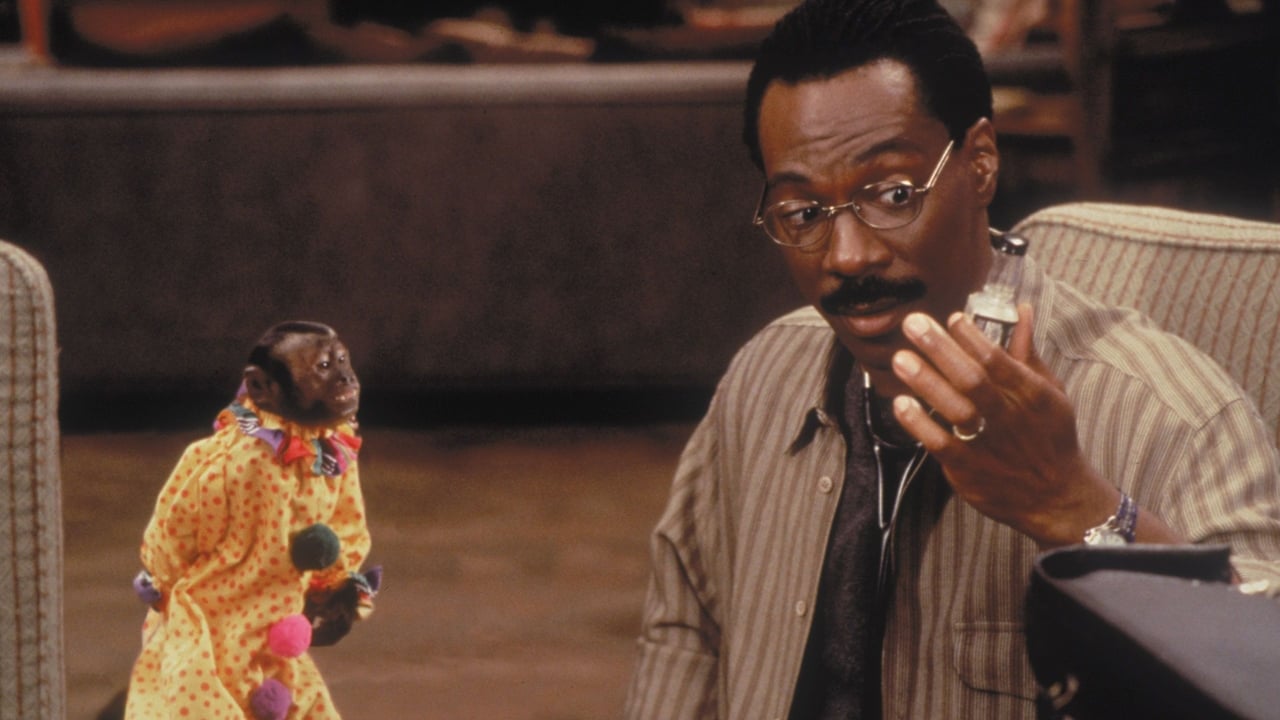
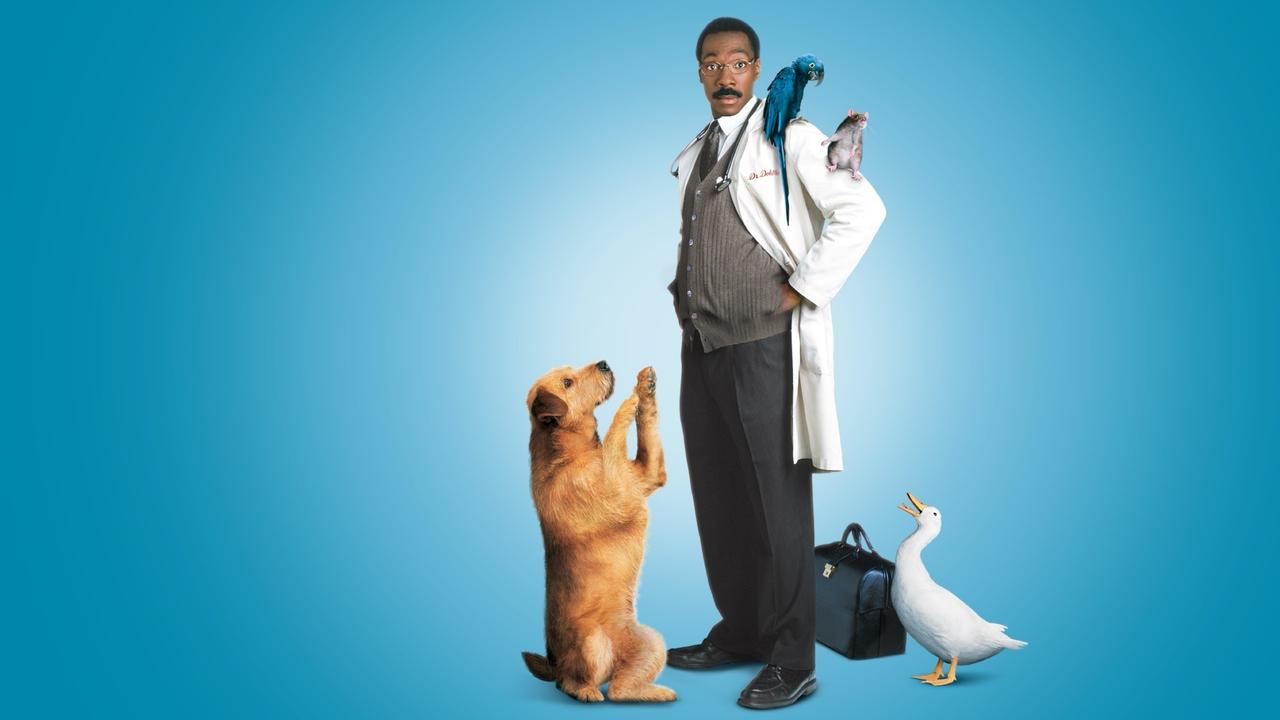
Let's be real, the main draw here was Eddie Murphy. After cementing his superstar status with edgier fare in the 80s (Beverly Hills Cop, Trading Places) and navigating the early 90s, his pivot back towards broader, family-oriented comedy with The Nutty Professor proved immensely successful. Doctor Dolittle felt like a natural, if slightly crasser, follow-up. Murphy plays Dr. John Dolittle, a successful human doctor who, after a childhood incident and a near-miss car accident, rediscovers his suppressed ability to communicate with animals. Murphy dials down the outright raunchiness but keeps his signature rapid-fire delivery and exasperated reactions, which bounce wonderfully off his furry and feathered co-stars. His performance is the energetic engine driving the whole film; he sells the absurdity with committed charisma, making you believe he’s genuinely arguing with a pigeon or counselling a suicidal tiger (voiced hilariously by Albert Brooks). It was a role that cemented his status as a bankable family star for a new generation.
### A Zoo's Worth of Personality (and Effects)

Of course, you can't talk Dolittle without talking about the animals. This was the late 90s, a time when CGI was becoming more accessible but practical effects and puppetry still held significant ground. Director Betty Thomas, who had already shown a knack for blending comedy and character with films like The Brady Bunch Movie and Private Parts, skillfully wrangled a combination of real animals, animatronics, and digital mouth movements. The result, while perhaps looking a bit dated now compared to seamless modern VFX, felt pretty magical back then. Seeing those animal mouths move, perfectly synced (mostly!) to the voice actors' lines, was a huge part of the fun.
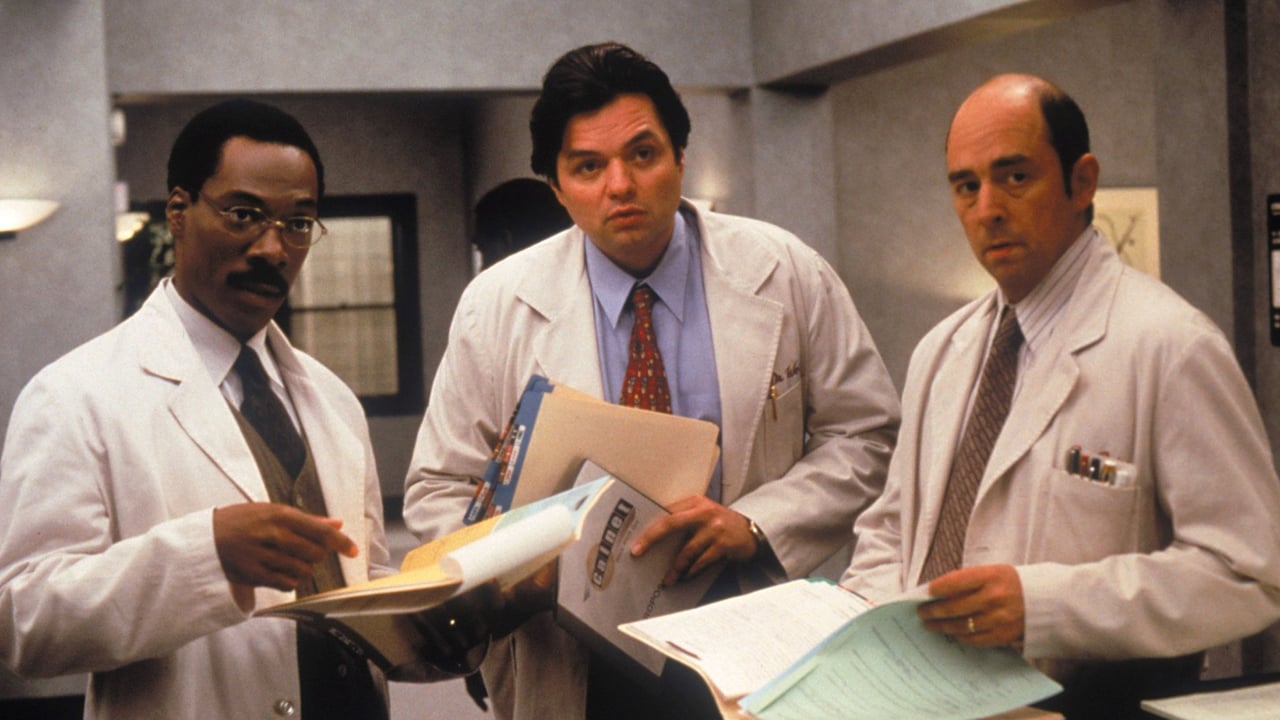
And the voice cast! It was a murderer's row of comedic talent lending their pipes to the critters. Norm Macdonald's deadpan delivery as Lucky the dog is arguably the film's comedic MVP, stealing scenes with perfectly timed sarcastic remarks. You also had Chris Rock as Rodney the guinea pig, Ellen DeGeneres as the prologue dog, and many others bringing distinct personalities to the animal ensemble. Oliver Platt, as the pompous and ethically dubious Dr. Mark Weller, provides a great human foil for Murphy, while the ever-reliable Ossie Davis brings warmth and wisdom as Dolittle's understanding father.
### More Than Just Animal Crackers: Behind the Fur
Digging into the production, it’s clear this was a significant undertaking. Made on a hefty budget of around $71.5 million, Doctor Dolittle became a massive global hit, pulling in over $294 million worldwide – proof that Murphy's family-friendly gamble paid off handsomely. It wasn't just luck; the script, credited to Nat Mauldin and Larry Levin, found a decent balance between the central gimmick and a relatable story about rediscovering passion and connecting with family (personified by Kristen Wilson as Dolittle's wife Lisa and Kyla Pratt as his daughter Maya, who would later take over the franchise).
One interesting tidbit is the film's PG-13 rating. While based on children's books, the movie definitely carried Murphy's comedic sensibilities, featuring a fair amount of innuendo and cruder humour (that proctology exam scene with the monkey, anyone?). This actually caused a minor stir at the time, with some parents finding it a bit edgier than expected for a "talking animal movie." But let's be honest, that slightly cheeky humour was part of its late-90s charm and likely contributed to its broader appeal beyond just young kids. Remember the tagline? "He doesn't just talk to the animals!" It hinted at something a little more knowing.
Working with animals, both real and robotic, presented its own unique set of challenges. Reports from the set often highlighted the complexities of getting the perfect shot, coordinating animal trainers, puppeteers, and visual effects teams, all while keeping Murphy's improvisational energy flowing. It’s a testament to Betty Thomas and the whole crew that the final product feels as cohesive and entertaining as it does.
### The Dolittle Legacy on Tape
Doctor Dolittle wasn't just a one-off hit; it kickstarted a whole franchise, including a theatrical sequel (Dr. Dolittle 2) and several direct-to-video installments focusing on Maya Dolittle. While the quality varied, the original's success undeniably left a mark on family comedies of the era. For many of us browsing the aisles of Blockbuster or Hollywood Video, the colourful Doctor Dolittle VHS box, often featuring Murphy surrounded by a chaotic menagerie, was an easy pick for a Friday night movie marathon. It represented reliable fun, a dose of star power, and the simple, undeniable appeal of hearing what your pets might really be thinking. It perfectly captured that late-90s blend of advancing technology (the CGI) and classic comedic setups.
Final Rating: 7/10
This score feels right for a film that delivers exactly what it promises: a fun, funny, family-friendly vehicle for a comedic superstar rediscovering his groove. It's powered by Eddie Murphy's infectious energy and the charming novelty of its talking animal cast. While the plot is fairly predictable and some of the humour hasn't aged perfectly, the film's warmth, solid execution, and surprisingly strong voice work (especially Norm Macdonald) make it a highly enjoyable trip down memory lane. It's not aiming for profound insight, but as a dose of pure late-90s entertainment, it hits the spot.
Doctor Dolittle reminds us of a time when a big star talking to animals felt like cinematic event, a perfect slice of goofy, good-hearted fun wrapped up in that familiar plastic clamshell case. Go on, admit it – you secretly tried talking to your dog after watching this, didn't you?