Remember that feeling, peering into the dusty spaces beneath the floorboards or behind the skirting boards, absolutely convinced there was a secret world just out of sight? That childhood certainty that tiny people might be living alongside us, making ingenious use of our discarded odds and ends? 1997's The Borrowers tapped directly into that vein of imagination, bringing Mary Norton's beloved little folk to the big screen with a splash of 90s energy and some truly impressive practical magic. Directed by Peter Hewitt, this wasn't just another kids' movie; it felt like a delightful, slightly chaotic glimpse into a world we always suspected was there.
Life on the Small Scale
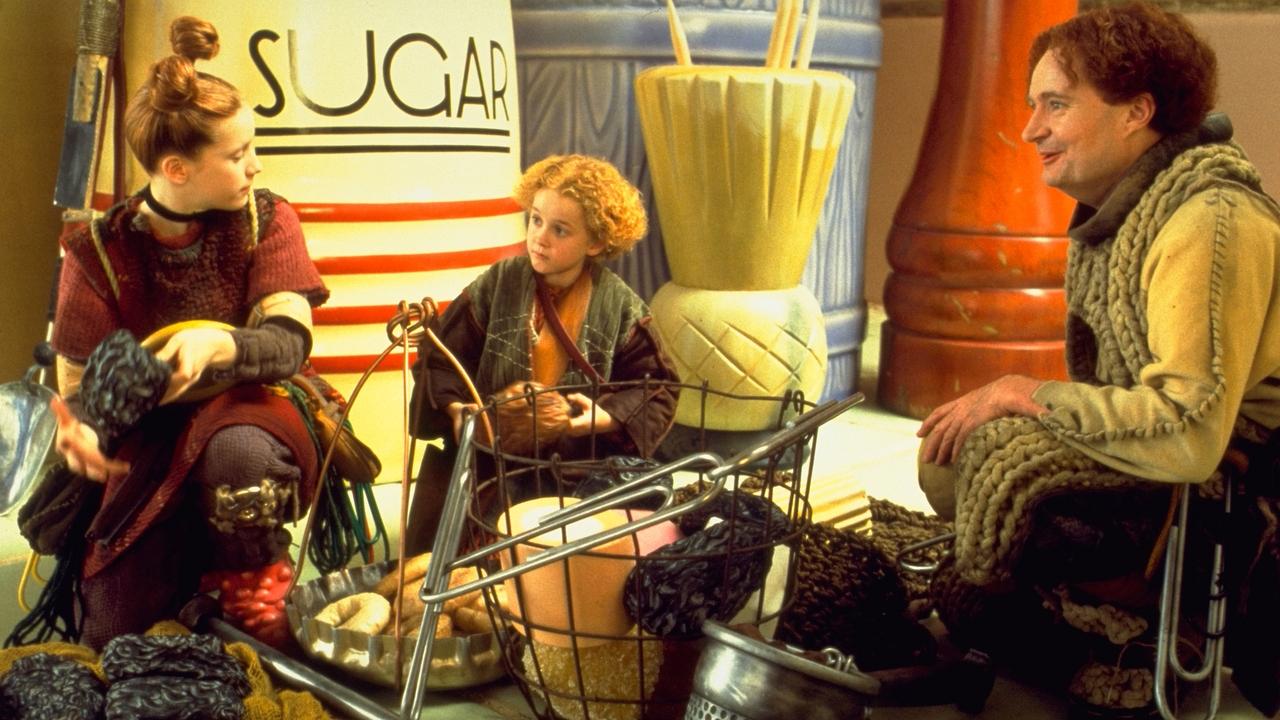
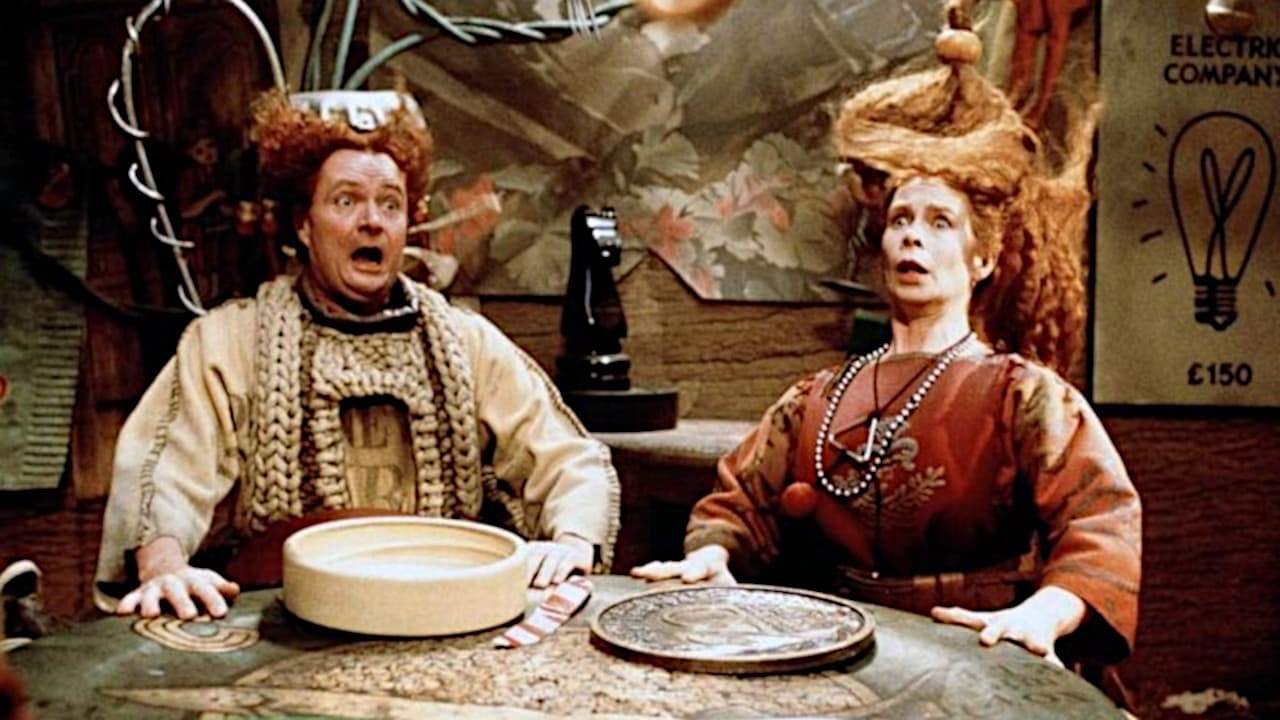
The premise is simple yet captivating: the Clock family – father Pod (Jim Broadbent), mother Homily (Celia Imrie), and adventurous children Arrietty (Flora Newbigin) and Peagreen (Tom Felton, yes, that Tom Felton pre-Malfoy) – are "Borrowers." They live secretly within the walls and floors of a human house, "borrowing" small, seemingly insignificant items to build their intricate world. A postage stamp becomes wall art, a matchbox a chest of drawers, a sock a sleeping bag. It’s this charming ingenuity, depicted with such visual flair, that forms the heart of the film. But their hidden existence is threatened when the nefarious lawyer Ocious P. Potter (John Goodman) schemes to demolish the house to make way for luxury apartments after the owner passes away.
A Villain Worth His Weight in Scenery
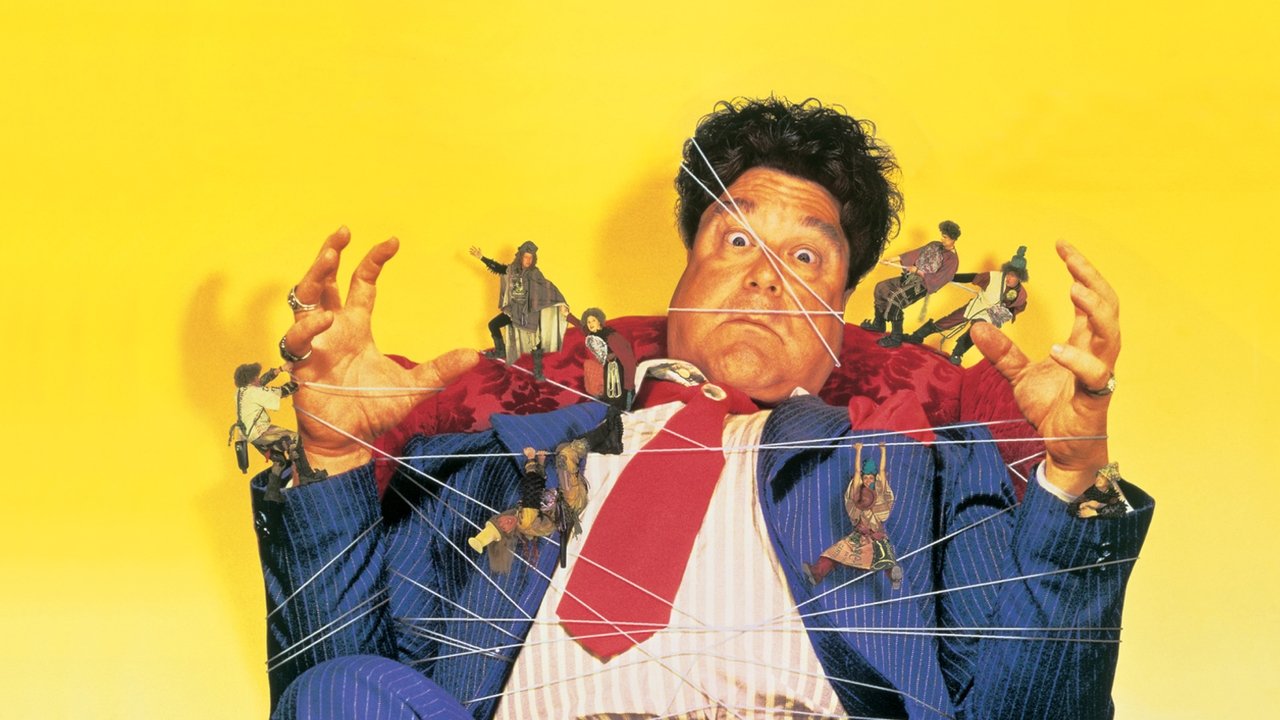
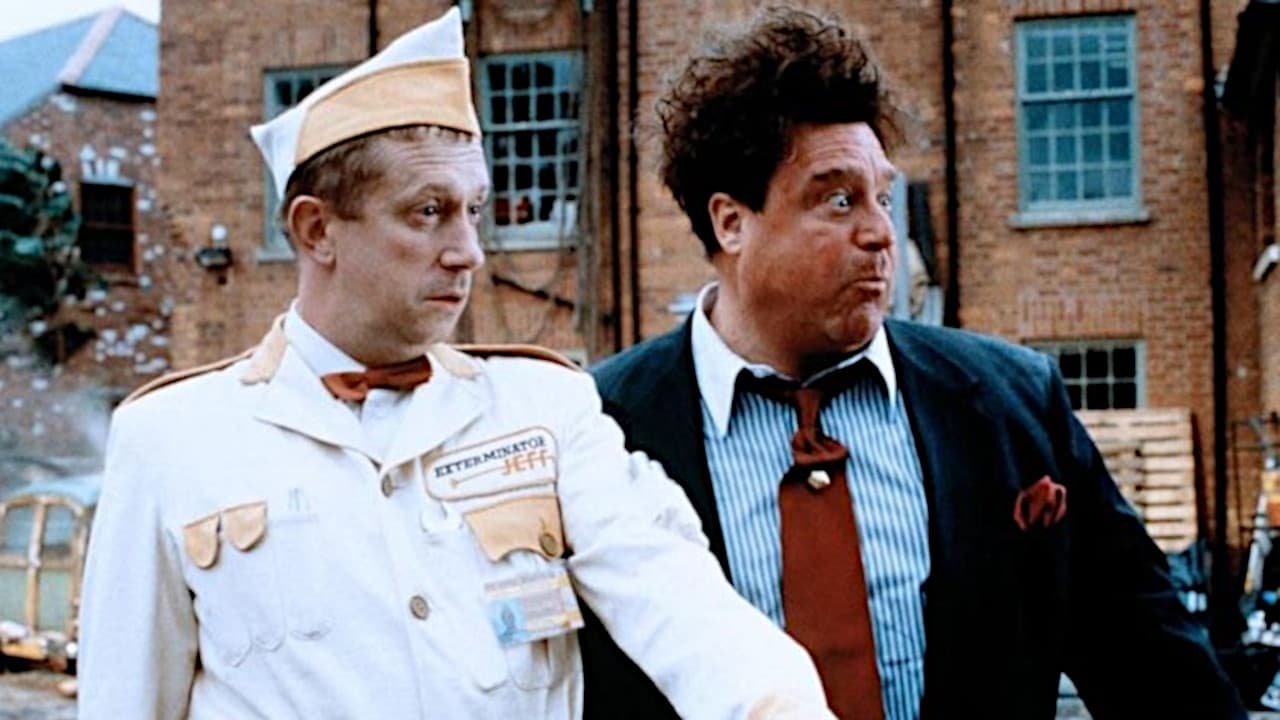
Let's talk about John Goodman. Fresh off his iconic run in Roseanne and solidifying his place as a go-to character actor (with The Big Lebowski just around the corner), Goodman dives into the role of Ocious P. Potter with absolute, unrestrained glee. He’s not just greedy; he's cartoonishly malevolent, a physically imposing force of comedic villainy who stomps, schemes, and practically twirls his moustache. His performance is pitched perfectly for a family adventure – menacing enough to create stakes, but hilariously over-the-top to keep things fun. Watching him react to the tiny Borrowers' antics is a constant source of amusement. Alongside him, Jim Broadbent, always a welcome presence (long before his Oscar win for Iris), brings warmth and understated courage to Pod Clock, the resourceful patriarch trying to protect his family. And we can't forget Mark Williams (later beloved as Arthur Weasley in the Harry Potter series) as the slightly inept but determined Exterminator Jeff, providing another layer of bumbling antagonism.
The Magic of Making Things Big (By Making Things Small)
What truly made The Borrowers stand out, especially during the burgeoning era of CGI, was its dedication to practical effects and incredible production design. The filmmakers built enormous, oversized sets representing the human world from the Borrowers' perspective. Seeing Arrietty navigate a landscape of giant furniture, colossal food items, and everyday objects turned into perilous obstacles felt wonderfully tangible. They cleverly combined these massive sets with forced perspective shots and some early, but generally well-integrated, digital compositing to create the illusion of scale. It's a testament to the craft involved; you genuinely believed in the scale of their world.
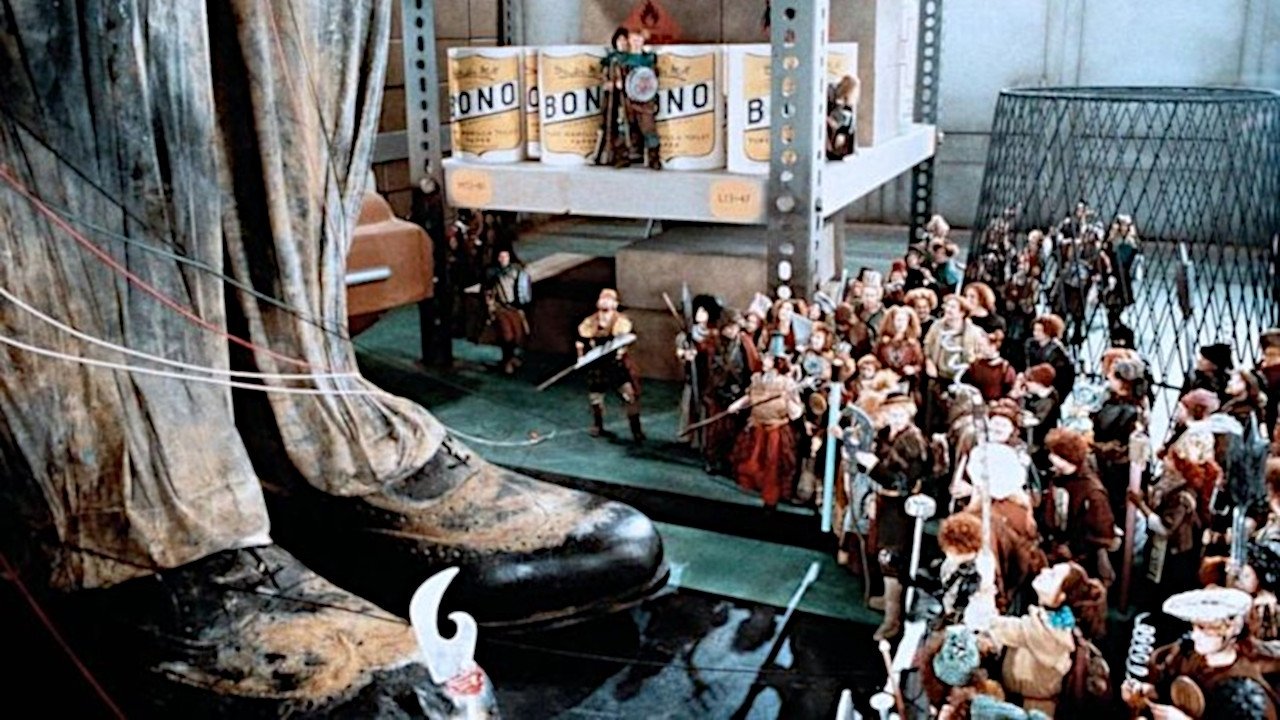
Remember the thrill of seeing them use a safety pin as a grappling hook, or repurpose an ice cube tray as a makeshift boat during a frantic escape from a flooding kitchen drain pipe? Or the sheer cool factor of their souped-up roller skate vehicle? These weren't just plot devices; they were sparks of imaginative brilliance that made you look at your own household clutter differently. This commitment to physical craft gives the film a texture and weight that purely CGI creations often lack, something that resonates strongly watching it back on a format like VHS. Reportedly budgeted around $29 million, a decent sum for a family film back then, much of it clearly went into bringing these miniature marvels to life on screen at Shepperton and Ealing Studios in the UK.
A Very 90s Adventure
While Mary Norton's original books possess a quieter, more atmospheric charm, Peter Hewitt's film, working from a script by Gavin Scott and John Kamps, amps up the action and slapstick considerably. It’s very much a product of its time – energetic, brightly coloured, and favouring exciting set pieces over subtle character moments. The plot zips along, moving from one perilous situation to the next as the Clocks, aided by the human boy Pete Lender (Bradley Pierce), try to thwart Potter's scheme and find a new home. Some purists of the books might find the tone jarringly different, but taken on its own terms as a 90s family adventure film, it absolutely works. It’s funny, fast-paced, and full of visual invention. The milk bottle processing plant sequence, for instance, is a fantastic blend of tension and clever Rube Goldberg-esque action.
The film didn't exactly set the box office alight (grossing around $22.7 million domestically), but it found a cherished place in the home video market. It became one of those reliable rentals, a tape passed around among friends, offering up its unique brand of adventure and visual wit. It may not have the deep emotional resonance of some family classics, but its sheer creativity and fun factor earned it a loyal following. It stands as a charming adaptation that brought the core concept to a new generation, perhaps paving the way for later interpretations like Studio Ghibli's gorgeous anime Arrietty.
The Verdict
The Borrowers is a delightful slice of 90s family filmmaking. It captures a specific kind of imaginative spark, bolstered by fantastic production design, wonderfully tactile practical effects, and a gloriously hammy villainous turn from John Goodman. It might trade the quiet wonder of the books for more boisterous adventure, but it does so with infectious energy and visual flair. Watching it again feels like rediscovering a cleverly constructed secret hiding in plain sight on your movie shelf.
Rating: 7.5/10
The score reflects a film that excels in visual creativity and fun, features a memorable villain, and delivers solid family entertainment, even if the plot is somewhat straightforward and diverges significantly from its source material. Its dedication to practical effects is a major plus for retro film fans.